Lentils are among the most versatile and nutrient-rich foods you can use in your kitchen. Whether you are looking to make hearty soups, fresh salads, or satisfying stews, learning how to cook lentils properly is key. This thorough guide covers everything from types of lentils and their uses to step-by-step cooking methods, flavor tips, and answers to frequently asked questions. Let’s get started!
Why Cook with Lentils?
Lentils are a fantastic ingredient for anyone interested in healthier, plant-centric cooking. Here’s why they’re worth adding to your repertoire:
- Rich in protein and fiber, making meals filling and nutritious.
- Quick and easy to cook—no soaking required, unlike most other dried legumes.
- Earthy, adaptable flavor that suits a wide range of global cuisines.
- Budget-friendly and long shelf life for pantry efficiency.
Types of Lentils and Their Best Uses
Not all lentils are created equal — each type has unique characteristics that determine how they cook and what dishes they suit best. Here’s a quick look at the most common varieties:
| Lentil Type | Color | Texture After Cooking | Best For |
|---|---|---|---|
| Brown Lentils | Light to medium brown | Soft but hold their shape | Soups, stews, salads |
| Green Lentils | Green, sometimes mottled | Firm, hold shape | Salads, side dishes, pilafs |
| French (Puy) Lentils | Slate green with blue | Very firm | Salads, sides, elegant dishes |
| Black (Beluga) Lentils | Jet black | Very firm and glossy | Salads, appetizers, garnish |
| Red & Yellow Lentils | Orange/yellow | Quick to soften, become mushy | Dals, purees, soups |
Knowing your lentil helps you choose the right style for any dish. Brown and green lentils are great all-rounders, while French (Puy) and black lentils keep their shape for salads and sides. Red/yellow lentils break down into a creamy texture, perfect for purees and thickening soups.
Essential Equipment for Cooking Lentils
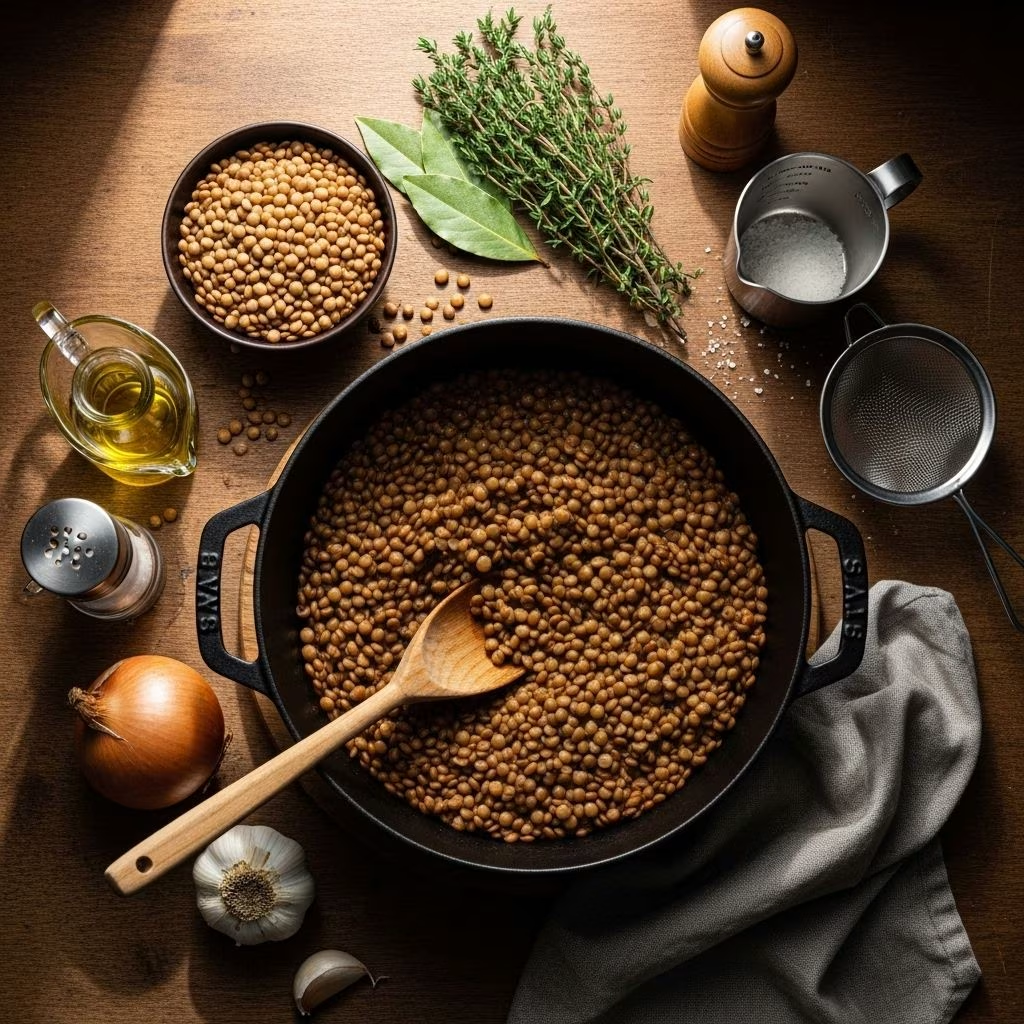
- Large saucepan or pot (with a lid)
- Fine mesh sieve or colander for rinsing
- Measuring cups and spoons
- Tongs or a wooden spoon
How to Cook Lentils: Step-by-Step Instructions
The basic steps for cooking lentils are incredibly straightforward. Unlike many other legumes, lentils do not require soaking. Here is the universally effective method:
1. Rinse and Sort
- Pour the dry lentils into a fine mesh sieve.
- Pick out any small stones, debris, or naturally shriveled lentils.
- Rinse under cool running water until the water runs clear.
2. Boil and Simmer
- Fill a large pot with plenty of water (at least three times as much water as lentils). For example, use 3 cups water for each 1 cup of dry lentils.
- Bring water to a rolling boil.
- Add the rinsed lentils to the water. If desired, add aromatics like bay leaves, sliced onion, garlic cloves, or a sprig of thyme for flavor (remove and discard before serving).
- Do not add salt at this stage, as it can make lentils tougher during cooking.
3. Simmer Until Tender
- Reduce the heat to a gentle simmer.
- Cook uncovered. Skim off any foam that forms and adjust temperature as needed.
- Check the lentils frequently for doneness. Taste a few to ensure they’ve reached your preferred texture.
4. Drain and Season
- Once lentils are tender but not mushy (unless you want them fully broken down, as in dals or soups), drain them right away to avoid overcooking.
- Return to the pot and immediately season with salt, pepper, and any finishing flavor add-ins.
Cooking Times by Lentil Type
| Lentil Type | Approximate Cook Time |
|---|---|
| Brown Lentils | 20–30 minutes |
| Green Lentils | 25–35 minutes |
| French (Puy) Lentils | 25–30 minutes |
| Black (Beluga) Lentils | 20–25 minutes |
| Red/Yellow Lentils | 15–20 minutes (breaks down quickly) |
Tip: Shorter cooking times yield firmer lentils, while longer times lead to creamier, softer results.
Tips for Cooking Perfect Lentils Every Time
- Use plenty of water: Unlike rice or quinoa, there’s no need to measure precisely. Lentils get drained after cooking.
- Don’t add acid or salt until after lentils are tender, or the skins can become tough.
- Flavor the water with bay leaf, garlic, onion, or herbs while simmering, then remove before eating.
- Keep an eye on lentils; overcooked lentils get mushy, especially red or yellow varieties.
- For salads or firm lentils: Cook just until tender and immediately drain, then rinse under cold water to stop cooking.
How to Flavor Lentils
Lentils absorb seasoning wonderfully. For the best results, flavor your lentils at two different stages:
- During cooking: Add whole aromatics (bay leaves, garlic cloves, halves of onion, carrots, thyme sprigs) to the water. These impart subtle background notes.
- After cooking: Toss warm lentils with olive oil, lemon juice, vinegar, salt, pepper, chopped herbs, and spices for maximum flavor impact.
Serving Suggestions: Ways to Use Cooked Lentils
With a batch of properly cooked lentils, the options are endless. Here are some of the best ways to serve them:
- Add to salads for bulk and protein (French or black lentils hold their shape best).
- Fold into soups and stews.
- Serve as a simple side dish, tossed with olive oil, lemon, and herbs.
- Stuff in wraps or pitas for a plant-based protein boost.
- Blend into dips and spreads, like a spicy lentil hummus.
- Simmer with tomatoes and spices for a fast, filling lentil curry.
How to Store Cooked Lentils
- Allow lentils to cool completely.
- Transfer to an airtight container and refrigerate for up to 5 days.
- For longer storage, freeze in airtight containers or freezer bags for up to 3 months. Thaw overnight in the fridge or reheat directly from frozen.
To keep lentils from becoming soggy, store them drained and, if possible, dress with oil or seasonings just before serving.
Nutritional Benefits of Lentils
Lentils are celebrated for their outstanding nutritional value. Here’s what you get in a typical serving (about ½ cup cooked):
- Plant-based protein: 8-9 grams per serving
- Dietary fiber: 7-8 grams
- Folate, iron, magnesium, and B vitamins
- Low in fat and calories, cholesterol-free
These qualities make lentils ideal for meatless meals that are still satisfying and nourishing.
Frequently Asked Questions (FAQs)
Q: Do lentils need to be soaked before cooking?
A: No, soaking is not necessary. Lentils are quick-cooking legumes and do not require soaking, though rinsing is required to clean them and remove debris.
Q: Why did my lentils turn mushy?
A: Overcooking or using red/yellow lentils will result in a mushy texture. For firm lentils, monitor the cooking time and use French or black lentils.
Q: Can I cook lentils in broth instead of water?
A: Yes, using vegetable or chicken broth deepens flavor significantly. Reduce added salt, as broths often contain sodium.
Q: Are lentils gluten-free?
A: Yes, plain lentils are naturally gluten-free. Always check labels for cross-contamination if you have sensitivities.
Q: How much do dry lentils yield when cooked?
A: 1 cup of dry lentils yields about 2½ cups of cooked lentils.
Q: What are the best lentils for salads?
A: French (Puy) and black (Beluga) lentils hold their shape best, making them ideal for tossed salads and cold dishes.
Delicious Lentil Recipes to Try
- Lentil Salad: Toss cooked lentils with diced vegetables, fresh herbs, lemon vinaigrette, and a sprinkle of feta or goat cheese.
- Chunky Lentil Soup: Combine lentils with sautéed onions, carrots, garlic, diced tomatoes, spices, and simmer until rich and hearty.
- Simple Lentil Curry: Simmer cooked lentils in a tomato and coconut milk sauce with curry spices, chili, and garam masala for a warming main course.
- Spiced Lentil and Rice Pilaf: Combine lentils with rice, cumin, and coriander seeds for an easy, protein-packed pilaf.
Final Cooking and Serving Tips
- Cook extra and freeze portions for speedy weeknight meals.
- Pair lentils with roasted vegetables, grains, and bold dressings for balanced, complete meals.
- Mix with leftover grains for easy veggie burgers or patties, adding herbs and spices to taste.
Summary
With this guide, you’re equipped to cook every type of lentil to perfection — whether you want them firm for a salad or creamy for a soup. Their flexibility, nutrition, and flavor make lentils a must-have staple for every cook’s pantry.
References
- https://jenniferskitchen.com/how-to-cook-lentils/
- https://sweetpotatosoul.com/how-to-cook-lentils-perfectly-every-time-no-soaking-required/
- https://www.loveandlemons.com/how-to-cook-lentils/
- https://www.slenderkitchen.com/article/the-beginners-guide-to-lentils
- https://www.177milkstreet.com/2019/04/how-to-cook-lentils
- https://veggiecurean.com/a-complete-guide-to-lentils/
- https://ohmyveggies.com/a-comprehensive-guide-to-lentils/
- https://www.youtube.com/watch?v=VxyRSlgx7Jk