Steamed Bao Buns: A Complete Guide for Home Cooks
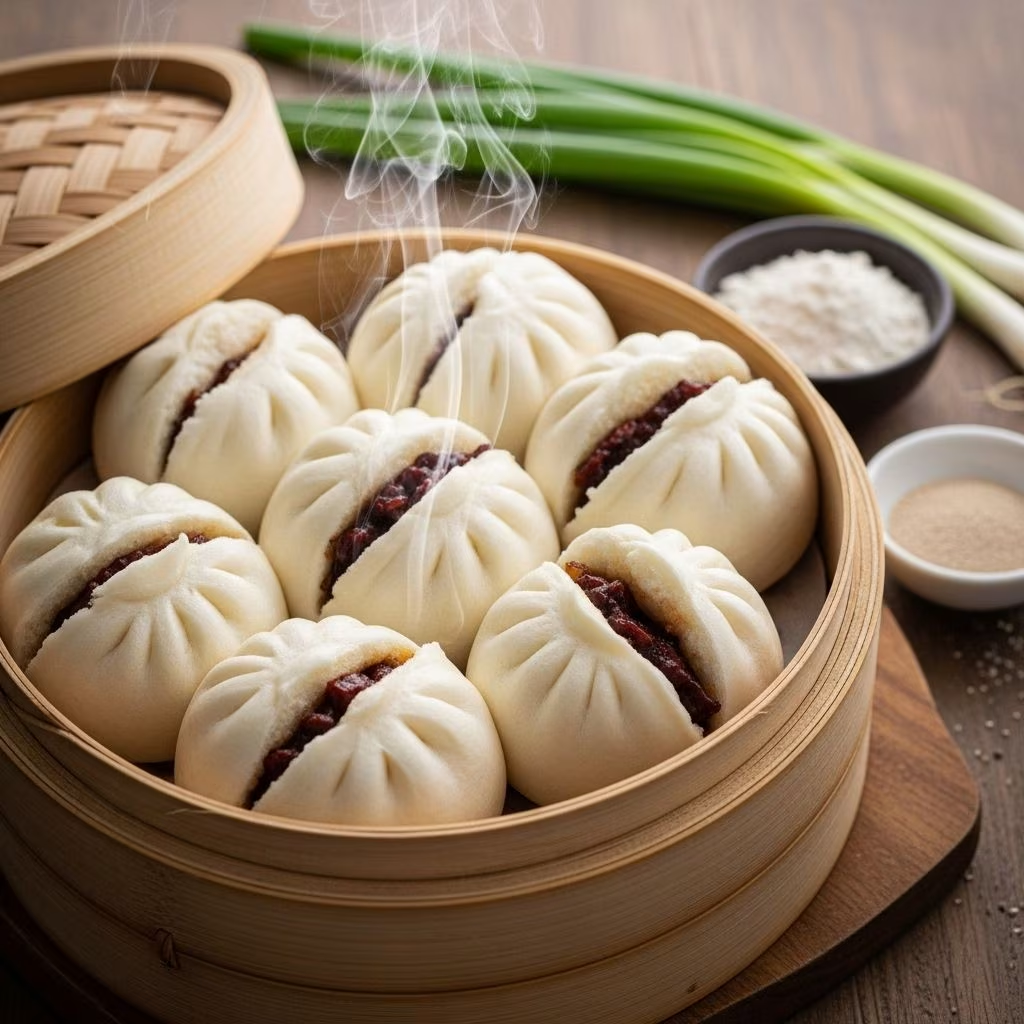
Steamed bao buns are soft, fluffy pillows of dough folded over savory fillings. Making them at home might seem intimidating, but with a little practice and some helpful technique, you can enjoy restaurant-quality bao right from your own kitchen. This comprehensive guide walks you through every step—preparing the dough, shaping, steaming, filling, serving ideas, tips for success, storage, and frequently asked questions.
What Are Bao Buns?
Bao buns, also known as gua bao or simply bao, are soft, yeasted buns steamed until they’re fluffy. Traditionally, these Chinese buns are folded to create a pocket, perfect for holding savory fillings such as braised pork, tofu, tempeh, or vegetables. Their gently sweet, airy dough complements a variety of flavors and textures. Although bao originated in China, today you can find them in street food markets and modern restaurants worldwide.
Ingredients for Bao Buns
The secret to light, airy bao is in the dough. Here are the core ingredients you’ll need:
- Active dry yeast: For leavening and signature fluffy texture.
- Sugar: Feeds the yeast for rising and adds a subtle sweetness.
- Warm water: Activates the yeast; ensure it’s around 110°F (43°C).
- All-purpose flour: The backbone of bao dough for structure and tenderness.
- Baking powder and baking soda: Improve the rise, giving bao their characteristic puff.
- Salt: Balances flavor.
- Avocado oil (or other neutral oil): Enhances tenderness and prevents sticking.
Optional additions can include cake flour or wheat starch to create an even lighter crumb, but a blend of all-purpose flour and these ingredients works well for most home recipes.
How to Make Steamed Bao Buns: Step-by-Step Instructions
1. Prepare and Proof the Dough
- Activate yeast: In a small bowl, combine yeast, sugar, and warm water. Stir and let stand 5 minutes, until foamy.
- Mix dry ingredients: In a large bowl, whisk together flour, baking powder, baking soda, and salt.
- Combine wet and dry: Add the yeast mixture and oil to the dry ingredients. Stir until a rough dough forms; add 1-2 tablespoons more water if dry.
- Knead: Turn out onto a floured surface and knead 5 minutes until smooth and elastic. The dough should not stick to your hands.
- First rise: Place the dough in a greased bowl, cover, and leave in a warm spot for 45 minutes. The dough won’t double like bread dough but should puff up slightly.
2. Shape the Bao Buns
- Roll out dough: On a floured surface, roll dough to a 1/4-inch thickness.
- Cut rounds: Use a 3-inch cookie cutter or drinking glass to punch out circles.
- Prepare for folding: Place dough circles onto parchment squares for easy transfer and to prevent sticking.
- Oil and fold: Lightly brush each round with oil (prevents sticking after folding), then fold in half and gently press to keep the halves attached.
- Second rise: Cover with plastic wrap and leave for another hour. The buns will puff up a bit more, but not double.
3. Steam the Bao Buns
- Set up steamer: Fill a wok or large pan with 1 inch of water. Place buns on parchment in a bamboo or metal steamer.
- Steam: Bring water to a simmer (not a full boil, which can make buns tough). Cover and steam for 9–11 minutes. The buns should be puffy, soft, and hold their shape when pressed gently.
- Repeat: Steam in batches to avoid overcrowding.
Suggested Filling: Marinated & Baked Tempeh
Bao buns are versatile and can be filled with meat, tofu, mushrooms, or other ingredients. This plant-based tempeh filling is tangy, savory, and easy to make.
Tempeh Filling Ingredients
- Tempeh: Sliced into strips or squares.
- Hoisin sauce: For bold, sweet, umami-rich flavor.
- Sriracha: For a hint of heat.
- Fresh ginger: Grated, for zing.
- Lime zest: Brightens the filling.
Tempeh Filling Instructions
- Steam tempeh for 10 minutes to remove bitterness and enhance texture.
- Mix hoisin, sriracha, ginger, and lime zest in a small bowl.
- Reserve half the sauce for serving. Toss tempeh in the remaining half and let marinate for 20 minutes.
- Bake at 425°F (218°C) on a parchment-lined sheet for 10–12 minutes, until browned at the edges.
Bao Bun Assembly & Toppings
Once your buns are steamed and tempeh is ready, it’s time to assemble:
- Veggies: Sliced cucumber, carrot ribbons, avocado.
- Herbs: Fresh cilantro, Thai basil, or mint.
- Chiles: Thinly sliced for spice (optional).
- Lime wedges: For squeezing over the finished buns.
To assemble, open each bun and layer with tempeh, veggies, herbs, and sauces. Serve with extra hoisin-sriracha sauce and lime on the side.
Tips for the Fluffiest Bao Buns
- Careful water temperature: If water is too hot, it can kill the yeast; too cool, and the dough won’t rise.
- Knead thoroughly: Kneading develops gluten for maximal fluffiness.
- Don’t overproof: Bao dough won’t double as much as bread dough—look for a gentle puff.
- Oil before folding: Prevents the folded buns from sticking shut.
- Don’t oversteam: If steamed too long or on a rolling boil, buns may become dense or tough.
- Use parchment: Prevents sticking and makes transferring buns simple.
Serving Suggestions
Bao buns are incredibly versatile. Some popular ways to enjoy them:
- Classic pork belly bao: For a traditional approach, fill with braised pork belly, pickled mustard greens, and crushed peanuts.
- Vegetarian or vegan bao: Try crispy tofu, mushrooms, or this savory tempeh filling for plant-based options.
- Fresh & crunchy: Add quick-pickled vegetables (cabbage, radish), sliced jalapeños, or kimchi.
- Sauces: Drizzle with spicy mayo, hoisin, or chili oil for extra flavor.
- Party platter: Serve a tray of buns with a variety of fillings for guests to mix and match.
How to Store & Reheat Bao Buns
- To store buns: Let cool completely and store in an airtight container at room temperature for up to 1 day, or refrigerate for up to 3 days.
- To freeze: Place cooled buns in a single layer on a baking sheet and freeze until solid, then transfer to bags and freeze up to 2 months.
- To reheat: Steam refrigerated or frozen buns until hot and soft, 5–7 minutes (refrigerated) or 8–10 minutes (frozen). Do not microwave or the texture will suffer.
Frequently Asked Questions (FAQs)
What type of flour is best for bao buns?
All-purpose flour is convenient and produces great results. For even lighter, silkier buns, some recipes use a combination of all-purpose and cake flour or add a small amount of wheat starch.
Do I have to use a bamboo steamer?
No. While a bamboo steamer provides the most even, gentle steam (and absorbs excess moisture), you can also use a metal steamer basket or even a colander lined with parchment in a pinch.
How do I prevent my bao buns from sticking?
Always steam buns on small squares of parchment paper and brush with a little oil before folding to ensure easy removal.
Can I prepare bao buns ahead of time?
Absolutely. You can make the dough up to a day in advance (cover and refrigerate), then shape and steam when ready. Steamed buns freeze well for up to 2 months.
Are bao buns vegan?
The dough itself is vegan if plant-based oil is used. Fillings can be fully vegan, such as with marinated tempeh, tofu, vegetables, or mushrooms.
Why are my buns dense or flat?
This usually results from over-kneading, using water that’s too hot (which kills the yeast), not giving the dough time to proof, or steaming with water at a full rolling boil instead of a gentle simmer.
How can I flavor the bao bun dough directly?
For creative twists, try adding spoonfuls of matcha, black sesame, or beet powder to the dough for unique color and taste.
Printable Recipe Card: Steamed Bao Buns
| Steamed Bao Buns Recipe | |
|---|---|
| Yield | 12 bao buns |
| Prep Time | 20 mins |
| Cook Time | 12 mins |
| Inactive Time | 1 hour 45 mins |
| Ingredients: | |
| |
Instructions:
| |
Final Thoughts
Whether you’re craving traditional pork belly bao or innovative vegan versions, making bao buns from scratch is a rewarding kitchen project. As you grow comfortable with the process, experiment with different fillings and toppings. With these tips, you’ll master soft, pillowy bao buns guaranteed to impress at any dinner or gathering.