French 75 Cocktail Recipe: Sparkling Elegance for Any Occasion
The French 75 is an iconic cocktail that seamlessly blends the crisp botanicals of gin with the bright tang of lemon and the celebratory fizz of sparkling wine. Whether you’re toasting at a festive gathering, elevating a brunch, or simply savoring a sophisticated drink after a long day, the French 75 delivers brightness, elegance, and a hint of history with every sip.
What Is a French 75?
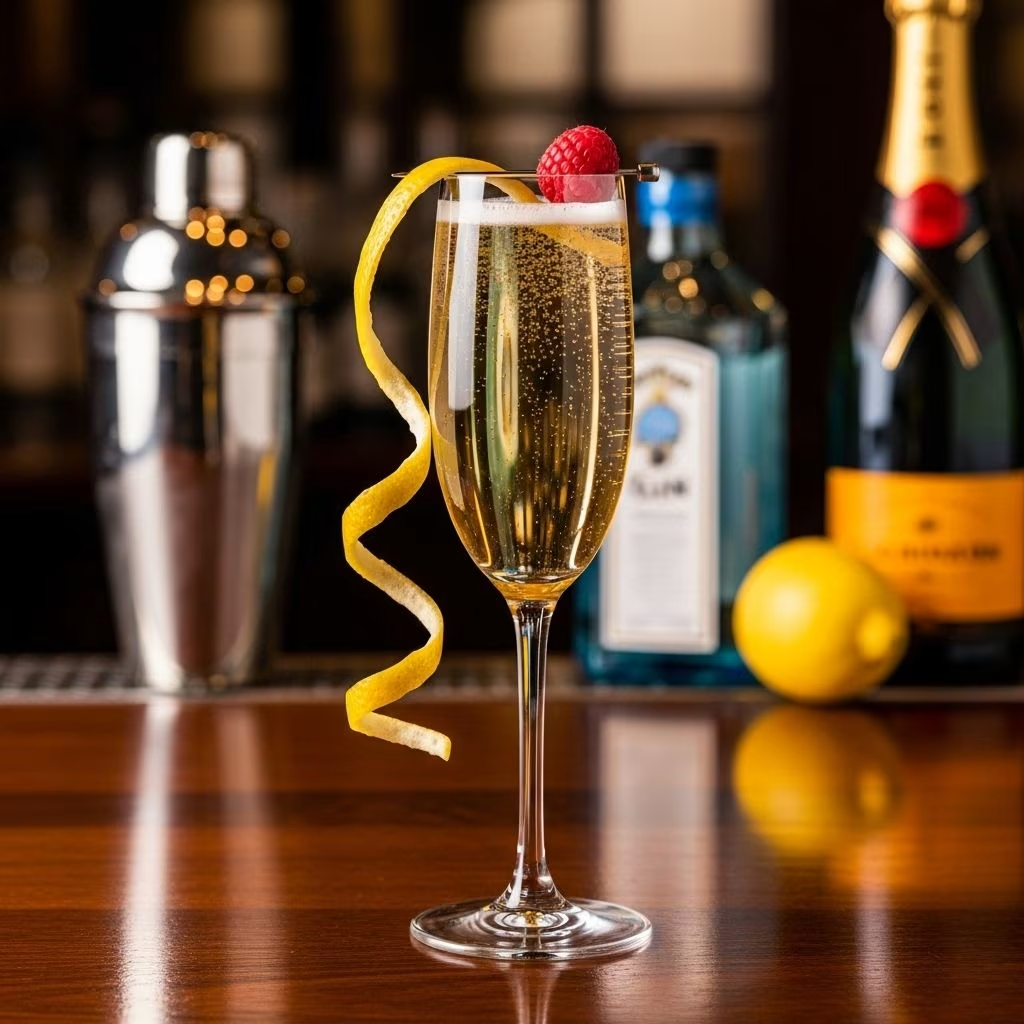
The French 75 is a classic Champagne cocktail featuring just four core ingredients: gin (or sometimes cognac), lemon juice, simple syrup, and Champagne (or a dry sparkling wine like Prosecco or Cava). This drink stands out for its effervescent, citrusy flavor and striking presentation.
Historically, the cocktail likely originated in France around World War I and received its name for packing a punch as formidable as the 75-millimeter French field guns widely used in the war.
French 75 vs. Tom Collins
If you enjoy a Tom Collins, you’ll recognize the French 75’s blend of botanicals, lemon, and sweetness—but unlike the Collins’ topping of club soda, the French 75 achieves its lively sparkle and dryness from Champagne.
Ingredients for the Perfect French 75
- Gin: Hendrick’s provides floral, cucumber-forward notes that complement the lemon and bubbles beautifully. Other excellent picks include St. George Botanivore Gin (fresh, herbaceous) or a clean dry gin like Koval Dry Gin. Some classic recipes call for cognac as an alternative base.
- Lemon Juice: Always use freshly squeezed for the brightest, cleanest flavor. The acidity balances the botanical gin and the syrup’s sweetness. Reserve a strip of peel for garnish.
- Simple Syrup: Easily prepared with equal parts sugar and water (recipe below). The syrup adds balance and roundness without overpowering the rest of the drink.
- Champagne or Prosecco: Traditionalists opt for brut Champagne: dry, lively, and refined. For a budget-friendly alternative, a good-quality Prosecco or Cava offers comparable brightness and effervescence.
- Lemon Twist: For aromatic garnish and visual appeal.
- Ice: For mixing and chilling.
Ingredient Table
| Ingredient | Amount | Notes |
|---|---|---|
| Gin | 1 ounce | London dry or floral gin preferred |
| Lemon Juice | 1/2 ounce | Freshly squeezed |
| Simple Syrup | 1/2 ounce | See preparation below |
| Champagne/Prosecco | 3 ounces | Chilled, brut, or dry |
| Lemon Twist | 1 | For garnish |
| Ice | As needed | For shaking |
How to Make Simple Syrup
Homemade simple syrup is quick, customizable, and keeps for weeks in the fridge. Use it to sweeten a variety of cocktails.
- Combine equal parts granulated sugar and water (e.g., 1/2 cup each) in a small saucepan.
- Heat over medium, stirring occasionally, just until the sugar dissolves. Remove from heat and let cool completely before using. Store leftover syrup in a sealed jar in the refrigerator for up to a month.
Pro tip: To add floral or herbal complexity, infuse the syrup with strips of lemon peel or sprigs of rosemary as it cools, then strain.
Step-by-Step: How to Make a French 75
- Chill Your Glass: Place a champagne flute or coupe in the freezer while you prepare other ingredients for a frosty, elegant finish.
- Shake the Base: Fill a cocktail shaker with ice. Add gin, freshly squeezed lemon juice, and simple syrup. Shake vigorously until well chilled—about 15 to 20 seconds.
- Strain and Top: Strain the mixture into your chilled flute or coupe glass.
- Add the Bubbles: Slowly top with chilled Champagne or Prosecco. Pour gently to preserve the drink’s effervescence and avoid overflow.
- Garnish: Twist a lemon peel over the drink to release the oils, then drop it in or drape it over the rim for aromatic flair.
Recipe Card
French 75 Cocktail Recipe
Yield: 1 serving
- Ice
- 1 oz gin
- 1/2 oz fresh lemon juice
- 1/2 oz simple syrup
- 3 oz chilled Champagne or Prosecco
- Lemon twist, for garnish
- In a cocktail shaker with ice, combine gin, lemon juice, and simple syrup. Shake until well chilled.
- Strain into a flute or coupe.
- Top with Champagne or Prosecco. Garnish with a lemon twist and serve immediately.
Tips and Tricks for the Best French 75
- Quality Counts: Use a mid-range gin and sparkling wine; there’s no need to splurge on the highest-end bottles, but avoid low-quality mixers for optimal taste.
- Pre-chill Glassware: A cold glass keeps your sparkling cocktail fresh and lively for longer.
- Balance Flavors: Adjust the sweetness and acidity to taste. Add a splash more syrup for extra sweetness, or more lemon for increased tartness.
- Serve Immediately: The bubbles will fade over time, so enjoy it fresh for the effervescent experience.
Variations and Personalization
- Switch Spirits: Classic recipes often call for gin, but cognac brings a deeper, rounder profile for a wintery twist.
- Alternate Bubbles: Try Cava, Crémant, or sparkling rosé for new flavors or to suit the season and budget.
- Add Liqueur: A splash of elderflower liqueur (such as St. Germain) adds floral sweetness and French flair.
- Fruit Twists: Substitute lemon juice with freshly squeezed blood orange or clementine juice for a unique variation.
Simple Substitutions
- Vegan Sugar: Use organic, unprocessed sugar for a vegan-friendly syrup.
- Non-alcoholic: For a spirit-free version, swap gin with non-alcoholic botanical spirits and use sparkling water in place of Champagne.
Occasions to Serve a French 75
- New Year’s Eve: Signature drink to ring in midnight.
- Weddings & Celebrations: Elevate toasts with a chic, festive beverage.
- Brunch: A sophisticated bubbly alternative to the standard mimosa.
- Happy Hour: A refreshing, not-too-strong choice for patio gatherings and warm weather months.
French 75: The Cocktail’s History
The origins of the French 75 cocktail date back to the early 20th century, reportedly surfacing in Paris at the famed Harry’s New York Bar. The precise recipe varies between sources; some prefer cognac, but the gin version has become standard. Its name honors the French 75mm field gun, renowned for its speed and force—qualities metaphorically ascribed to this zesty, potent cocktail. Today, it remains a symbol of Parisian style, glamour, and conviviality.
Choosing the Right Glass and Garnish
- Glassware: Classic presentations use flutes for maximum bubble retention and visual impact. Coupe glasses evoke a vintage, Gatsby-era elegance.
- Garnish: A thoughtfully twisted lemon peel or thin spiral amplifies both visual appeal and aroma.
Batching for Parties
Streamline hosting by preparing a large batch of the gin, lemon, and syrup base in advance. Store chilled. When ready to serve, pour 2-3 ounces of the base into each glass, top with sparkling wine, and garnish. This method ensures freshness, even for a crowd.
Tip: Avoid adding sparkling wine to the batch ahead of time; bubbles will deteriorate quickly.
Frequently Asked Questions (FAQs)
Q: Can I use Prosecco or Cava instead of Champagne?
A: Absolutely. While Champagne is traditional, Prosecco and Cava both work beautifully and may offer a more approachable price point. Choose a dry (brut) variety for optimal balance.
Q: Is French 75 better with gin or cognac?
A: Gin is more common today, lending a crisp, botanical character. Cognac produces a richer, warmer flavor. It’s a matter of personal preference—taste both and decide!
Q: Can I make a French 75 ahead of time?
A: Prepare the base (gin, lemon, syrup) ahead of time and refrigerate. Add sparkling wine and garnish just before serving to preserve carbonation and brightness.
Q: What glass is best for serving?
A: A champagne flute is classic, but a coupe glass offers a vintage touch. Both highlight the drink’s effervescence and elegance.
Q: How do you make a French 75 less strong?
A: Reduce the gin quantity to 1/2 ounce, increase simple syrup slightly, and top off with more sparkling wine for a lighter, more sessionable cocktail.
Expert Tips for Home Bartenders
- Measure precisely for balance.
- Use a citrus juicer for maximum lemon yield and minimal mess.
- Chill all components—including the glassware and gin—for best results.
- Try local gins for fun twists or to support nearby distillers.
French 75 Variations to Try
- Elderflower 75: Add 1/4 ounce elderflower liqueur for a floral, modern upgrade.
- Winter 75: Swap gin for cognac and infuse simple syrup with rosemary or allspice.
- Citrus Twist 75: Use blood orange or pink grapefruit juice in place of some or all lemon juice.
Nutrition Considerations
The French 75 is relatively light compared to many classic cocktails. Expect approximately 150-180 calories per serving, depending on precise measures and wine chosen. For lower sugar, scale back simple syrup. Always enjoy responsibly.
Final Thoughts
The French 75 is an enduring favorite for good reason: it’s festive, easy to make, and adaptable to suit your preferences or the occasion. Whether starring at a celebration or brightening a quiet night in, this spirited cocktail is sure to charm.