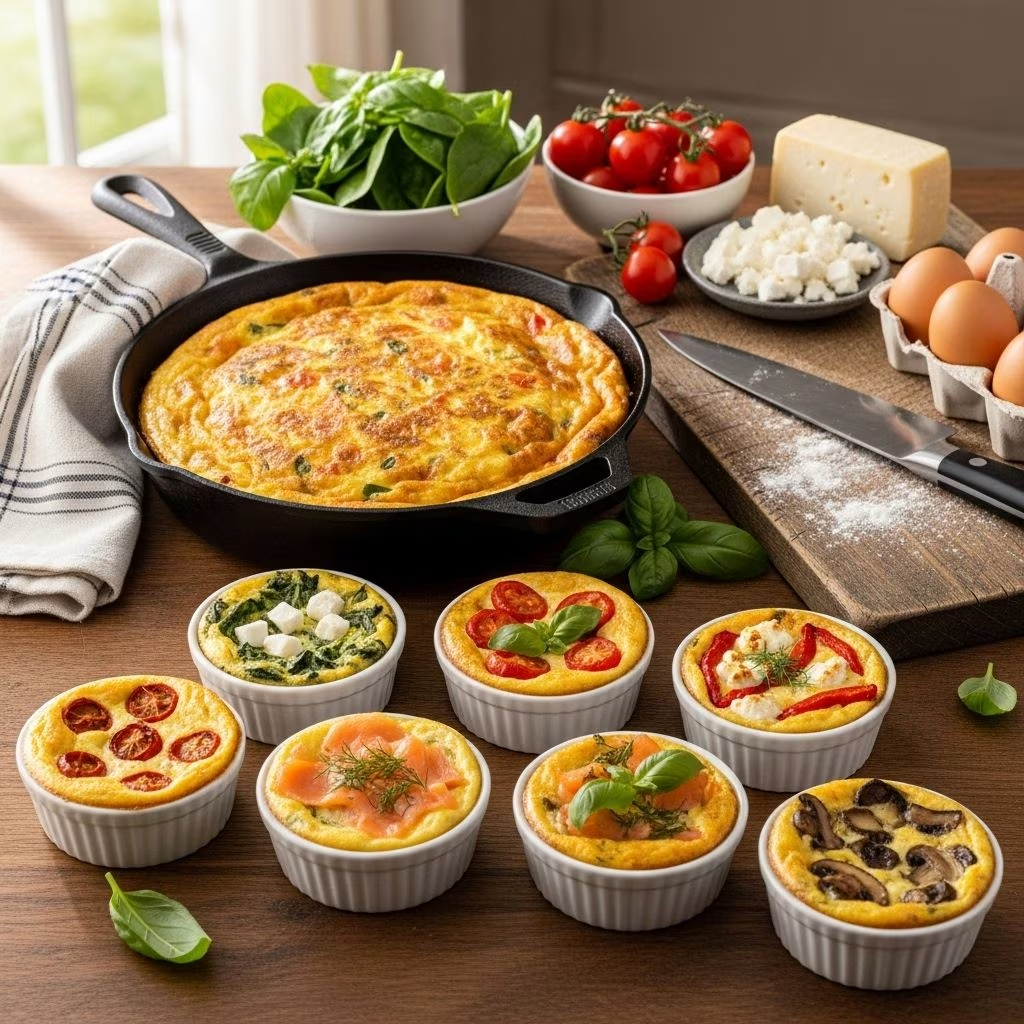
Making a frittata at home is easier than you might think. From brunch gatherings to simple weeknight dinners, this versatile Italian egg dish is a favorite for its simplicity, adaptability, and delicious results. This guide will walk you through the basics of a classic frittata, offer five creative variations, provide practical tips for best results, and answer common questions for frittata success.
What is a Frittata?
A frittata is an Italian egg bake similar to an omelette or a crustless quiche. It typically features a blend of eggs, vegetables, herbs, cheese, and sometimes meat, all cooked together in a skillet and finished in the oven. Frittatas are an excellent way to turn leftover vegetables and pantry staples into a satisfying meal.
- Gluten-free and vegetarian friendly—no crust required.
- Quick to make—ready in under 30 minutes.
- Perfect for any meal, from breakfast and brunch to lunch or dinner.
- Customizable—use whatever produce you have on hand.
Essential Equipment for Frittata
Choosing the right pan can make a big difference:
- 10- or 12-inch cast iron skillet (enameled or classic): Retains heat evenly and transitions easily from stovetop to oven.
- Alternatives: Carbon steel pans work well and are lighter than cast iron.
Make sure your pan is oven-safe as the frittata will finish baking in the oven.
Basic Frittata Recipe
This is your foundational frittata recipe. Adjust quantities depending on your skillet size or the number of servings needed.
| Ingredient | Amount |
|---|---|
| Large eggs | 6 (use 8 for a 12-inch skillet) |
| Milk (unsweetened almond or any kind) | 1/4 cup |
| Garlic, minced | 2 cloves |
| Sea salt | 1/4 teaspoon, plus for sprinkling |
| Black pepper | To taste |
| Extra-virgin olive oil | For sautéing |
| Vegetables, cheese, & herbs | See variations below |
Step-by-Step Frittata Instructions
- Preheat oven to 400°F (200°C).
- Whisk eggs, milk, garlic, salt, and pepper in a bowl until the mixture is fully combined and slightly frothy. Set aside.
- Sauté vegetables in olive oil in a cast iron or oven-safe skillet over medium heat until tender. (The choice of vegetables will depend on your selected variation below.)
- Add dry seasonings and fresh herbs. Stir to mix well with the vegetables.
- Pour frittata base over the veggies in the skillet, giving the pan a gentle shake to distribute the egg mixture evenly.
- Top with cheese as desired.
- Transfer skillet to the oven. Bake 15–20 minutes until the eggs are set and the top is lightly golden around the edges.
- Allow to cool slightly before slicing and serving for best texture.
Five Delicious Frittata Variations
Elevate the basic frittata by changing up the vegetables, herbs, and cheese. Below are five favorite flavor combinations to inspire your next meal.
1. Broccoli Feta Frittata
- 6 scallions, chopped
- 2 cups chopped broccoli florets or broccolini
- 1/8 teaspoon smoked paprika
- 1/4 cup crumbled feta cheese
How to make: Sauté scallions and broccoli until just tender, stir in smoked paprika, pour in egg mixture, top with feta, and bake.
2. Roasted Red Pepper & Spinach Frittata
- 1 shallot, chopped
- 2 roasted red bell peppers, chopped
- 2 cups fresh spinach
- 1/3 cup crumbled feta cheese
How to make: Sauté shallot, add peppers and spinach, cook until wilted, add eggs, finish with feta, then bake.
3. Spring Veggie Frittata
- 4 spring onions or scallions, chopped
- 1/2 cup chopped tender asparagus
- 1/2 cup frozen peas, thawed
- 1/2 cup halved mini mozzarella balls
- 1/4 cup crumbled feta
- 1/4 cup fresh chopped tarragon or chives
How to make: Sauté spring onions and asparagus, add peas and herbs, pour eggs over, dot with mozzarella and feta, bake.
4. Mixed Mushroom & Tarragon Frittata
- 1 shallot, chopped
- 12 oz mixed mushrooms, chopped
- 1/4 cup chopped tarragon
- 1/3 cup grated pecorino cheese
How to make: Cook shallot and mushrooms until deeply golden, stir in tarragon, add eggs, sprinkle with pecorino, bake.
5. Caprese Frittata
- 1 shallot, chopped
- 2 cups halved cherry tomatoes
- 3/4 cup halved mini mozzarella balls
- 1/2 cup sliced fresh basil
How to make: Sauté shallot and tomatoes briefly, add eggs, top with mozzarella and basil, bake until set.
Frittata Tips for Success
- Don’t overbake: Remove the frittata from the oven when the center is just set. It will continue to cook slightly from residual heat.
- Let cool before slicing: This ensures clean slices and a creamy, custardy texture.
- Use full-fat milk or cream for richest flavor—non-dairy milk works, too.
- Mix and match ingredients based on what’s in season or your preferences.
- Storage: Leftovers keep well in the fridge for up to 3 days and are delicious at room temperature.
Serving Suggestions
- Brunch centerpiece—serve with a simple green salad and fresh fruit.
- Light lunch—pair slices with crusty bread and an herby vinaigrette.
- Dinner solution—add roasted potatoes or a vegetable soup for a satisfying meal.
- Meal prep—frittata can be packed for lunch and eaten cold or at room temperature.
Frequently Asked Questions
What’s the difference between a frittata and a quiche?
A frittata is crustless and cooks faster, while a quiche typically has a pastry crust and a more custard-like filling due to higher cream content.
Can I make a frittata dairy-free?
Yes, use non-dairy milk such as almond or oat milk and substitute cheese with a dairy-free alternative or omit it altogether.
How do I prevent the frittata from sticking?
Use plenty of olive oil and make sure the skillet is well-seasoned if using cast iron. Oven-safe nonstick pans also work well.
How can I tell when a frittata is done?
The edges will be puffed, and the center should just be set (not jiggly). A knife inserted in the center should come out clean.
Frittata Recipe Table: Basic Components and Flavor Variations
| Variation | Main Vegetables | Cheese | Key Herbs/Spices |
|---|---|---|---|
| Broccoli Feta | Broccoli, scallions | Feta | Smoked paprika |
| Red Pepper Spinach | Roasted red peppers, spinach, shallot | Feta | — |
| Spring Veggie | Asparagus, peas, spring onions | Mozzarella, feta | Tarragon, chives |
| Mushroom Tarragon | Mushrooms, shallot | Pecorino | Tarragon |
| Caprese | Cherry tomatoes, shallot | Mozzarella | Basil |
More Frittata Ideas and Ingredient Swaps
- Cheese options: goat cheese, parmesan, cheddar, or dairy-free cheese shreds.
- Herbs: basil, dill, chives, cilantro, parsley mix well with most vegetables.
- Protein add-ins: diced cooked ham, bacon, or shredded chicken for a heartier meal.
- Extra veggies: kale, chard, zucchini, bell peppers, sun-dried tomatoes, sweet potatoes.
Expert Tips for Frittata Perfection
- Sauté watery vegetables (like spinach or mushrooms) first to avoid a soggy frittata.
- Let dairy ingredients (milk, cheese) come to room temperature for even cooking.
- Season each layer—egg mixture, veggies, and final topping.
- Allow frittata to rest 5–10 minutes before cutting for a neater slice.
Easy Frittata Recipe (Summary)
Preheat oven to 400°F. Whisk eggs, milk, garlic, salt, and pepper. Sauté vegetables. Combine eggs and veggies in an oven-safe skillet, top with cheese, bake 15–20 minutes, and let cool briefly before serving.
Frequently Asked Questions
Q: Can I prepare a frittata in advance?
A: Absolutely. Frittatas store well in the refrigerator for up to 3 days. Enjoy cold, or bring to room temperature before serving for best flavor.
Q: Do I have to use a cast iron pan?
A: No. Any oven-safe skillet will work, though cast iron yields great browning and easy oven transition.
Q: Can I freeze leftover frittata?
A: While it can be done, the texture may change. For best results, store in the fridge and eat within a few days.
Q: Are frittatas suitable for special diets?
A: Frittatas are naturally gluten-free and easy to make dairy-free or vegetarian based on ingredient choices.
Q: What is the proper ratio of eggs to vegetables?
A: For a 10-inch skillet, 6 eggs and about 2 to 2.5 cups of cooked vegetables is a reliable guideline. Adjust up for larger pans.
Final Thoughts
A classic frittata is more than a breakfast dish—it’s a canvas for creativity and an efficient use of ingredients you already have. Follow these steps, experiment with the variations, and enjoy a meal that’s as nourishing as it is delicious.