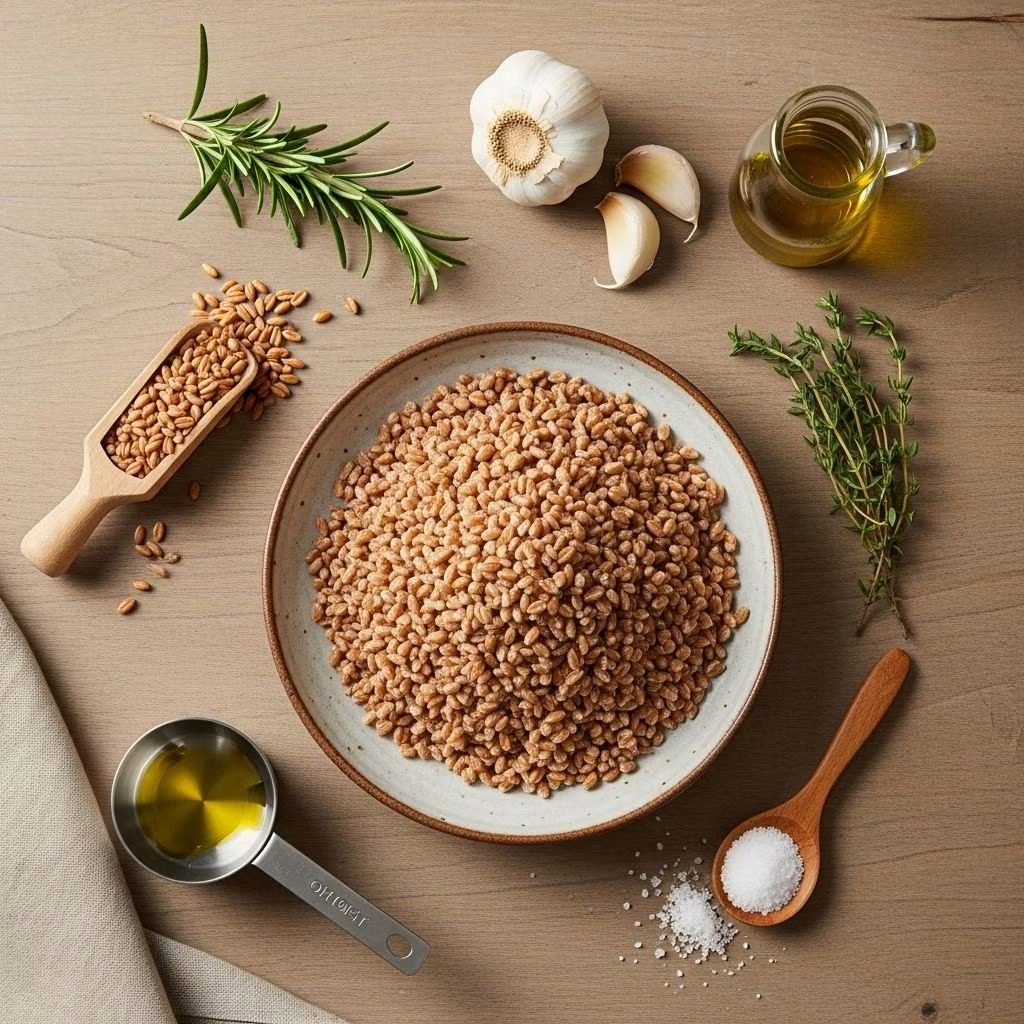
Farro is an ancient grain cherished for its chewy texture and distinct nutty flavor. In this guide, you’ll learn how to cook farro to perfection, discover the differences among various types, get tips for serving and storing it, and find inspiration for incorporating this hearty grain into salads, bowls, and more. Whether you are new to cooking farro or looking to expand your repertoire, you’ll find all you need right here.
What is Farro?
Farro refers to three ancient wheat species—spelt, emmer, and einkorn—enjoyed throughout the Mediterranean for thousands of years. Its signature chewy texture and nutty flavor make it a favorite ingredient in hearty salads, soups, and grain bowls.
- Nutrient-rich: Farro contains fiber, protein, B vitamins, iron, magnesium, and zinc, making it a healthy addition to any meal.
- Versatile: It works well as a side dish, in soups, or as a salad base.
- Hearty and Filling: Its satisfying chew adds a rustic, substantial quality to recipes.
Types of Farro
Different types of farro require different cooking times. Check packaging for details, or identify types by name:
| Type | Description | Cooking Time |
|---|---|---|
| Pearled Farro | Most bran removed; cooks quickly | 10–20 minutes |
| Semi-Pearled Farro | Some bran remains; moderate cook time | 20–30 minutes |
| Whole Farro | Bran intact; best flavor and texture, but slowest to cook | Up to 40 minutes (soak for best results) |
Tip: For whole farro, pre-soaking overnight reduces cook time and improves texture.
Ingredients & Equipment
- 1 cup uncooked farro (rinsed and drained)
- Water or broth (for more flavor)
- Salt (to season the cooking liquid)
- Large saucepan or pot
- Baking sheet or large plate (for cooling and drying farro quickly)
How to Cook Farro
- Rinse the farro: Place farro in a fine mesh sieve and rinse under running water.
- Boil: Fill a medium saucepan halfway with water, season generously with salt, and bring to a boil.
- Simmer: Add the farro, reduce heat, and simmer uncovered.
- For pearled farro: 10–20 minutes
- For semi-pearled farro: 20–30 minutes
- For whole farro: Up to 40 minutes; check for tenderness
- Test doneness: Farro should be tender but pleasantly chewy; avoid overcooking to prevent mushiness.
- Drain: Drain farro in a colander, then spread it in a single layer on a large baking sheet or plate. Let it cool and dry for about 20 minutes. This stops steaming and keeps the grains separated.
- Use as desired—while warm or at room temperature.
Farro Cooking Tips
- Use broth instead of water to infuse extra flavor.
- Make a larger batch; cooled, cooked farro keeps well in the fridge for up to five days.
- For salads, ensure the grains are cool and dry to absorb vinaigrettes without getting mushy.
Quick Lemon Herb Farro Recipe
This simple, zesty farro salad can be served warm or at room temperature—a great main or side!
Ingredients:
- 1 cup cooked farro (see above)
- 1 tablespoon extra-virgin olive oil
- 1/2 tablespoon freshly squeezed lemon juice (plus more to taste)
- 1/2 tablespoon fresh thyme leaves
- 1 garlic clove, grated
- 1/4 teaspoon Dijon mustard
- 1/2 teaspoon sea salt
- Freshly ground black pepper
- 1/2 cup chopped fresh parsley
- Red pepper flakes (optional)
Instructions:
- In a mixing bowl, whisk together olive oil, lemon juice, thyme, garlic, Dijon mustard, salt, and pepper.
- Add cooked farro and toss to coat in the dressing.
- Stir in parsley and a pinch of red pepper flakes, if using.
- Season to taste and serve immediately, or store in the fridge for meal prep.
Ways to Use Cooked Farro
Cooked farro is a workhorse in healthy kitchens. Here are some of the most delicious and versatile ways to use this chewy grain:
- Grain Bowls: Layer farro with vegetables, beans, cheese, and your favorite sauce for a satisfying meal.
- Farro Salads: Toss with leafy greens, chopped veggies, seasonal fruit, and vinaigrette.
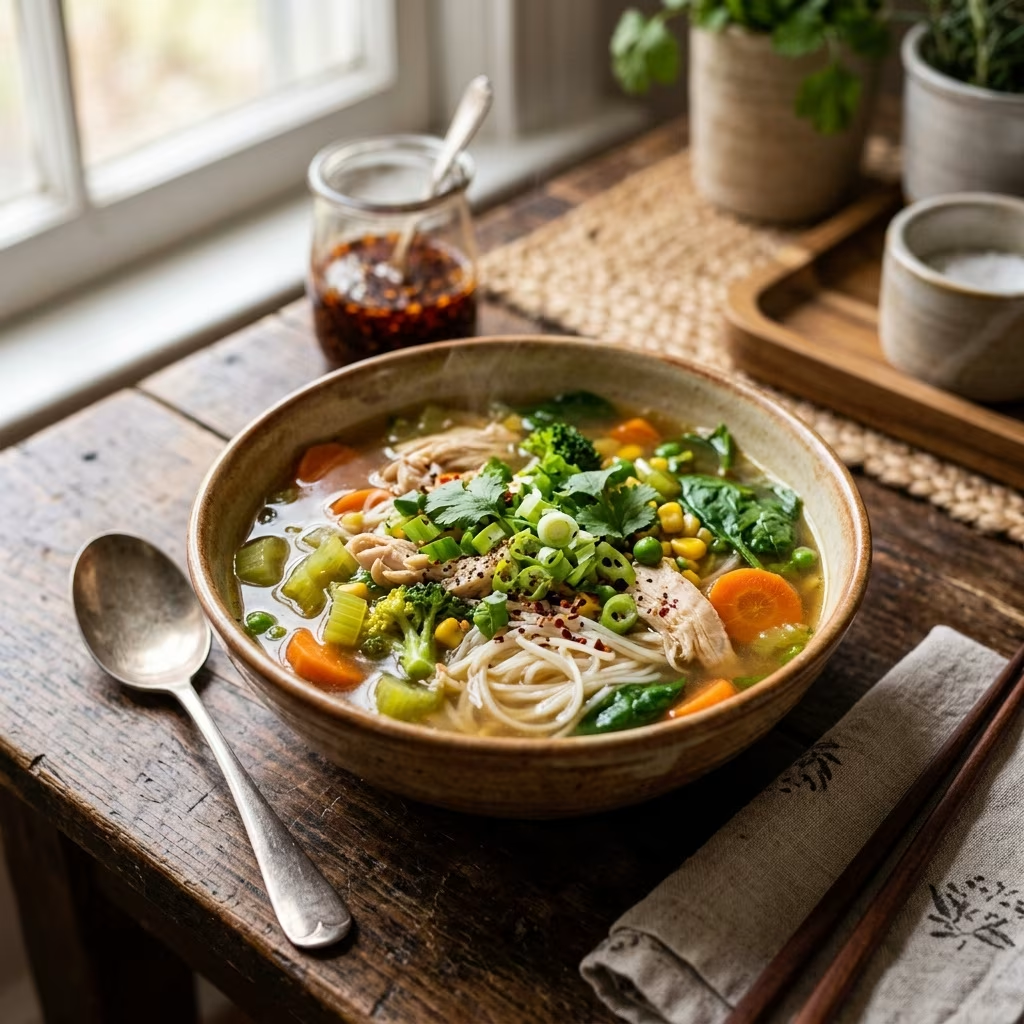
- Soups & Stews: Add to broth-based soups just before serving for extra texture and nutrition.
- Stuffed Vegetables: Mix into stuffing for peppers, tomatoes, or squash.
- Breakfast: Warm with milk, honey, and berries for a hearty morning bowl.
Popular Farro Salad Combinations
- Mediterranean Farro Salad: Toss with cucumber, sun-dried tomato, olives, feta, walnuts, capers, and a lemony vinaigrette.
- Apple & Arugula Farro Salad: Combine farro with arugula, apples, walnuts, and a tangy vinaigrette.
- Farro & Roasted Vegetable Salad: Add roasted carrots, sweet potato, bell pepper, or beets for color and flavor.
Tips for Storing and Reheating Farro
- Refrigerate: Transfer cooled farro to an airtight container and refrigerate for up to five days.
- Freeze: Spread farro on a baking sheet, freeze until firm, and then transfer to a freezer bag. Thaw as needed.
- Reheating: Warm in a skillet with a splash of broth or water to restore moisture, or enjoy cold in salads straight from the fridge.
Frequently Asked Questions (FAQ) About Farro
Is farro gluten-free?
No, farro is a form of wheat and contains gluten. It is not suitable for those with celiac disease or strict gluten intolerance.
How do I know which type of farro I have?
Check the packaging for terms like “pearled,” “semi-pearled,” or “whole.” If none is specified, assume a standard cook time and start checking for doneness after 20 minutes.
Do I need to soak farro before cooking?
Soaking is optional and mainly recommended for whole farro, as it decreases the cook time and enhances texture. Pearled and semi-pearled farro do not require soaking.
What is the texture of properly cooked farro?
Cooked farro should be tender on the inside and pleasantly chewy—a satisfying bite that holds up well in salads and soups.
How can I use leftover cooked farro?
- Sauté it with vegetables for a quick stir fry.
- Add to soups or stews for extra heartiness.
- Use in breakfast bowls with fruit and nuts.
- Toss into salads for extra chew and nutrition.
Can you cook farro in a rice cooker or Instant Pot?
Yes! For a rice cooker, use a ratio of 1 part farro to 2.5 parts water, and cook until tender. In an Instant Pot, use high pressure for 10 minutes (pearled) or 15 minutes (whole), with a natural pressure release.
Farro Nutrition Facts (per 1 cup cooked)
- Calories: ~200
- Protein: ~6 grams
- Fiber: ~5 grams
- Rich in magnesium, iron, and zinc
- Contains B vitamins and complex carbohydrates
Additional Recipe Suggestions
Simple Farro and Vegetable Bowl
- 1 cup cooked farro
- 1 roasted sweet potato, cubed
- 1 cup sautéed kale
- 1/4 cup toasted nuts (like walnuts or almonds)
- 2 tablespoons tahini sauce or vinaigrette
- Combine ingredients in a bowl and drizzle with sauce. Garnish with fresh herbs.
Creamy Parmesan Farro
- Cook farro in broth, stir in a knob of butter and a handful of grated Parmesan or Pecorino cheese.
- Add minced parsley and black pepper to serve as a creamy, risotto-style dish.
Expert Tips for Best Results
- Season the cooking water: Salt your water as you would for pasta—it infuses the grains with more flavor.
- Cool quickly for salads: Spread out cooked farro so it stops steaming and maintains a good texture for vinaigrettes.
- Experiment with flavors: Farro pairs well with citrus, fresh herbs, tangy cheese, roasted vegetables, and crunchy nuts.
- Batch cooking: Prepare extra farro for easy meal prep—it makes a fast, wholesome base for weekday lunches.
Inspiration: Farro Salad Meal Prep Ideas
- Farro & Grilled Veggies: Toss farro with grilled zucchini, bell peppers, red onion, and basil pesto.
- Greek Farro Bowl: Layer farro with cherry tomatoes, cucumber, feta, chickpeas, olives, and tzatziki.
- Harvest Farro Salad: Mix with roasted squash, Brussels sprouts, cranberries, and pumpkin seeds; dress with apple cider vinaigrette.
- Farro & Greens Power Bowl: Combine with baby spinach, avocado slices, toasted sunflower seeds, and a punchy lemon dressing.
Farro FAQs
Q: Can I use farro instead of rice in recipes?
A: Yes! Farro’s texture is ideal as a substitute for rice in pilafs, risottos, and soups. Adjust liquid and cook time as needed.
Q: Is farro suitable for vegan and vegetarian diets?
A: Absolutely. Farro is plant-based and works well in vegan and vegetarian dishes. Avoid adding meat or dairy-based sauces if you want a strictly vegan meal.
Q: What dishes is farro best in?
A: Farro is perfect for salads, bowl meals, soups, stuffings, and creamy risotto-style dishes.
Q: Why didn’t my farro become tender?
A: Whole grain farro sometimes needs longer cooking or soaking. If your farro is still firm after recommended time, simmer it longer and check for doneness every five minutes.
Q: Where can I buy farro?
A: Farro is available in most well-stocked grocery stores (often in the grain, organic, or bulk sections) and online.
Summary
Farro is a hearty whole grain with robust flavor and adaptability, ideal for busy cooks and adventurous eaters. Master the basic cooking method, experiment with flavor combinations, and enjoy farro’s nutty goodness in grain bowls, salads, hearty soups, or simply as a delicious, nutritious side dish. Once you learn how to cook farro, you’ll find endless ways to use it throughout the week.