Pasta Primavera: A Celebration of Fresh Spring & Summer Vegetables
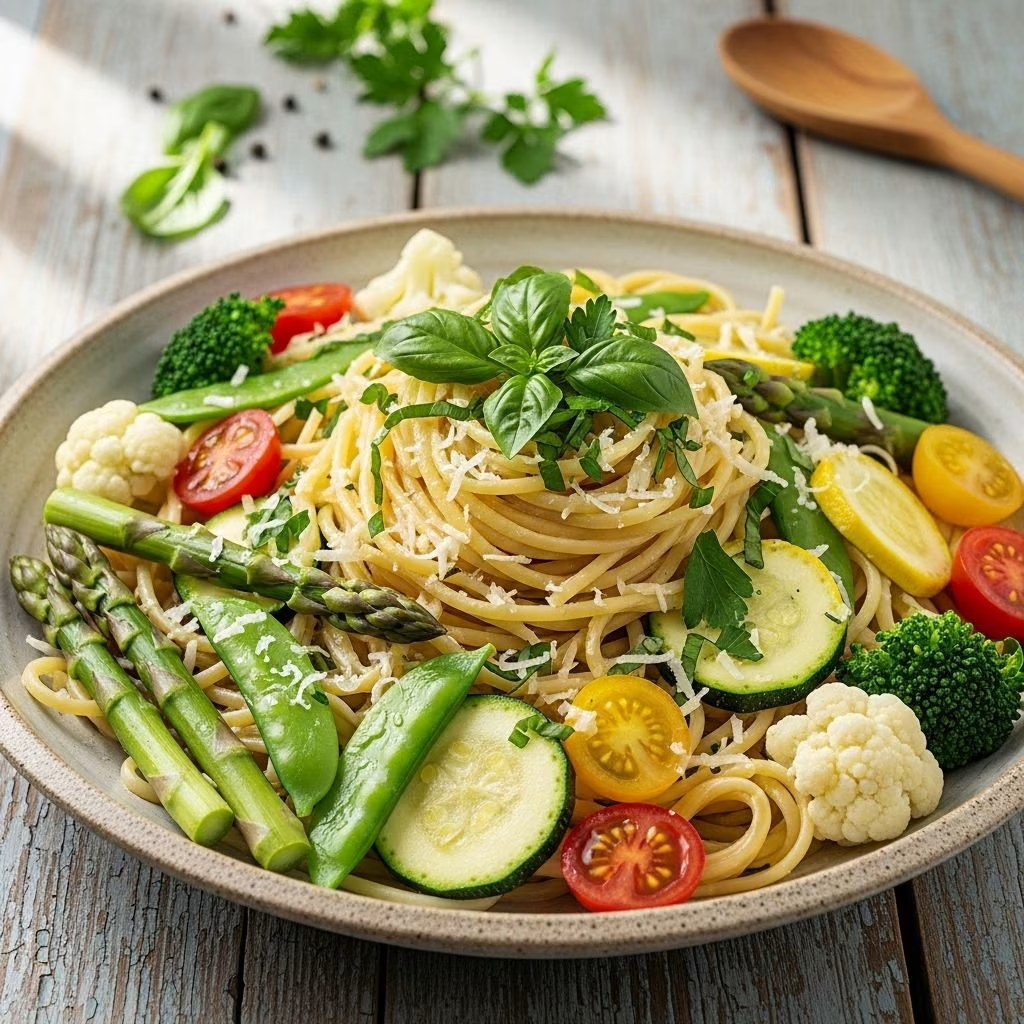
Pasta primavera is the quintessential dish for anyone looking to capture the lively flavors of spring and early summer in one pot. Brimming with tender asparagus, zucchini, squash, burst cherry tomatoes, sweet peas, and plenty of fresh herbs, this vegetarian pasta is equal parts vibrant, nourishing, and easy to prepare. If you’re returning from a trip to the farmers market and craving something light yet satisfying, pasta primavera is your answer.
Why Make Pasta Primavera?
- Seasonal and versatile: Perfect for making the most of fleeting spring and early summer vegetables.
- Quick and easy: Comes together in under 30 minutes, ideal for weeknights or casual gatherings.
- Fresh flavors: Each ingredient shines in a light, lemony sauce—no heavy cream needed!
- Colorful and nourishing: Packed with fiber, vitamins, and minerals from an array of vegetables.
What is Pasta Primavera?
Though it means “spring pasta” in Italian, pasta primavera is a dish with American roots. Its origins trace to New York’s famed Le Cirque restaurant in the 1970s, where it debuted as spaghetti tossed with an opulent butter and cream sauce, studded with seasonal veggies. Over time, the recipe has evolved. Now, pasta primavera most often refers to any pasta dish that celebrates an abundance of sautéed vegetables and fresh herbs, typically tossed with olive oil, cheese, and lemon for brightness.
Pasta Primavera Ingredients
To craft an irresistibly fresh pasta primavera, you’ll want a mix of tender, peak-season vegetables and a few flavor-forward staples.
- Pasta: Penne, rotini, or rigatoni are ideal, as their shapes catch the chopped veggies for a forkful of everything each bite.
- Garlic and red onion: Bring savory depth and an aromatic base to the dish.
- Yellow squash and zucchini: Use both for color, or just one if availability is limited.
- Asparagus: Adds satisfying crunch and a classic spring flavor.
- Cherry tomatoes: As they cook, they burst and create a faintly sweet sauce that clings to the pasta.
- Peas: Frozen peas are a great standby, or use fresh shelling peas when in season.
- Pecorino or Parmesan cheese: Adds a hint of creaminess and umami; parmesan is a fine substitute.
- Fresh lemon juice: Lifts up all the flavors and balances the richness of the cheese.
- Red pepper flakes: For a subtle kick (adjust to taste).
- Fresh basil and tarragon: Deliver a fragrant, herbaceous finish. Tarragon is optional but highly recommended if available.
- Olive oil, salt, and pepper: Essential for cooking and seasoning throughout.
Ingredient Variations
- Try other veggies like bell peppers, broccoli, snap peas, or carrots according to what’s fresh and in season.
- For a dairy-free version, skip the cheese or substitute with a plant-based parmesan.
- If you love extra protein, toss in chickpeas or white beans for a heartier dish.
How to Make Pasta Primavera
This dish is designed for simplicity, allowing the vegetables’ colors and flavors to take center stage. Here’s a step-by-step guide:
- Prepare the Pasta:
Cook the pasta in a large pot of well-salted boiling water. Boil until just al dente—it will finish cooking briefly with the veggies. As soon as it’s done, drain and toss with a splash of olive oil to prevent sticking.
- Sauté the Vegetables:
Heat a generous glug of olive oil in a large skillet over medium. Add the garlic and red onion; cook until fragrant. Add the zucchini, yellow squash, asparagus, and cherry tomatoes. Sauté a few minutes until the vegetables are slightly tender, yet still vibrantly colored.
- Combine:
Add the cooked pasta into the skillet with veggies. Sprinkle in the peas, grated cheese, and lemon juice. Toss everything gently to melt the cheese and coat the pasta with the vegetable juices, forming a light sauce.
- Add Finishing Touches:
Remove from heat. Stir in torn fresh basil and tarragon. Taste and season with salt, pepper, and a pinch of red pepper flakes as needed.
- Serve:
Plate with extra basil, more cheese, and a final squeeze of lemon juice for extra brightness.
Cooking Tips for Perfect Pasta Primavera
- Don’t overcook the pasta: Al dente texture is key since the noodles will cook slightly more with the veggies.
- Sauté veggies just until tender: The goal is crisp-tender, not soft and mushy—this preserves their color and texture.
- Reserve a splash of pasta water: If your sauce feels dry, stir in a little of the starchy pasta water to help everything come together.
- Adjust herbs and lemon to taste: More or less according to your preference—freshness is the star.
Serving Suggestions for Pasta Primavera
This versatile pasta makes a fantastic standalone meal, packed with fiber and plant-based nutrition. But if you’d like to build a more complete table, it also pairs beautifully as part of a light dinner spread. Consider these classic accompaniments:
- Garlic Bread: Buttery, crisp slices to mop up any stray sauce left on your plate.
- Green Salad: A simple salad with fresh greens, dressed in a lemony vinaigrette.
- Italian Chopped Salad: For heartier sides, combine lettuces, olives, artichokes, and chickpeas in a zesty dressing.
- Arugula Salad with Lemon: The peppery greens and tart vinaigrette echo the freshness in the pasta.
- Zucchini Salad or Bright Spring Salad: Seasonal vegetables, herbs, and a punchy vinaigrette make for a refreshing pairing.
Make-Ahead & Storage Tips
- Make-Ahead: You can prep all vegetables in advance. Store chopped veggies covered in the refrigerator for up to a day before sautéing.
- Leftovers: Store any leftover pasta primavera in an airtight container in the fridge for 2-3 days. The flavors often deepen overnight.
- Reheating: Gently warm leftovers on the stove or in the microwave, stirring in a splash of water or olive oil to refresh the sauce.
Table: Key Vegetables for Pasta Primavera
| Vegetable | Best Season | Preparation Tip |
|---|---|---|
| Asparagus | Spring | Trim woody ends; cut into 1-inch pieces |
| Zucchini | Summer | Slice into half-moons or quarters |
| Yellow Squash | Summer | Slice into half-moons |
| Cherry Tomatoes | Late Spring – Summer | Leave whole or halve if large |
| Peas | Spring | Use fresh or thawed frozen peas |
Frequently Asked Questions (FAQs)
What pasta shapes work best for primavera?
Penne, rotini, rigatoni, or spaghetti all work well. Short shapes mix easily with chopped veggies, while long noodles offer a classic look.
Can I make pasta primavera vegan?
Absolutely! Use a plant-based parmesan or skip the cheese and finish with extra herbs and a generous splash of olive oil and lemon.
What other veggies can I add?
Anything fresh at the market—think bell peppers, snap peas, carrots, artichoke hearts, or leafy greens like spinach or kale.
Can pasta primavera be served cold?
Yes. Chill leftovers for an easy pasta salad—perfect for picnics or quick lunches.
Is pasta primavera gluten-free?
It can be if you use your favorite gluten-free pasta variety. All the other ingredients are naturally gluten-free.
Tips for Cooking with the Seasons
Pasta primavera offers a template for improvisation. Use what’s freshest at your market or in your garden. Swap in or out different vegetables as the seasons change to keep the dish feeling fresh year-round. In early spring, focus on asparagus, peas, and young greens. In early summer, add zucchini, squash, and colorful tomatoes. For autumn, try roasted pumpkin or delicata squash in place of summer vegetables.
Why Pasta Primavera is a Modern Classic
Since its debut in the 1970s, pasta primavera has embodied easy American-Italian fusion comfort. Its enduring popularity stems from:
- Dynamic adaptability: Flexible, depending on season and preference.
- Burst of color and flavor: Each bite spotlights one or more vegetables in peak condition.
- Ease of preparation: Minimal steps mean less time in the kitchen and more time enjoying the meal.
- Nutritious and satisfying: Fulfilling without being heavy, it’s perfect for warm weather appetites.
Pasta Primavera Recipe (Summary)
- Prep time: 10 minutes
- Cook time: 20 minutes
- Serves: 4
Ingredients
- 12 oz penne or pasta of choice
- 2 tbsp olive oil, plus more to taste
- 2 garlic cloves, thinly sliced
- 1/2 red onion, chopped
- 1 medium zucchini, chopped
- 1 small yellow squash, chopped
- 1 bunch asparagus, cut in 1-inch pieces
- 1 pint cherry tomatoes
- 1 cup peas (fresh or frozen)
- 1/2 cup grated pecorino or parmesan cheese
- Juice of 1 lemon
- 1/4 cup chopped fresh basil
- 2 tbsp chopped tarragon (optional)
- Red pepper flakes, salt, and black pepper to taste
Instructions
- Bring a large pot of salted water to a boil. Cook pasta until al dente. Drain and toss with a bit of olive oil.
- In a large skillet, heat olive oil over medium. Add garlic and onion; sauté 1-2 minutes until fragrant.
- Add zucchini, yellow squash, asparagus, and cherry tomatoes. Sauté 4-5 minutes, stirring, just until veggies are tender and tomatoes begin to burst.
- Add cooked pasta, peas, cheese, and lemon juice. Toss gently to combine until cheese is melty and sauce lightly coats the pasta.
- Remove from heat. Stir in basil and tarragon. Season with salt, pepper, and red pepper flakes.
- Serve garnished with extra cheese, herbs, and lemon as desired.
More Light & Fresh Pasta Inspirations
Can’t get enough veggie-packed pasta? Try these next!
- Lemon Pasta: Pasta with a creamy lemon sauce, perfect for spring.
- Roasted Vegetable Pasta: Sheet-pan roasted veggies tossed with pasta and a bright vinaigrette.
- Cherry Tomato Bucatini: Saucy summer tomatoes with bucatini and basil.
- Artichoke Pasta: Quick and zesty with lemon butter sauce and your favorite seasonal vegetables.
Whether you’re cooking for a lively dinner party or a quiet weekday meal, pasta primavera brings a plateful of color, nutrition, and joy to your table. Savor the season—one veggie-packed bite at a time.