Roasted Kabocha Squash: A Step-by-Step Guide
If you’re looking for a warming and delicious autumn side dish, roasted kabocha squash delivers a rich, sweet, nutty flavor and a creamy texture. Known as Japanese pumpkin, kabocha squash is highly versatile—it can be roasted, simmered, pureed, and enjoyed both in savory and sweet dishes. This guide will walk you through how to easily roast kabocha squash, introduce flavor pairings, provide tips for the best results, and answer popular questions about preparation and serving.
What is Kabocha Squash?
Kabocha squash is an East Asian winter squash, commonly called Japanese pumpkin. It features a bumpy, sometimes green skin with dense, bright orange flesh inside. Unlike pumpkin or butternut squash, kabocha has an earthy sweetness and a creamy, smooth texture when roasted, making it beloved in both Japanese and Korean cuisine.
- Origin: Japan, also popular in Korea.
- Flavor: Sweet, nutty, and slightly earthy.
- Texture: Smooth, creamy, and less moist than butternut squash.
- Common Names: Japanese pumpkin, Danhobak (Korean).
Why Roast Kabocha Squash?
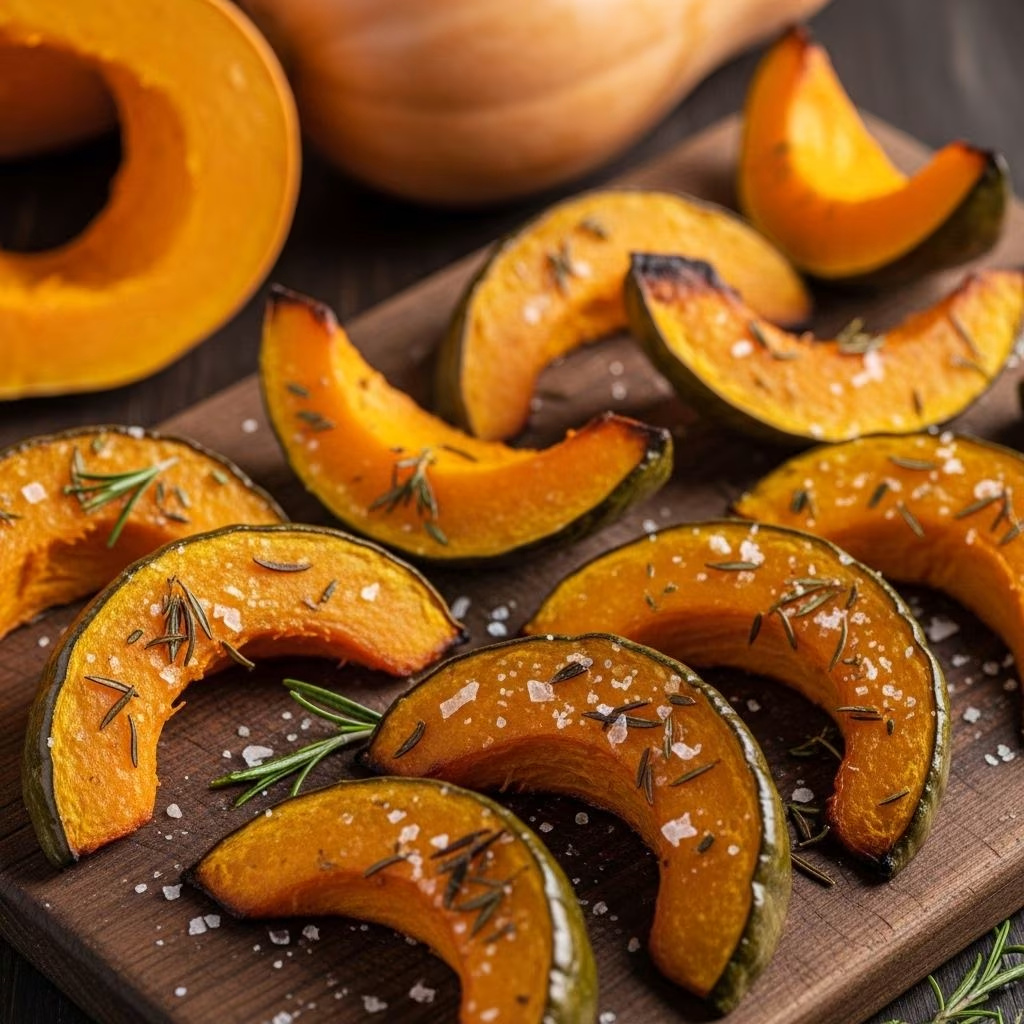
Roasting brings out kabocha’s natural sweetness and creates irresistible caramelized edges, while making the flesh soft and creamy. It’s exceptionally easy and a great way to enjoy squash without complicated techniques or peeling.
- No peeling required: The skin is entirely edible and softens during roasting.
- Minimal prep: A quick pre-bake makes slicing safe and easy.
- Vibrant flavor: Roasting intensifies the nutty, sweet notes.
How to Roast Kabocha Squash
Roasting kabocha squash requires only a few simple ingredients and steps. Follow this process for the perfect creamy, caramelized wedges every time.
Ingredients
- 1 medium kabocha squash
- 2 tablespoons extra-virgin olive oil
- Sea salt and freshly ground black pepper
- Sesame Ginger Dressing (see below for recipe)
- ¼ cup chopped scallions
- Sesame seeds
- Microgreens (optional)
Step-by-Step Instructions
- Preheat the Oven: Set your oven to 425°F (220°C). Line a large baking sheet with parchment paper for easy clean-up.
- Prep the Squash: Place the whole unpeeled squash on the baking sheet and bake for 10 minutes. This softens the skin and makes cutting safer.
- Cut the Squash: Carefully remove from the oven and let cool briefly. Use a sharp knife to slice the squash in half lengthwise. Scoop out and discard the seeds (save them for roasting—see ‘Tip’ below!).
- Slice into Wedges: Cut each half into 1½-inch thick wedges. For uniform cooking, try to make the wedges similar in size.
- Season: Spread the wedges on the baking sheet. Drizzle with olive oil, and sprinkle with sea salt and ground black pepper. Toss to coat evenly.
- Roast: Place in the oven and roast for about 25–35 minutes, flipping halfway, until the squash is fork-tender and the edges are golden and caramelized.
- Finish & Serve: Arrange on a serving platter. Drizzle with sesame ginger dressing, sprinkle with scallions, sesame seeds, and microgreens, if using. Serve warm.
Sesame Ginger Dressing
- 1½ tablespoons toasted sesame oil
- 2 tablespoons rice vinegar
- 1 tablespoon soy sauce or tamari
- 1 tablespoon maple syrup
- 1 teaspoon grated fresh ginger
- 1 small garlic clove, minced
Whisk all ingredients together in a small bowl. Drizzle generously over roasted squash or use as a dipping sauce.
Chef’s Tips for the Perfect Roasted Kabocha
- Don’t peel the squash: The skin roasts tender and is completely edible, adding texture and fiber.
- Pre-bake for easy cutting: A short pre-bake softens the skin and flesh, making it less risky to slice.
- Generous oil: Use enough oil to coat each wedge to keep the kabocha moist—about 2 tablespoons for one medium squash.
- Save the seeds: Rinse, dry, and toss with olive oil and sea salt. Roast at 300°F for 35–45 minutes until golden and crunchy for a snack or salad topper.
- Don’t overcrowd the pan: Arrange wedges in a single layer so they roast evenly and caramelize instead of steam.
Kabocha Squash Flavor Pairings & Serving Ideas
Roasted kabocha’s sweet, nutty flavor shines in simple side dishes, but it’s also an excellent base for creative seasonings and composites.
- Drizzle with sesame ginger dressing, then top with scallions and toasted sesame seeds.
- Serve with microgreens or cilantro for fresh contrast.
- Pair with roasted tofu or grilled chicken for protein.
- Scatter pomegranate seeds or roasted pumpkin seeds for crunch.
- Complement with sriracha mayo or spicy yogurt sauce for heat.
- Mix leftovers into grain bowls, autumn salads, or soups.
How Kabocha Squash is Used Around the World
While roasting is classic, kabocha squash features in many cultural dishes:
- Japan: Used for tempura, in stews (Kabocha no Nimono—simmered in dashi broth), and as a sweet filling for desserts.
- Korea: Cooked into porridge (hobakjuk), added to pumpkin salads, or mashed into side dishes.
- Western cuisine: Roasted, added to risotto, curries, soup, or blended into pasta sauces.
Nutrition & Health Benefits of Kabocha Squash
| Nutrient | Amount (per 100g) | Benefit |
|---|---|---|
| Calories | 40 | Low calorie and filling |
| Vitamin A | >200% Daily Value | Supports vision and immunity |
| Vitamin C | ~20% Daily Value | Antioxidant, immune support |
| Fiber | 3g | Gut health and satiety |
| Potassium | ~350mg | Regulates blood pressure |
Kabocha is naturally gluten-free, vegan, and rich in antioxidants. Its dense texture offers the same satiety as potatoes—without the calories.
Frequently Asked Questions About Roasted Kabocha Squash
Q: Do you need to peel kabocha squash before roasting?
A: No. The skin is edible and softens when roasted, adding texture and nutrients.
Q: What’s the best way to cut kabocha squash safely?
A: Pre-bake the whole squash for 10 minutes at 425°F, let cool briefly, then slice with a sharp chef’s knife. This reduces risk and makes cutting easier.
Q: Can I eat kabocha squash seeds?
A: Yes! Rinse them, toss with olive oil and salt, then roast until crisp. They make a nutritious snack or crunchy topping.
Q: Is kabocha squash safe for people with gluten sensitivities?
A: Kabocha squash is naturally gluten-free and suitable for gluten-sensitive or celiac individuals.
Q: What are some seasoning variations for roasted kabocha?
A: Try curry powder, smoked paprika, chili flakes, or herbes de Provence for bold flavors. Sweet variants: cinnamon, maple syrup, and nutmeg.
Q: Which dishes can I use roasted kabocha leftovers in?
A: Leftovers are perfect in salads, grain bowls, soup blends, veggie tacos, pasta, and as a topping for avocado toast.
Q: How long does roasted kabocha keep in the fridge?
A: Store cooled leftovers in a sealed container for up to 5 days. Reheat in a hot oven or enjoy cold in salads.
Tips for Storing & Reheating Roasted Kabocha Squash
- Refrigerate leftovers promptly in an airtight container.
- Use within 5 days for best flavor and texture.
- Reheat: Warm in a 350°F oven for 10–15 minutes or microwave briefly. Avoid overcooking to maintain creaminess.
Creative Ways to Use Roasted Kabocha Squash
- Add cubes to autumn salads with spinach, goat cheese, and pecans.
- Blend into creamy soups with ginger and coconut milk.
- Puree for a unique pasta sauce or as a pizza topping base.
- Layer into grain bowls with quinoa, roasted chickpeas, and tahini drizzle.
- Use as a filling for tacos or wraps, paired with black beans and avocado.
Roasted Kabocha Squash vs. Other Winter Squashes
| Squash Type | Texture | Flavor | Skin Edibility |
|---|---|---|---|
| Kabocha | Creamy & dense, less moist | Sweet, nutty, earthy | Fully edible |
| Butternut | Smooth, moist | Mildly sweet | Not recommended |
| Acorn | Fluffy, slightly dry | Mildly sweet, grassy | Edible, but tougher |
| Delicata | Soft, tender | Sweet, buttery | Edible |
Kabocha stands out for its dense texture and superior caramelization in roasting recipes.
FAQs: Quick Answers for Home Cooks
How do I know if kabocha squash is ripe?
Look for firm squash that feels heavy for its size, with skin that’s green or orange (both are edible). Avoid soft spots.
Why drizzle with sesame ginger dressing?
This nutty, tangy sauce adds depth and contrast to the sweet squash, balancing flavors and enhancing presentation.
Are there vegan or gluten-free variations?
This recipe is naturally vegan and gluten-free! For nut-free, simply omit sesame seeds.
Final Thoughts: Enjoying Roasted Kabocha Squash
Roasted kabocha squash is a fuss-free, highly flavorful autumn side dish. Its creamy interior and edible skin make preparation and clean-up effortless, while the sesame ginger dressing provides subtle heat and richness. Whether served straight from the oven, blended into soups, or added to salads, kabocha squash brings a taste of Japanese comfort to your fall table. Save those seeds, experiment with toppings, and enjoy a seasonal vegetable that’s as delicious as it is nutritious.
References
- https://amievalpone.com/whole-roasted-kabocha-squash/
- https://www.loveandlemons.com/roasted-kabocha-squash/
- https://www.loveandlemons.com/roasted-butternut-squash/
- https://normansfarmmarket.com/roasted-kabocha-squash/
- https://recipeswap.org/swap/threads/rec-easy-roasted-kabocha-squash-and-what-to-do-with-leftover-pot-roast.74/