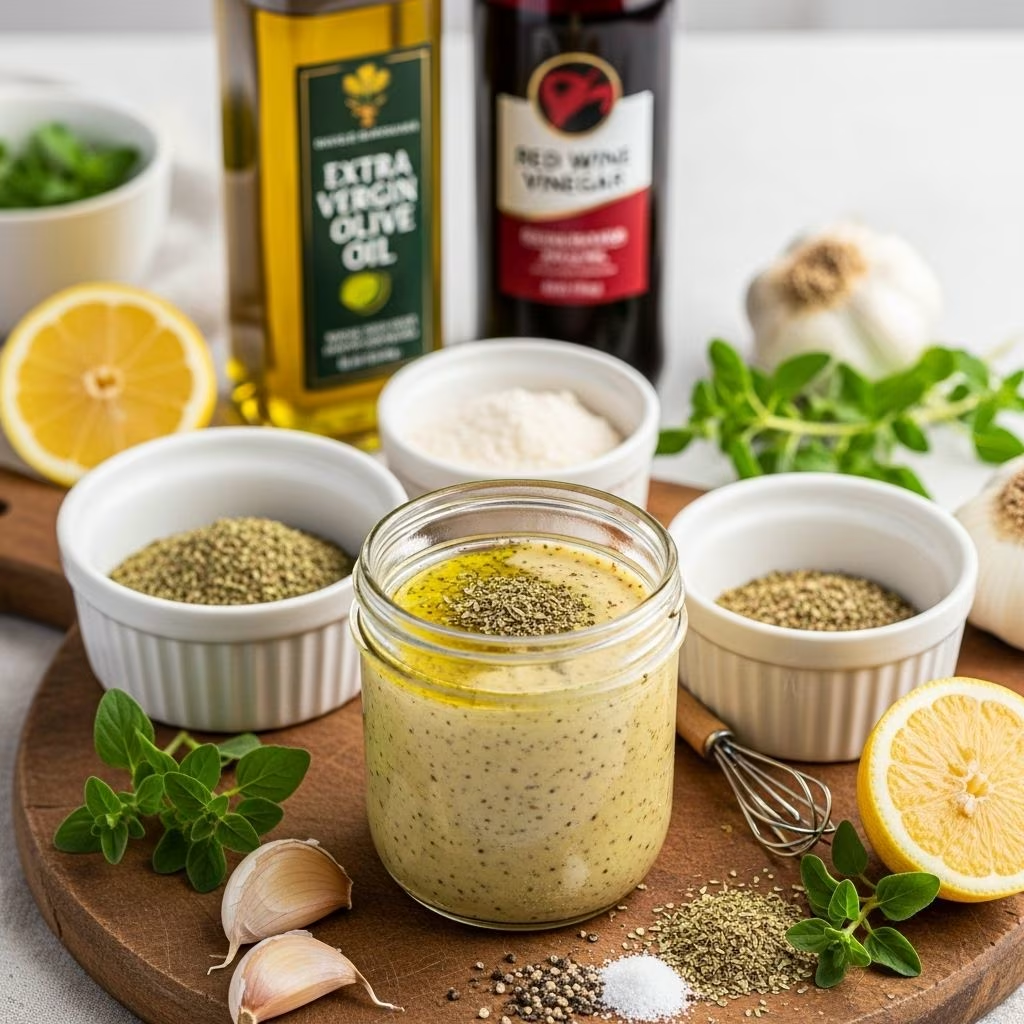
Homemade Greek Salad Dressing Guide
Fresh, tangy, and loaded with robust Mediterranean flavors, Greek salad dressing is more than just a topping for salad—it’s a versatile kitchen staple. This guide will show you how to make a traditional Greek vinaigrette from scratch, detail the key ingredients, offer helpful preparation tips, and provide practical ways to use and store your dressing, ensuring you can enjoy this zesty classic whenever you crave a taste of Greece.
What Makes Greek Salad Dressing Unique?
Authentic Greek salad dressing is celebrated for its vivid, tangy profile, deeply rooted in Mediterranean culinary tradition. Typically based on a blend of extra-virgin olive oil, red wine vinegar, lemon juice, garlic, and oregano, it strikes a perfect balance between acidity and herbal freshness. Unlike creamy dressings, the Greek vinaigrette is light, aromatic, and emphasizes the quality of simple, high-impact ingredients.
- Bold flavor: Thanks to garlic, vinegar, lemon, and oregano.
- Simple ingredients: Pantry staples make it easy and accessible.
- Versatility: Delicious on salads, cooked vegetables, grilled meats, and more.
Key Ingredients in Greek Salad Dressing
The secret to an outstanding Greek vinaigrette is the thoughtful balance and quality of each component. Here are the core ingredients you’ll need:
| Ingredient | Function | Tips |
|---|---|---|
| Extra-Virgin Olive Oil | Provides richness, body, and authentic Mediterranean character | Use a top-quality oil, preferably Greek for the best flavor |
| Red Wine Vinegar | Adds sharp, fruity acidity that balances the oil | Fresh, good-quality vinegar is key |
| Lemon Juice | Brightens the dressing and adds a citrus note | Squeeze fresh lemons for the best result |
| Garlic | Provides a zesty, pungent element | Minced fresh garlic is best |
| Dried Oregano | Signature Greek herb, delivers robust aroma | Crush gently between fingers before adding |
| Dijon Mustard | Helps emulsify the dressing, adds subtle tang | Adds body and keeps dressing blended |
| Salt & Black Pepper | Enhances and balances all flavors | Adjust to taste, use sea salt if possible |
Classic Greek Salad Dressing Recipe
Follow this easy, step-by-step recipe to create a delicious homemade Greek dressing:
Ingredients
- 1/2 cup extra-virgin olive oil
- 1/3 cup red wine vinegar
- 1 lemon, juiced
- 2 cloves garlic, minced
- 1 teaspoon Dijon mustard
- 1/2 teaspoon dried oregano, plus more for sprinkling
- 1/4 teaspoon kosher or sea salt, more to taste
- Freshly ground black pepper to taste
Instructions
- Combine base ingredients: In a medium bowl, whisk together the red wine vinegar, lemon juice, Dijon mustard, garlic, oregano, salt, and black pepper until well blended.
- Emulsify: Slowly drizzle in the olive oil while whisking continuously, or add everything to a glass jar, seal tightly, and shake vigorously until the dressing thickens and emulsifies.
- Taste and adjust: Taste the dressing and season with extra salt, pepper, or a bit more oregano if desired. For a milder flavor, add an extra splash of olive oil.
- Store: Pour the dressing into an airtight jar or bottle. Refrigerate for up to 1 week, allowing flavors to meld and develop.
Pro Tip:
Let the dressing sit at room temperature for 5–10 minutes before serving, and stir or shake it to recombine. Olive oil may solidify in the fridge; a few minutes on the counter will restore its consistency.
How to Use Greek Salad Dressing
This dressing isn’t just for salads! Its bold, herby profile makes it incredibly versatile in the kitchen. Here are some favorite ways to use Greek vinaigrette:
- Classic Greek Salad: Toss with chopped cucumber, tomatoes, red onion, Kalamata olives, green bell pepper, feta cheese, and a sprinkle of fresh mint or extra oregano.
- Vegetable Marinade: Use as a marinade for vegetables before grilling or roasting for added depth of flavor.
- Grain Bowls: Drizzle over cooked quinoa or farro with roasted veggies and olives.
- Protein Marinade: Marinate chicken, shrimp, or tofu for 30 minutes before cooking.
- Sandwiches & Wraps: Add a spoonful to pita sandwiches, wraps, or even as a ‘secret sauce’ for burgers.
- Side Dips: Serve with crusty bread, olives, or as a dip for raw veggies.
Expert Tips for Perfect Greek Salad Dressing
- Choose high-quality olive oil: The flavor of the oil really shines through, so use the best you can find, preferably cold-pressed Greek extra-virgin.
- Always use fresh garlic and lemon juice: These two ingredients deliver the zest and brightness that define this dressing.
- Adjust seasonings to taste: Classic Greek dressing is punchy, but you can make it as bold or mild as you prefer by adjusting the vinegar, lemon, or salt.
- Shake, shake, shake: If the oil separates after refrigeration, simply shake well before serving. A tightly sealed glass jar works best for this.
- Double the recipe: This dressing keeps well in the fridge for up to a week, so making extra can save prep time later in the week.
How to Store Homemade Greek Salad Dressing
Storing your Greek dressing correctly is crucial for maximum flavor and food safety:
- Use airtight containers: Glass jars with tight-fitting lids are ideal; they prevent odors from affecting your dressing and make for easy shaking.
- Refrigerate immediately: Place the dressing in the fridge after making. It will last for up to 7 days.
- Give it time: Homemade vinaigrette gets even better after a few hours as the flavors meld together.
- Bring to room temp: Olive oil may cloud or solidify in the refrigerator. Let the dressing sit out for a few minutes and shake or stir before use.
Health Benefits of Greek Salad Dressing
Besides its mouthwatering flavor, Greek vinaigrette is a natural and wholesome choice:
- Healthy fats: Olive oil provides heart-healthy monounsaturated fats.
- No added sugars or preservatives: Unlike many bottled dressings, there are no artificial additives.
- Rich in antioxidants: Ingredients like olive oil, lemon juice, and oregano all contribute beneficial antioxidants to your diet.
Common Ingredient Variations
Want to add a personal touch? Here are some popular tweaks and optional add-ins:
- Honey or Maple Syrup: Add 1/2 teaspoon for a touch of sweetness and balance (optional).
- Fresh Herbs: Add chopped fresh dill or parsley with the oregano for extra flavor.
- Capers: Stir in a teaspoon of chopped capers for Mediterranean brininess.
- Shallot: Replace some or all of the garlic with minced shallot for a milder, more delicate flavor.
Serving Suggestions for Greek Salad Dressing
The possibilities go far beyond a traditional Greek salad. Here are inspiring ways to use your homemade vinaigrette:
- Greek Pasta Salad: Mix with cooked pasta, tomatoes, cucumber, feta, and olives for a refreshing summer meal.
- Roasted Potatoes: Drizzle over roasted potatoes or other root vegetables for an herby finishing touch.
- Grain Salads: Stir into bulgur, barley, or couscous with chopped veggies and fresh herbs.
- Chickpea Salads: Combine with chickpeas, chopped cucumbers, tomatoes, and parsley for a protein-packed lunch.
Make-Ahead and Meal Prep Tips
- Batch Prep: Prepare a double batch at the beginning of the week so you always have a flavorful dressing on hand.
- Store in separate containers: If meal-prepping salads, keep the dressing apart until ready to serve to avoid soggy greens.
- Add extras at serving: For the freshest taste and best presentation, add the crumbled cheese, fresh herbs, and final drizzle of dressing just before eating.
Frequently Asked Questions (FAQs)
Q: Can I make Greek salad dressing without mustard?
A: Yes, you can omit Dijon mustard if you prefer. Mustard helps emulsify and stabilize the dressing, but leaving it out won’t ruin the flavor—simply whisk extra vigorously to combine.
Q: How long does homemade Greek salad dressing keep in the fridge?
A: Properly stored in a sealed jar, it will stay fresh for up to 1 week. If the oil solidifies, allow it to sit at room temperature and shake before using.
Q: Is Greek salad dressing gluten-free?
A: Yes, the classic recipe is naturally gluten-free. Always check labels if you use commercial mustard or other flavored vinegars.
Q: Can I freeze Greek salad dressing?
A: While the dressing can technically be frozen, the texture may change. For best flavor and consistency, refrigerate and use within a week.
Q: What if I don’t have red wine vinegar?
A: Substitute with white wine vinegar or apple cider vinegar for a slightly different but still delicious taste.
Simple Greek Salad Recipe—Serving Inspiration
Pair your homemade Greek salad dressing with this classic Greek salad for a colorful, nutrient-packed side or main dish:
- 1 English cucumber, sliced 1/4-inch thick and halved lengthwise
- 1 green bell pepper, chopped into 1-inch chunks
- 2 cups cherry tomatoes, halved
- 5 ounces feta cheese, cubed
- 1/3 cup thinly sliced red onion
- 1/3 cup pitted Kalamata olives
- Fresh mint leaves and extra oregano for garnish
- Spread cucumber, pepper, tomatoes, feta, onion, and olives on a platter.
- Drizzle generously with Greek salad dressing.
- Sprinkle with oregano and garnish with mint. Serve immediately.
Conclusion
Homemade Greek salad dressing brings the flavors of the Mediterranean right to your kitchen. Made from simple pantry ingredients, it’s healthy, versatile, and far more flavorful than any bottled option. Try this recipe today and enjoy its vibrant taste in salads, marinades, and more all week long!