Sautéed Broccoli Rabe: A Simple, Elegant Vegetable Side
Broccoli rabe, or rapini, is a distinctive green vegetable cherished for its bold, bitter, and peppery flavor. Despite its name, broccoli rabe is botanically closer to turnips than to broccoli, giving it unique characteristics that distinguish it from other leafy greens. When properly prepared, this vibrant vegetable transforms into a tender, nutrient-packed side dish that brightens any dinner table. In this article, you’ll learn how to create a classic sautéed broccoli rabe dish using the optimal methods for both taste and texture.
Getting to Know Broccoli Rabe
Before diving into the cooking process, it’s helpful to understand what makes broccoli rabe special and how it differs from other greens:
- Family Connections: Unlike standard broccoli, broccoli rabe (Brassica rapa subsp. ruvo) is closely related to turnips, which accounts for its characteristic bitterness.
- Flavor Profile: Expect a pungent, peppery flavor with notable bitterness that mellows when cooked.
- Appearance: Its edible stems, leafy greens, and small, broccoli-like florets all become delicious when properly prepared.
- Nutrition: Broccoli rabe is a great source of vitamins A, C, K, and folate, as well as minerals like iron and calcium.
Why This Sautéed Broccoli Rabe Recipe Works
This recipe focuses on balancing the vegetable’s natural bitterness with bright flavors and proper cooking techniques. Blanching softens the tough stems and tempers the sharpness, while sautéing with olive oil, garlic, and red pepper flakes infuses depth and subtle heat. A final squeeze of lemon adds a lifting acidity, resulting in a side dish that’s simple, elegant, and endlessly versatile.
How to Cook Broccoli Rabe (Rapini)
Unlike many other vegetables that benefit from retaining a slight crispness, broccoli rabe should be cooked until fully tender. This method ensures the stems aren’t chewy and the bitterness mellows.
Step-By-Step Instructions
- Blanch the Broccoli Rabe:
- Bring a large pot of salted water to a boil.
- Trim about 1/2 inch from the stems of the broccoli rabe and discard any tough or woody pieces.
- Add the broccoli rabe to the boiling water and cook for about 2 minutes, until the greens are vibrant and starting to soften.
- Immediately transfer the greens to a large bowl of ice water to halt the cooking process, preserving color and texture.
- Drain well and gently pat dry with a clean towel or paper towels.
- Sauté the Broccoli Rabe:
- Heat olive oil in a large skillet over medium heat.
- Add the thinly sliced garlic and cook for 30 seconds, just until fragrant (take care not to brown the garlic).
- Sprinkle in the red pepper flakes for subtle heat.
- Add the blanched, dried broccoli rabe and sauté, tossing often, for 3 to 5 minutes, or until the stems are completely tender.
- Season with sea salt and freshly ground black pepper to taste.
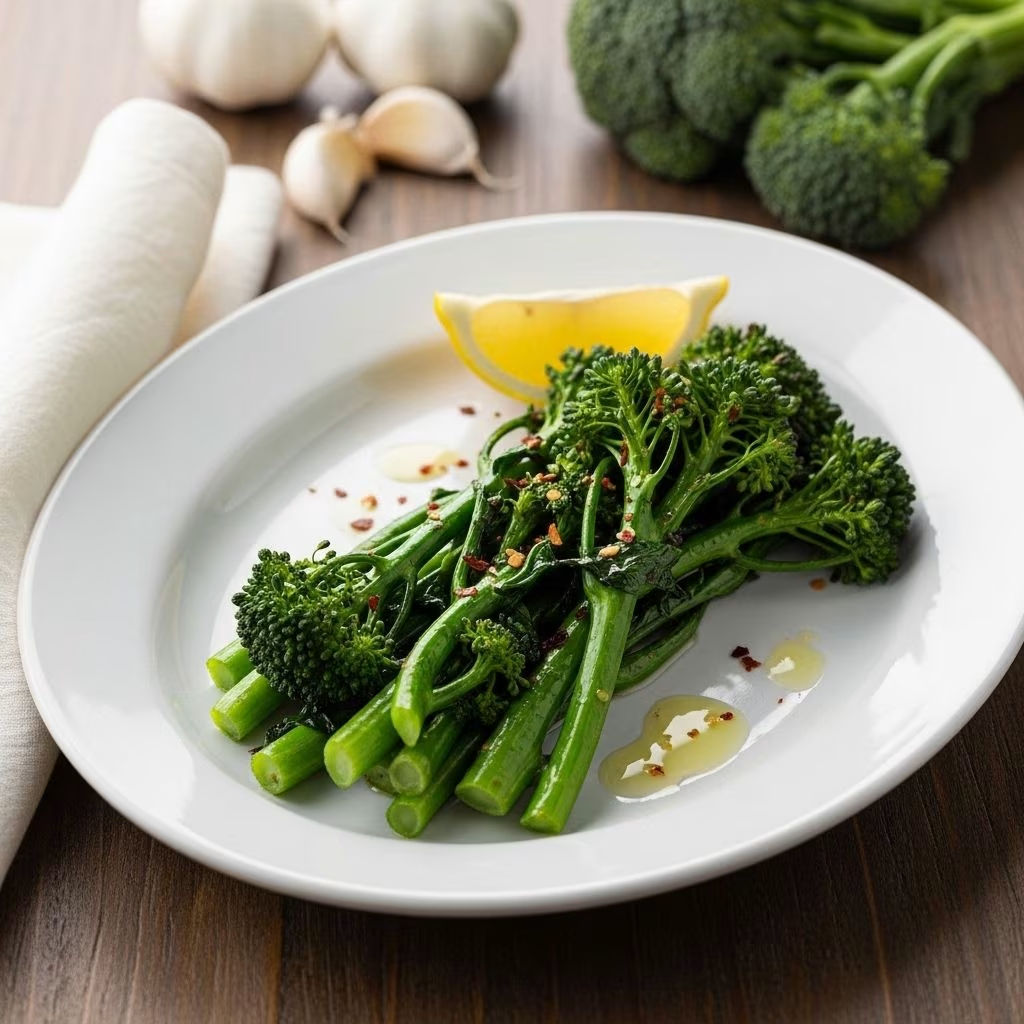
- Transfer to a serving dish and finish with a generous squeeze of fresh lemon juice and an extra drizzle of olive oil if desired.
Why Blanching Is Essential
Many home cooks skip blanching when making sautéed greens, but for broccoli rabe, it’s a key step. Blanching:
- Softens tough stems for a pleasantly tender bite.
- Mellows and balances out pronounced bitter flavors.
- Speeds up the final sauté, preventing overcooked, mushy greens.
- Keeps the color bright and vibrant, making the dish visually appealing.
Sautéed Broccoli Rabe: Ingredient List
| Ingredient | Notes |
|---|---|
| 1 bunch broccoli rabe | Choose fresh, deep-green bunches with crisp stems |
| 1 tbsp extra-virgin olive oil | Plus more for finishing drizzle |
| 2 garlic cloves, sliced | Thin slices prevent burning |
| 1/4 tsp red pepper flakes | Adjust to desired spice level |
| Sea salt & black pepper | To taste, for seasoning |
| Lemon wedge | For bright, fresh finishing flavor |
Full Recipe: Sautéed Broccoli Rabe
- Trim 1/2 inch from the ends of your broccoli rabe and discard any tough or bruised parts. Wash and shake well to dry.
- Bring a large pot of salted water to a rapid boil. Submerge the broccoli rabe and blanch for 2 minutes. Immediately transfer to a large bowl of ice water; allow to cool for about 15 seconds, then remove, drain, and pat dry.
- Heat the olive oil in a large skillet over medium heat. Stir in the sliced garlic and cook for about 30 seconds, until fragrant but not browned. Add the red pepper flakes and swirl to combine.
- Add the blanched broccoli rabe to the skillet. Toss often, sautéing until the stems and leaves are completely tender (about 3–5 minutes). Drain off any excess liquid if necessary.
- Transfer to a plate or serving bowl. Season with sea salt and black pepper, squeeze over the lemon juice, and drizzle with a final touch of olive oil if desired.
Tips and Tricks for Best Results
- Choose fresh broccoli rabe: Look for crisp stems and leaves without yellowing or wilting. Freshness reduces bitterness.
- Salt and ice the water: Well-salted boiling water seasons the greens and ice water preserves their color and bite.
- Sauté just until done: Keep the stems and leaves fully tender but avoid overcooking to mushiness.
- Brighten with lemon: A squeeze of lemon juice cuts the richness and brings the flavors together beautifully.
- Serve hot or warm: The dish is best right after sautéing but can be gently reheated if prepared in advance.
How to Serve Sautéed Broccoli Rabe
This versatile vegetable side can complement countless main dishes. Consider pairing your sautéed broccoli rabe with:
- Roasted chicken, pork, or fish for a bright, slightly bitter contrast to rich proteins.
- Pasta dishes—try adding it to orecchiette with caramelized onions or sun-dried tomatoes for a classic Italian combination.
- Grilled sausages or polenta for a hearty, comforting meal.
- Grain bowls or tossed with beans for a vegetarian main.
For a more substantial dish, toss the sautéed broccoli rabe with cooked pasta, a sprinkle of grated Parmesan, toasted pine nuts, or a squeeze of extra lemon. You can also use leftovers as a topping for sandwiches, frittatas, or flatbreads.
Variations, Storage, and Make Ahead Tips
- Extra Flavor: Add sun-dried tomatoes, olives, or toasted breadcrumbs for a Mediterranean twist.
- Make it spicy: Increase the amount of red pepper flakes if you like extra heat.
- Add cheese: Finish with grated Parmesan or Pecorino Romano.
- Use as a pasta addition: Mix into orecchiette or another favorite pasta.
- Freezing: Blanched broccoli rabe can be frozen. Vacuum-seal or use airtight bags and store blanched, cooled greens for up to several months. To use, thaw and sauté directly—no need to blanch again.
- Storage: Leftover sautéed broccoli rabe keeps in an airtight container in the fridge for up to three days. Reheat gently in a skillet or microwave before serving.
Frequently Asked Questions (FAQs)
Q: My broccoli rabe is very bitter. How can I mellow the flavor?
A: Properly blanching and then sautéing helps reduce bitterness. Using fresh, young broccoli rabe and finishing with lemon juice and a touch of olive oil also brighten and balance the taste.
Q: Can I blanch the broccoli rabe in advance?
A: Yes. You can blanch, dry, and cool the broccoli rabe up to a day ahead. Store in the refrigerator until ready to sauté and serve.
Q: Do I need to blanch frozen broccoli rabe again before sautéing?
A: No, previously blanched and then frozen broccoli rabe can be thawed and sautéed directly. No need to blanch twice.
Q: Can I use broccoli rabe raw?
A: Broccoli rabe is rarely served raw because of its tough stems and bitter flavor. Cooking is essential for the best eating experience.
Q: What other vegetables can I prepare using a similar method?
A: Try this blanch-and-sauté method with broccolini, mustard greens, kale, or even turnip greens for similar results.
Broccoli Rabe Nutrition Highlights
- Rich in Vitamins: Excellent source of vitamins A, C, and K, all vital for immune function and cell health.
- Mineral Power: Provides calcium, iron, and magnesium, contributing to healthy bones and blood.
- Fiber Friendly: High fiber content supports digestion and gut health.
- Low in Calories: Makes for a filling, healthful side with minimal calories.
Home Cooks’ Success Stories
Linda: “Fantastic recipe. I made the broccoli rabe last night. Delicious!”
Cheryl: “Made it exactly as written and came out amazing. My boyfriend is Italian and he ate almost the whole thing. Loved that it was not very oily like you get at some restaurants. Also, the red pepper flakes gave it a subtle kick.”
Sharon: “I grew broccoli rabe in my garden and froze a bunch. To freeze it, I first blanched it, then placed it in freezer vacuum seal bags. I found it too bitter, but I never had a recipe and tried to use it like broccoli. Does the blanching that I did to freeze it count as blanching for the recipe? I’m going to try to saute a thawed pack tomorrow.”
Response: If you’ve already blanched before freezing, simply sauté after thawing. No need to blanch twice.
Summary: Why You’ll Love Sautéed Broccoli Rabe
- Beautifully balances the vegetable’s natural bitterness and grassy depth
- Bright, lemony, and garlicky flavors complement a range of meals
- Easy enough for weeknight cooking, elegant enough for entertaining
- Great nutrition—fiber, vitamins, and minerals in every bite
- Easily customizable and adaptable based on your preferences
Printable Recipe Card
Sautéed Broccoli Rabe
- 1 bunch broccoli rabe
- 1 tbsp extra-virgin olive oil (plus more for drizzling)
- 2 garlic cloves, sliced
- 1/4 tsp red pepper flakes
- Sea salt and freshly ground black pepper
- 1 lemon wedge
- Trim and blanch the broccoli rabe. Shock in ice water and dry thoroughly.
- Heat olive oil, sauté garlic for 30 seconds, add red pepper flakes.
- Add broccoli rabe, sauté for 3–5 minutes or until stems are tender.
- Drain excess liquid, season, finish with lemon juice and a drizzle of olive oil.
- Serve warm as a side dish.
Explore More Ways to Enjoy Broccoli Rabe
- Incorporate into pasta dishes with sausage or sun-dried tomatoes.
- Top crostini for a vibrant appetizer.
- Add to frittatas or omelettes for extra greens.
- Stir into grain bowls, soups, or stews for a flavor boost.
Bring this healthy, flavorful side dish into your dinner rotation and discover why broccoli rabe has earned a place in so many kitchens!