Lemon Vinaigrette Recipe
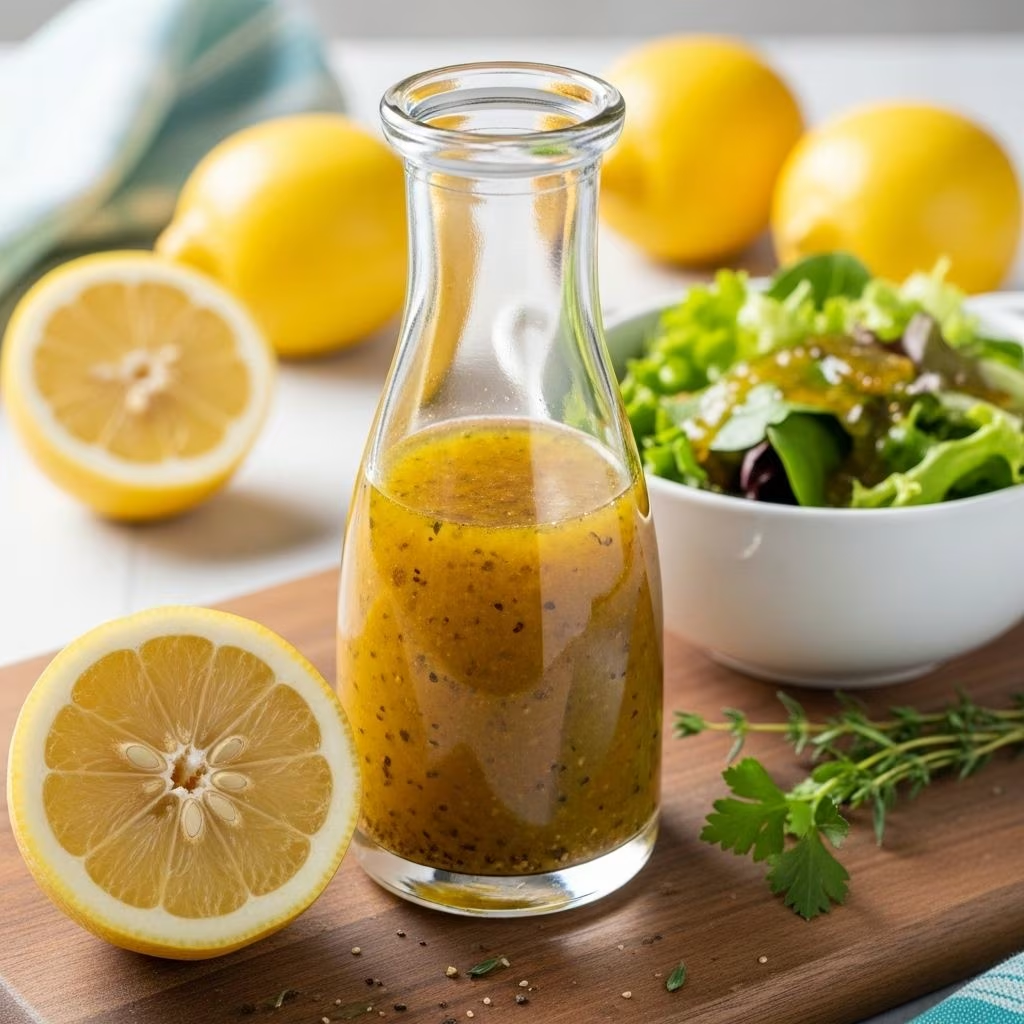
Lemon vinaigrette is a simple, classic salad dressing that instantly brightens any dish with its vibrant citrus flavor, zesty acidity, and silky texture. Whether you’re tossing it with fresh greens, grilled vegetables, or roasted potatoes, homemade lemon vinaigrette is more flavorful and customizable than any bottled dressing. This recipe offers essential notes, pairing ideas, variations, and answers to common questions for making perfect lemon vinaigrette every time.
Why Lemon Vinaigrette?
- Fresh and vibrant flavor: Lemon juice adds brightness that transforms simple salads and vegetables.
- Customizable: Easily adapted to your taste—add herbs for depth, use honey or maple for sweetness, or tweak acidity and oil ratio.
- Healthy Ingredients: Uses wholesome olive oil, citrus, a touch of natural sweetener, and fresh garlic.
- Quick to prepare: Whisk it up in under 5 minutes; store for the week.
Key Ingredients
| Ingredient | Purpose | Substitution Notes |
|---|---|---|
| Fresh Lemon Juice | Bright, tangy acid; gives signature flavor | Must use fresh for best taste; bottled is less vibrant |
| Extra-Virgin Olive Oil | Richness, body, balances acidity | Can use neutral oil for lighter taste |
| Garlic | Pungency, complexity | Substitute shallot for milder flavor |
| Dijon Mustard | Emulsifies, adds tangy depth | Stone-ground mustard is an option |
| Honey or Maple Syrup (optional) | Balances sharpness, adds subtle sweetness | Omit for sugar-free/Whole30 |
| Fresh or Dried Thyme (optional) | Herbaceous, aromatic layer | Try chives, basil, parsley for variations |
| Salt & Black Pepper | Makes flavors pop | Adjust to taste; sea salt recommended |
Ingredient Measurements
The following is a classic ratio and ingredient listing for basic lemon vinaigrette:
- ¼ cup fresh lemon juice
- 1 small garlic clove, grated
- 1 teaspoon Dijon mustard
- ¼ teaspoon sea salt, more to taste
- Freshly ground black pepper, to taste
- ½ teaspoon honey or maple syrup (optional)
- ¼ to ⅓ cup extra-virgin olive oil
- ½ to 1 teaspoon fresh or dried thyme (optional)
Step-by-Step Instructions
- In a small mixing bowl, whisk together lemon juice, garlic, Dijon mustard, honey/maple (if using), salt, and pepper until well combined.
- Slowly add olive oil in a thin stream, whisking continuously to emulsify the dressing until it’s thick and smooth.
- Stir in fresh or dried thyme (or other herbs), whisk again.
- Season to taste with more salt, pepper, oil, or honey as needed.
- Use immediately or store in an airtight container in the refrigerator.
Mixing Methods
- Whisk by hand: Classic and effective for small amounts. Combine all ingredients except oil, then whisk in the oil.
- Shake in a jar: Add all ingredients to a glass jar with a tight-fitting lid, shake vigorously until emulsified.
- Use a blender: For ultra-creamy, aerated texture, blend all ingredients until smooth.
Tips & Tricks for the Best Lemon Vinaigrette
- Use fresh lemon juice—never bottled. Fresh offers a brighter, cleaner acidity.
- High-quality olive oil makes a noticeable difference in aroma and flavor.
- Balance the ratios: For delicate greens, try a 4:3 ratio of olive oil to acid; for heartier veggies, a 1:1 ratio brings sharper flavor.
- Emulsify well: Whisk or blend thoroughly so the oil and acid combine into a smooth, unified dressing.
- Add herbs: Fresh thyme is classic, but parsley, basil, oregano, or chives add different edges.
- Customize sweetness: Use honey, maple syrup, or omit for a sharper, more savory vinaigrette.
- Make it creamy: Whisk in Greek yogurt or tahini for a creamy, rich twist.
Variations
- Vinegar Boost: Add a touch of white wine vinegar or apple cider vinegar for extra tang.
- Herb Swap: Replace thyme with dill, tarragon, or Italian parsley for unique flavor notes.
- Citrus Mix: Use half lemon, half orange juice for a softer, fruitier dressing.
- Garlic-Free: Substitute minced shallot for a milder, sweeter profile.
- Spicy Kick: Add red pepper flakes or a dash of hot sauce.
- Whole30 & Vegan Option: Omit honey; use maple syrup or skip sweeteners entirely.
How to Store Lemon Vinaigrette
- Keep in an airtight container in the refrigerator for up to one week.
- If oil solidifies in the fridge, let the vinaigrette warm to room temperature and shake or whisk to re-emulsify.
- Best freshness and flavor are within the first 3–4 days, when its zesty notes are strongest.
Serving Ideas
- Green salads: Toss with mixed greens, arugula, spinach, or Romaine.
- Roasted vegetables: Drizzle over roasted potatoes, carrots, or Brussels sprouts before serving.
- Grain bowls: Use as a tangy finish on rice, quinoa, or farro bowls with roasted veggies.
- Pasta salad: Stir into cold or warm pasta salads for an extra citrusy pop.
- Grilled meats or fish: Spoon atop grilled chicken, salmon, or shrimp.
Nutrition Information
| Serving Size | Calories | Carbohydrates | Protein | Fat | Sodium | Vitamin C |
|---|---|---|---|---|---|---|
| 2 Tbsp | 111 kcal | 1 g | 0.1 g | 12 g | 10 mg | 4 mg |
This is approximate and varies based on ingredient amounts and added sweetener or herbs.
Frequently Asked Questions (FAQs)
Q: How long does homemade lemon vinaigrette last in the fridge?
A: Properly stored in an airtight container, it remains fresh for up to 1 week. Shake well before each use as the oil may separate or solidify.
Q: Can I make lemon vinaigrette without mustard?
A: Yes. While Dijon helps emulsify and add depth, you can omit it or substitute with a milder stone-ground mustard. The texture may be less creamy but still flavorful.
Q: Is lemon vinaigrette healthy?
A: Yes. Made with fresh lemon juice, olive oil, and optional honey or maple syrup, it’s full of heart-healthy fats and antioxidants without processed additives.
Q: How do I fix a vinaigrette that’s too tangy?
A: Whisk in more olive oil a tablespoon at a time, add a pinch more sweetener, or stir in a splash of water for balance.
Q: Can I freeze lemon vinaigrette?
A: Freezing is not recommended as separation of oil and acid can be difficult to reverse and alter flavor. Make fresh or store in the fridge for best results.
Expert Tips for Success
- Mellow the garlic: Let grated garlic sit briefly in lemon juice before combining the rest for a softer bite.
- Layer flavors: Make in advance for the flavors to meld and intensify, especially with fresh herbs.
- Make it creamy: Whisk in a little Greek yogurt or tahini for a thicker, creamy texture (start with 1 to 2 teaspoons).
- Customize for your dish: Use more oil for light salads, less for robust, hearty roasted vegetables.
Related Recipes & Variations
- Classic Vinaigrette: Substitute lemon with red or white wine vinegar.
- Lemon Tahini Dressing: Stir in tahini for a creamy herby version.
- Honey Mustard Vinaigrette: Increase Dijon and honey for a tangy-sweet variant.
Conclusion
Homemade lemon vinaigrette is a versatile, healthy, and vibrant dressing that boosts flavor in countless dishes. By mastering a few simple techniques and recognizing the importance of fresh ingredients, you can enjoy restaurant-quality vinaigrette at home—tailored perfectly to your taste and dietary preferences.
Try These Serving Pairings
- Mixed greens and arugula with avocado slices
- Roasted broccoli or cauliflower with lemon vinaigrette drizzle
- Grain salads with chickpeas, spinach, and feta cheese
- Baked salmon topped with fresh herbs and a drizzle of vinaigrette
References
- https://downshiftology.com/recipes/lemon-vinaigrette/
- https://www.loveandlemons.com/lemon-vinaigrette/
- https://www.billyparisi.com/lemon-vinaigrette-dressing-recipe/
- https://theartoffoodandwine.com/classic-lemon-vinaigrette/
- https://www.loveandlemons.com/lemon-vinaigrette/comment-page-2/
- https://www.loveandlemons.com/arugula-salad/
- https://therealfooddietitians.com/lemon-vinaigrette/