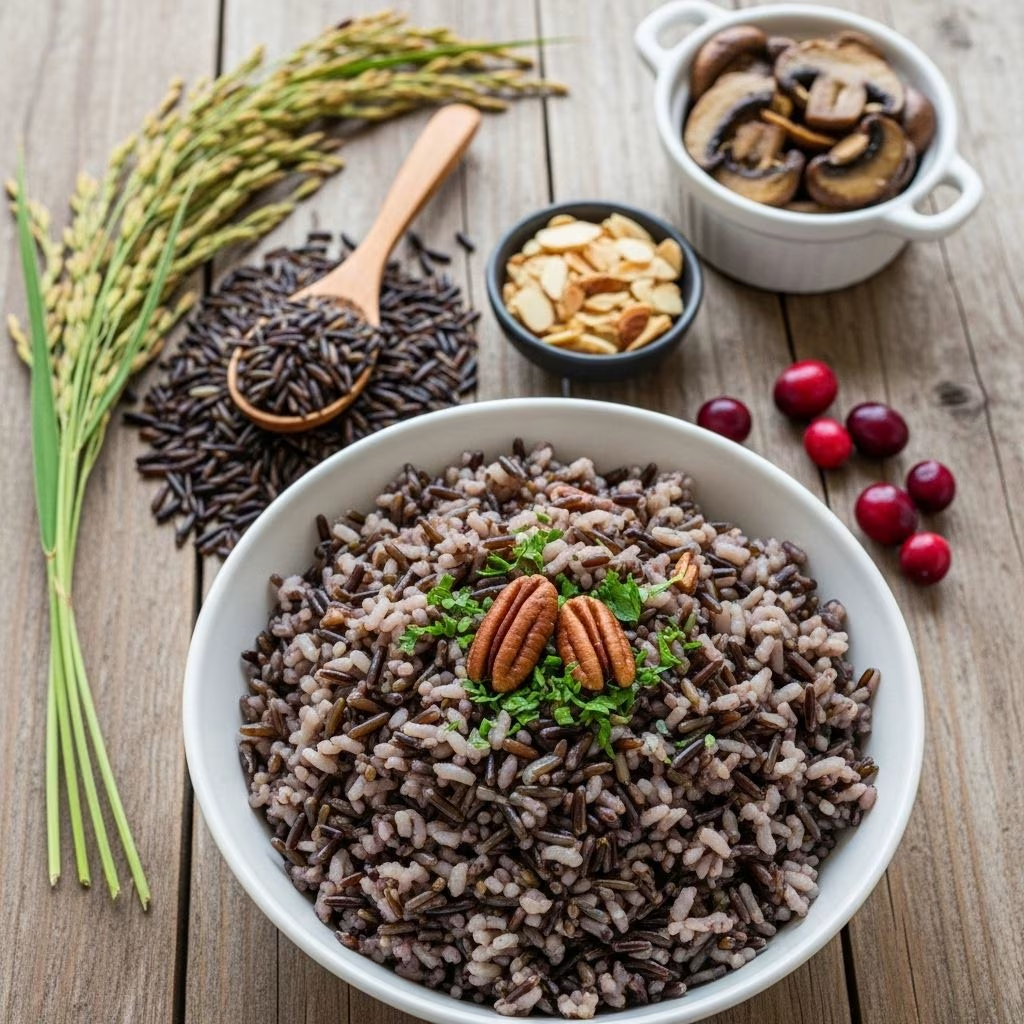
Wild rice is a nutritious, flavorful whole grain with a nutty taste and pleasantly chewy texture. Ideal for salads, side dishes, or hearty bowls, wild rice is naturally gluten-free and easy to prepare using a straightforward method that always turns out tender, fluffy grains. This guide will teach you how to cook wild rice perfectly every time, with step-by-step illustrated instructions, storage suggestions, serving tips, and ideas for making wild rice the star of your meal.
Wild Rice: What Is It & Why Cook It?
Though commonly called “rice,” wild rice is actually the seed of aquatic grasses native to North America. Unlike ordinary white or brown rice, wild rice grains are long, dark, and have a robust, earthy flavor and complex texture. It’s packed with protein and minerals, making it a nutritional powerhouse you’ll want to incorporate into your regular meal rotation.
- Distinct flavor: Nutty and slightly smoky, with a hearty chew.
- Nutrition: High in protein, fiber, and essential minerals like magnesium and phosphorus.
- Versatility: Works in salads, soups, side dishes, and even as a base for grain bowls.
- Gluten-free: Safe for gluten-sensitive eaters and a great alternative to wheat-based grains.
How to Cook Wild Rice (Step-By-Step)
The pasta method is the simplest and most forgiving way to cook wild rice. It involves boiling wild rice in plenty of water—just like pasta—draining off the excess, and letting it steam for perfect texture. This works for all types of wild rice, whether foraged or store-bought, light, dark, or blended.
Types of Wild Rice & Cook Time
- Hand-harvested wild rice: Lighter in color; cooks in 20–35 minutes.
- Cultivated wild rice: Always dark brown/black; needs 50–55 minutes or more.
- Wild rice blends: Combine wild rice with long-grain brown rice, adjusting cook time as needed per blend package instructions.
Ingredients
- 1 cup wild rice (rinsed well in a fine mesh strainer)
- Large pot of water
- Salt (optional, for seasoning)
Instructions
- Boil the water. Bring a medium or large pot of water to a boil over high heat. (No exact ratio needed—just plenty so the rice can cook freely.)
- Rinse the wild rice. Meanwhile, place the rice in a fine mesh strainer and rinse thoroughly under cold water to remove any dust or debris.
- Add the rice to boiling water. Once boiling, add the rinsed wild rice to the pot. Stir and reduce the heat to maintain a gentle boil.
- Simmer uncovered. Cook until the grains are tender but retain a slight bite—usually 35–55 minutes depending on variety. Some grains will split open as they become tender. Start tasting after 35 minutes.
- Drain excess water. When wild rice is done to your liking, pour it into a strainer to drain off excess water.
- Steam to finish. Return the drained rice to the empty hot pot. Cover it with a clean kitchen towel and then fit the pot lid on top. Let it steam off the heat for 10 minutes. This helps the rice finish cooking and become fluffier.
- Fluff and serve. Use a fork to fluff the wild rice, then serve as desired.
Printable Wild Rice Recipe
Ingredients: • 1 cup wild rice, rinsed • Pot of water Instructions: 1. Bring a pot of water to a boil. 2. Add wild rice; reduce to a gentle boil. 3. Cook 35–55 min or until tender. 4. Drain and return to pot. 5. Steam (covered with towel/lid) for 10 min. 6. Fluff and enjoy!
Favorite Wild Rice Recipes & Serving Ideas
With its rich flavor and chewy bite, wild rice makes an outstanding side but also shines as a base for salads, pilafs, and bowls. Here’s how you can enjoy your perfectly cooked wild rice:
- Drizzled with olive oil: Toss warm wild rice with a splash of high-quality extra-virgin olive oil, a shower of fresh parsley, and pinches of salt and freshly ground black pepper for a simple, elegant side.
- In vibrant salads: Cool the rice and toss with roasted vegetables, greens, nuts, seeds, and a bright vinaigrette.
- Hearty grain bowls: Build bowls with wild rice as a base, layering on steamed veggies, beans, or roasted roots, a creamy dressing, and fresh herbs.
- Soups & stews: Stir cooked wild rice into brothy soups or creamy chowders for earthy depth and a satisfying texture boost.
- Gluten-free stuffing: Use wild rice instead of bread in classic stuffing recipes for Thanksgiving or holiday meals.
Delicious Add-Ins & Flavor Suggestions
Wild rice’s bold, nutty flavor pairs well with many ingredients. Consider combining it with:
- Fresh herbs: Parsley, thyme, sage, chives
- Nuts and seeds: Toasted pecans, walnuts, pumpkin seeds
- Dried fruit: Dried cranberries, cherries, or apricots
- Roasted vegetables: Sweet potatoes, Brussels sprouts, shallots, or butternut squash
- Citrus: Lemon or orange zest and juice for a vibrant finish
More Whole Grains to Try
If you love wild rice, consider exploring other hearty, wholesome grains in your meals:
- Farro: Chewy, nutty wheat berry (note: contains gluten)
- Quinoa: Light, protein-rich, and cooks quickly
- Brown rice: Mild, wholesome, and versatile
- Bulgur wheat: Great in salads like tabbouleh (contains gluten)
- Millet: Soft texture, mild taste, naturally gluten-free
Storage and Make-Ahead Tips
- Refrigerator: Store cooked wild rice in an airtight container for up to 5 days.
- Freezer: Freeze cooled rice in sealed bags or containers for up to 3 months. Thaw and reheat before serving.
- Meal prep: Wild rice is perfect for batch cooking at the start of the week and using in various bowls, salads, and soups.
Wild Rice Cooking FAQ
- Does the heat stay on during steaming?
- No. After draining, return the rice to the pot, cover with a towel and lid, and let it rest off heat for 10 minutes.
- How do you know when wild rice is done?
- Wild rice is done when it is tender but has a slight chew, and some grains have split open. Taste a few grains to test for doneness starting around 35 minutes in (or earlier for hand-harvested rice).
- Do I need to soak wild rice?
- Soaking is not required using the pasta method for wild rice; however, a soak can slightly reduce cooking time and help grains cook more evenly. If you want to soak, 30 minutes to several hours is sufficient.
- Which brand of wild rice works best?
- Any wild rice brand is suitable. Popular choices include Lundberg’s Wild Blend, but any quality supplier will work.
- Can I use wild rice blend in this recipe?
- Yes. Follow the same method, but check package instructions for blend-specific cooking times as brown rice, red rice, or other grains may affect total cook time.
Pairing Wild Rice with Seasonal Ingredients
Wild rice meshes beautifully with ingredients from every season:
- Fall/Winter: Roasted root vegetables, winter squash, dried fruit, and herbs
- Spring/Summer: Fresh herbs, asparagus, snap peas, lemon zest, and spinach
Wild Rice Pilaf: An Example Recipe
If you want to elevate your wild rice even more, try tossing it into a pilaf for a flavorful all-in-one side. Here’s one idea to get creative:
| Ingredient | Purpose/Notes |
|---|---|
| 1 cup cooked wild rice | Main base: nutty, chewy, earthy |
| Roasted sweet potatoes | Add natural sweetness and color |
| Shallots (roasted or raw) | Sweet, savory flavor |
| Shredded Brusselss sprouts | Fresh crunch and nutrition |
| Dried cranberries | Tart, sweet accent |
| Toasted pecans | Crispy, nutty crunch |
| Fresh parsley, thyme | Herby finish |
| Olive oil, sea salt, black pepper | Binds flavors and seasons pilaf |
Mix cooked wild rice with all ingredients, adjust seasonings to taste, and serve warm or at room temperature.
Frequently Asked Questions (FAQs)
Q: Is wild rice healthier than other rice?
A: Wild rice is higher in protein and fiber than white rice and many other whole grains. It’s also rich in antioxidants and minerals, making it a nutritious choice.
Q: Can wild rice be used in cold salads?
A: Yes! Its firm, chewy texture makes it perfect for grain salads. Toss with roasted or fresh veggies, a bright vinaigrette, nuts, and herbs for a balanced meal.
Q: What pairs best with wild rice?
A: Earthy flavors such as mushrooms, nuts, dried fruit, orange or lemon zest, roasted root vegetables, and hearty greens pair especially well with wild rice.
Q: Does wild rice need to be soaked before cooking?
A: Soaking is not required for the pasta method but can help reduce cooking time slightly. It is optional, not mandatory.
Q: How can I reheat cooked wild rice?
A: Reheat in a microwave with a splash of water, or gently steam on the stovetop until warmed through.
Try These Wild Rice Whole Grain Dishes Next!
- Autumn salads with wild rice and apples
- Stuffed squash with wild rice, mushrooms, and cranberries
- Grain bowls layered with roasted seasonal vegetables and a creamy tahini sauce
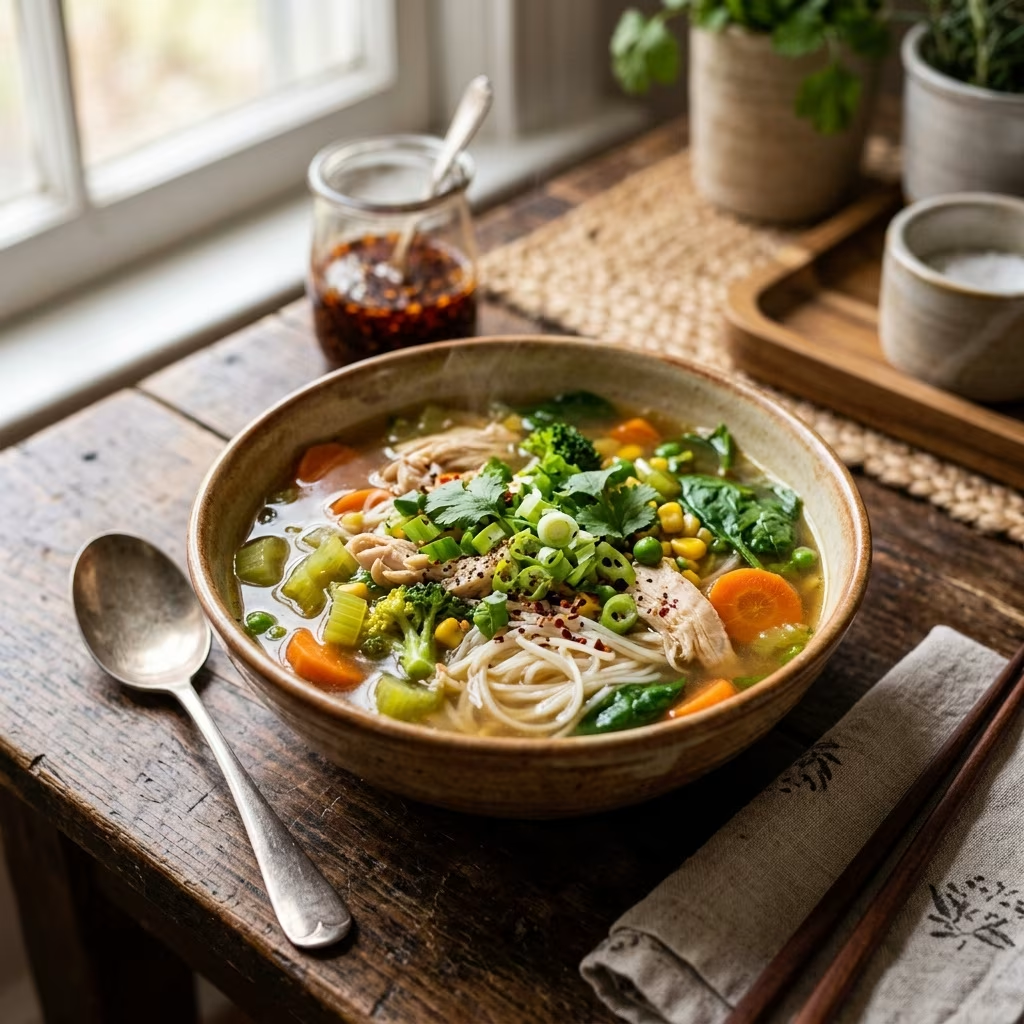
- Classic wild rice soup loaded with veggies and herbs
Wild rice’s earthy richness makes it a flexible, flavorful staple. Master this one simple method, and let your creativity take over!