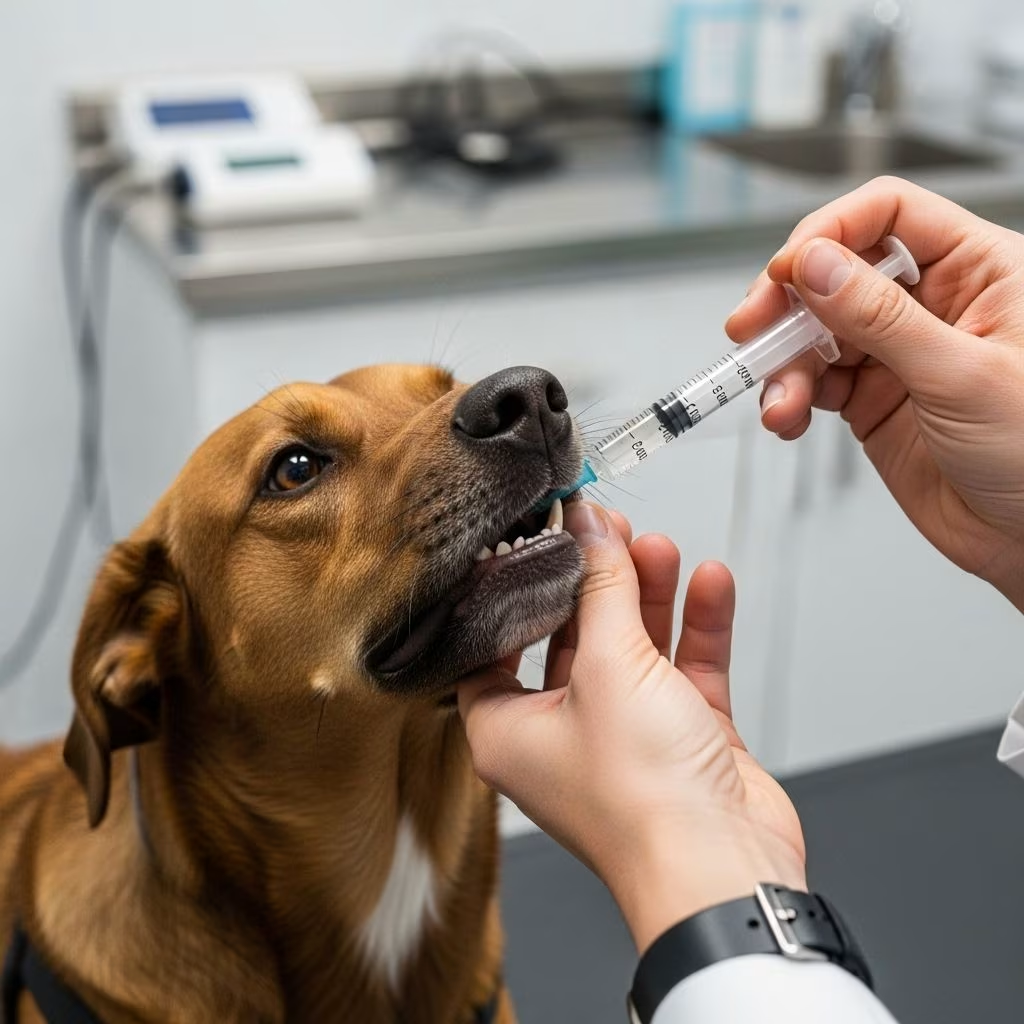
Treating Heartworm Disease in Dogs with Ivermectin
Heartworm disease is a life-threatening condition in dogs caused by the parasite Dirofilaria immitis. One of the mainstay drugs used for both prevention and, in select cases, treatment of heartworm is ivermectin. This article provides detailed insights into the role of ivermectin in heartworm management, explores the protocols, risks, alternatives, and owner responsibilities associated with its use, and dispels common misconceptions about its safety and effectiveness.
Overview of Heartworm Disease
Heartworm disease is contracted when a dog is bitten by a mosquito carrying infective larvae of Dirofilaria immitis. The larvae enter the bloodstream, migrate, and mature into adult worms in the blood vessels of the lungs and occasionally the heart. Advanced heartworm infections can result in severe lung disease, heart failure, and other organ damage.
- Transmitted by mosquito bites.
- Progresses from larvae to adult worms within 6 months.
- Causes pulmonary hypertension, heart, and organ damage in severe cases.
What Is Ivermectin?
Ivermectin is a macrocyclic lactone medication that targets various parasitic worms, including heartworms, roundworms, hookworms, and whipworms. It was derived from avermectin, and its broad-spectrum efficacy earned its discoverers a Nobel Prize.
- Part of the avermectin class of anti-parasitic drugs.
- Used as a monthly oral preventative against heartworm in dogs.
- Also effective against several intestinal parasites.
How Ivermectin Works
Ivermectin disrupts nerve and muscle function in parasites, leading to paralysis and death. Its main effectiveness is against the juvenile stages (larvae) of heartworm, not the adult worms. Monthly administration prevents larvae from maturing into adult worms, which is why consistent, timely dosing is crucial for heartworm prevention.
Ivermectin in Heartworm Prevention
Veterinarians widely prescribe ivermectin for heartworm prevention. Products containing ivermectin (e.g., Heartgard®) are given monthly and kill heartworm larvae before they can mature and cause severe disease. Other drugs for heartworm prevention include milbemycin oxime, selamectin, and moxidectin.
- Monthly administration prevents heartworm development.
- Most effective when started before exposure or in early stages of infection.
- Does not reliably kill adult heartworms in heavy infections.
Treating Established Heartworm Disease with Ivermectin
While ivermectin is essential for prevention, its use as a sole treatment for dogs already infected with adult heartworms is controversial and not recommended by the American Heartworm Society. The gold standard for adult heartworm treatment is melarsomine dihydrochloride (an arsenical compound), which effectively kills adult worms.
- Melarsomine is not always available or affordable.
- Ivermectin protocols may be considered in areas where melarsomine cannot be accessed, such as some shelters or remote regions.
- Ivermectin is much less effective at killing adult worms and carries significant risk of complications.
Alternate Treatment Protocols: “Moxi-Doxy” and Slow-Kill Strategies
In rare situations, veterinarians may adopt alternative “slow-kill” regimens when adulticide therapy is not available. One such protocol is the “Moxi-Doxy” approach, which combines monthly moxidectin with oral doxycycline to gradually kill adult worms over months to years. Ivermectin has also been used as part of slow-kill protocols, but results and safety vary. Here is a simplified comparison:
| Protocol | Main Drugs | Duration | Risks | Effectiveness |
|---|---|---|---|---|
| Standard Adulticide | Melarsomine | 3 doses over ~1-2 months | High (embolism, inflammation controlled) | High (kills adults quickly) |
| Moxi-Doxy (Slow-Kill) | Moxidectin + Doxycycline | Months to over 1 year | Moderate (prolonged worm presence, lung damage) | Moderate (gradual kill) |
| Ivermectin-Based (Slow-Kill) | Ivermectin (+/- Doxycycline) | 12–24 months | Moderate to High (potential lung/heart damage) | Moderate to Low |
Slow-Kill Protocol Details
- Monthly ivermectin oral dosing (label or off-label dose).
- May add doxycycline for 28 days to target Wolbachia bacteria (symbiotic in heartworms).
- Doxycycline reduces worm fertility and pathogenicity.
- Requires strict exercise restriction for the dog during slow-kill treatment.
- Prolonged presence of live adult heartworms increases the risk of progressive pulmonary and cardiac damage.
Potential Risks, Side Effects, and Precautions
Ivermectin for heartworm treatment is associated with risks, particularly when used off-label or in high doses. Potential issues include:
- Adverse drug reactions: Most dogs tolerate ivermectin well at label doses, but some breeds are genetically sensitive (see below).
- Sudden death of adult worms: Causes embolism (blockage of blood vessels in the lungs), inflammation, and respiratory distress.
Breed Sensitivity and Safety Concerns
- Collie-type breeds (Collies, Shelties, Australian Shepherds, Old English Sheepdogs) may have a genetic mutation (MDR1 gene) leading to increased sensitivity to ivermectin.
- Even at veterinary doses, susceptible dogs may suffer neurotoxicity (ataxia, tremors, seizures), which can be fatal if untreated.
- Always test MDR1 status before administering high-dose ivermectin.
Other Side Effects
- Vomiting, diarrhea.
- Lethargy, weakness, uncoordinated movements.
- Rare allergic reactions may occur in some dogs.
Limitations of Ivermectin in Treating Heartworm Disease
Ivermectin is highly effective in prevention but is not recommended as the sole treatment for existing adult heartworm infections:
- Slow-kill regimens may not completely clear all adult worms, leaving dogs at risk for ongoing pulmonary and cardiac pathology.
- Prolonged infection increases risk of irreversible lung and heart damage.
- Development of ivermectin resistance among heartworms has been reported in some regions, threatening prevention efficacy.
- Missed doses during prevention allow larvae to mature, making future treatment less effective.
Owner Responsibilities During Heartworm Treatment
If ivermectin-based protocols are used for either heartworm prevention or slow-kill treatment, owners must:
- Administer medications precisely as prescribed by the veterinarian.
- Restrict exercise to minimize risk of embolism or sudden respiratory distress (especially during adult worm death).
- Monitor for adverse drug reactions, especially in sensitive breeds.
- Prevent missed doses to maximize treatment efficacy and avoid increasing resistance.
- Schedule routine follow-up visits and heartworm tests to monitor progress and adapt protocols if needed.
Alternatives to Ivermectin-Based Treatment
- Melarsomine dihydrochloride (FDA-approved adulticide) – safest and fastest method for killing adult heartworms.
- Moxidectin-doxycycline protocol (“Moxi-Doxy”) used when melarsomine is unavailable.
- Other macrocyclic lactone combinations (milbemycin oxime, selamectin).
- Surgical removal in severe cases (rare).
Frequently Asked Questions (FAQs)
Can I use ivermectin to treat my dog’s heartworm disease?
Ivermectin is not the recommended sole treatment for adult heartworm infection. The best and safest method remains melarsomine administration, but ivermectin may be used in slow-kill protocols only when no better options are available and under strict veterinary supervision.
Is ivermectin safe for all breeds?
No. Certain breeds (Collie-type, Australian Shepherds, Shelties) may have genetic sensitivity to ivermectin, potentially leading to severe neurological side effects. Veterinary testing for the MDR1 gene is advised before use in these breeds.
How long does it take to treat heartworm disease with ivermectin?
Slow-kill protocols using ivermectin can take 1–2 years or longer to clear adult heartworms and there is an increased risk of chronic damage during this period. Standard melarsomine treatment is much faster.
Can ivermectin prevent heartworm disease?
Yes, when administered monthly as directed, ivermectin is highly effective in preventing heartworm development by killing larvae before they mature.
Should I ever use ivermectin without a veterinarian’s supervision?
Never. Misuse of ivermectin—especially off-label dosing—can result in serious health risks for your dog. Correct diagnosis, breed risk assessment, and proper protocol are essential for safety.
Summary Table: Ivermectin Use in Dog Heartworm Disease
| Use Case | Ivermectin Efficacy | Main Risks | Recommendation Level |
|---|---|---|---|
| Prevention (monthly oral) | High (kills larvae) | Breed sensitivity, missed dose risk | Highly recommended |
| Treatment (slow-kill for adult infection) | Moderate (gradual reduction of adult worms) | Pulmonary damage, embolism risk, resistance | Not recommended unless no alternatives |
Key Takeaways
- Use ivermectin primarily for prevention of heartworm disease.
- Consult a veterinarian before considering ivermectin for treatment—never attempt protocols without veterinary oversight.
- Melarsomine is the gold standard for treating adult heartworms; slow-kill protocols have significant limitations and risks.
- Regular heartworm testing and strict compliance with preventative protocols are the best ways to protect your dog.
Additional Resources
- American Heartworm Society: Guidelines and news on heartworm prevention and treatment.
- Veterinary clinics specializing in parasitic diseases.
- Breed-specific groups for information on genetic drug sensitivities.
References
- https://www.amcny.org/blog/2022/03/30/ivermectin-an-important-veterinary-medication/
- https://pmc.ncbi.nlm.nih.gov/articles/PMC8163879/
- https://www.frontiersin.org/journals/veterinary-science/articles/10.3389/fvets.2021.702018/full
- https://www.heartwormsociety.org/veterinary-resources/veterinary-education/ahs-board-speaks-out/281-managing-heartworm-disease-in-shelter-animals
- https://www.fda.gov/animal-veterinary/animal-health-literacy/keep-worms-out-your-pets-heart-facts-about-heartworm-disease
- https://bi-animalhealth.com/pets/canine/products/parasiticides/heartgard-plus