The LaPerm cat is renowned for its captivatingly curly coat, affectionate personality, and energetic spirit. This breed stands out not only for its appearance but also for its rich history and the joy it brings to households worldwide. Whether you are a cat enthusiast or considering welcoming a LaPerm into your home, this comprehensive guide unveils everything you need to know about this distinctive feline.
Breed Overview
| Breed Name | LaPerm |
|---|---|
| Origin | Oregon, United States |
| Lifespan | 12–15 years |
| Coat | Curly, both long and shorthaired varieties |
| Colors | All colors and patterns |
| Personality Traits | Affectionate, playful, curious, adaptable |
| Ideal For | Families, singles, allergy sufferers (less allergic, not hypoallergenic) |
| Shedding | Low to moderate |
History and Origin
The story of the LaPerm cat begins in 1982 on a cherry farm in The Dalles, Oregon. Linda and Richard Koehl, the breed’s founders, kept barn cats for pest control, among which a brown tabby shorthair named Speedy delivered a litter that included an unusual, bald female kitten with distinct freckles on her skin. Initially concerned, the Koehls watched the kitten thrive, developing a soft, curly coat within weeks. They named her “Curly.” This genetic anomaly was, in fact, a natural mutation, and as more curly-coated kittens appeared over subsequent generations, the Koehls started a selective breeding program focused on this unique trait.
After nearly a decade of breeding and observing the spontaneous curls, the Koehls formally introduced their colony to the cat fancy in the early 1990s. The breed was named LaPerm for its distinctively wavy, permed fur, and soon gained worldwide recognition through organizations such as TICA (International Cat Association), CFA (Cat Fanciers’ Association), and others.
- Breed recognized by TICA in 1995 and CFA in 2004, among other registries.
- LaPerms are the result of a dominant curly gene, different from all other Rex breeds.
- The breed name follows the tradition of blending French with local naming, reflecting the Chinookan language influence in the region.
Physical Characteristics
Size and Build
- Medium-sized with a muscular, semi-foreign body, balancing elegance and strength.
- Mature weight: typically 6–10 pounds, with females slightly smaller than males.
- Longish neck, long legs, and a graceful, alert demeanor.
Head and Face
- The head forms a modified wedge shape with gentle, rounded contours.
- Almond-shaped eyes are expressive and widely set, coming in any color.
- Ears are medium to large, set to continue the wedge, often flared and with indulgent ear furnishings and “lynx tips.”
- The nose features a slight convex curve, and the muzzle is gently broad.
Coat and Colors
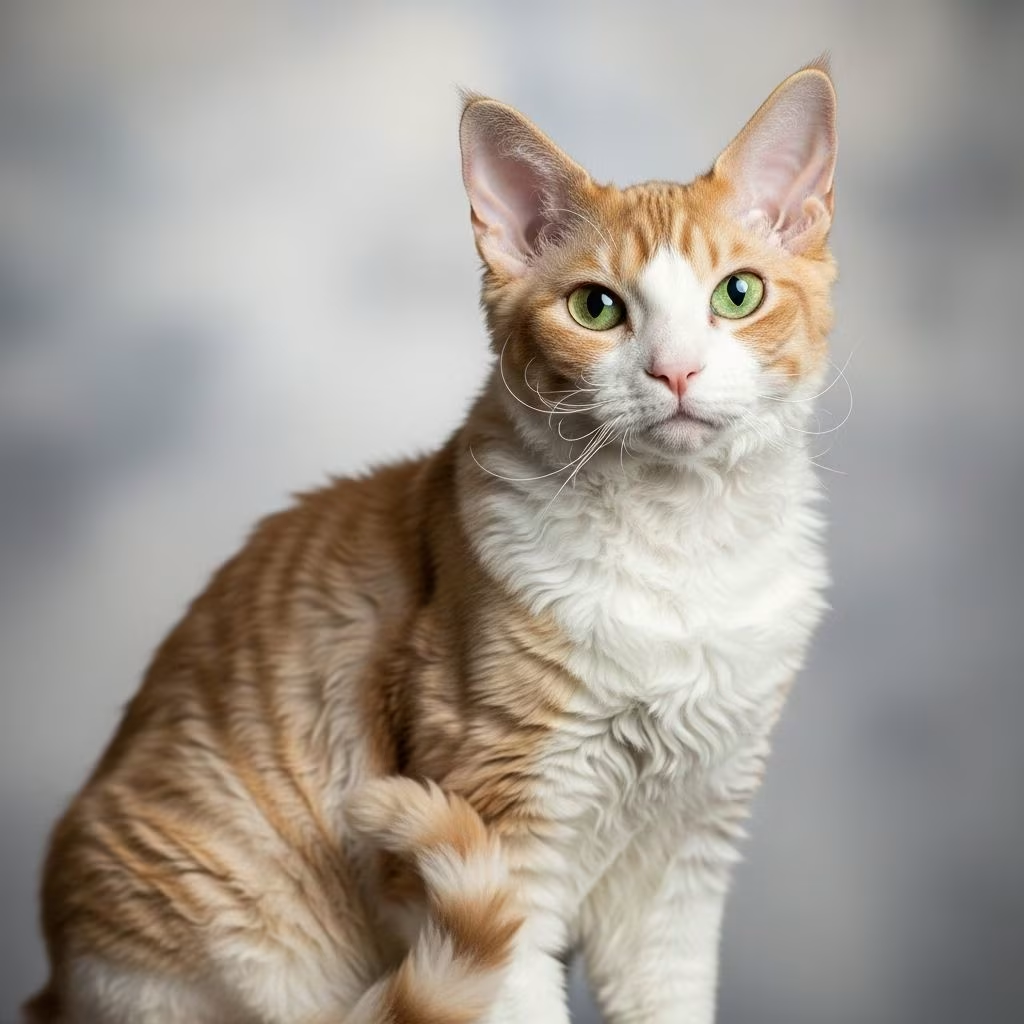
The coat is the crowning glory of the LaPerm breed. Its texture is plush, soft, and springy, reminiscent of mohair rather than silk, with no thick undercoat. The coat comes in two lengths:
- Longhaired: Offers a lavish ruff, plumed tail, and longer ringlets—especially around the neck, tail, and belly.
- Shorthaired: Compact corkscrews and bottle-brush tail; denser texture with more resistance to the touch.
The curls are tightest at the neck, base of the ears, and underside of the body. Whiskers and eyebrows are characteristically long and curly. All coat colors and patterns are recognized—ranging from tabby and tortoiseshell to chocolate, lilac, and points—making for high variety and visual interest.
Personality and Temperament
LaPerm cats are adored for their affectionate and interactive natures. They thrive in loving homes and are especially recognized for their “people-oriented” personalities.
- Affectionate & Social: They love to be near their people, often riding on shoulders or curling up in laps.
- Playful & Energetic: Known for their agility—LaPerms can leap to high shelves and love interactive play.
- Curious & Intelligent: Regularly explore their surroundings and enjoy puzzle toys or games that challenge their minds.
- Gentle & Adaptable: They adapt well to changes in the household and are generally tolerant of children and pets when socialized properly.
- Quietly Vocal: They communicate with soft voices and gentle chirrups.
Living Needs
LaPerms are well-suited to a variety of living situations, from bustling family homes to solo apartments.
- Companionship: They prefer company and do best in homes where they are not left alone for extended periods.
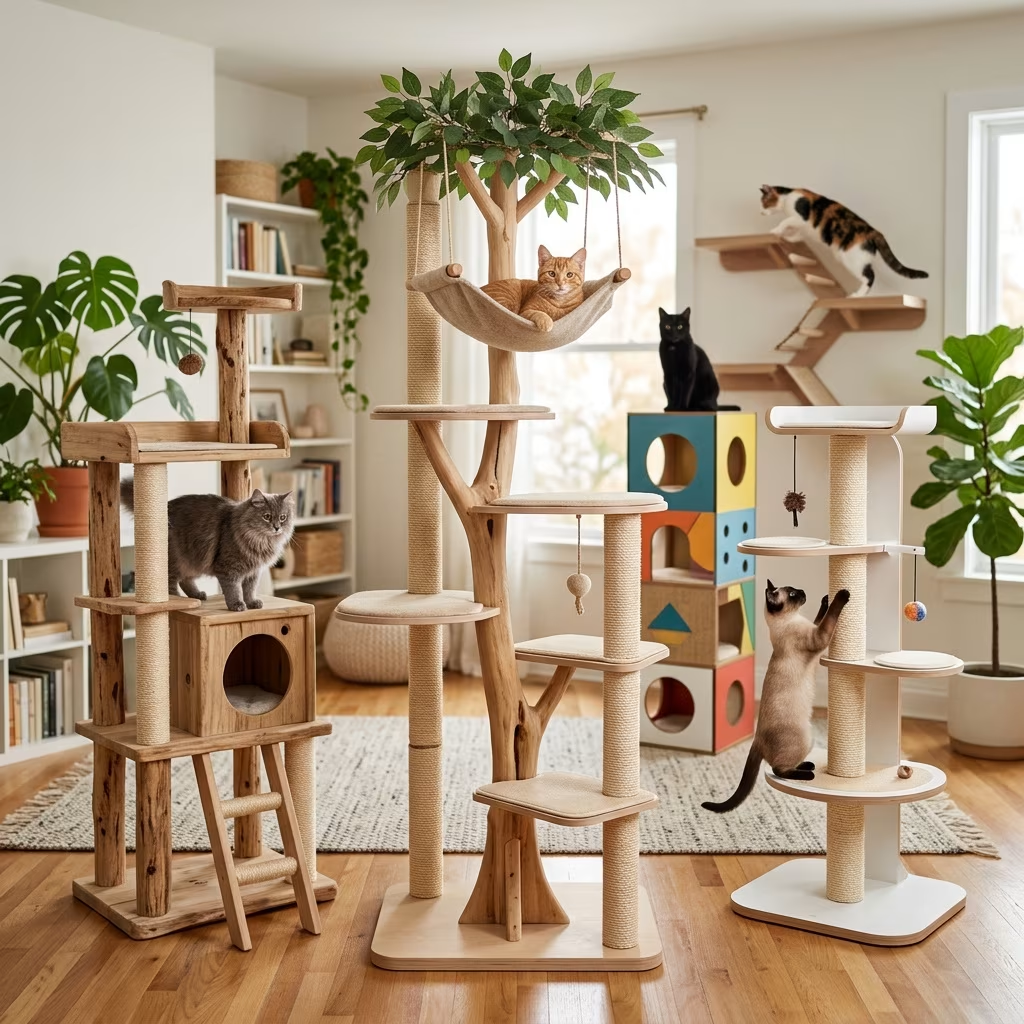
- Activity: Provide climbing structures, cat trees, and ample interactive toys to match their athleticism and intelligence.
- Environmental Enrichment: Rotation of toys, scratching posts, and puzzle feeders keeps them entertained.
- Indoor Living: Best kept as indoor cats to protect their coats from matting and to reduce risk of accidents or theft.
Care and Grooming
Despite their unusual coats, LaPerms are relatively easy to groom. Their fur generally resists matting but occasional tangles can develop.
- Brushing: 1–2 times per week is usually enough. Use a wide-toothed comb for longer coats and a soft-bristle brush for shorthaired varieties.
- Bathing: Rarely needed—only if visibly dirty or for show cats. Use gentle, moisturizing cat shampoos.
- Ear & Eye Care: Clean ears with a damp cotton ball; wipe tear stains gently from eyes as needed.
- Dental Care: Regular tooth brushing reduces tartar buildup and supports long-term health.
- Toenail Trimming: Clip claws every few weeks to prevent overgrowth.
LaPerms molt in spring, temporarily thinning fur at the neck and limbs, but generally return to full coat quickly.
Health and Lifespan
- Average Lifespan: 12–15 years, sometimes longer with attentive care.
- Breed Health: LaPerms are a hardy breed, with no known inherited diseases strongly associated with the breed. Like all cats, they benefit from routine veterinary care, vaccinations, and annual check-ups.
- Spaying/Neutering: Strongly recommended for health and population control.
- Common Ailments: Standard feline illnesses (dental disease, upper respiratory infections) rather than specific genetic disorders.
Because the LaPerm breed is derived from healthy working cats and a broad gene pool, instances of inherited disorders are rare compared to other purebreds.
Feeding and Nutrition
- High-quality protein: Choose a nutritionally balanced cat food suitable for the breed’s age and activity.
- Portion control: Prevent obesity by following feeding guidelines and offering regular meals instead of free-feeding.
- Hydration: Encourage water intake through fresh, clean water or the use of water fountains.
- Treats: Limit treats and avoid human foods that are unsafe for cats.
Adoption and Buying Tips
- Reputable Breeders: Select breeders who provide health clearances, socialization, and clean facilities.
- Adoption: Some LaPerms find homes through breed-specific rescues or general cat adoption agencies.
- Kitten Selection: Look for kittens that are alert, healthy, social, and have started to develop their characteristic curls.
- Questions to Ask: Breeding history, health guarantees, social exposure, and training provided.
- Cost: Expect prices to vary significantly based on pedigree, coat quality, and breeder reputation.
Is the LaPerm Cat Right for You?
| Perfect For | Not Ideal For |
|---|---|
| Families with children and other pets Individuals seeking affectionate companions Allergy-sensitive people (less allergenic) | Those seeking a hypoallergenic cat (No breed is entirely hypoallergenic) Homes where the cat will be left alone for long periods People averse to regular grooming |
Fun Facts About the LaPerm
- Incredible Leapers: Their athleticism lets them leap surprisingly high—don’t be shocked to find them exploring bookshelf tops.
- Born Bald or Straight: Many LaPerm kittens are born hairless or with straight hair, only developing their signature curls at 2–3 months old.
- Diverse Patterns: Any coat color or pattern is allowed—incredible diversity for a single breed.
- Curly Whiskers: Their facial whiskers curl and twist, completing their unique visual appeal.
- Quiet Companions: Communication is gentle and infrequent—perfect for calmer homes.
Frequently Asked Questions (FAQs)
Q: Are LaPerm cats truly hypoallergenic?
A: While not completely hypoallergenic, LaPerms produce fewer allergens than most cat breeds, making them a better choice for sensitive individuals. Regular cleaning and grooming further reduce allergen levels.
Q: How much grooming does the LaPerm really need?
A: LaPerms need only moderate grooming. Brush once or twice a week, taking special care when the coat is changing seasonally. Their curls resist matting but may tangle if neglected.
Q: Are LaPerms good with children and other pets?
A: Yes. Their gentle, adaptable nature and playful temperament make them great companions for families with children or other pets when socialized from an early age.
Q: Do LaPerm cats shed a lot?
A: They shed less than many other breeds, but regular seasonal shedding occurs. Their unique coat traps loose hairs, so brushing removes more hair than is left around the home.
Q: How active are LaPerm cats?
A: LaPerms are moderately to highly active. They enjoy climbing, leaping, and engaging interactive play but also settle into affectionate laps when tired.
Conclusion
The LaPerm cat is a rare blend of beauty, athleticism, and loving companionship. With their soft, whimsical curls and affectionate disposition, they fit beautifully into many homes. If you are searching for a cat breed that stands out visually while offering an engaging, adaptable personality, the LaPerm may be your ideal match.
References
- https://www.nzcf.com/breeds/la_perm_history.php
- https://en.wikipedia.org/wiki/LaPerm
- http://www.lapermbc.org/history.html
- https://felinefancy.co.uk/blogs/cat-breeds-info/laperm
- https://cfa.org/breed/laperm/
- https://animals.howstuffworks.com/pets/laperm-cat.htm
- https://www.lapermcats.com/LPSAhistory.html