Allergy Shots for Dogs: A Comprehensive Guide
Dogs can develop allergies just like humans, and managing these allergies may require more than just avoiding triggers or using daily medications. Allergy shots, also known as allergen-specific immunotherapy, offer a promising solution for many dogs suffering from chronic allergies. This guide explores how allergy shots work for dogs, their benefits, potential side effects, costs, administration tips, and what owners should know before starting treatment.
What Are Allergy Shots for Dogs?
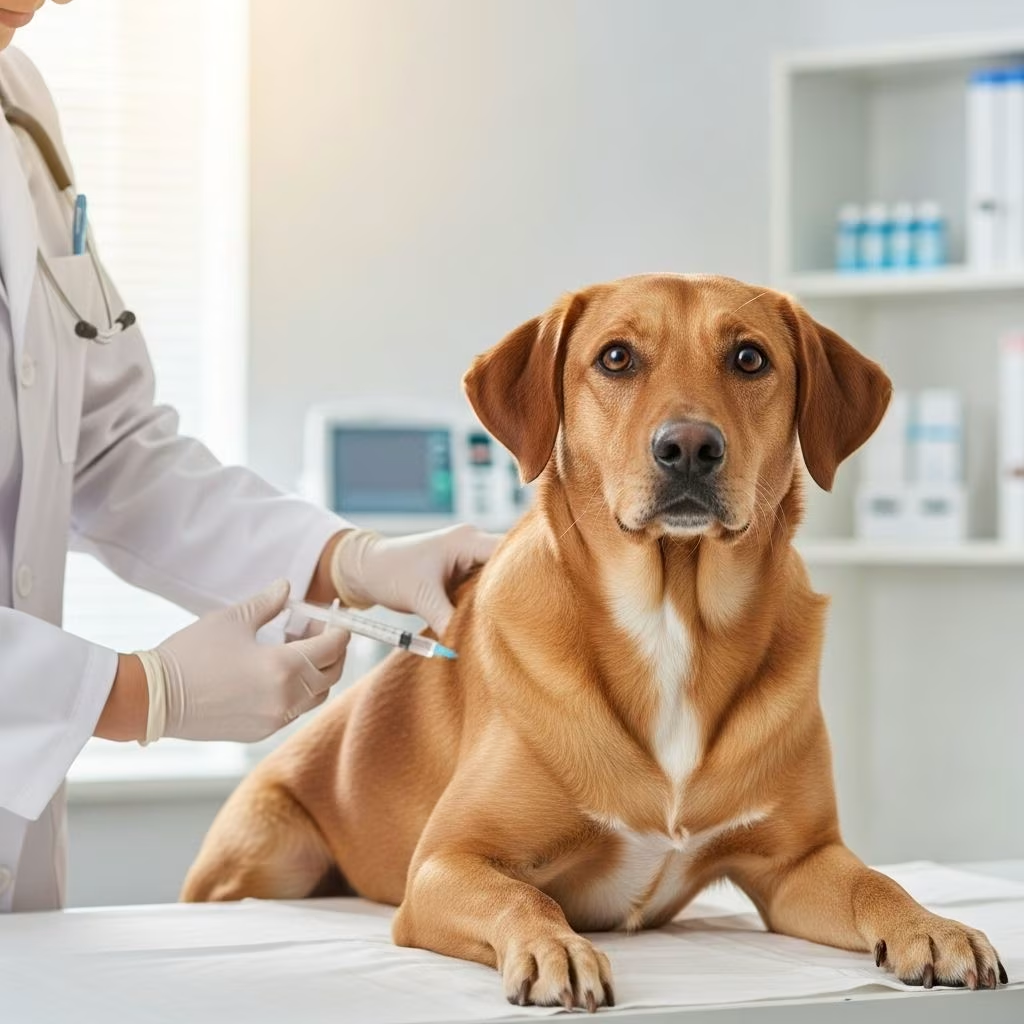
Allergy shots, medically termed allergen-specific immunotherapy, are a treatment designed to reduce or eliminate a dog’s sensitivity to specific allergens. This approach is particularly helpful for dogs with environmental allergies that cause persistent itchiness, skin infections, and other chronic discomforts. The goal is to reduce clinical signs by gradually training the dog’s immune system to tolerate the allergens responsible for its reactions.
Common Allergens Treated:
- Pollens (grass, trees, weeds)
- Molds and fungal spores
- House dust mites
- Animal dander
- Other environmental substances
How Do Allergy Shots Work?
The science behind allergy shots in dogs is based on the principle of desensitization. By administering controlled doses of the allergens causing symptoms, the immune system is gradually taught to become less sensitive, reducing or eliminating allergic reactions over time.
The therapy is typically divided into two primary phases:
- Induction (Build-up) Phase: The dog receives increasing doses of allergen extract over several weeks to ‘teach’ the immune system to tolerate the substance.
- Maintenance Phase: Once the maximum tolerated dose is achieved, the dog is given regular shots at set intervals for long-term maintenance.
Who Is a Good Candidate for Allergy Shots?
Allergy shots are mainly recommended for dogs with:
- Moderate to severe environmental allergies (atopic dermatitis) confirmed through allergy testing
- Chronic symptoms not managed effectively with medication or avoidance measures
- Owners committed to a long-term treatment regimen
- Dogs who experience adverse effects from allergy medications or require reduced use of drugs
Food allergies and flea allergies are not treated with allergy shots — these require different management strategies.
How Are Allergy Shots Created?
To begin immunotherapy, your veterinarian will first recommend allergy testing, often using intradermal skin testing or blood tests. The results identify which specific allergens are causing reactions. A customized serum is then compounded, containing just those offending allergens in carefully controlled concentrations.
Types of Allergy Tests:
- Intradermal testing: Small injections of allergens under the skin, observing for reactions
- https://nextmune.com/hubfs/PDF-archive/treatment-diary-2021-nextmune-print.pdf
- https://nydermvet.com/wp-content/uploads/2022/11/AllergyGuidebook.pdf
- https://veterinaryskinandear.com/allergy-immunotherapy-hyposensitization-general-information/
- https://www.mayoclinic.org/diseases-conditions/pet-allergy/diagnosis-treatment/drc-20352198
- https://pmc.ncbi.nlm.nih.gov/articles/PMC5893203/
- https://vetmed.illinois.edu/pet-health-columns/immunotherapy-itchy-dog/
- https://www.petmd.com/dog/procedure/dog-allergy-tests
- https://sashvets.com/diseases/how-to-give-an-allergy-vaccine-to-dogs/