The Belgian Laekenois is a unique and rare member of the Belgian Shepherd family. Known for their wiry coats, intelligence, devotion, and independent spirit, these agile dogs have captivated enthusiasts with their working tenacity and loving nature. Whether as guardians, companions, or canine athletes, the Laekenois excels when physically and mentally engaged. This detailed breed profile explores their origins, personality, care needs, and more, so you can decide if this is the right dog for your lifestyle.
Breed Overview
| Group | Herding |
|---|---|
| Height | Male: 24–26 in, Female: 22–24 in |
| Weight | 44–66 lb |
| Coat | Rough, wiry, 2-2.5 in long |
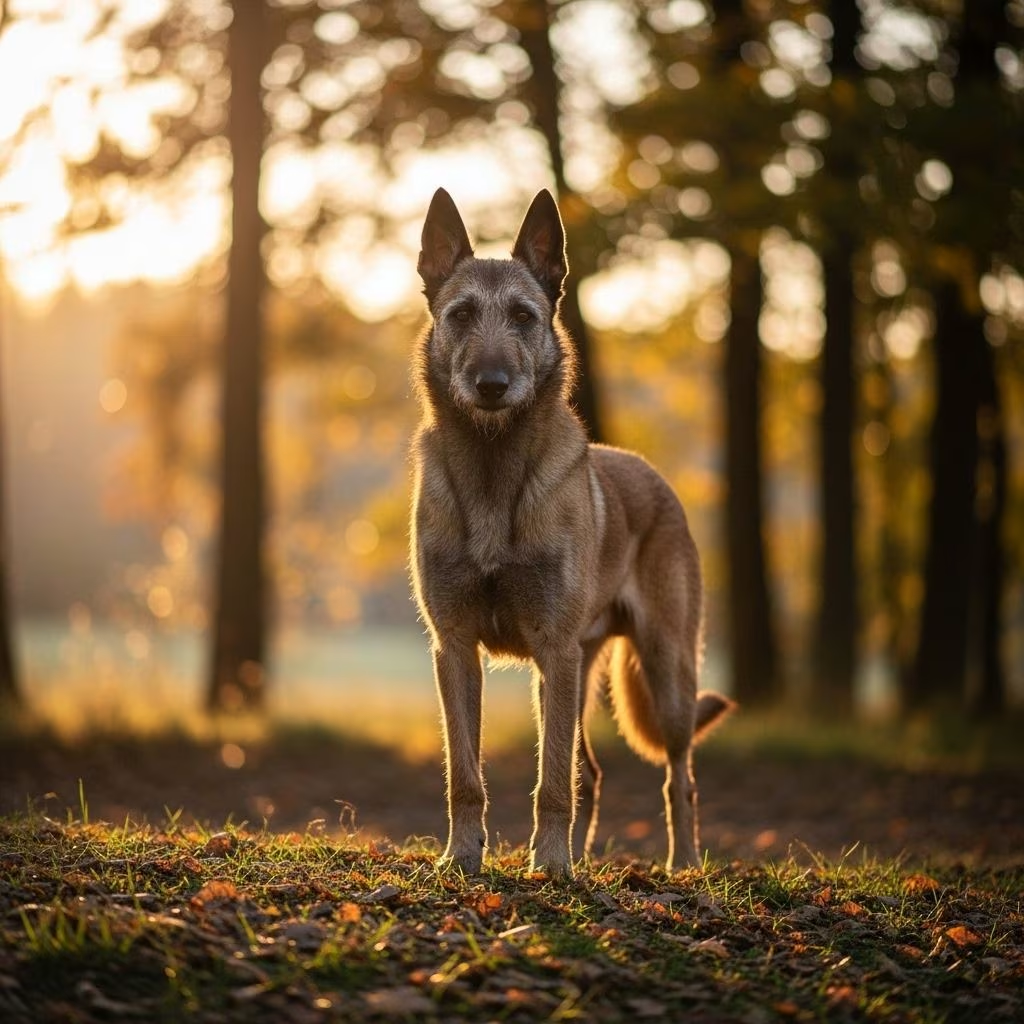
| Color | Fawn or red, with possible black shading (muzzle, tail); white patches allowed on chest, toes |
| Lifespan | 10–12 years |
| Temperament | Affectionate, alert, intelligent, protective, active |
| Exercise Needs | High |
| Shedding | Moderate |
| Grooming | Moderate |
History and Origins
The Belgian Laekenois is one of four distinct varieties of Belgian Shepherd, alongside the Malinois, Tervuren, and Groenendael. Named after the Château of Laeken, the breed’s historic roots trace back to the fields surrounding Belgium’s royal estate. This breed was developed as a versatile farm dog, particularly known for guarding valuable linens drying in the fields against theft and animal intruders (2).
Adaptive and resilient, the Laekenois’ wiry coat was prized for its weather resistance, making these dogs especially suited for damp Belgian climates. While sharing ancestry with other Belgian Shepherds, the Laekenois is distinguished primarily by its coat’s texture and color. Throughout history, they have also served as messenger dogs during wartime and general-purpose herders, further cementing their reputation for intelligence and adaptability (2).
Characteristics and Appearance
- Build: Medium-sized, square, balanced, with a proud carriage.
- Head: Long, lean, with a noticeable beard on the muzzle.
- Ears: Triangular, erect, and set high.
- Tail: Strong and reaches to the hock.
- Expression: Intelligent and alert.
- Coat: Distinctly rough, tousled, and wiry, 2–2.5 inches long.
- Color: Ranges from fawn to reddish tones, sometimes with black shading on tail and muzzle. Small white patches are permissible on chest and toes.
Personality and Temperament
The Belgian Laekenois is renowned for its loyalty and alertness. Typically affectionate with all family members, many will form a particularly strong bond with one favored person. These dogs are intelligent and eager to please, but require an experienced handler due to their highly active minds and independent streak (1) (3) (4).
Key temperament traits:
- Protective: Natural guardians, they are watchful and wary around strangers, making them excellent watchdogs without unnecessary aggressiveness.
- Affectionate: They thrive when closely bonded with their families and dislike being left alone for extended periods.
- Energetic: High energy levels demand rigorous physical and mental stimulation.
- Trainable: Intelligent but with a mind of their own, consistent positive reinforcement and early socialization are crucial.
- Not ideal for first-time dog owners: Their sensitivity, protective nature, and intelligence are best handled by experienced owners who understand large herding breeds.
Living With Belgian Laekenois
Family Life: The Laekenois is generally good with older, respectful children. Their herding drive may cause them to try to “herd” kids or nip at heels, so close supervision and teaching proper canine interaction is important (3).
- With Other Dogs: Can coexist with other large dogs if properly socialized, but may be best as a solo pet. Strong chase and herding instincts can be overwhelming for smaller dogs.
- With Other Animals: Usually not advisable for homes with very small pets (cats, pocket pets) due to herding/chase instincts.
- Environment: These dogs need a job or regular activity. A large, securely fenced yard or frequent access to open spaces is ideal.
- Alone Time: Do not do well when left alone for long periods. Loneliness can lead to destructive behaviors.
Exercise and Activity Requirements
The Belgian Laekenois is a high-energy breed—physical and mental stimulation is essential. Without regular, challenging exercise and enrichment, they may become bored and destructive (1) (2) (3) (4).
- Daily Exercise: At least 1.5–2 hours of varied activity, including brisk walks, off-leash play, running, and interactive games.
- Dog Sports: Excel in agility, herding, obedience, tracking, and protection sports. They enjoy having purposeful tasks.
- Jobs to Do: Provide puzzle toys, advanced obedience routines, scent work, or even simple chores around the home or property.
Training and Socialization
Early and consistent training is pivotal to a well-adjusted Belgian Laekenois. These dogs are fast learners but require mental engagement and lots of variety—drill-based repetition can leave them bored and stubborn (2) (3) (4).
- Start Socialization Early: Introduce to a wide range of people, animals, and environments from puppyhood to build confidence and reduce suspiciousness.
- Positive Reinforcement: Use praise, treats, and play as rewards—avoid harsh corrections.
- Consistency: Set rules and stick to them; inconsistency can foster unwanted independent behaviors.
- Challenge the Mind: Regular training sessions, advanced tricks, and canine jobs keep their intellect engaged.
Grooming and Care
The Laekenois’s rough coat sets it apart from other Belgian Shepherds and, while relatively low maintenance, needs routine attention:
- Brushing: Use a slicker brush or comb weekly to reduce shedding and prevent matting.
- Bathing: Only as needed (every few months or after muddy adventures); overbathing can soften the wiry texture.
- Hand-stripping: (Optional) Some owners hand-strip the coat several times a year to remove dead hair and maintain texture, especially for show dogs.
- General Care: Regularly check and trim nails, clean ears, and brush teeth.
Shedding is moderate—not a hypoallergenic breed. Expect more noticeable shedding during seasonal coat changes in spring and fall (1).
Health and Common Issues
The Belgian Laekenois is generally a hardy breed, but prospective owners should be aware of certain health concerns. Responsible breeders screen for genetic problems to help ensure healthier puppies (1) (2).
- Hip and Elbow Dysplasia: Genetic joint disorders often seen in large breeds.
- Progressive Retinal Atrophy (PRA): A degenerative eye disorder that can lead to blindness.
- Allergies: Can develop skin or food allergies.
- Hypothyroidism: Occasionally seen, resulting in lethargy and weight issues.
- Bloat (GDV): As with many deep-chested breeds, bloat is a rare but serious risk—feed multiple small meals and avoid vigorous activity after eating.
With good care, the typical lifespan is 10–12 years.
Diet and Nutrition
Feed your Belgian Laekenois a high-quality, balanced diet appropriate for age, size, and activity level. Because of their active lifestyle, consider formulas for working or performance dogs if your Laekenois is highly active.
- Portion control is essential to avoid weight gain, especially if exercise decreases.
- Always provide fresh water and consult your veterinarian about specific nutritional needs.
Is the Belgian Laekenois Right for You?
This breed is not for everyone. The Belgian Laekenois is best suited to:
- Experienced owners with time for daily training and exercise
- Active singles, couples, or families with older children
- People interested in dog sports or who can provide mental outlets and jobs
If you seek a low-key companion or have little time for canine activity, this breed is not a good fit. For active, committed owners, however, the Laekenois offers fierce loyalty, intelligence, and joyful companionship.
Frequently Asked Questions (FAQs)
Are Belgian Laekenois good for families?
They are loyal and bonds closely with families, especially older children. Supervise around small kids as their herding instinct may prompt nipping or pushing.
Can Belgian Laekenois live in apartments?
This breed is not well-suited for apartment living unless the owner can provide ample daily exercise and mental enrichment.
How much does a Belgian Laekenois shed?
Shedding is moderate and most noticeable during spring and fall. Weekly brushing helps manage loose hair.
Are Belgian Laekenois aggressive?
While naturally protective and wary of strangers, they are not inherently aggressive if properly socialized and trained.
How much do Belgian Laekenois bark?
They are not excessively vocal but will bark to alert if they sense something unusual or a perceived threat.
How long do Belgian Laekenois live?
The average lifespan is 10–12 years, depending on genetics and care.
Belgian Laekenois Breed Highlights
- Rarest of the four Belgian Shepherd varieties
- Medium size, rugged appearance, distinctive wiry coat
- Loyal, affectionate, and protective nature
- Needs significant exercise, training, and engagement
- Healthy and robust when responsibly bred
Finding a Belgian Laekenois
Due to their rarity, finding a Belgian Laekenois requires patience and research. Select reputable breeders who health-screen breeding dogs and are involved with breed clubs or working dog organizations. Adoption may also be an option—check with Belgian Shepherd rescues or general herding breed rescue groups.
The Bottom Line
The Belgian Laekenois is a devoted, athletic, and often entertaining breed that rewards committed owners with years of loyal companionship and surprising versatility. With the right home, training, and purpose, these unique shepherds are a joy to live with and a true working dog gem.
References
- https://www.wisdompanel.com/en-us/dog-breeds/belgian-laekenois
- https://lolahemp.com/blogs/dog-breed-guide/belgian-laekenois
- https://dogacademy.org/breeds/belgian-laekenois
- https://dogtime.com/dog-breeds/belgian-laekenois
- https://www.akc.org/dog-breeds/belgian-laekenois/
- https://mywoof.com/blogs/articles/dog-breed-profile-belgian-laekenois-ndash-discover-this-loyal-energetic-shepherd-gem
- https://www.akc.org/expert-advice/dog-breeds/newest-recognized-breed-belgian-laekenois/
- https://embarkvet.com/resources/dog-breeds/belgian-laekenois/