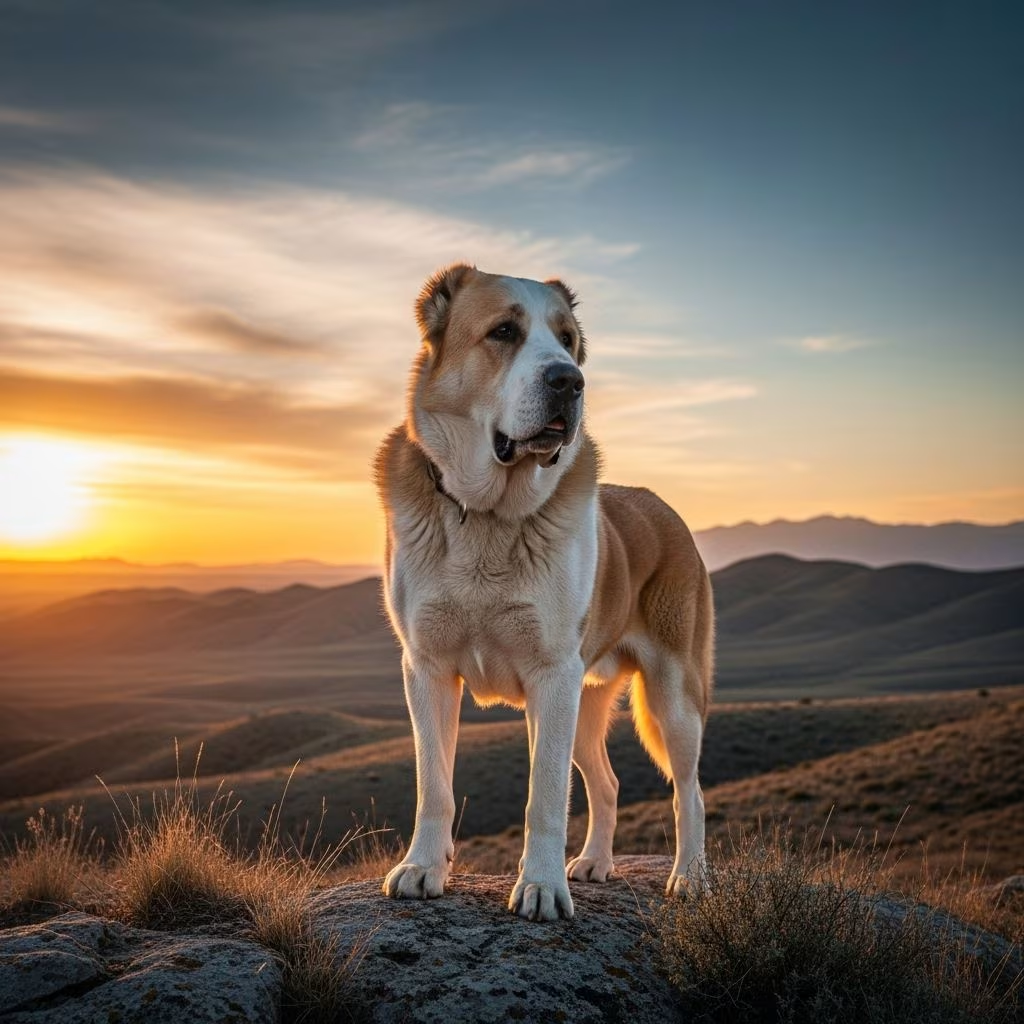
The Central Asian Shepherd Dog, also known as the Alabay or Alabai, stands among the world’s oldest and most resilient livestock guardian breeds. Renowned for its imposing size, unwavering protective instincts, and deep loyalty to its family, this ancient dog breed has developed under centuries of harsh conditions in Central Asia. In this comprehensive guide, you’ll learn about the breed’s history, personality, care requirements, and suitability as a companion, as well as its unique place among working dogs.
Breed Overview
| Breed Name | Central Asian Shepherd Dog |
|---|---|
| Other Names | Alabay, Alabai, Turkmen Wolf-Hound |
| Breed Type | Livestock Guardian, Working |
| Origin | Central Asia (Kazakhstan, Kyrgyzstan, Tajikistan, Turkmenistan, Uzbekistan) |
| Life Expectancy | 12 – 17 years |
| Height | Males: 28+ in (70+ cm); Females: 26+ in (65+ cm) |
| Weight | Males: 110–170 lbs (50–77 kg); Females: 80–120 lbs (36–54 kg) |
| Coat | Double coat; short to moderately long, dense, weather-resistant |
| Colors | Wide range, commonly white, fawn, brindle, black, gray, or combinations |
History and Origins
The Central Asian Shepherd Dog’s legacy stretches back thousands of years across the vast steppes and mountain ranges of Central Asia. Prized by nomads for its ability to guard livestock from formidable predators, the breed evolved through natural selection—only the most physically capable and intelligent dogs survived. Its heritage is intertwined with the lives of Turkic-speaking peoples, and the dog played a crucial role in their pastoral traditions, protecting sheep, goats, and cattle from wolves, bears, and thieves.
- Ancient Heritage: The breed’s genetic roots precede recorded history, making it one of the oldest known dog breeds.
- Working Role: Primarily developed to work independently or as part of a dog group, with minimal human guidance, guarding flocks across vast, rugged terrain.
- Regional Names: Known as Alabay (or Alabai) in Turkmenistan and by regional variations throughout Central Asia.
Today, while still used as livestock guardians in their native ranges, Central Asian Shepherds serve as property guardians and loyal family companions in many countries worldwide.
Physical Characteristics
- Size: Exceptionally large and robust. Males are taller and heavier, often more massive and powerful-looking; females are relatively lighter and smaller.
- Build: Muscular, sturdy, and well-balanced. The body is slightly longer than tall, contributing to athleticism and strong endurance.
- Head & Face: Broad, powerful skull with a strong jaw; small, drop ears (natural or cropped); expressive, keen eyes.
- Tail: Thick at the base, set high, typically carried in a sickle shape or curled when alert.
- Coat: Dense and double-layered; protects from severe cold and heat. Acceptable coat lengths range from short (approximately 1 inch) to moderately long.
- Color: Permitted in almost all colors—white, black, gray, brindle, fawn, and more—often with striking patterns.
Personality and Temperament
The Central Asian Shepherd Dog is defined by its impressive confidence, independence, and devotion to its people. As a breed honed to make decisions without human input, it often displays an aloof or reserved nature with strangers, while deeply affectionate and loyal toward those it trusts.
- Guardian Instinct: Boldly territorial, vigilant, and ready to defend its home, family, or livestock against any perceived threat.
- Intelligence and Independence: Highly intelligent but often thinks for itself, leading to a strong-willed and sometimes stubborn disposition.
- Loyalty: Forms tight bonds with its family, showing gentle and affectionate behavior toward those within its circle.
- Even-tempered: Calm and observant at rest, but quick and decisive in action if a threat is detected.
- Adaptable: Adjusts well to changing environments and climates, thanks to centuries of development in harsh regions.
- Protectiveness: Suspicious of strangers, particularly other dogs; early and ongoing socialization is essential.
- Barking: Generally quiet without provocation but will raise a deep, intimidating alarm when something is amiss.
Are Central Asian Shepherds Good With Children and Other Pets?
- With Children: Typically affectionate and protective with children in their family, especially older children who understand how to interact with large dogs. Supervision is essential due to their sheer size and potential for accidental harm during play.
- With Other Pets: Can coexist with other animals, particularly if raised together. They may challenge unfamiliar dogs, especially of the same sex. Early training and socialization are critical for harmony in multi-pet environments.
Care and Living Needs
As a large, active, and intelligent breed, the Central Asian Shepherd has specific requirements for its health and well-being.
Exercise Requirements
- Moderate, Not Hyperactive: Needs daily outdoor activity—long walks, free play in a secure yard, and opportunities to patrol their territory.
- Mental Stimulation: Enjoys purposeful work and activities that engage their mind; puzzle toys, scent games, and basic training sessions are beneficial.
- Space: Not well-suited for apartment living; thrives with room to roam in a fenced yard or rural property.
Training and Socialization
- Early Socialization: Exposing puppies to a wide range of people, situations, animals, and experiences is vital for shaping a stable adult dog.
- Obedience Training: Firm, consistent, and respectful leadership is essential. The breed responds best to calm, confident owners who use positive reinforcement.
- Patience Required: Dogs mature slowly and require extra time to develop both physically and mentally. Training should be ongoing, encouraging good manners and impulse control.
Living Arrangements
- Ideal Setting: Homes with large, secure yards or working farms/ranches where the dog can fulfill their role as a guardian.
- Indoors & Outdoors: Enjoys both; close bonds with their owners mean they should not be isolated outside continuously.
- Climate Tolerance: Adapted to both extreme cold and moderate heat, thanks to their insulating double coat.
Grooming and General Health
Grooming Needs
- Low Maintenance: Regular weekly brushing helps manage their heavy shedding and keeps their coat healthy. More frequent brushing may be necessary during seasonal shedding periods.
- Bathing: Occasional baths suffice unless the dog becomes particularly dirty or has rolled in messes.
- Ears & Nails: Check ears weekly for debris or signs of infection. Trim nails regularly to prevent overgrowth.
- Dental Care: Brush teeth routinely to prevent tartar buildup and dental issues.
Health and Common Conditions
Natural selection has blessed the breed with strong genetic resilience and a lack of many inherited diseases. However, due to their size, some health conditions may still arise:
- Hip Dysplasia: A common joint condition in large dogs, causing potential pain and mobility issues. Regular vet checks and maintaining appropriate weight help reduce risks.
- Elbow Dysplasia: Can also occur in large breeds.
- Bloat (Gastric Dilatation and Volvulus 6GDV): Life-threatening, rapid stomach expansion that requires immediate emergency attention. Feeding multiple small meals per day and avoiding vigorous exercise right after eating may help reduce risk.
- Von Willebrand 27s Disease: A hereditary bleeding disorder that can lead to excessive bleeding; responsible breeders screen for this condition.
- Progressive Retinal Atrophy (PRA): Progressive eye diseases that can cause blindness; not unique to the breed, but screening is advised.
Routine veterinary care, a healthy diet, and regular exercise are key to ensuring these dogs live long, productive lives.
Diet and Nutrition
- High-Quality Food: A balanced, age-appropriate commercial or well-designed home-cooked diet meets their nutritional needs.
- Portion Control: Avoid overfeeding to prevent obesity 6a notable concern in any large, slow-maturing breed.
- Supplements: Joint-support supplements (e.g., glucosamine, chondroitin) may be useful, especially in senior dogs.
- Fresh Water: Provide clean, fresh water at all times.
Is the Central Asian Shepherd Dog Right for You?
These dogs offer unmatched loyalty and protection, but their strong personalities and considerable size mean they are not the best match for every household.
- Best Suited For:
- Experienced dog owners 6especially those with past success handling large, strong-willed breeds.
- Homes with large, securely fenced yards or rural properties.
- Owners seeking an assertive, devoted guardian 6whether of property, people or livestock.
- Families with older children who understand and respect a dog 27s boundaries.
- Not Ideal For: First-time dog owners; apartment dwellers; families with very young children or those unable to provide daily exercise and training.
Frequently Asked Questions (FAQs)
How much exercise does a Central Asian Shepherd Dog need?
They require moderate daily exercise, such as long walks, mental challenges, and room to roam, but are not hyperactive dogs. They thrive with a job to do or a territory to monitor.
Are Central Asian Shepherds good with children?
Yes, with proper early socialization and supervision, this breed can be protective, patient, and affectionate with older children. Due to their size, supervision is a must to prevent accidental knocks or injuries during play.
What are common health issues in this breed?
While generally healthy, they are prone to hip dysplasia, elbow dysplasia, bloat, von Willebrand 27s disease, and progressive retinal atrophy. Regular veterinary checks and responsible breeding reduce risks.
Can Central Asian Shepherds live in apartments?
Apartment living is not recommended for this large, territorial breed. They need ample space and secure fencing to thrive physically and mentally.
What is the Central Asian Shepherd’s grooming requirement?
Their double coat needs weekly brushing (more during seasonal shedding). Regular ear, nail, and dental care maintain overall health. Bathing is only needed occasionally.
How long do Central Asian Shepherds live?
Their life expectancy is generally between 12 and 17 years when properly cared for.
Are Central Asian Shepherds aggressive?
When well-bred, socialized, and trained, they are assertive rather than aggressive, showing discernment and calm strength. Poor socialization or training, or lack of experience with large guardian breeds, may result in problematic behavior.
Summary
The Central Asian Shepherd Dog is a living embodiment of centuries-old guardian traditions. Courageous, independent, and profoundly loyal, it is a breed suited to owners ready for the responsibilities of guiding and coexisting with such a formidable companion. For those who can provide the right home and leadership, this remarkable dog offers protection, affection, and a unique link to ancient canine heritage.
References
- https://www.ukcdogs.com/central-asian-shepherd-dog
- https://dogtime.com/dog-breeds/central-asian-shepherd-dog
- https://dogacademy.org/breeds/central-asian-shepherd
- https://www.akc.org/dog-breeds/central-asian-shepherd-dog/
- https://en.wikipedia.org/wiki/Central_Asian_Shepherd_Dog
- https://www.petmd.com/dog/breeds/central-asian-shepherd-dog
- https://www.dogbreedinfo.com/centralasianovtcharka.htm
- https://www.modernmolosser.com/meet-the-central-asian-shepherd-dog
- https://www.europetnet.org/pet-resources/dog-breeds/item/1559-central-asian-shepherd-dog.html?tmpl=component&print=1