Savannah Cat Costs: Price, Care & Ownership Insights
The Savannah cat captivates with its wild beauty and dog-like personality, but owning one is a significant commitment. Before you invite this stunning breed into your home, understanding the costs, care requirements, and unique aspects of ownership is essential. This guide covers everything you need to know about Savannah cat costs, their origins, personality traits, suitability for different households, and essential care instructions.
What Is a Savannah Cat?
The Savannah cat is a striking hybrid breed, developed by crossing a domestic cat with the African serval. Known for its long legs, graceful physique, and bold spotted coat, Savannahs retain numerous wild traits in both appearance and personality. Their size, markings, and playful disposition make them stand out among domestic cats.
- Origin: First bred in the late 1980s in the US; the breed became recognized in the early 2000s.
- Heritage: Direct lineage to the African serval creates its unique look and temperament.
Savannah Cat Appearance & Features
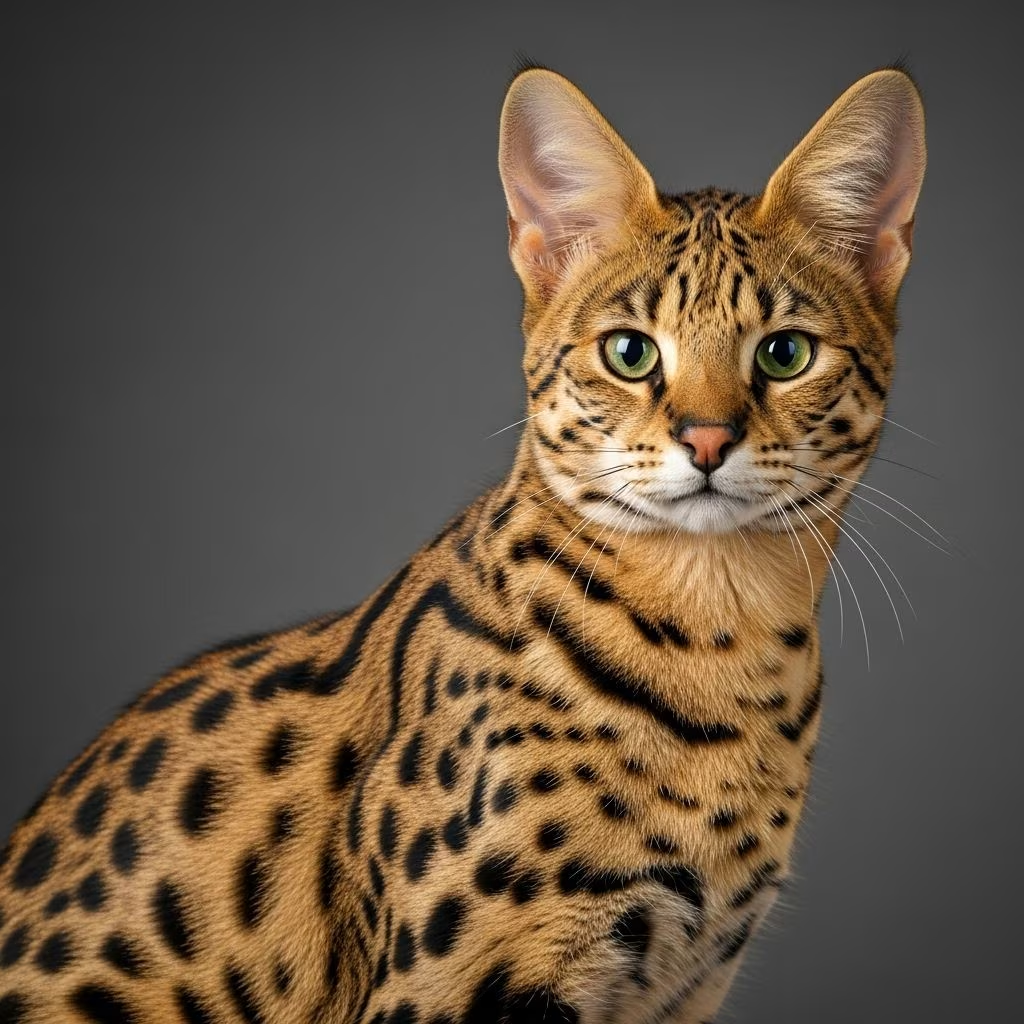
Savannah cats are instantly recognizable for their tall, lean bodies, large erect ears, and bold spotted coats. Their wild ancestry is evident in every stride and gaze.
- Size: Ranging from 12 to 25 pounds; early generations (F1, F2) are much larger than later ones.
- Body & Neck: Extra-long neck, lengthy legs, and a medium-length tail create their graceful appearance.
- Ears: Tall, wide, and set high, reminiscent of their serval ancestors.
- Coat & Colors: Short, slightly coarse coat with colors including brown spotted tabby, silver spotted tabby, black, black smoke, and rare shades like chocolate or lilac.
- Markings: Bold dark spots, cheetah-like tear streaks from the eyes, ocelli (eye-like spots) on ear backs.
- Eyes: Blue as kittens; adult eyes range from green, gold, to brown shades with a distinctive hooded brow.
| Feature | Details |
|---|---|
| Size | 12-25 lbs, tall & lean |
| Coat | Short, coarse, spotted or tabby |
| Colors | Brown, silver, black, smoke, rare shades |
| Ears | Tall, wide, erect with ocelli |
| Tail | Medium length, black rings & tip |
Savannah Cat Personality & Temperament
Highly intelligent and playful, Savannah cats develop a loyal bond with their families while retaining a streak of independence. Their adventurous and assertive behavior sets them apart from typical lap cats.
- Intelligence: Persistent and curious, often able to open doors and interact with household objects.
- Loyalty: Forms strong bonds, greets owners at the door, and frequently follows them around.
- Activity Level: High-energy, needs extensive physical and mental stimulation.
- Affection: Affectionate on their own terms; prefer proximity rather than cuddling.
- Dog-like Traits: Loves playing in water, can be trained to walk on a harness, enjoys games like fetch.
- Compatibility: With proper socialization, good with children, other cats, and some dogs.
- Prey Drive: Strong hunting instincts may not be suitable for homes with small pets like birds or rodents.
Savannah Cat Price: How Much Does a Savannah Cat Cost?
The price of a Savannah cat varies significantly based on generation, pedigree, breeding quality, and the breeder’s reputation.
- F1 (First Generation): $12,000 to $20,000 or more, owing to high serval genetics and larger size.
- F2 Savannah: $7,000 to $12,000 typically; slightly less serval DNA but still strikingly exotic.
- F3 – F5 (Later Generations): $1,000 to $8,000, with prices decreasing as generations become more domesticated.
- Other price influencers: Gender (males usually larger and pricier), breeder’s credentials, show quality, and location.
Rare colors or exceptional markings can further drive up prices for individual cats.
| Generation | Estimated Price Range |
|---|---|
| F1 | $12,000 – $20,000+ |
| F2 | $7,000 – $12,000 |
| F3-F5 | $1,000 – $8,000 |
Additional Savannah Cat Ownership Costs
Beyond the initial purchase, Savannah cat ownership involves several recurring expenses. These cats require specialized care due to their energetic nature and exotic genetics.
- Quality Food: High-protein, grain-free diets optimal for health; $50-$100 per month.
- Veterinary Care: Annual checkups, vaccinations, parasite prevention, unexpected medical costs ($200-$600+ per year).
- Pet Insurance: Recommended for hybrid breeds; costs vary but typically $30-$50/month.
- Enrichment: Leashes, harnesses for walks; interactive toys, puzzle feeders ($50-$200 initial setup, ongoing replacements).
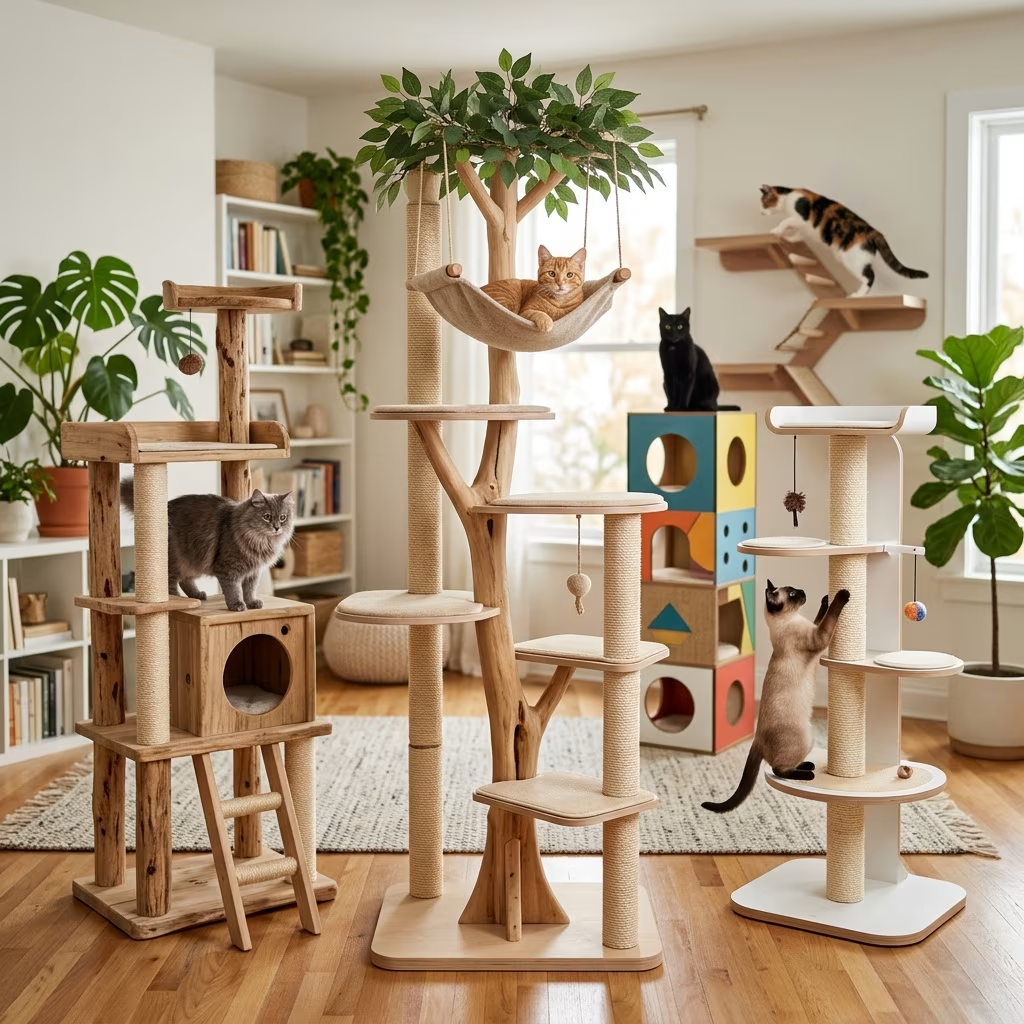
- Litter & Supplies: High-quality litter, tall sturdy cat trees, scratching posts ($20-$60/month).
- Licensing & Permits: Some regions require special permits or have legal restrictions due to hybrid status.
Early generation Savannahs (F1, F2) may have additional requirements for housing, security, and space due to their size and activity level.
Factors Influencing Savannah Cat Pricing
Several factors impact the cost of purchasing a Savannah cat, aside from generation:
- Breeder Reputation: Established breeders with TICA or CFA registration ensure health, pedigree, and ethical practices.
- Pedigree: Show-quality cats command higher prices.
- Size & Appearance: Larger cats with pronounced serval-like features are often valued higher.
- Geographic Location: Prices may vary due to regional supply, shipping, and legal regulations.
- Vaccinations & Health Screening: Comprehensive screening and certifications increase upfront costs but assure long-term health.
Is a Savannah Cat Right for You?
Savannah cats offer a unique pet experience, but their dog-like energy and need for interaction make them a commitment.
- Best for active households where play, training, and exploration are regular.
- Not ideal as lap cats; they prefer movement and stimulation to cuddling.
- Requires ample vertical space, outdoor walks, and a safe environment due to their curiosity.
- Good option for experienced cat owners excited by exotic breeds and involved pet care.
If your lifestyle includes time for play, enrichment, training, and companionship, the Savannah cat may be an ideal fit. Otherwise, a lower-maintenance breed might be better suited.
Legal Considerations for Savannah Cat Ownership
The hybrid status of Savannah cats leads to restrictions in certain states, counties, and cities. Always check your local regulations before bringing a Savannah cat home.
- Permits: Some jurisdictions require permits for ownership, especially for F1 or F2 cats.
- Prohibited Areas: A few locations ban hybrid breeds outright due to concerns over wildlife or public safety.
- Homeowner/Rental Rules: Some properties may restrict exotic pets.
Savannah Cat History & Breed Development
The Savannah cat originated in 1986, with the first known kitten bred by crossing a domestic cat with an African serval. The unique traits attracted breeders and pet enthusiasts, leading to formal breed standards and recognition by TICA (The International Cat Association) in 2001, and championship status in 2012.
- Original breeders: Patrick Kelly and Joyce Sroufe crucial in breed development.
- Recognition: One of the most remarkable and recently established breeds, prized for their exotic traits and vibrant personalities.
Savannah Cat Care Requirements
Caring for a Savannah cat means more than feeding and grooming; these cats need intellectual stimulation, physical activity, and close bonds with their owners.
- Diet: High-protein, grain-free, ideally meat-based food to support their energy and lean muscle.
- Exercise: Daily play sessions with toys, games like fetch, and walks on a harness are important.
- Grooming: Short coats need minimal brushing; regular nail trims and ear checks.
- Veterinary Care: Hybrid-specific checkups, routine vaccinations, and parasite prevention.
- Stimulation: Puzzle toys, training challenges, and interactive play.
Frequently Asked Questions (FAQs)
Q: Are Savannah cats legal everywhere?
A: No, ownership restrictions and permit requirements apply in several regions, especially for earlier generations (F1-F2).
Q: How big do Savannah cats get?
A: Size varies widely by generation; F1s can reach 25 pounds or more, later generations are comparable to other larger domestic breeds.
Q: Do Savannah cats make good family pets?
A: With proper socialization, Savannahs can be excellent with children, other cats, and sometimes with dogs. Their high energy requires engaged owners.
Q: What do Savannah cats eat?
A: Diet should be high in protein, low in fillers; wet or dry food formulated for active breeds is best.
Q: Can Savannah cats be kept with other pets?
A: Not recommended for homes with small pets like birds or rodents due to their strong prey drive, but may live peacefully with other cats and some dogs if raised together.
Q: How long do Savannah cats live?
A: Most Savannah cats live 12-20 years with proper care.
Savannah Cat Pros & Cons Summary
| Pros | Cons |
|---|---|
| Exotic appearance | High cost of purchase |
| Intelligent and trainable | Extensive exercise needs |
| Loyal companion | Legal restrictions in some areas |
| Long lifespan | Not suited for homes with small pets |
| Unique pet experience | Requires experienced owner |
Final Thoughts: Is the Savannah Cat Worth It?
Owning a Savannah cat is a rewarding yet demanding experience. Their beauty, intelligence, and personality offer companionship unlike any other breed, but only for owners committed to meeting their unique needs. Evaluating costs, compatibility, and legalities is vital before adding a Savannah cat to your household.
References
- https://tica.org/breed/savannah/
- https://www.purina.com/cats/cat-breeds/savannah
- https://en.wikipedia.org/wiki/Savannah_cat
- https://www.litter-robot.com/blog/f1-savannah-cats/
- https://www.petplan.co.uk/cat-insurance/cat-breeds/savannah.html
- https://www.outdoorbengal.com/blogs/cat-breeds/savannah-cat-101
- https://www.webmd.com/pets/cats/what-to-know-about-savannah-cat
- https://www.f1hybridssavannahcats.com/breed/personality
- https://www.youtube.com/watch?v=Ap0HCkUYWw8