Lykoi Cat Cost & Ownership Guide
The Lykoi cat—commonly referred to as the ‘Werewolf Cat’—has quickly captured attention worldwide due to its unique, wolf-like appearance and rare, patchy coat. If you’ve ever wondered what sets the Lykoi apart, what costs you might face as an owner, or what it’s really like living with one, this guide covers every aspect of Lykoi ownership in detail.
What Is a Lykoi Cat? The “Werewolf” Feline Explained
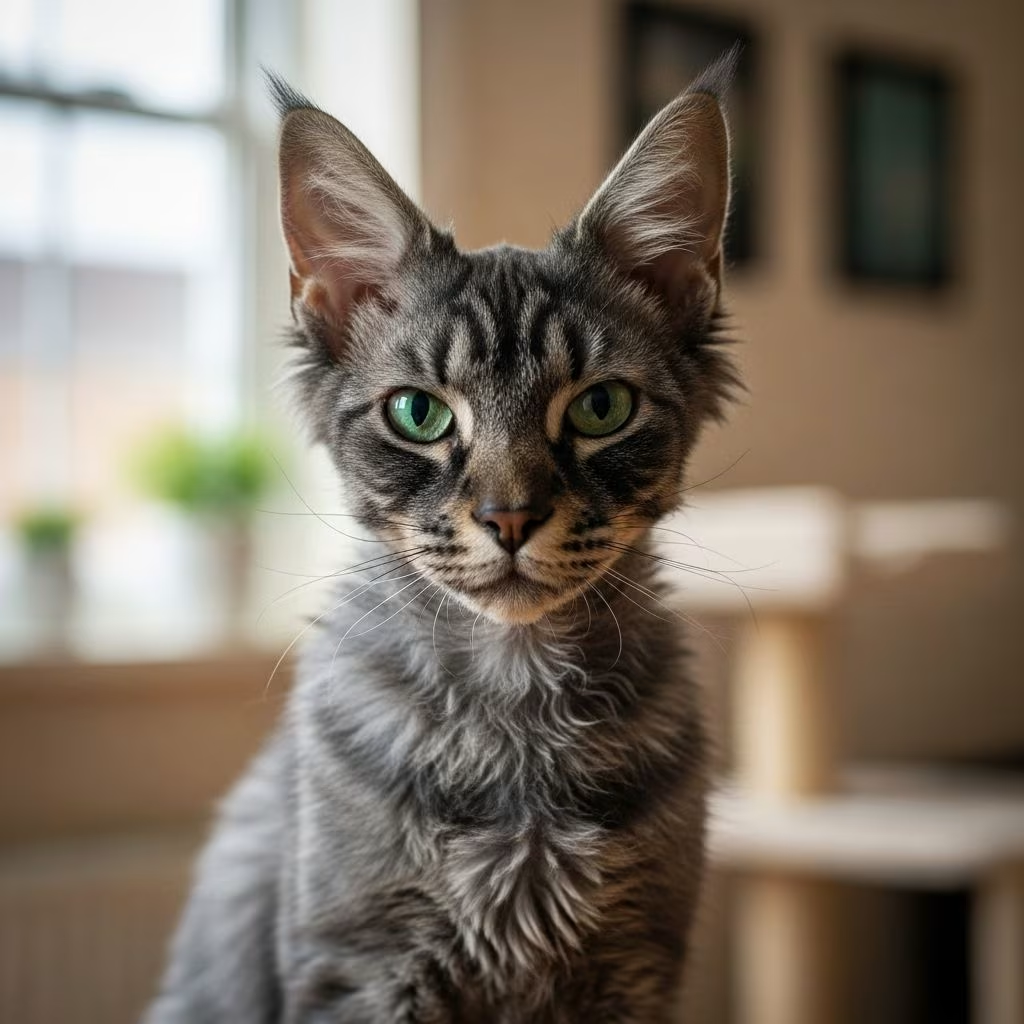
The Lykoi is a relatively new and naturally occurring breed, first identified in the United States around 2011. Its name comes from the Greek word ‘Lycos,’ meaning wolf, reflecting its distinct facial features and coat pattern reminiscent of a wild wolf. The breed was developed and maintained by careful outcrossing with black domestic shorthair cats to ensure genetic health, with champion status recognized by several major cat associations.
- Distinct Appearance: Sparse, grizzled coat with hairless areas—most notably around the eyes, nose, muzzle, and backs of the ears.
- Coat Pattern: Roan pattern; a mix of black and white hairs, with some partially hairless regions.
- Physique: Lean, lithe, and muscular. Large, high-set ears and striking golden or green ‘werewolf eyes.’
- Size: Medium-sized, males larger than females. Tail typically shorter than the body.
How Much Does a Lykoi Cat Cost?
The price of a Lykoi cat largely depends on the breeder, age, pedigree, and geographical area. As one of the rarest and most sought-after breeds worldwide, prices reflect both their uniqueness and the costs involved in careful breeding.
| Type | Estimated Cost (USD) |
|---|---|
| Pet quality kitten | $1,500 $2,500 |
| Show/breeding quality | $2,500 $4,000+ |
| Rescued or adopted adult | $800 $1,500 |
Additional Costs: Shipping, import/export, initial vet checks, vaccinations, microchipping, and spay/neuter may add $300$600 to the initial purchase price.
- Waiting lists: Due to rarity, expect a wait list with reputable breederssometimes up to one year or more.
- No breed-specific rescues: Very few Lykoi cats are available through rescues due to their scarcity.
Lykoi Cat Ownership: Recurring Expenses
Owning a Lykoi comes with several predictable annual costs. Here’s what to budget for after the initial purchase:
- Food: Quality cat food, especially protein-rich diets, $250$400 annually.
- Routine Veterinary Care: Exams, vaccines, parasite prevention$200$400 per year.
- Pet Insurance: Optional, but recommended for a rare breed$300$600 annually.
- Grooming: Basic grooming and skin care, including gentle products, $50$120 per year.
- Toys & Environmental Enrichment: Interactive toys, scratching posts, $50$150 per year.
- Litter & Accessories: Litter boxes, fresh litter, $100$150 per year.
Total typical annual costs for a single Lykoi cat: $900$1,600, not including emergency medical expenses or luxury accessories.
Lykoi Cat Personality Traits
Despite their rugged, mysterious looks, Lykoi cats are incredibly affectionate and social. Owners consistently describe them as:
- Intelligent: Lykoi are excellent problem-solvers and quick learners.
- Curious & Observant: Expect them to investigate new sights, sounds, and people before warming up.
- Playful & Energetic: Strong prey drive; love to stalk toys, chase, fetch, and climb.
- Loyal: Form deep bonds with their families and often follow favorite people from room to room.
- Independent but Affectionate: Enjoy alone time exploring but often seek attention through gentle pawing or nuzzling.
Well-socialized Lykois are excellent with other pets, children (with supervision), and handle multi-person households with ease provided enrichment needs are met.
Is the Lykoi Cat Hypoallergenic?
No, the Lykoi is not hypoallergenic. Despite having less fur than other cats, the main triggers for cat allergies—saliva, dander, and urine—are still present. However, Lykois shed less and may produce fewer airborne allergens than more heavily coated breeds. Families with sensitivities should spend time with a Lykoi before committing to ownership.
Unique Health and Maintenance Considerations
Lykoi cats are generally considered healthy, thanks to the outcrossing practices with black domestic cats that minimize inbreeding. However, a few breed-specific considerations exist:
- Skin Sensitivity: Their exposed skin requires gentle grooming. Avoid harsh brushes and protect from prolonged direct sunlight which can darken their skin or cause sunburn.
- Molting: Lykois may shed most of their coat at least once annually; this is normal but can alarm new owners.
- Grooming Needs: Regular bathing with sensitive, fragrance-free shampoos is recommended due to exposed skin and sparse coats. Daily grooming helps remove dead hairs and prevents skin issues.
- Routine Health Checks: Annual vet exams, regular parasite prevention, dental care, and vaccinations as with any domestic cat. Monitor coat and skin for irritation or signs of unexplained hair loss.
Lykoi Cat Origins and Breed History
The Lykoi breed emerged from a naturally occurring recessive gene in the feral cat population in the United States. The breed’s foundation dates to 2011, when several unrelated litters displaying the ‘werewolf’ look were evaluated for genetic health. Breeders confirmed the look was not related to illness but a unique genetic trait, and began formal breeding programs with black domestic shorthair cats to diversify the gene pool.
- Breed Recognized: The Lykoi is recognized by major organizations including The International Cat Association (TICA) and Cat Fanciers’ Association (CFA).
- Show Status: Championship status was achieved after rigorous breed standard development and extensive genetic testing to prevent health and inbreeding issues.
Lykois are still remarkably rare, with breeder waitlists often exceeding several months or even years.
Environment, Lifestyle & Enrichment Needs
Lykois thrive in enriched environments that support mental and physical exercise. Their intelligence and high energy make them best suited to dedicated owners who provide:
- Interactive Play: Daily engagement through simulated hunting, puzzles, and fetch.
- Safe Outdoor Access: Supervised leash walks, secure balconies; never unsupervised due to coat vulnerabilities.
- Calm Environment: Lykois adapt best in stable, low-stress households. They appreciate time alone but flourish with regular companionship.
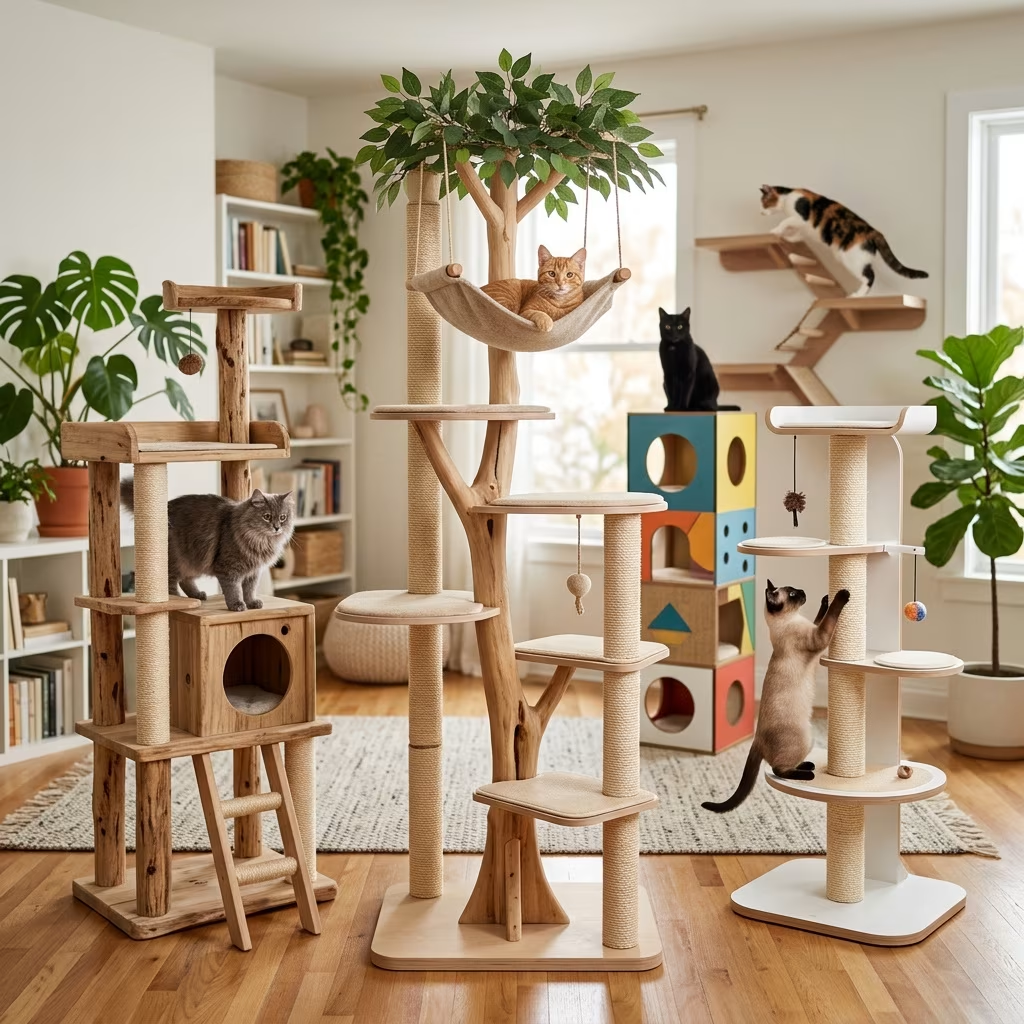
- Regular Enrichment: Cat trees, scratching posts, and plentiful toys recommended to keep Lykois mentally engaged.
Due to their rare status and sensitive skin, Lykois are not the best choice for busy or chaotic homes and are best enjoyed by committed enthusiasts.
Grooming Requirements: Daily Care for the Lykoi
Lykoi grooming is focused more on skin care than fur maintenance due to their partial hairlessness. Key tips include:
- Use gentle, hypoallergenic grooming tools.
- Limit sun exposure, especially for very sparse-coated Lykois.
- Weekly light bathing removes excess oils and loose hair.
- Check for skin irritation or lesions during regular grooming.
- Keep facial folds clean, especially around the eyes and muzzle.
Lykoi cats’ unique coats may appear to change or shed substantially at certain times in life. Owners should anticipate and prepare for seasonal coat changes or molting periods, which are natural for the breed.
Common Myths About Lykoi Cats
- Myth: “Lykois are unhealthy due to their appearance.”
Fact: Their look is the result of a benign genetic mutation, not illness. - Myth: “All Lykois are completely hairless like Sphynx cats.”
Fact: Lykoi have a distinctive patchy coat with roan coloring; none are ever completely hairless. - Myth: “Lykois are aggressive or wild.”
Fact: Lykois are gentle, playful, and affectionate family pets.
Frequently Asked Questions (FAQs) About Lykoi Cats
Q: How rare is the Lykoi cat?
A: Lykois remain one of the rarest breeds worldwide, with limited numbers born each year and most reputable breeders maintaining wait lists for new kittens.
Q: Are Lykois suitable for families with small children?
A: Lykois can do well in homes with older, respectful children and other pets, but their skin requires gentle handling, so supervision is essential.
Q: Do Lykois have breed-specific health problems?
A: No known major health issues plague the breed, thanks to their genetically diverse foundation. Like all cats, they benefit from regular checkups and preventive care.
Q: How much grooming does a Lykoi need?
A: Weekly grooming and occasional baths are required, with extra attention to skin protection and avoiding harsh products or sun exposure.
Q: Are Lykois indoor or outdoor cats?
A: Lykois should be kept primarily indoors due to their skin’s vulnerability, but can enjoy closely supervised outdoor time.
Final Thoughts: Is the Lykoi Cat Right For You?
The Lykoi cat is a visually striking, social, and intelligent companion, but its rarity brings high costs and specific care needs. Prospective owners should budget carefully for initial and annual expenses, prioritize a stable and enriched home environment, and commit to the breed’s unique grooming and health requirements. Lykois reward their devoted owners with boundless curiosity, affection, and a personality every bit as unforgettable as their “werewolf” look.