Types of Burmese Cats: Colors, Breeds & Personality Traits
Burmese cats are among the most charming and engaging feline companions, recognized for their array of coat colors, breed variations, and distinctly social personalities. Whether you are a first-time cat owner, an experienced enthusiast, or searching for the ideal family pet, Burmese cats offer endless fascination and warmth.
Origins and Background of the Burmese Cat
The history of the Burmese cat traces back to Southeast Asia, particularly Myanmar (formerly Burma). The breed gained recognition in Western countries during the 20th century, captivating cat lovers with its striking looks and people-oriented nature. The Burmese legend holds that these cats were once temple cats, revered for their elegance and companionship.
Breed Types: American vs. British Burmese
Burmese cats are distinguished by two primary breed types, each reflecting different standards and features:
- American Burmese: Compact, muscular build with a rounder head and fuller cheeks. The coat tends to be slightly shorter and glossier, and the overall look is stockier. American Burmese cats are known for their dense feel and surprising weight.
- British (European) Burmese: More elongated and dainty in appearance. They display a wedge-shaped head, slightly longer limbs, and a softer, slender body. The British Burmese is elegant, with a refined silhouette.
Both types share similar temperaments, being exceptionally social and intelligent, although subtle differences in physical traits and accepted coat colors exist between them.
Physical Appearance
Burmese cats are best known for their ’rounded’ features:
- Head: Round in American type or wedge-shaped in British type.
- Ears: Medium-sized, broad-based, rounded at the tip.
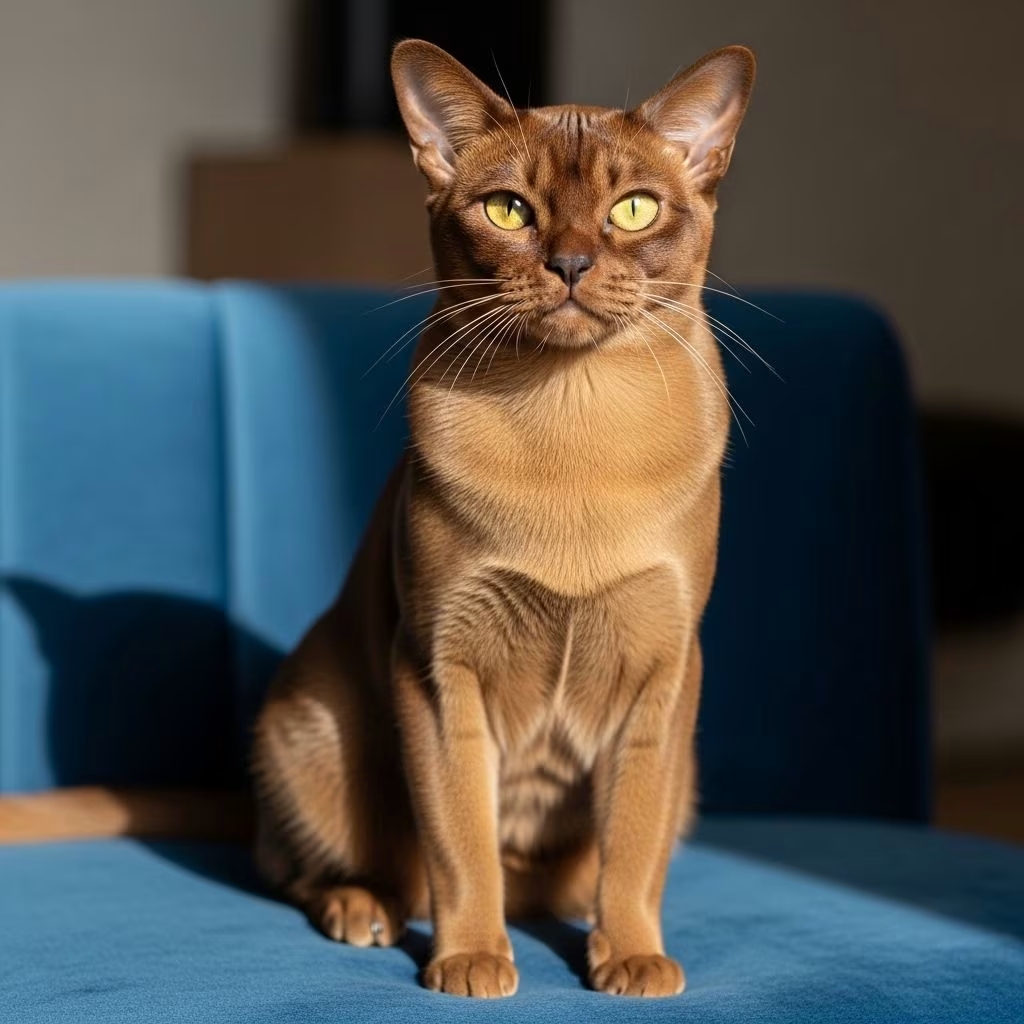
- Eyes: Large, round, golden-yellow in color with an enchanting, expressive look.
- Body: Muscular, surprisingly heavy for their size, with slender legs and neat, oval paws.
- Tail: Of medium thickness, tapering to a rounded tip.
Coat is short, silky, and easy to maintain, offering a glossy, polished appearance. Grooming Burmese cats typically requires minimal effort due to their coat’s texture and length.
Accepted Colors and Patterns of Burmese Cats
Burmese cats stand out for their beautiful and diverse range of colors. Over time, breeders have expanded the selection well beyond the traditional deep brown (sable).
Classic and Modern Colors
- Sable (Walnut Brown): The original and signature color, displaying deep brown tones often darkest along the back and flanks. The fur has multiple chocolate shades, giving a luxurious appearance.
- Champagne: A warm beige-brown shade, lighter than sable, with a subtle glow.
- Blue: Soft, warm blue-gray, sometimes with lilac undertones.
- Platinum (Lilac): Pale, silvery-lilac coat with pinkish-red tinges, a gentle and elegant presentation.
- Chocolate: A honey-beige hue, warmer and lighter than sable.
- Red: A golden-apricot or rich reddish-caramel coloring.
- Cream: Light platinum, sometimes golden-toned cream with a gentle warmth.
- Tortie varieties:
- Brown tortie: Mixture of sable and red patches.
- Blue tortie: Mix of blue and cream.
- Chocolate tortie: Chocolate mixed with red, often honey-beige and golden patches.
- Lilac tortie: Soft lilac with subtle cream or red tones.
Most Burmese kittens may display slightly darker or multi-toned shading along their points, which evens out into a consistent color as they mature.
Table: Burmese Cat Colors and Description
| Color | Description | Notes |
|---|---|---|
| Sable | Deep, walnut brown; varying chocolate tones | Most common, original color |
| Champagne | Warm beige-brown | Lighter than sable, subtle shine |
| Blue | Warm blue-gray | Elegant, soft coloring |
| Platinum (Lilac) | Pale, silvery lilac with pink-red undertones | Rare, sophisticated |
| Chocolate | Honey-beige | Warm, lighter than sable |
| Red | Golden apricot | Vibrant, energetic look |
| Cream | Light platinum cream | Delicate, rare |
| Tortie | Mixed patches (sable/blue/chocolate/lilac with red or cream) | Multi-colored, unique per cat |
Personality Traits and Temperament
Burmese cats are celebrated for their exceptional personalities, making them highly desirable family pets. Their core traits include:
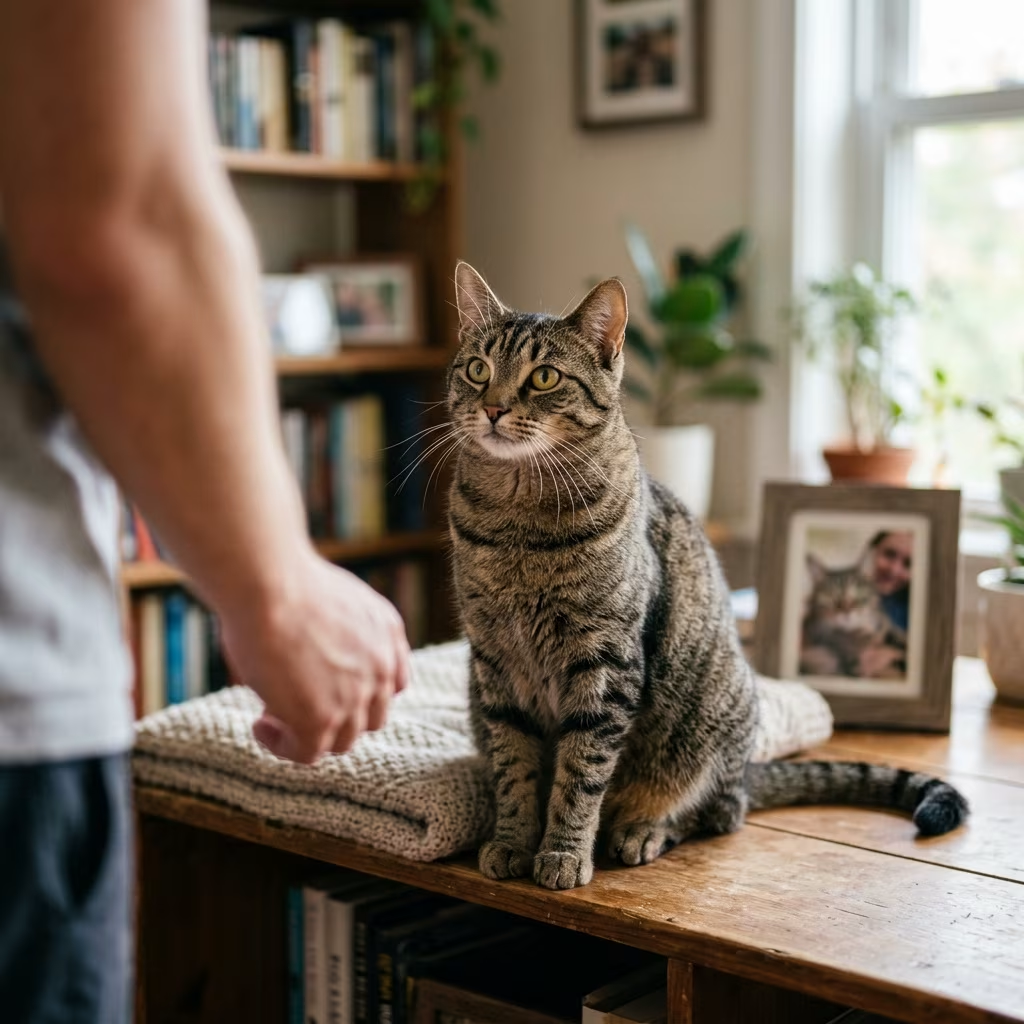
- Affectionate: Deeply loving and emotionally attached to their owners; follow people around and sleep with them if allowed.
- Social: Thrive on interaction; dislike being left alone for extended periods. Enjoy the company of children, other cats, and even dogs.
- Intelligent: Highly trainable, capable of learning games like fetch and tag, and enjoy mental stimulation with toys and puzzles.
- Vocal: Expressive, with a soft sweet voice inherited from their Siamese ancestry; communicate by meowing and expect responses.
- Playful: Energetic and acrobatic, precocious even as adults. Enjoy climbing, jumping, and interactive games.
- Mischievous: Known for curiosity and delightful antics, always eager to participate in family activities.
These cats assume active roles in household life and are known for their ‘dog-like’ attachment to people, exhibiting persistent, constant companionship.
Caring for Burmese Cats
Grooming and Coat Care
- The short, silky coat of the Burmese is low-maintenance; weekly brushing is typically sufficient to keep shedding in check.
- Bathing is rarely needed unless the cat gets unusually dirty.
Environmental Needs
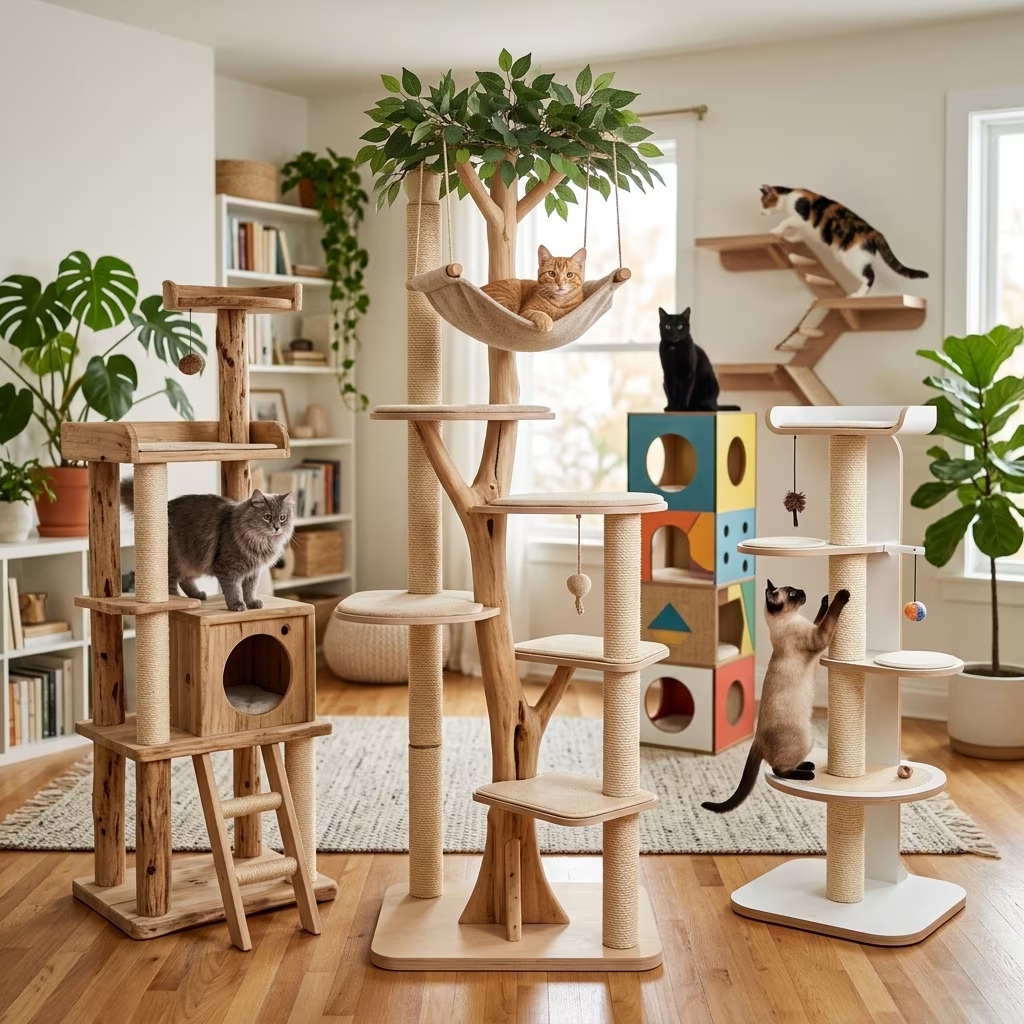
- Burmese cats need stimulation—offer plenty of toys, scratching posts, cat trees, and perches to satisfy their climbing and jumping instincts.
- Best kept as indoor cats due to their fearless, inquisitive nature; outdoor access should be safe and supervised only.
- They adapt well to families but need regular attention and companionship.
Health and Nutrition
- Burmese cats are typically robust, with a life expectancy of 12 years or more.
- Monitor nutrition closely; their solid build can be prone to obesity if overfed or under-exercised.
- Routine veterinary checkups are necessary to maintain long-term health. Burmese are not known for breed-specific health issues but, like all cats, benefit from preventative care.
Frequently Asked Questions (FAQs) About Burmese Cats
Q: Are Burmese cats good for families with children?
A: Yes, Burmese cats are known for their affectionate and tolerant nature, making them excellent companions for children. They enjoy interactive play and quickly form bonds with young family members.
Q: Do Burmese cats get along with other pets?
A: Generally, Burmese cats are sociable and can integrate well with other cats and even dogs, especially when introduced gradually and with care.
Q: Are Burmese cats high maintenance?
A: No, their short, silky coats require only minimal grooming. Weekly brushing is often enough, and their engaging personalities mean they are more emotionally demanding than physically.
Q: Are Burmese cats vocal?
A: Yes, Burmese cats are notably talkative, but their voices are soft and sweet rather than harsh or loud. They enjoy conversing with their owners.
Q: What is the average lifespan of a Burmese cat?
A: Burmese cats are generally healthy and can live 12 years or longer with proper care, nutrition, and regular veterinary attention.
Q: Which Burmese color is the rarest?
A: Among the accepted colors, platinum (lilac) and cream are considered less common, particularly outside the UK and Australia.
Q: Can Burmese cats go outdoors?
A: Due to their fearless, curious nature and strong attachment to humans, Burmese cats are best kept indoors or in secure outdoor enclosures.
Summary: Why Choose a Burmese Cat?
- Great for families: Their affectionate and playful nature ensures they integrate smoothly into most households.
- Diverse appearance: Choose from a wide range of beautiful coat colors and patterns.
- Intelligent and trainable: Their curiosity fuels entertainment and learning opportunities.
- Robust: Generally healthy with a long lifespan.
- Engaging: For owners seeking more than just a pet, Burmese cats deliver constant companionship and interaction.
Burmese cats stand as a testament to feline diversity, offering stunning visual appeal merged with a personality that’s guaranteed to win hearts. Their adaptability, social instincts, and playful disposition make them an ideal choice for both novice and experienced cat owners alike.
References
- https://www.webmd.com/pets/cats/what-to-know-about-burmese-cats
- https://www.hillspet.com/cat-care/cat-breeds/burmese
- https://en.wikipedia.org/wiki/Burmese_cat
- https://www.gccfcats.org/getting-a-cat/choosing/cat-breeds/burmese/
- https://www.purina.co.uk/find-a-pet/cat-breeds/burmese
- https://www.catster.com/lifestyle/types-of-burmese-cats/
- https://cfa.org/breed/burmese/
- https://cats.com/cat-breeds/burmese