How Often Do Cats Pee?
Cats are meticulous creatures, and their bathroom habits often reflect their overall well-being. As a cat owner, understanding how often cats pee is essential not only for litter box maintenance but also to quickly spot changes that might signal health problems. But what’s normal, and what might be a red flag?
Normal Feline Urination Patterns
For most healthy adult cats, urinating between two and four times a day is considered typical. However, this frequency can vary based on individual factors, including diet, age, hydration, activity level, and overall health status.
- Adult cats: Typically urinate 2–4 times daily.
- Kittens: May urinate more frequently due to smaller bladders.
- Senior cats: Increased urination may indicate underlying health concerns.
Typical Litter Box Signs
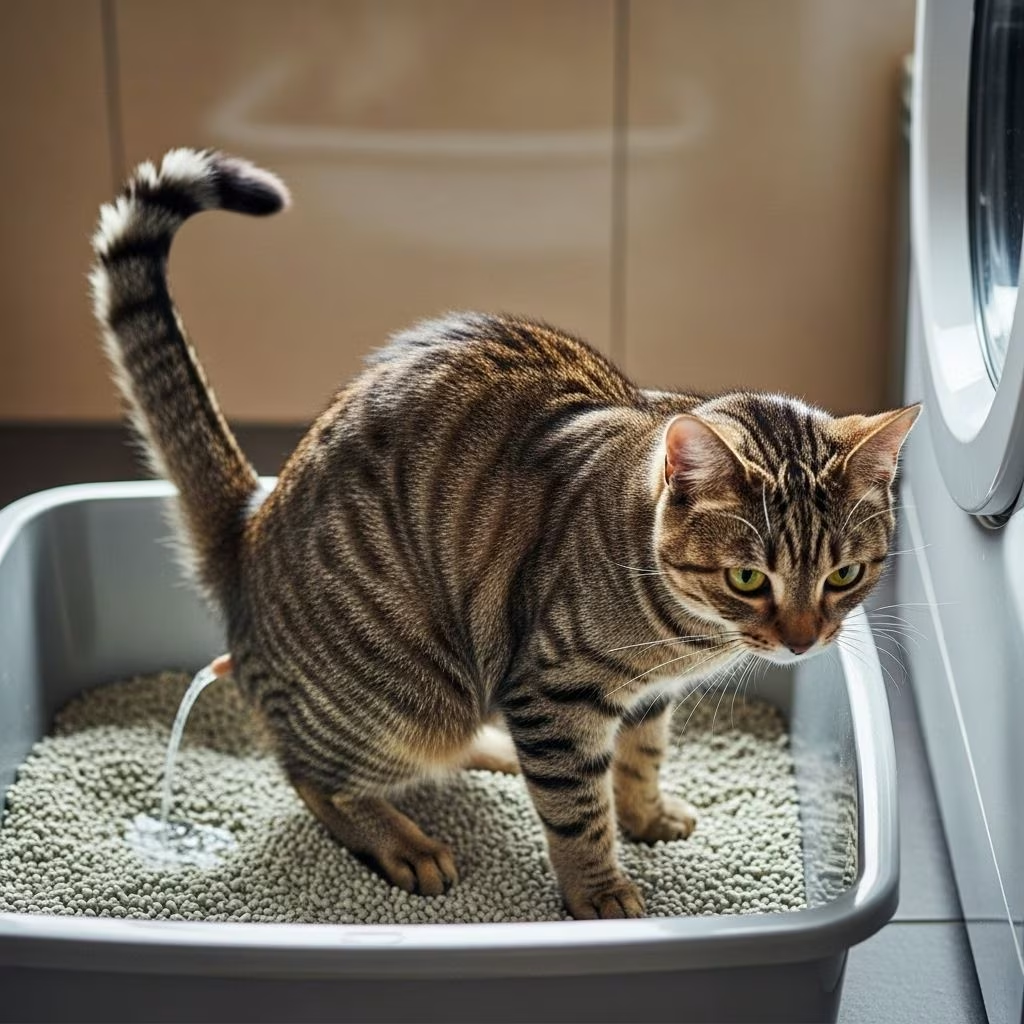
Cats tend to use their litter box every time they need to urinate, resulting in clumps usually golf-ball to tennis-ball sized. Over time, owners become familiar with their cat’s patterns, making it easier to quickly notice any deviations.
Factors Influencing How Often Cats Pee
The number of times a cat urinates isn’t arbitrary. Instead, it’s the result of several interconnected factors:
Diet: Wet vs Dry Food
- Cats on wet food eat a diet higher in moisture, often leading to more frequent urination due to increased water consumption.
- Cats fed primarily dry kibble have less water in their diet and may urinate less often.
Hydration and Water Intake
- Cats that drink more water, especially those attracted to water fountains or running water, are likely to urinate more often.
- Dehydration can cause cats to urinate less and produce more concentrated urine, increasing the risk of urinary tract issues or stones.
Activity Level
- Higher activity typically leads to increased water consumption and urination.
Age and Size
- Kittens: Because of smaller bladders, kittens pee more often than adults.
- Seniors: Older cats may urinate more frequently due to age-related health changes, such as kidney disease or diabetes.
Underlying Health Conditions
- Diseases like kidney disease, diabetes, hyperthyroidism, and urinary tract infections (UTIs) can cause changes in urination patterns, often leading to increased frequency and/or volume.
Why Monitoring Peeing Matters
Monitoring how often—and how much—your cat pees is a vital part of preventive health care. Changes in frequency, volume, or difficulty can be early warning signs of health issues that need intervention.
- Less than 1–2 pees per day: Possible dehydration or urinary blockage (URGENT in male cats).
- More than 5–6 pees per day: Could be a sign of diabetes, kidney disease, or other medical conditions.
The Cat Bathroom Routine: Peeing and Pooping
Your cat’s elimination habits for both urine and feces are closely related. A healthy cat should poop around 1–2 times a day in addition to their regular urination. Both routines can be influenced by hydration, diet, and health. Monitoring both is key since a problem with one can affect the other.
Spotting Trouble: Warning Signs to Watch For
It’s important to watch for certain changes and behaviors that could indicate a health problem:
- Straining: A cat crouching in the litter box trying to urinate or defecate, with little or no result; may indicate constipation, UTI, or (especially in males) a dangerous urinary blockage.
- Blood in urine or stool: Always a significant red flag. Requires immediate veterinary attention.
- Sudden changes in frequency: For example, if your cat goes from peeing twice daily to not at all, or starts urinating six times a day, it’s time to call the vet.
Common Reasons for Increased Urination
- Increased water intake: Sometimes benign, but can also signal diabetes or kidney issues.
- Diabetes mellitus: Causes increased thirst and urination.
- Chronic kidney disease: Damaged kidneys can’t concentrate urine, increasing frequency and volume.
- Hyperthyroidism: Often seen in older cats, this causes higher metabolism—including more peeing.
- UTIs or bladder infection: Can result in a sudden need to urinate frequently.
Common Reasons for Decreased Urination
- Dehydration: Caused by low thirst, poor drinking behavior, illness, or inadequate diet hydration.
- Obstructions/blockages: Particularly dangerous in male cats; may try to urinate but little or nothing comes out. Urgent emergency!
- Stress or behavior changes: Sometimes environmental changes cause cats to avoid the litter box.
Monitoring Your Cat’s Litter Box Use
Keeping a regular eye on your cat’s litter box can save their life. Here are some practical tips:
- Scoop daily: Helps you track consistency and spot changes quickly.
- Count clumps: A simple way to monitor how often your cat is peeing.
- Weigh urine clumps: Place them in a plastic bag and weigh daily to get a ‘baseline’ output when your cat is healthy. Compare to this if problems arise.
- Consider automated litter boxes: Some smart litter boxes track usage automatically for early detection of changes.
Hydration: Encouraging Your Cat to Drink More
Cats, descended from desert animals, often have a low thirst drive. But adequate hydration is vital for maintaining healthy urinary habits and preventing problems. Here’s how you can help:
- Provide fresh water in multiple locations.
- Use pet water fountains to make drinking more appealing.
- Add wet food to boost dietary water intake.
- Try flavoring water with a bit of tuna juice or low-sodium broth (check with your vet first).
How Diet Affects Urination
A cat’s diet is directly linked to their urinary health:
- Wet food: Contains 70–80% water, increasing urination frequency and diluting urine (good for urinary health).
- Dry food: Contains less than 10% water, promotes water conservation, and may contribute to lower urinary tract issues in some cats if not balanced with high water intake.
- Special prescription diets: Available for cats prone to urinary tract problems, often formulated to optimize urine pH and reduce stone/crystal formation.
Table: Cat Urination Frequency – What’s Normal?
| Cat Type | Normal Urination Frequency | Notes |
|---|---|---|
| Adult Cat (Healthy) | 2–4 times per day | Varies with diet, hydration, and activity. |
| Kitten | More than adults | Smaller bladder, frequent urination. |
| Senior Cat | Similar or slightly increased | Frequent changes could indicate disease. |
| Cat on Wet Food | 3–5 times per day | Increased frequency due to higher water content. |
| Cat on Dry Food | 2–3 times per day | Lower frequency unless water consumption is high. |
When to Call the Veterinarian
Don’t wait if you spot changes outside the normal range. Seek veterinary attention if you notice:
- Urinating less than once per day or more than five times per day regularly.
- Straining or crying in the litter box.
- Blood in urine.
- No urination for 24 hours (emergency — risk of life-threatening blockage).
- Sudden increase in thirst or litter box usage — may signal diabetes or kidney disease.
- Litter box aversion or inappropriate urination.
Frequently Asked Questions (FAQs)
Q: How many times a day should a healthy adult cat pee?
A: Most healthy adult cats urinate 2 to 4 times daily, but this may vary based on diet and water intake.
Q: Is it normal for my cat to urinate more after switching to wet food?
A: Yes. Because wet food contains more moisture, cats on wet food commonly urinate more frequently.
Q: My cat is peeing everywhere. What should I do?
A: Inappropriate urination may signal stress, medical issues (such as UTI, diabetes, or kidney disease), or litter box dissatisfaction. Talk to your veterinarian for a checkup.
Q: Can dehydration decrease how often my cat pees?
A: Yes, dehydration often leads to less frequent, more concentrated urination. Encourage water consumption and monitor for signs of urinary tract issues.
Q: What’s a cat urinary blockage, and why is it so serious?
A: A blockage (usually in male cats) prevents urination and is a life-threatening emergency. If your cat can’t urinate at all, seek immediate veterinary care.
Q: Should I weigh my cat’s urine clumps?
A: Weighing urine clumps can help you establish what’s normal for your pet and spot changes early, supporting your vet’s diagnosis if issues arise.
Maintaining Healthy Urinary Habits: Tips for Cat Owners
- Keep water fresh and accessible at all times.
- Scoop the litter box at least once daily.
- Monitor your cat’s bathroom habits and look for any changes.
- Talk to your vet before switching diets, especially for cats with a urinary health history.
- Address litter box aversion promptly with behavioral and veterinary guidance.
Final Thoughts
Understanding how often your cat pees is a simple but powerful way to keep tabs on their well-being. Recognizing subtle changes and knowing when to act can make all the difference in preventing minor issues from turning into emergencies. Always consult your veterinarian if you observe any worrying signs in your cat’s urination patterns.
References
- https://www.undertheweatherpet.com/blogs/under-the-weather/how-often-should-a-cat-urinate
- https://www.greatpetcare.com/cat-health/reasons-your-cat-is-peeing-a-lot/
- https://meowant.com/blogs/cat-facts/how-often-do-cats-pee-the-ultimate-guide
- https://www.petmd.com/cat/symptoms/why-is-my-cat-peeing-a-lot
- https://www.pethealthnetwork.com/cat-health/cat-checkups-preventive-care/cat-pee-101-my-cats-urine-normal
- https://www.pethealthnetwork.com/cat-health/cat-diseases-conditions-a-z/why-my-cat-peeing-so-much-polyuria
- https://vetster.com/en/symptoms/cat/excessively-frequent-urination-pollakiuria
- https://www.petcarerx.com/article/frequent-urination-in-cats-causes-and-treatment/6706
- https://www.prettylitter.com/blog/cat-urinating-a-lot