The Blandification of Fashion: Staples Take Center Stage
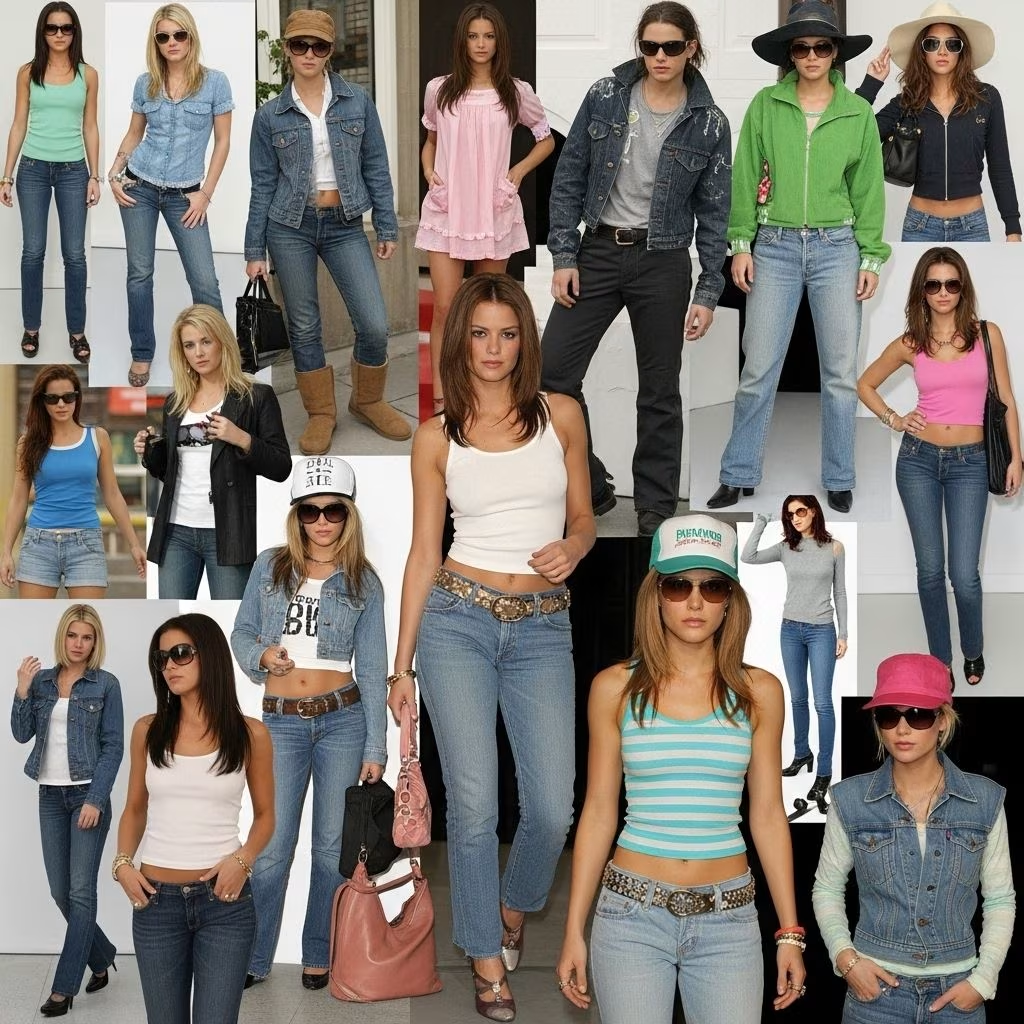
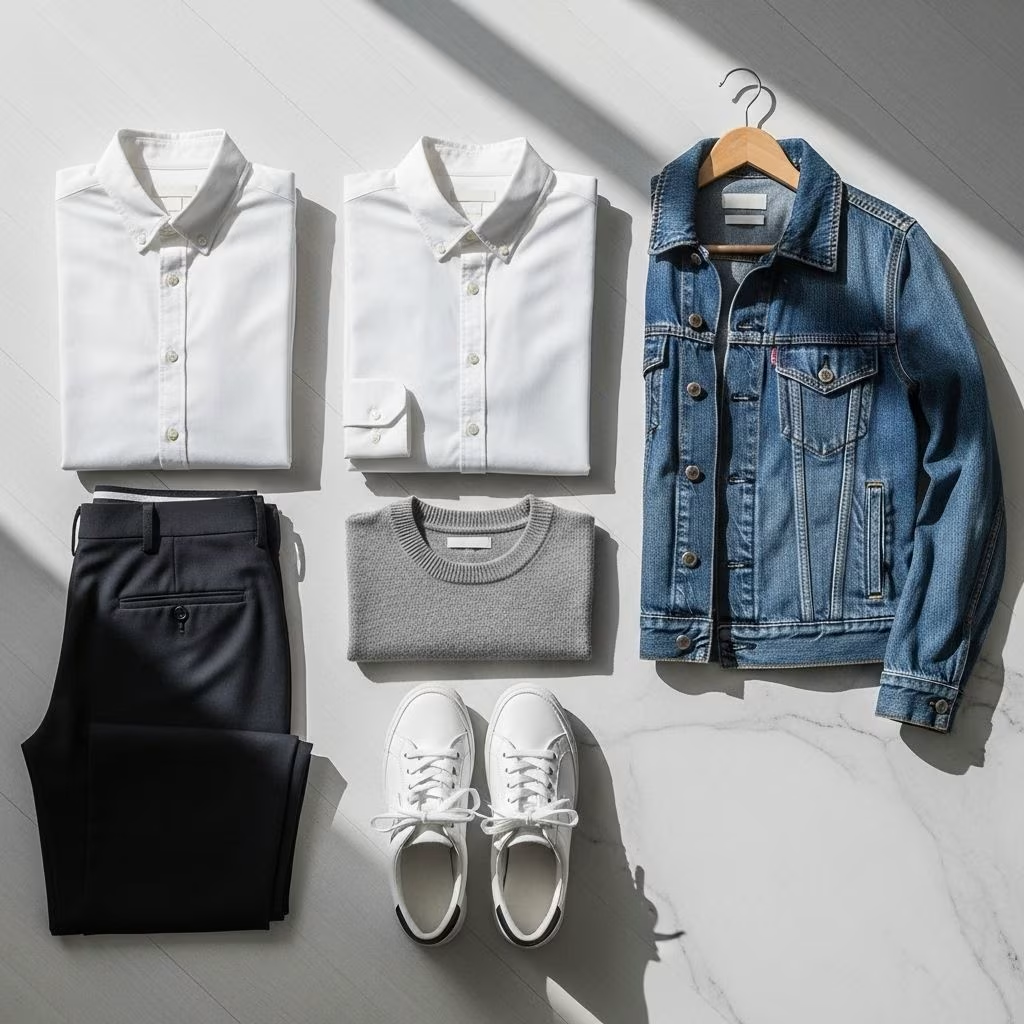
Fashion has always been cyclical, swinging between the dramatic and the practical. But as the spring/summer 2024 season approaches, a new wave has washed over the industry—one that’s being called the “blandification” of fashion. The look flooding runways and Instagram feeds isn’t about the next wild statement or surreal silhouette. Instead, it is a return to relatable, wearable staples: jeans, t-shirts, button-downs, trousers, cardigans, sneakers, and flip-flops.
What Does ‘Blandification’ Really Mean?
Far from being simply “boring,” the current movement is about clothes that blend seamlessly into daily life. This marks a shift away from flamboyant, one-time-wear statement pieces, and towards items that are easy to throw on—clothes everyone already owns and feels comfortable in. Think: the closet essentials you reach for repeatedly, now handed the fashion spotlight.
From Exuberant to Everyday: Charting Fashion’s Shift
Just a few seasons ago, luxury houses such as Loewe became renowned for their show-stopping, unconventional pieces—balancing geese-feathered garments, balloon shoes, and fantastical floral creations. Even as such brands still offer the occasional eccentric flourish, their latest collections feature a significant dose of the familiar: t-shirts, sweaters, and trousers shared runway space with whimsical designs.
This toning-down is not limited to Loewe. The “blandification” trend is visible across houses like Gucci, Stella McCartney, Acne Studios, Saint Laurent, and Proenza Schouler. The statement is clear: the exceptional now exists alongside, and sometimes is overtaken by, old faithful clothing staples.
The Forces Behind Blandification
The reasons for this trend toward the ordinary are varied. Several overlapping factors are driving designers and consumers alike towards understated pieces:
- Economic caution: With runway shows and bold experiments carrying a hefty price tag, many designers are streamlining toward what sells. Statement pieces rarely become commercial successes, while a tasteful sweater can do brisk business season after season.
- Consumer-first trends: The dynamic has flipped; instead of designers exclusively dictating what’s in style, many popular trends bubble up from consumers, influencers, and platforms like TikTok, only later to be adopted by fashion houses.
- Social media’s ripple effect: Influencers and celebrities showcase simple outfits—often on relatable, everyday bodies—making these looks viral and easy for anyone to mimic. From aesthetics like cottagecore to quiet luxury, these digestible, buildable styles spread rapidly.
- Sustainability and conscious consumption: In an era of climate anxiety, buying fewer items and turning to second-hand or vintage clothing is not only fashionable but socially praised. Versatile basics that mix and layer well are a sustainable shopper’s best friend.
How TikTok and Influencer Aesthetics Shape the Shift
Today’s digital culture breeds “core” trends and accessible aesthetics—each with its own mashup of classic pieces. Looks like Clean Girl Aesthetic, Cottagecore, Quiet Luxury, and more rely on recognizable, perennial staples: blazers, white shirts, slip dresses, and comfy shoes. These are visually easy to parse, effortless to emulate, and widely available, which strengths their viral power and, in turn, makes brands eager to cater.
Classics Reclaim the Runway: Who’s Leading the Charge?
Major designers are leaning into familiarity as a strategic move. Highlights from recent collections include:
- Loewe: Elevated cardigans, v-neck sweaters, and modernized t-shirts alongside more conceptual pieces.
- Stella McCartney: Sustainable fabrications emphasized in traditionally cut trousers and blazers.
- Gucci: Return to basics like crisp button-downs paired with minimal accessories.
- Saint Laurent: Undone tailoring, neutral palettes, and wearable separates headlining the show.
- Acne Studios: Relaxed silhouettes and muted hues as opposed to head-turning novelty garments.
This does not mean these designers have surrendered their creative identities. Instead, even within the realms of “bland,” their signature touches (be it a jagged hem, a quirky cut, or exaggerated proportions) ensure each staple feels subtly unique.
Why Relatable Fashion Appeals Now
The blandification of fashion is nothing if not democratic. Clothing that prioritizes comfort, ease, and accessibility invites broader participation in style culture. When the ticket to entry is a t-shirt or an updated pair of jeans, fashion is suddenly for everyone, not just the bold or the wealthy.
- Lower barrier to participation: With wearable staples as the focus, more consumers can join in without major investments.
- Focus on wardrobe longevity: Classic pieces never go out of style, making them smart purchases.
- Space for personal expression: With basics as a backdrop, people can accessorize or layer in ways that reflect their unique personalities without clashing with overt trends.
The Economics at Play
The shift toward everyday fashion is not just aesthetic; it is pragmatic. Runway spectacles are costly, especially when the resulting garments are so avant-garde that few ever make it to production, let alone end up on store shelves. The risk is high; the reward, uncertain.
Retail buyers carry immense influence, selecting only the items they believe will sell. As a result, designers are incentivized to create styles that buyers—and therefore the public—will want and wear. More wearable pieces make for safer bets and healthier bottom lines.
This “retail reality” also fuels slower cycles and less waste, since it is easier for consumers to justify investing in high-quality basics than in fleeting, impractical showpieces.
Social Media and Aesthetics: The New Power Players
In the past, trend cycles were dictated primarily by design houses filtering their vision down to the masses. Today, TikTok and Instagram have reversed the flow, with micro-influencers and viral challenges birthing new ways of dressing that brands then scramble to meet.
Some examples:
- Cottagecore: Romantic, prairie-inspired dresses and soft knits—accessible and nostalgic.
- Quiet Luxury: Subtle, logo-free classics in high-quality materials, inspired by old money and minimalism.
- Balletcore: Ballet-inspired wrap tops, skirts, and legwarmers, all grounded in comfort.
Once these aesthetics go viral, consumers are not just passive absorbers—they become the trendsetters, dictating which items are desirable and driving demand up the fashion chain.
Generational Attitudes: Gen Z, Millennials, and the New Conscience
Younger generations, particularly Gen Z and millennials, are increasingly eco-conscious. They seek ways to harmonize self-expression with ethical consumption, gravitating towards vintage, pre-owned, or sustainably produced clothes. Blandification perfectly fits these values, championing fewer, more versatile garments that can be reworn and restyled in countless ways.
The mantra “less is more” reigns, with emphasis on quality, wearability, and timeless design.
Brand Identity in Bland Times
As even the most imaginative designers incorporate basic wardrobe items, the challenge is to infuse personality into the “bland.” While minimalism comes to the fore, houses distinguish their collections through cut, fabric, and subtle details—ensuring there’s still an element of discovery for fans of fashion. A cardigan from Loewe or a white shirt from Saint Laurent is never just a staple; it’s a study in craftsmanship.
Table: Old Statement vs. New Staples
| Category | Statement Era (Past Seasons) | Bland Era (Spring/Summer 2024) |
|---|---|---|
| Silhouettes | Exaggerated, surreal, dramatic shapes | Relaxed, familiar, everyday cuts |
| Colors/Prints | Bold, saturated, novel patterns | Neutrals, understated shades, minimal prints |
| Marketability | Runway-only, rarely produced for retail | High sell-through, retail-ready basics |
| Audience | Fashion insiders, collectors | Everyone—broad, mass-market appeal |
| Fabric & Fit | Experimental, high maintenance | Comfort-driven, durable materials |
Is Bland the Future of Fashion?
The blandification era might not last forever, but its arrival has spurred overdue conversations about accessibility, sustainability, and authenticity. In making “bland” a compliment, we acknowledge that fashion’s primary function is to dress people for their real lives. For now, wardrobes built on tried-and-true foundations are the height of both practicality and—ironically—style.
This season, that cozy sweater or perfect pair of jeans isn’t a retreat from creativity: it’s its own kind of radical, reshaping what’s valuable in fashion—not just to industry insiders, but to everyone.
Frequently Asked Questions (FAQs)
Q: Does ‘bland’ fashion mean boring fashion?
A: Not at all. ‘Bland’ in this context refers to approachable, wearable staples that anyone can integrate into everyday life—without sacrificing style or comfort.
Q: Why are designers choosing basics over statement pieces?
A: Economic considerations, consumer demand for longevity and comfort, sustainability interests, and powerful influences from social media contribute to an environment favoring classic wardrobe staples.
Q: How does the blandification trend affect sustainability?
A: By promoting timeless, versatile pieces, it encourages more thoughtful consumption and reduces waste, aligning with younger generations’ environmental values.
Q: Is ‘bland’ fashion a new thing?
A: While fashion has always cycled between bold and practical, the current era stands out for how rapidly consumer preferences influence the industry, driven by social media and shifting values.
Q: How can I participate in this trend?
A: Focus on high-quality basics—think well-fitted jeans, neutral tees, classic blazers, comfortable cardigans—and build from there with personal touches. Buy less, but choose better items you’ll wear for years to come.
References
- https://www.cosmopolitan.com/style-beauty/fashion/a45599535/blandification-of-fashion/
- https://www.cosmopolitan.com/uk/fashion/style/a60684510/fashion-burnout-microtrends/
- https://www.theeagleonline.com/article/2018/04/professors-weigh-in-on-objectification-of-women-after-walmart-removes-cosmo-from-checkout-lines
- https://www.aol.com/lifestyle/blandification-fashion-arrived-ready-195600165.html