Pumpkin Seed Oil for Hair: Benefits, Uses, and Expert Advice
Pumpkin seed oil has recently emerged as a natural contender in the world of hair care, touted for its nourishing properties and potential ability to combat hair loss. From traditional remedies to cutting-edge studies, its application to hair health has found both scientific support and enthusiastic endorsement from dermatologists and trichologists. This comprehensive guide delves into everything you need to know about pumpkin seed oil for hair—its benefits, application tips, expert insights, and answers to your most common questions.
Why Is Pumpkin Seed Oil Trending in Hair Care?
In recent years, pumpkin seed oil has gained popularity for its multi-faceted hair benefits. Driven by social media and natural beauty trends, many seek out botanical oils to minimize chemical exposure and boost scalp health. Pumpkin seed oil stands out for its richness in vitamins, minerals, and fatty acids that may help bolster hair strength, encourage growth, and reduce shedding. But does science support the hype?
What Is Pumpkin Seed Oil?
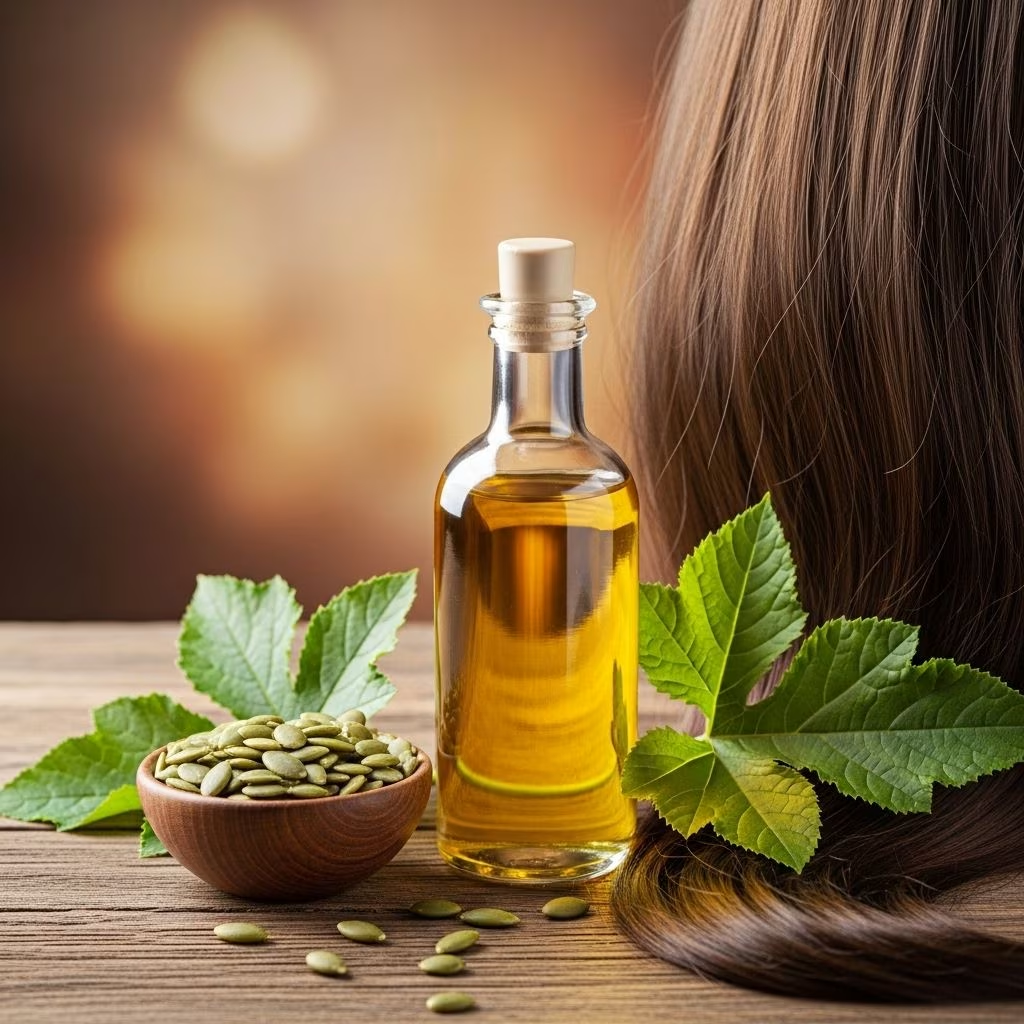
Pumpkin seed oil is a cold-pressed oil extracted from the seeds of pumpkins (Cucurbita pepo). Its vibrant green hue signals high pigment content, while its nutty aroma and medium-weight texture set it apart among natural oils. The oil is packed with the following:
- Phytosterols (especially beta-sitosterol) that may inhibit DHT—a hormone linked to hair loss.
- Essential fatty acids: Omega-3, omega-6, and omega-9 fatty acids for moisture and scalp health.
- Vitamins and minerals: Zinc, magnesium, and iron, which support healthy hair follicles and strands.
- Antioxidants: Vitamin E and carotenoids to defend against free radical damage.
Benefits of Pumpkin Seed Oil for Hair
Pumpkin seed oil offers several scientifically-backed and anecdotal benefits for hair care. Let’s break down why this oil is generating so much buzz.
1. May Promote Hair Growth
Multiple clinical and animal studies have pointed to pumpkin seed oil’s potential to prompt new hair growth. A 2014 study found men taking 400 mg of pumpkin seed oil daily for 24 weeks had a 40% increase in hair count compared to just 10% in the placebo group. In a separate 2019 mouse study, topical pumpkin seed oil was able to reduce testosterone-induced hair growth retardation, reversing hair follicle shrinkage and promoting follicle health.
2. May Block DHT to Reduce Hair Loss
The science revolves around the oil’s high beta-sitosterol (a phytosterol), which blocks the enzyme 5-alpha-reductase responsible for converting testosterone to dihydrotestosterone (DHT). DHT leads to follicle miniaturization and male-pattern hair loss. Pumpkin seed oil supplementation may slow hair loss by mitigating this hormonal pathway.
3. Deeply Moisturizes and Nourishes
Pumpkin seed oil’s medium-weight consistency provides rich hydration without weighing hair down. It softens dry, brittle, or chemically-treated hair, making it more manageable.
4. Enhances Shine and Strength
Linoleic acid (an omega-6 fatty acid) and biotin work together to enhance shine and fortify the strands. These nutrients are crucial for improving elasticity and reducing breakage.
5. Repairs Damage and Calms Inflammation
Antioxidants and fatty acids in pumpkin seed oil help to repair environmental and heat-induced damage while calming scalp irritation and inflammation.
6. Masks Hair Color and Revamps Tone
Pigment-rich pumpkin seed oil can be used to enhance hair color or adjust tones, providing a glossy polish and reviving vibrancy for color-treated hair.
7. Rich Nutrient Profile
The oil delivers a wide spectrum of nutrients, including:
- Zinc—vital for scalp health and hair formation.
- Magnesium, iron, manganese—support follicle strength and growth.
- Omega fatty acids—boost hydration, nourishment, and decrease inflammation.
Quick Comparison: Key Pumpkin Seed Oil Hair Benefits
| Benefit | Main Mechanism | Active Components |
|---|---|---|
| Promotes hair growth | Stimulates follicles; blocks DHT | Phytosterols, fatty acids, zinc |
| Reduces hair loss | Inhibits 5-alpha-reductase enzyme | Beta-sitosterol |
| Moisturizes hair and scalp | Hydrates; nourishes | Fatty acids, vitamin E |
| Repairs damage | Antioxidant protection, strengthens follicles | Linoleic acid, biotin |
Does Pumpkin Seed Oil Really Work for Hair Loss?
There are both scientific studies and anecdotal reports supporting pumpkin seed oil’s efficacy for androgenic alopecia (male-pattern hair loss). Several factors back its use:
- Clinical trials demonstrated statistically significant improvements in hair density and count with oral supplementation and topical application.
- The key mechanism is DHT inhibition, which targets the root cause of hormonal hair loss.
- Nutrients like zinc, magnesium, and essential fatty acids create an optimal scalp environment for follicle health and hair retention.
However, experts caution that results can vary by individual, and pumpkin seed oil may be more effective as a complementary therapy alongside other clinically proven approaches (such as minoxidil or prescription treatments).
How to Use Pumpkin Seed Oil for Hair
Pumpkin seed oil can be incorporated into your hair routine in various ways. Choose the application method that best fits your goals and hair type.
- Topical application: Massage a few drops directly into the scalp to stimulate follicles and boost circulation, or smooth onto dry or frizzy lengths for rapid hydration. Leave in for 30 minutes to several hours before washing.
- Overnight mask: Blend pumpkin seed oil with coconut or olive oil and apply as a pre-shampoo mask once per week. Cover hair with a shower cap, rinse in the morning.
- Oral supplementation: Some studies have used 400 mg per day of encapsulated oil (consult your healthcare provider before starting supplements).
- DIY blends: Combine pumpkin seed oil with natural ingredients like aloe vera, rosemary essential oil, or castor oil to enhance its effects.
Tip: Always perform a patch test before using pumpkin seed oil for the first time to check for possible sensitivity or allergy.
Expert Tips on Using Pumpkin Seed Oil for Hair
- Consistency is key: Improvements in texture, shine, and growth often require regular use over several months.
- Dose matters: Avoid over-application, as excessive oil may weigh hair down or lead to scalp greasiness.
- Purity counts: Select cold-pressed, 100% pure pumpkin seed oil, free of additives, for the best safety and efficacy.
- Combine with proven therapies: Pumpkin seed oil can complement other hair loss treatments like minoxidil or prescription medications, but should not be relied on as the sole therapy for advanced hair loss.
- Consult professionals: If you experience rapid or severe shedding, always consult a board-certified dermatologist or trichologist to rule out underlying conditions.
Potential Side Effects and Risks
While pumpkin seed oil is generally considered safe for topical use and oral supplementation, it’s important to be aware of potential drawbacks:
- Allergic reactions: Those with allergies to pumpkin or similar plants may experience redness, itching, or irritation.
- Scalp greasiness: Heavy-handed application can make hair oily or limp. Use a small amount and rinse thoroughly.
- Digestive upset: High oral doses may cause mild gastrointestinal discomfort in some individuals.
- Unproven for severe hair loss: While promising, pumpkin seed oil is not a substitute for medical therapies in severe cases of alopecia.
Who Should Use Pumpkin Seed Oil for Hair?
Pumpkin seed oil is best suited for:
- Individuals with mild to moderate thinning or shedding.
- Those seeking a natural, nutrient-rich moisturizer for dry, damaged, or brittle hair.
- Color-treated hair that needs added vibrancy and gloss.
- People interested in botanical alternatives to chemical-laden hair products.
Avoid use if you have known allergies to pumpkin, persistent scalp conditions (unless cleared by a provider), or advanced androgenetic alopecia without medical supervision.
Frequently Asked Questions (FAQs)
Q: Can pumpkin seed oil regrow hair for women too?
A: While most clinical studies focus on male-pattern hair loss, the DHT-blocking and nourishing mechanisms may also benefit women, particularly those experiencing thinning from hormonal changes or nutritional deficiencies.
Q: How fast will I see results?
A: Most studies measured changes over 12 to 24 weeks. Consistent topical or oral use is needed for visible improvements in density and strength.
Q: Can I use pumpkin seed oil alongside other treatments?
A: Yes. Experts often recommend pairing pumpkin seed oil with other therapies like minoxidil, laser treatments, or prescription medications, especially for significant hair loss.
Q: Is pumpkin seed oil safe for color-treated hair?
A: Absolutely. The oil can help restore shine, revitalize pigment, and nourish chemically-processed hair when used appropriately.
Q: Are there any drug interactions with pumpkin seed oil?
A: No significant interactions are documented, but consult a healthcare provider before oral supplementation—especially for those taking hormone-related medications or treatments.
The Bottom Line
Pumpkin seed oil represents a promising, nutrient-rich approach to enhancing hair health, combating mild hair loss, and improving overall texture and manageability. Driven by its unique blend of fatty acids, phytosterols, vitamins, and antioxidants, it’s both a modern and ancient remedy with real potential. Whether you’re troubleshooting seasonal shedding or striving for shinier locks, pumpkin seed oil could be the botanical boost your routine needs—provided you remain patient, consistent, and aware of limitations. For persistent or dramatic hair loss, seek expert advice for comprehensive care.
References
- https://www.harleystreethairtransplant.co.uk/six-benefits-of-pumpkin-seed-oil-for-hair/
- https://pmc.ncbi.nlm.nih.gov/articles/PMC6823528/
- https://www.healthline.com/health/pumpkin-seed-oil
- https://health.clevelandclinic.org/pumpkin-seed-oil-for-hair
- https://pmc.ncbi.nlm.nih.gov/articles/PMC4017725/
- https://www.webmd.com/diet/pumpkin-seed-oil-good-for-you