How to Get Rid of a Hickey: Fast, Effective Remedies and Smart Cover-Ups
A hickey—sometimes called a love bite—is a mark of passion, but it can also become an unwanted bruise you’re eager to banish. Whether you want to speed up healing, hide a visible mark before a big event, or simply understand what causes that sudden burst of color on your skin, this comprehensive guide covers everything you need to know about hickeys. Here, you’ll learn why they form, how to treat hickeys at home, which products actually help, top makeup tips for concealing, and when to simply let time do its work.
What Exactly Is a Hickey?
A hickey is a form of bruise caused by suction, usually from kissing or sucking on the skin. The vacuum created breaks tiny capillaries under the skin’s surface, causing blood to leak and pool, which appears as a reddish or purplish mark. Like other bruises, hickeys fade over time as your body reabsorbs the blood.
Quick Action Remedies: First Steps When You Notice a Hickey
The faster you act, the more effective many treatments can be. If you notice a hickey developing or want to minimize its appearance quickly, try these first-aid approaches:
- Apply a Cold Compress: Place a cold spoon (after chilling it in the freezer for several minutes) or a wrapped ice pack on the hickey for 10–15 minutes. This helps reduce swelling and constricts blood vessels, limiting the spread of the bruise.
- Gentle Massage: After the initial cold treatment, use your fingers to gently massage the area. This stimulates blood flow and helps break up congealed blood.
Tip: Don’t apply too much pressure—aggressive rubbing can make things worse. - Use a Soft Toothbrush or Comb: Take a super soft toothbrush or the bristles of a clean, gentle comb and brush the area in small circular motions for about 2–3 minutes. The idea is to disperse clotted blood and help it reabsorb.
Alternate trick: Some recommend using a clean lipstick cap, pressing gently against the hickey to “pop” the pooled blood, although this is debated and can make things worse if overdone.
Unconventional Hacks: Do They Help?
- Coin or Quarter Trick: Some people use the edge of a clean coin or quarter, gently scraping outward from the center of the hickey to disperse the blood. This method is controversial and can hurt—use with caution and stop if skin breaks or irritation occurs.
- Pencil Eraser Method: Twirling the eraser end of a clean pencil on the hickey is believed, by some, to break up the area. There’s no clear evidence it works, but if you try, keep pressure very light to avoid worsening the bruise.
Home Remedies and Natural Treatments
In addition to the direct-action steps above, several home remedies can stimulate healing, soothe the skin, or help reduce swelling and discoloration.
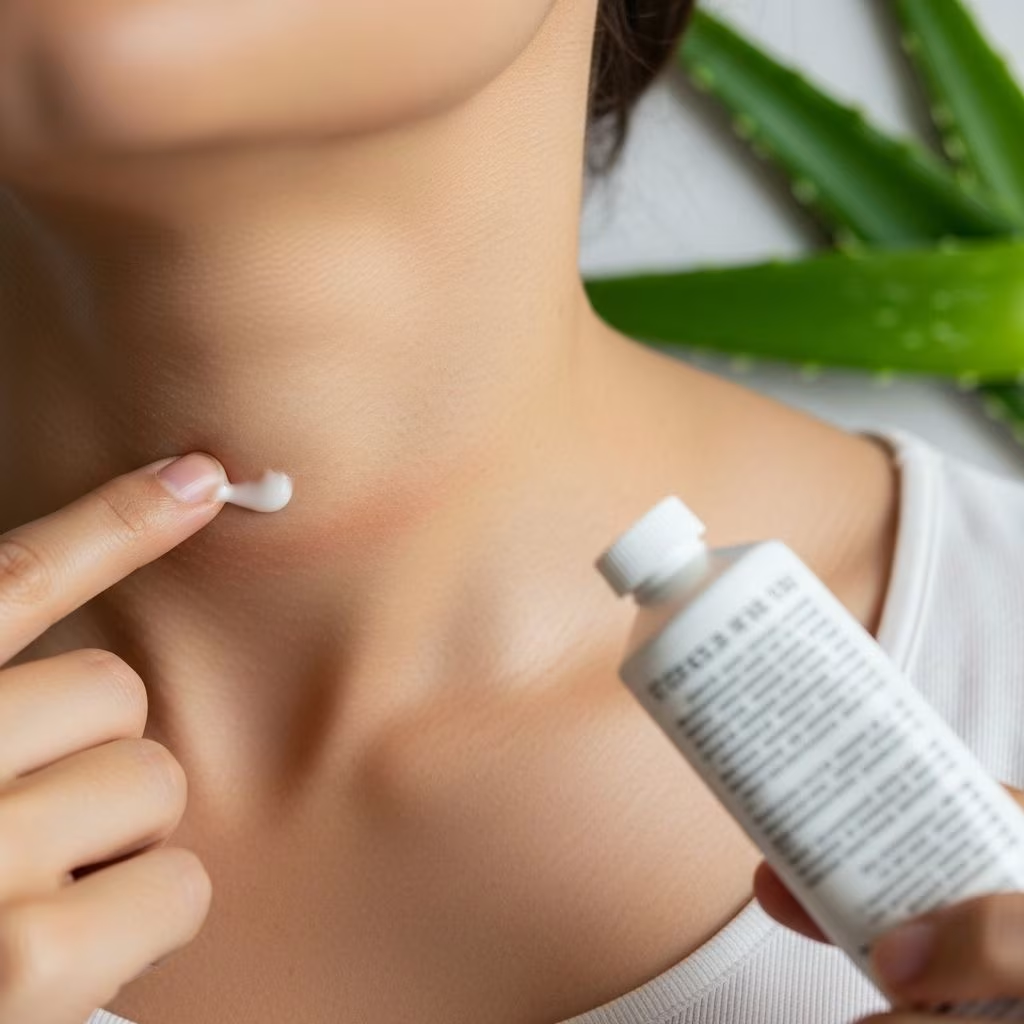
- Aloe Vera Gel: Known for its skin-soothing and anti-inflammatory properties, aloe vera can help reduce sensitivity. Gently apply a layer of pure aloe vera gel to the hickey two to three times daily. While scientific backing is minimal, it likely won’t hurt and may provide relief.
- Banana Peel: The inside of a banana peel is packed with vitamins and nutrients that are sometimes used to reduce bruising. Rub the inside of a ripe banana peel gently on the hickey for 20–30 minutes, twice a day, until it fades. Dermatologists aren’t universally convinced, but it’s a harmless option to try.
- Vitamin K-Rich Foods: Leafy greens like kale, spinach, broccoli, collard greens, and parsley, as well as brussels sprouts, green leaf lettuce, cabbage, and even brown rice, are loaded with vitamin K. This nutrient aids in blood clotting and may help your body break down and reabsorb pooled blood more efficiently. Incorporate more of these into your meals for natural healing support.
- Warm Compress (After 48 Hours): Once 48 hours have passed, switch to a warm, moist washcloth pressed gently against the hickey for 5–10 minutes. This encourages fresh blood flow, helping to clear away old pooled blood and even out skin tone.
Table: Quick Reference – Popular Hickey Remedies
| Remedy | How to Use | Best For |
|---|---|---|
| Cold Spoon / Ice | Press chilled object on hickey for 10–15 min | Immediate treatment, swelling reduction |
| Soft Toothbrush/Comb | Gently brush in circles for 2–3 min | After swelling subsides, disperse clots |
| Aloe Vera Gel | Apply a small layer 2–3 times daily | Skin soothing, gentle healing |
| Banana Peel | Rub inside peel for 20–30 min, twice daily | Mild discoloration relief |
| Vitamin K Foods | Add more greens to your diet | Support overall healing |
| Warm Compress | After 48 hours, 5–10 min at a time | Speed up blood reabsorption |
Top Makeup Tips: How to Cover Up a Hickey Instantly
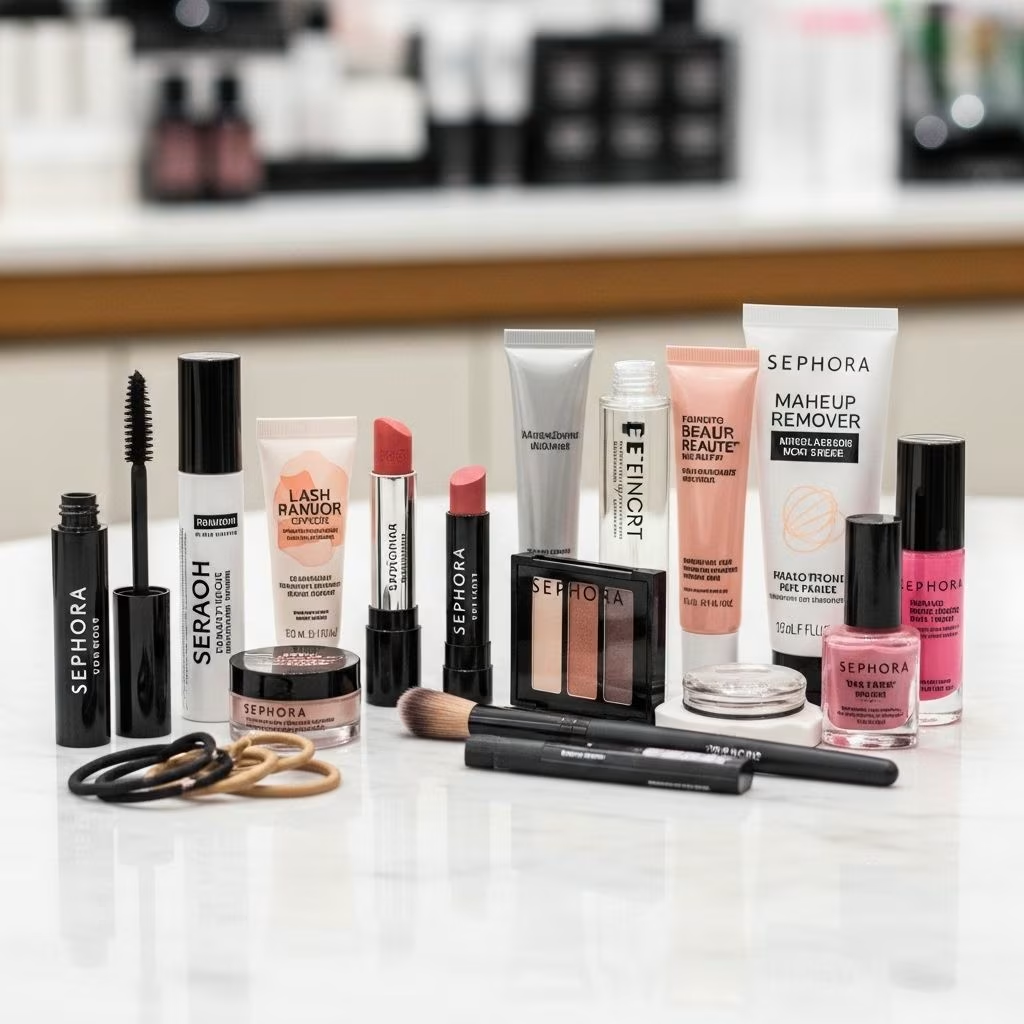
If you need to hide a hickey fast (think: job interview, family event, big meeting), expert makeup techniques are your best friend. Here’s what works:
- Undereye Concealer: Products made for under-eye circles are designed to beat stubborn discoloration, so don’t hesitate to use them on a hickey. Their creamy formulas with pigment-correcting particles can blend seamlessly into skin and stay put all day—even through sweat or humidity.
- Anti-Redness Makeup: Green-tinted concealers or primers neutralize the red and purple tones of a hickey. Apply a thin layer with a clean finger or brush. Follow with a flesh-toned concealer on top for natural coverage.
- Full-Coverage Foundation: If your hickey is especially stubborn, layer foundation and concealer. Use a dabbing motion (not rubbing) to keep coverage in place. Set with a translucent powder to lock everything in.
- Accessories as Safety Net: If makeup isn’t enough, combine with a strategically placed scarf, turtleneck, or high-collared shirt. Stylish hair-down looks or statement jewelry can also help guide attention elsewhere.
Pro Makeup Products to Try
- Bobbi Brown Creamy Corrector: Brightens and neutralizes dark areas, ideal for disguising stubborn marks
- Rosalique 3-in-1 Anti-Redness Formula: Green-tinted, minimizes visible redness
- Dr.Jart+ Cicapair Tiger Grass Correcting Treatment: Soothes and evens out skin while correcting red tones
- NYX Professional HD Photogenic Concealer: Budget-friendly option, excellent blendable coverage
Do Hickey Removal Creams or Over-the-Counter Topicals Work?
There are specialty creams that claim to fade bruises or reduce redness, including arnica-based creams and vitamin K ointments. While some ingredients, like vitamin K, may help speed up bruise healing, results vary. For best results:
- Apply the cream as directed, usually two to three times a day.
- Spot test before using to avoid allergic reactions.
- Combine with other home remedies for optimal improvement.
Remember: No cream or topical will make a hickey disappear instantly. Patience, gentle care, and strategic cover-up remain the best approach.
What Not to Do: Hickey Myths and Common Mistakes
- Avoid Scrubbing or Aggressive Rubbing: Rough handling can make the bruise worse or damage your skin.
- Don’t Pierce or Pop: Never use sharp objects to ‘release’ trapped blood. This is unsafe and won’t help healing.
- Never Apply Raw Meat: Despite old wives’ tales, this doesn’t help—and can expose you to nasty bacteria.
- Don’t Overuse Strong Essential Oils: Some oils can irritate or burn the skin. If used, dilute heavily and patch test.
How Long Does a Hickey Last?
Most hickeys fade naturally in 5–12 days as your body heals the area. Softer, lighter marks may resolve sooner; deeper or larger bruises can linger longer. Factors that affect healing include skin tone, overall health, and circulation.
How to Prevent Hickeys
- Communicate with Your Partner: If you don’t want a visible hickey, talk about boundaries before things get passionate.
- Focus on Less Visible Areas: Areas like the upper arms, shoulders, or thighs are less conspicuous than the neck.
- Use Lower Pressure: Intense suction is what causes the bruise—gentler kisses minimize the risk.
When to See a Doctor
- Unusually Large or Painful Mark: If the hickey becomes enlarged, very painful, or shows no sign of improvement after two weeks, consult a healthcare provider.
- Other Symptoms: If you experience numbness, swelling, or signs of infection (pus, warmth, severe redness), seek medical advice.
Frequently Asked Questions (FAQs)
Q: Is it possible to remove a hickey overnight?
A: Most hickeys won’t vanish overnight, but using cold compresses, gentle massage techniques, and strategic makeup can dramatically reduce their appearance in the short term.
Q: Are hickeys dangerous?
A: Hickeys are almost always harmless, though in extremely rare cases, very strong suction can cause complications. If you have concerns, speak to a doctor.
Q: Does toothpaste work on hickeys?
A: Some people claim the tingling of mint toothpaste can stimulate circulation, but there’s little scientific support. It may help slightly but isn’t a magic bullet and could irritate sensitive skin.
Q: Can the color of a hickey indicate its stage of healing?
A: Yes. Fresh hickeys tend to look red or purple, while older ones turn blue, green, or yellow as the body breaks down and reabsorbs the blood.
Q: Will covering a hickey with makeup slow down healing?
A: As long as you use clean tools and hypoallergenic products, covering a hickey with makeup won’t slow healing. Always remove makeup thoroughly before bed to avoid irritation.
Summary of Hickey Treatment Essentials
- Use a cold spoon or ice pack immediately after noticing a hickey to minimize swelling.
- Gently massage or use a soft toothbrush/combo to improve circulation—but avoid aggressive handling.
- Home remedies like aloe vera and banana peel can soothe skin, with leafy greens supporting internal healing.
- Conceal with color-correcting makeup and accessories for instant confidence.
- Most hickeys fade on their own in about a week—patience is key.
Disclaimer: This article provides general information about hickey care. It does not replace medical advice. If your hickey does not improve, causes unusual symptoms, or if you’re unsure, please contact a healthcare professional.