Do You Really Need a Separate Sunscreen for Your Eyes?
The skin around your eyes is notably delicate, thin, and vulnerable to UV damage. While most people apply sunscreen to their face and body, many either skip the eye area entirely or question whether a special product is needed. In this comprehensive guide, we’ll explore whether separate sunscreen for your eyes is necessary, how to minimize irritation, the latest expert recommendations, and tips for optimal sun protection of this sensitive region.
Why Sunscreen Is Crucial Around the Eyes
Exposure to ultraviolet (UV) rays accelerates aging and can impair skin health anywhere on your body, but the eye area is both more sensitive and more prone to signs of damage such as:
- Fine lines and wrinkles (crow’s feet)
- Dark circles
- Hyperpigmentation and sunspots
- Skin cancers on the eyelids and surrounding tissue
Despite these risks, the orbit and eyelids are often neglected in sunscreen application. Dermatologists consistently emphasize: sun exposure accounts for up to 90% of visible aging—especially around thin-skinned areas like the eyes.
Can Regular Sunscreen Be Used Around the Eyes?
In terms of UV protection, face sunscreen formulas are generally effective, including on the orbital area. However, not all sunblock products are ideal for use near the eyes:
- Chemical sunscreens (with ingredients such as oxybenzone, avobenzone, or octinoxate) may cause stinging, burning, and watering eyes, particularly if they migrate via sweat or tears into the sensitive mucous membranes.
- Mineral sunscreens (physical sunscreens with zinc oxide or titanium dioxide) are less likely to irritate the eye area. They reflect UV rays rather than absorb them, making them ideal for sensitive skin.
If you have never experienced discomfort or burning, you may continue to use your standard face sunscreen at the orbital bone (the bony rim surrounding the eye socket). But for many, a dedicated formulation is worth it for comfort and safety.
Why Does Sunscreen Burn My Eyes?
The notorious burning sensation after sunscreen application happens primarily due to chemical filters—especially oxybenzone, avobenzone, and octinoxate. These ingredients, though effective at absorbing UV radiation, can irritate the uniquely sensitive tear film and mucous membranes of the eyes. Migration via sweat, touching, or rubbing makes this common, especially in humid conditions or during activity.
The eye area’s skin absorbs more, and the tear film is sensitive even to minor pH changes. You may tolerate chemical SPF on your cheeks but still react when applied around your eyes.
Main Eye-Irritating Sunscreen Ingredients
- Oxybenzone
- Avobenzone
- Octinoxate
- Homosalate
How to Choose the Best Sunscreen for Your Eyes
Most dermatologists agree: for sensitive areas near the eyes, mineral sunscreens (aka, physical sunscreens) are the safest bet. Here’s what to look for:
- Active Ingredients: Zinc oxide and/or titanium dioxide
- Broad-spectrum protection: Blocks both UVA (aging) and UVB (burning) rays
- SPF 30+: Dermatologists recommend SPF 30 or higher for effective protection
- Fragrance-free: Minimizes risk of additional irritation
- Ophthalmologist-tested or labeled as eye-safe: Ideal for those with very sensitive eyes
- Non-greasy, non-migrating formulas: Gels or sticks often travel less on the skin
Mineral-based sunscreen formulas tend to be less irritating, as they sit on the skin’s surface and reflect UV rays rather than absorbing into skin tissue. Many eye-safe SPFs are also formulated with antioxidants or hydrating ingredients for additional benefits.
Is an Eye-Specific Sunscreen Necessary?
You can use a regular mineral sunscreen near your eyes, but there are also products explicitly designed for the orbital area:
- Eye creams with SPF: These are typically formulated to be non-irritating and often include extra skin-bolstering ingredients like hyaluronic acid and antioxidants.
- SPF sticks: Convenient for controlled application around the lash line and brow bones.
- Ophthalmologist-tested sunscreens: Labeled as safe for eyes and hypoallergenic.
If you know you have extremely sensitive skin or eyes, using a dedicated formula may be worthwhile to minimize stinging and watery eyes.
How to Apply Sunscreen Around the Eyes
Applying sunscreen near the eyes requires care to maximize protection and comfort:
- Cleanse and moisturize: Prep your skin so sunscreen applies smoothly and stays put.
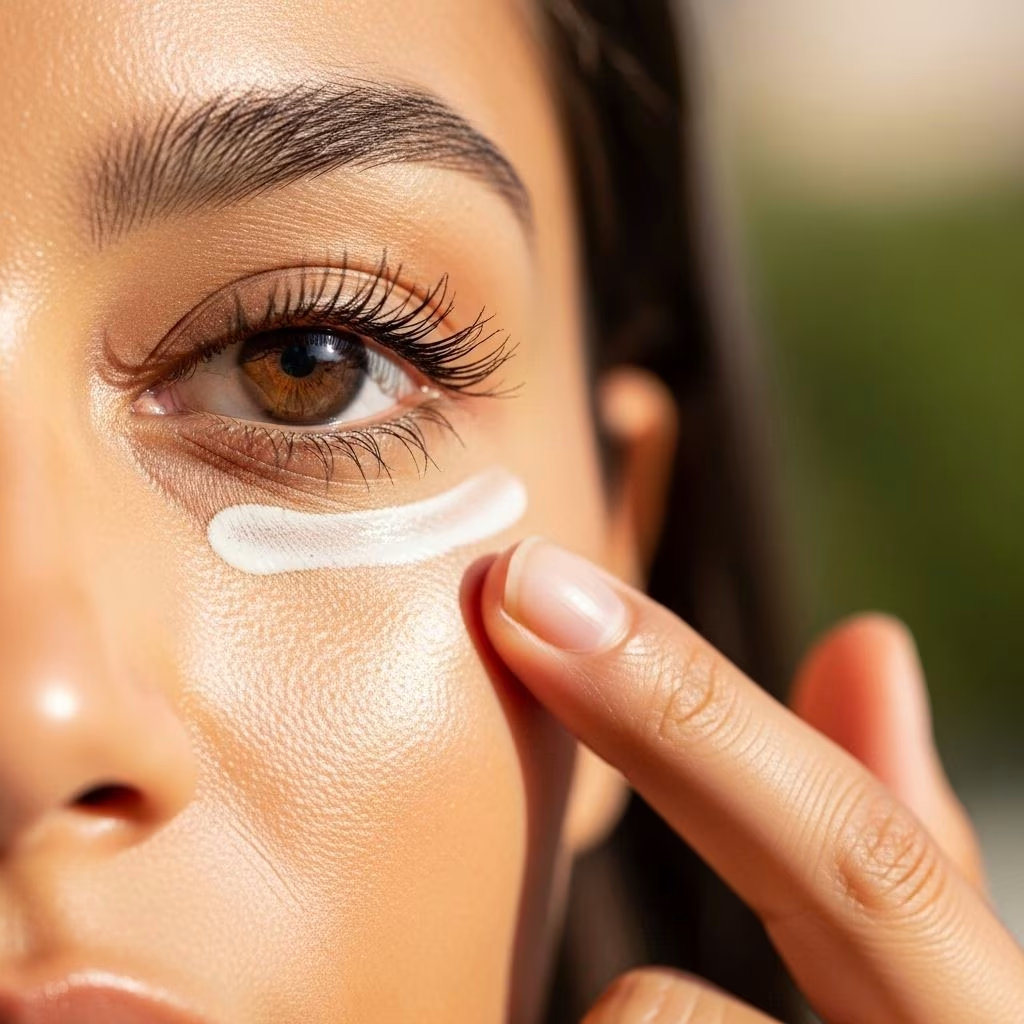
- Use a pea-sized amount: Gently dab along the orbital bone—the bony rim surrounding your eye (not on the eyelid margin or waterline).
- Avoid direct contact with the eyes and inner eyelid areas.
- Let it set: Wait 10–15 minutes for sunscreen to absorb before sweating, applying makeup, or going outside.
- Consider SPF sticks or eye creams for more precision and less migration.
You can also utilize physical UV barriers for extra safety in intense sunlight:
- Sunglasses with UV protection
- Wide-brimmed hats
Mineral vs. Chemical Sunscreens for the Eye Area
| Type | Key Ingredients | Eye Area Suitability | Advantages | Drawbacks |
|---|---|---|---|---|
| Mineral (Physical) | Zinc oxide, Titanium dioxide | Highly suitable, less irritation | Gentle, broad-spectrum, non-irritating | Potential white cast, thicker texture |
| Chemical | Oxybenzone, Avobenzone, Octinoxate, Homosalate | Often irritating to eyes | Lightweight, invisible finish | May cause burning, stinging, migration into eyes |
Should You Skip Sunscreen on Your Eyelids and Under Eyes?
No: Eyelids and under-eye skin are among the most common sites for skin cancer and premature aging. Skipping SPF application leaves these areas vulnerable.
However, precision and product choice are essential:
- Apply SPF to the orbital bone area—just beneath the brow and under the lower lash line. Avoid direct contact with eyes and mucous membranes where absorption and irritation are much higher.
- Try SPF sticks, mineral formulas, and dedicated eye creams to target these spots efficiently.
Extra Sun Protection Strategies for the Eye Area
- Wear sunglasses with 100% UVA/UVB protection. Wraparound frames are even better for side protection.
- Choose hats with a broad brim (at least 3 inches) to shade your face and eyes.
- Apply sunscreen properly and reapply regularly—especially after sweating or exposure to water.
- Avoid sun exposure during peak hours (10am–4pm) for maximum safety.
Tinted vs. Regular Sunscreen for Under-Eye Protection
Tinted sunscreens (containing iron oxides) offer a bonus benefit for the under-eye area and eyelids, particularly for anyone with hyperpigmentation or melasma:
- Protect against UV rays—just like regular SPF
- Block some visible (HEV) light, which may worsen pigmentation in deeper skin tones
- Offer blendable color correction and coverage for dark circles
Tinted mineral sunscreens are often preferred for their dual UV and HEV protection with a more natural finish, though they may still leave some trace of color or cast depending on your skin tone.
Common Mistakes When Applying Sunscreen Around the Eyes
- Too little sunscreen: Not using enough product reduces protection.
- Skipping the eye area entirely: Leaves skin highly vulnerable to sun damage.
- Using only makeup with SPF: Makeup sunscreen levels are usually too low for reliable protection.
- Not reapplying: SPF effectiveness fades after two hours or following sweating or swimming.
- Applying too close to the waterline: Increases risk of migration and eye irritation.
Frequently Asked Questions (FAQs)
Q: Do I absolutely need a separate sunscreen just for my eyes?
A: Not always. You may use a mineral-based face sunscreen around the orbital bone if you experience no irritation. However, eye-specific SPF products can help those with sensitive eyes avoid stinging and watering.
Q: What ingredients should I avoid for eye-area sunscreen?
A: Avoid chemical sun filters like oxybenzone, avobenzone, and octinoxate, as well as heavily fragranced or heavily tinted products unless they’re ophthalmologist-tested.
Q: How do I keep sunscreen from stinging my eyes while swimming or sweating?
A: Use mineral-based, water-resistant SPF sticks and allow sunscreen to absorb for 10–15 minutes before getting wet. Wipe sweat carefully away from eyes during activity, and rely on hats and sunglasses as extra shields.
Q: Can I use the same sunscreen for my eyelids as the rest of my face?
A: If it’s a gentle, fragrance-free mineral sunscreen, yes—just apply lightly along the orbital bone, not directly on the lash line or lid margin. For sensitive or oily eyelids, an SPF eye cream may be easier and less likely to migrate.
Q: Is makeup with SPF enough protection for my eyes?
A: No. SPF in makeup is often not concentrated enough. Use a dedicated sunscreen as your first layer before applying any makeup with added SPF.
Final Tips for Safe Sun Protection of the Eyes
- Always read the label: Look for ophthalmologist-tested products or those specifically labeled for the eye area.
- Start with a mineral formula: If you’ve experienced stinging, switch from chemical to mineral sunscreen for better comfort.
- Layer your protection: Use sunglasses, hats, and sunscreen together for comprehensive defense.
- Consult your dermatologist: If you have persistent sensitivity, a dermatologist can help recommend specialized products or check for allergies.
References
- https://curology.com/blog/sunscreen-for-eyes-how-to-protect-your-delicate-skin-from-uv-rays/
- https://ibacosmetics.com/blogs/iba-blogs/tinted-vs-regular-sunscreen-a-detailed-comparison
- https://drsabrina.com/blogs/eye-care/why-does-sunscreen-burn-my-eyes
- https://www.youtube.com/watch?v=bdMotMlXyZ8
- https://www.aad.org/media/stats-sunscreen
- https://modernod.com/articles/2020-may-june/the-sunscreen-eye-health-connection
- https://news.cuanschutz.edu/news-stories/the-truth-about-sunscreen-in-makeup-types-of-spf-and-what-actually-works
- https://www.youtube.com/watch?v=NPbngPsOkOY