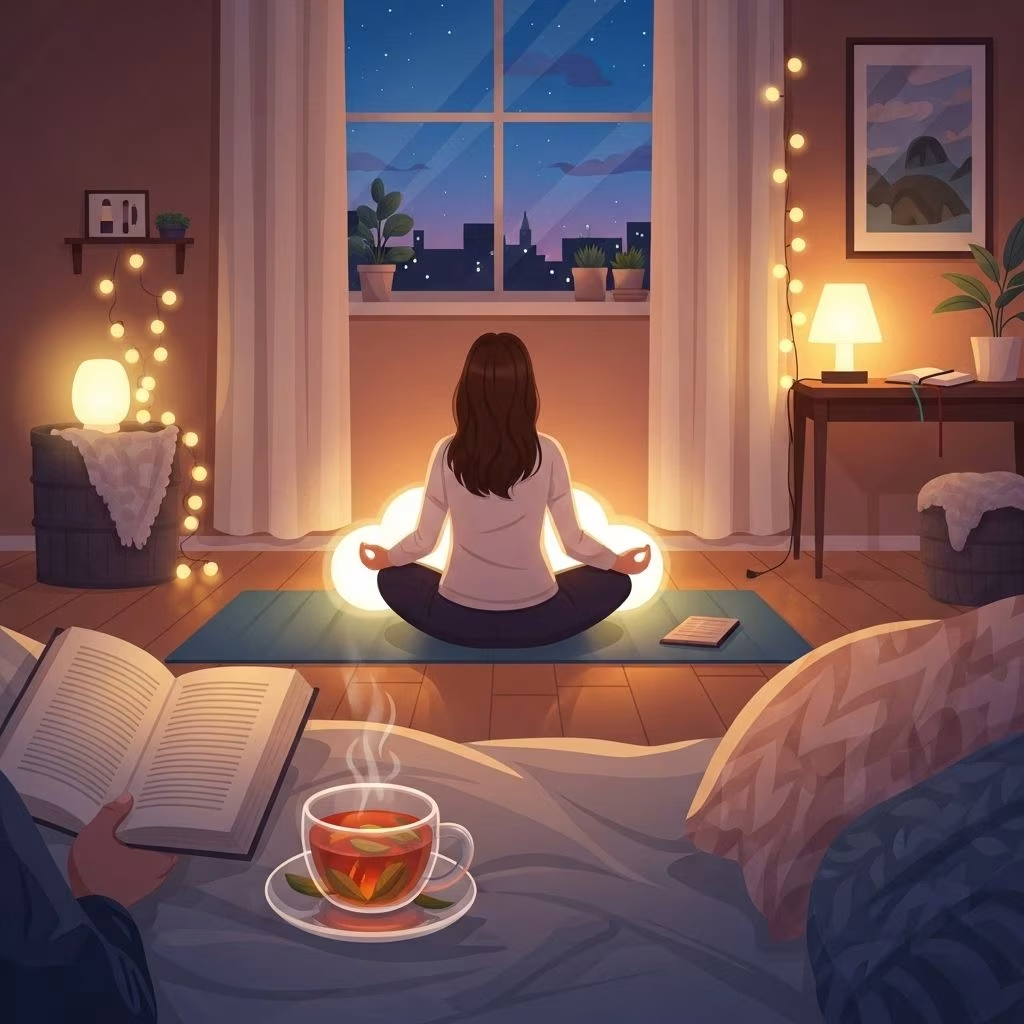
Why a Night-Time Routine Matters for Mental Health
Establishing a consistent night-time routine is more than a trendy self-care ritual—it’s a scientifically backed strategy for improving your mental health. Research shows that sleep impacts everything from mood and stress levels to cognitive function and emotional resilience. A structured routine before bed can help you wind down, signal to your body that it’s time to sleep, and lessen the effects of everyday stress.
But it’s not just about the quantity of sleep; the quality and consistency of your nighttime habits matter just as much. Going to bed at different times each night or maintaining an irregular sleep schedule has been linked to a higher risk of depression and low mood, even if you’re clocking enough hours overall. In fact, irregularity can be as detrimental as chronic sleep deprivation—suggesting that both rhythm and rest are critical.
The Science Behind Sleep and Mental Well-Being
Circadian Rhythms and Mental Health
Your body’s internal clock, or circadian rhythm, regulates sleep-wake cycles and many other biological processes. When this rhythm is disrupted—whether by late nights, shift work, or erratic schedules—it can negatively affect mood, increase anxiety, and even heighten the risk of mental health disorders.
The risk appears greater for night owls, whose bodies are naturally wired to stay up late. Studies suggest that people with a night owl chronotype are more likely to experience depression, anxiety, and other mental health issues, possibly because they frequently have to fight their natural rhythms to fit into early-rising work and school schedules.
Sleep Consistency vs. Sleep Duration
Many people focus on getting 7–9 hours of sleep, but regularity is just as important. Even if you get enough hours, constantly shifting your bedtime can lead to poorer mental health outcomes. Keeping a stable sleep-wake schedule—going to bed and waking up at the same time daily—reinforces your natural circadian rhythm, making it easier to fall asleep, stay asleep, and wake up feeling refreshed.
How to Build a Night-Time Routine That Works
1. Wind Down Gradually
Start by transitioning from the day’s activity to a calmer state. This could include activities like reading, journaling, or gentle stretching. The goal is to switch your nervous system from “fight or flight” to “rest and digest.”
- Avoid stimulating activities: Skip intense workouts, screen time, or stressful conversations close to bedtime.
- Try mindfulness: Practice meditation or deep breathing exercises to quiet the mind.
2. Optimize Your Environment
Your bedroom should be a sanctuary for sleep. Consider these adjustments:
- Keep it cool: A slightly cooler room temperature (between 60–67°F or 15–19°C) promotes better sleep.
- Darken the room: Use blackout curtains or an eye mask to block out light.
- Minimize noise: Use earplugs or a white noise machine if your environment is noisy.
- Device-free zone: Remove phones, tablets, and TVs from the bedroom, or at least avoid them for at least an hour before bed.
3. Experiment & Personalize
There’s no one-size-fits-all routine. What matters is finding what helps you relax and signals to your body that it’s time to sleep.
“Recognizing that exciting as the 24/7 world we live in can be, it also puts stress on the nervous system and we can improve our sleep by putting measures in place to have the best of both worlds, enjoying the nights as well as feeling rested and refreshed when it’s time to wake up.”
Experiment with your routine for a week or two and take note of what works best for your mood and energy levels.
The Impact of Sleep Routines on Specific Mental Health Conditions
| Condition | Effect of Poor Sleep | How Routine Helps |
|---|---|---|
| Anxiety | Increased worry, racing thoughts at night | Calming rituals before bed can reduce the spiral of anxious thoughts |
| Depression | Low mood, difficulty falling or staying asleep | Regular sleep-wake times stabilize mood and improve symptoms |
| Stress | Elevated cortisol, trouble relaxing | Routines that promote relaxation lower stress hormones and improve sleep |
Debunking Night Owl Myths and Embracing Your Chronotype
Being a night owl isn’t inherently bad, but it does require extra attention to routines and self-awareness. If you naturally stay up late, you may face societal pressures to conform to early schedules, which can be mentally taxing and increase your risk of certain conditions. However, adapting your routine to suit your natural rhythms, rather than fighting them, can make a significant difference.
- Experiment with shifting your schedule gradually if you need to wake earlier.
- Seek daylight exposure in the morning to help reset your internal clock.
- Prioritize sleep consistency—even night owls benefit from a regular routine.
FAQs: Night-Time Routine and Mental Health
What’s the best time to go to bed?
There’s no universal “best” bedtime—focus on consistency and a schedule that aligns with your natural rhythms and lifestyle. Most adults need 7–9 hours, but the exact timing varies.
Can a night-time routine cure anxiety or depression?
While a routine can help manage symptoms and improve overall well-being, it is not a cure for clinical anxiety or depression. If you’re struggling significantly, seek support from a healthcare provider or mental health professional.
How long does it take to see benefits from a new routine?
Most people notice improvements in sleep quality and mood within a few weeks, but the key is consistency and patience.
What if my sleep schedule is irregular because of work?
If possible, try to maintain the most consistent routine you can. If shift work is unavoidable, use blackout curtains, a sleep mask, and other tools to optimize your environment, and consider consulting a sleep specialist.
Is it okay to use screens before bed?
Screens emit blue light, which can interfere with melatonin production. It’s best to avoid screens for at least an hour before bed, or use blue light filters if you must use them.
Conclusion
Developing a mindful night-time routine is a powerful tool for mental health. While it’s not a cure-all, consistency and self-care before bed can lead to better sleep, improved mood, and greater resilience against stress, anxiety, and depression. The most effective routines are the ones tailored to your needs—experiment, observe, and refine until you find what helps you feel your best.
If you’re experiencing persistent sleep issues or mental health concerns, don’t hesitate to reach out to a healthcare provider for personalized guidance.
References
- https://www.cosmopolitan.com/uk/reports/a35821059/bed-time-mental-health/
- https://www.cosmopolitan.com/uk/body/health/a26379532/night-owl-mental-health-effects/
- https://www.cosmopolitan.com/uk/body/health/a60175480/9pm-bedtime/
- https://www.cosmopolitanmindset.com/download/how-to-build-your-sleeping-routine/
- https://gb.readly.com/magazines/cosmopolitan-uk/2024-11-19/6735e6781e5e5f7f20ed966a
- https://www.businessinsider.com/signs-your-bedtime-routine-is-bad-for-you-2018-4
- https://www.cosmopolitanmindset.com/download/better-sleep-challenge-customizable/