A Speck of Glitter: How A Single Incident Changed a Life
Glitter—a staple of craft projects, beauty routines, and festive occasions—shimmers with possibilities. Yet, behind the sparkle lies a little-known danger. This is the extraordinary, true account of Erica Diaz, whose encounter with craft glitter turned into a harrowing medical ordeal, forever changing how we think about the smallest things in our environment.
How It All Began: An Ordinary Craft Day
Erica Diaz, a writer and singer, was engaged in an everyday activity: cleaning up after a craft project with her daughter. While disposing of leftover glitter, a stray particle floated up and landed in her right eye. She thought little of it— who hasn’t been annoyed by a speck of dust or sand in their eye before? But this was no ordinary nuisance.
Despite repeated rinsing, the irritation persisted. By the next day, Erica’s eye showed no signs of improvement; instead, it became increasingly painful and started to look cloudy. This marked the beginning of a medical nightmare that would last for months.
From Irritation to Emergency: The Medical Nightmare Unfolds
When home treatments failed, Erica visited her local emergency room. Doctors initially prescribed eye drops, suspecting a minor abrasion. But as hours passed, her vision worsened, and the appearance of her eye changed dramatically—it took on a milky, gray hue. Alarmed, she sought continued emergency care, and specialists soon discovered the speck of craft glitter had sliced her cornea—the eye’s clear, protective outer layer.
- Diagnosis: Corneal abrasion rapidly progressing into infection
- Initial treatments: Prescription eye drops, antibiotics, attempts to remove the foreign body
But the infection proved resistant and aggressive. Even after initial intervention, her condition kept deteriorating, threatening not just her sight, but her life.
The Science: What Happens When Glitter Enters the Eye?
Corneal abrasions—scratches on the surface of the eye—are among the most common eye injuries. They usually result from contact with a foreign body, and in most cases, with prompt treatment, heal fully. However, Erica’s situation was different. The glitter, designed for crafts (not for use near the eyes), created a cut that allowed pathogenic organisms—including bacteria and mold—to breach her eye’s natural defenses.
Doctors believe that a combination of the abrasive glitter particle and contamination by organic material caused a particularly resilient, dangerous infection. As a result, antibiotics and antifungal medications failed to stop the progression, and the infection escalated into a full-blown medical emergency.
Spiraling Health: Failed Treatments and Lifelong Change
- Hospitalization: Erica spent a month in and out of hospitals as doctors struggled to control the infection and rescue her sight.
- Invasive treatments: She underwent two separate corneal transplant surgeries, both of which ultimately failed.
- Intensive medication: Her treatments included powerful eye drops, direct injections into the eye, and heavy oral medications.
- Systemic complications: The infection placed Erica at risk for sepsis—a potentially deadly blood poisoning—further escalating the urgency of her case.
As options dwindled, doctors faced a difficult choice: risk a life-threatening systemic infection, or remove her eye to save her life. Ultimately, to prevent sepsis, Erica’s right eye was surgically removed.
Living With Change: Recovery and Adaptation
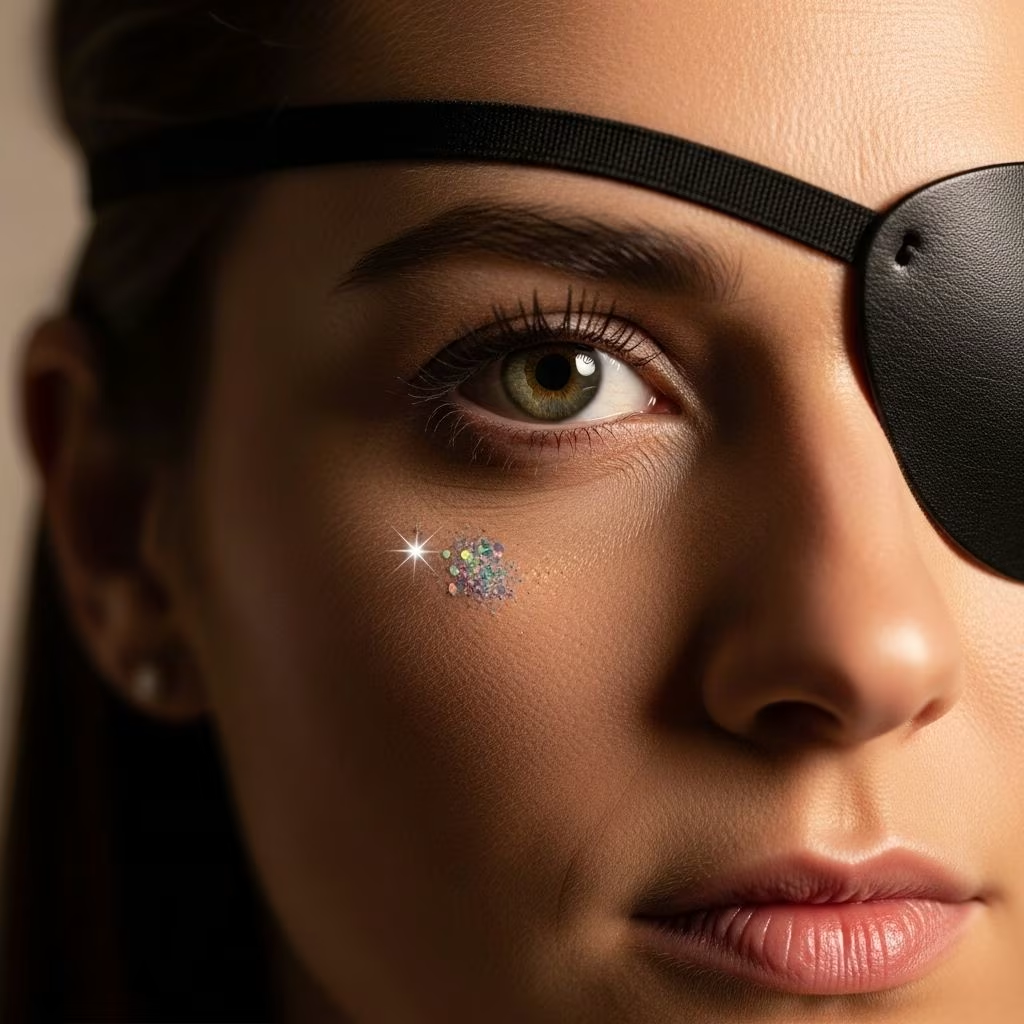
In the aftermath, Erica was fitted with a prosthetic eye. The transition was not merely physical; the hefty toll of treatment included losing her hair, lashes, and eyebrows—collateral damage from exposure to aggressive medications. Despite this, Erica faced her life-altering loss with resilience and humor, even joking about her uncanny resemblance to pop culture references to cope with the psychological challenges involved.
But the ordeal did not end with the prosthesis. Erica found herself in fierce dispute with her insurance company, which inexplicably categorized the removal of her infected eye as “cosmetic preference” rather than medical necessity. In the face of mounting expenses, her friend launched a crowdfunding campaign to help cover her medical bills, and the community rallied support.
The Dangers of Glitter: What Makes It So Risky?
Most people don’t associate glitter with danger. However, the tiny, jagged shapes and sometimes-unregulated composition of craft glitter make it a potential hazard when used near sensitive areas like the eyes.
- Craft Glitter vs. Cosmetic Glitter
Craft glitter is often made from metal or polyester, with sharp edges and non-cosmetic dyes. In contrast, cosmetic glitter is made from rounder, softer plastics, is chemically inert, and is often tested for eye and skin safety. - Unregulated for Eyes: Many craft glitters are labeled with warnings: not intended for use near eyes, face, or open wounds.
- Invisible Threat: A single microscopic particle can lodge under an eyelid or scratch the cornea, opening the door for bacteria or fungal spores.
Table 1: Craft Glitter vs. Cosmetic Glitter
| Aspect | Craft Glitter | Cosmetic Glitter |
|---|---|---|
| Composition | Metal, polyester, or glass | Polyethylene terephthalate (PET), softer plastics |
| Shape | Jagged, irregular | Rounded, smooth |
| Coloring Agents | Non-cosmetic dyes, sometimes metals | Safe, cosmetic-grade pigments |
| Intended Use | Crafts, not for body or face | Face, lips, eyes (properly labeled) |
| Regulation | Minimal for body use | FDA/European safety tested for cosmetics |
Medical Experts Weigh In: How Unusual Is This?
According to ophthalmologists, while corneal abrasions are common, complications as extreme as Erica’s are rare. Dr. David Tanzer, a chief medical officer at a major vision company, notes that the vast majority of corneal scratches heal rapidly with removal of the irritant and antibiotic eye drops. However, when organic materials or contaminated particles enter the eye—especially combined with bacteria or fungus—the risk of infection skyrockets, and recovery can become unpredictable.
Even so, the overwhelming advice is clear: any persistent irritation, pain, or vision changes after something enters the eye should be taken seriously and treated immediately.
Practical Tips: Protecting Yourself Against Glitter Hazards
- Never use craft glitter around eyes: Only use cosmetic-grade glitter for makeup looks, and verify the label says “eye safe.”
- Use eye protection during arts and crafts: Safety goggles are a simple but effective barrier against accidental exposure.
- Prompt action is critical: If anything gets in your eye and doesn’t resolve with gentle rinsing, seek medical attention immediately—especially if pain, cloudiness, or visual changes occur.
- Awareness for parents and children: Teach children about the risks of craft materials. Supervise young children during crafts, and remind them never to touch their eyes after handling glitter.
- Read product labels carefully: Not all glitter is created equal—check for warnings and ingredients specific to eye use.
The Psychological Toll: Coping With Life After Loss
As much as Erica Diaz’s story is about medical adversity, it’s also about personal transformation. She candidly documented her experience online, sharing before-and-after pictures of her eye, her healing process, and her prosthetic eye journey. Through humor and openness, she shed light on the hidden struggles that follow such sudden trauma.
But not everything was under her control—her story went viral in the media and online platforms, often without her full consent. Erica’s candid approach brought comfort to others in similar situations and reframed the narrative around disability and body image. Her resilience remains a powerful source of inspiration for many.
Insurance Obstacles: A Battle Beyond Health
While many people imagine the physical pain and long hospitalization as the hardest part, Erica soon faced another uphill struggle: financing her ongoing care. Her insurer declined to pay for the removal of her infected eye, calling it a cosmetic procedure. The decision left her saddled with massive bills even as she adjusted to her new reality.
Supporters and friends launched online fundraisers, enabling Erica to afford vital treatments and specialized prosthetic procedures. This chapter of her journey offers a cautionary tale about the unexpected financial repercussions of medical emergencies—and underscores the critical need for insurance reform and advocacy.
The Power of Community and Support Networks
Thankfully, throughout every step of her ordeal, Erica was buoyed by a tight-knit circle of family, friends, and online followers. Fundraising campaigns and personal messages poured in from those moved by her story. They didn’t just ease financial strain; they provided much-needed emotional encouragement and validation.
Moving Forward: Finding Light After Glitter
One year on, Erica continues to adjust to her prosthetic and the emotional complexities that come with such a life-altering trauma. She maintains her upbeat personality, jokes about her resemblance to celebrities with unique looks, and finds strength in her experience to spread awareness. Her enduring message is simple, clear, and urgent: “Please wear eye protection when dealing with glitter.”
Frequently Asked Questions (FAQs) About Glitter Safety and Eye Health
Q: Can any type of glitter cause eye damage?
A: Yes, but craft glitter is especially dangerous due to its sharp edges and unregulated dyes. Only cosmetic-grade glitter labeled “eye safe” should ever be used near your eyes.
Q: What should you do if you get glitter or a foreign body in your eye?
A: Gently rinse the eye with sterile saline or clean water. Don’t rub your eye. If irritation, pain, or vision changes persist, seek medical help immediately.
Q: Are infections from corneal abrasions common?
A: Minor infections can occur, but severe complications like loss of the eye are very rare, especially when treated promptly. Organic or contaminated material increases the risk.
Q: How is a prosthetic eye fitted?
A: After the removal of an eye, an ocularist creates a custom-fitted prosthetic to match your natural eye. This involves careful color matching and shaping.
Q: How can parents keep children safe while using glitter?
A: Always supervise young kids, use protective eyewear, and check product labels for safe intended use. Teach children not to rub their eyes during and after craft activities.
Final Thoughts: The Hidden Dangers of Everyday Beauty
The story of Erica Diaz is a vivid reminder that hidden risks may lurk in the most unexpected places. Her courage in sharing her ordeal offers inspiration and crucial lessons in vigilance, self-advocacy, and the importance of public awareness. As glitter continues to sparkle in crafts, makeup, and fashion, may everyone also remember the invisible lessons Erica’s story leaves behind.
References
- https://www.bet.com/article/tm669y/woman-loses-eye-after-glitter-gets-stuck-inside
- https://www.womenshealthmag.com/health/a19943746/woman-with-glitter-stuck-in-eye/
- https://www.cosmopolitan.com/style-beauty/beauty/news/a56476/woman-loses-eye-from-glitter/
- https://punkymoms.com/parenting/health-self-care/losing-my-eye-to-glitter-going-viral-without-consent/
- https://www.goodnewsnetwork.org/woman-who-lost-eye-as-baby-wears-glitter-eyeballs-to-own-her-difference/