The concept of “mom hair” has become a cultural phenomenon that continues to frustrate and annoy countless women who have children. This stereotype suggests that once a woman becomes a mother, she must inevitably sacrifice her personal style, particularly her hair, in favor of practical but supposedly unflattering cuts. The reality is that this notion is not only outdated but also deeply problematic in how it defines and limits women’s identities after motherhood.
The Origins of the Mom Hair Phenomenon
The term “mom hair” gained significant attention following a New York Times article that discussed what women should do about their supposedly inevitable post-birth hair transformations. According to stylists quoted in the piece, the first thing many women do after giving birth is get haircuts, often resulting in styles described as “short of flattering” or even “inescapably frumpy.”
This characterization creates a damaging narrative that suggests motherhood inherently leads to a loss of style and attractiveness. The article implied that women who keep their long hair are simply using it to hide post-pregnancy weight, while those who cut it short risk looking boring and matronly. This creates an impossible situation where mothers cannot win regardless of their hair choices.
The Pregnancy Hair Dilemma
Many women face hair-related challenges even before their babies arrive. During pregnancy, factors such as morning sickness can necessitate practical hair choices. For instance, when dealing with severe nausea and vomiting throughout the day, having long hair can become impractical and uncomfortable. The need to quickly pull hair away from the face during these moments often leads to practical cuts that have nothing to do with conforming to stereotypes.
Some women opt for popular styles like the lob (long bob) during pregnancy for purely practical reasons. However, society often interprets these choices through the lens of impending motherhood, labeling them as “preemptive mom hair” rather than recognizing them as individual style preferences or practical solutions to pregnancy-related challenges.
The Identity Crisis Behind Hair Choices
The fear of losing one’s identity after becoming a mother runs much deeper than hair concerns. Many expectant mothers express anxiety about whether they will still be themselves once their babies arrive. This fundamental question about maintaining personal identity while taking on the role of mother reflects broader societal pressures and expectations placed on women.
The reassurance that “when you have a baby, you are just you, but with a baby” should be obvious, yet it often comes as a revelation to many women. This simple truth validates that motherhood does not require abandoning one’s pre-existing identity, preferences, or style choices.
Post-Birth Hair Reality vs. Expectations
After giving birth, many women experience involuntary hair changes due to hormonal fluctuations rather than conscious style decisions. Postpartum hair loss, changes in texture, and growth patterns are natural biological processes that have nothing to do with conforming to stereotypes or making deliberate fashion statements.
Some new mothers may not see a hair stylist for an entire year after giving birth, not because they are embracing “mom hair,” but because they are adjusting to the demands of caring for a newborn while potentially dealing with recovery from childbirth, establishing feeding routines, and managing the countless other challenges that come with new parenthood.
Challenging the Mom Stereotype in Other Areas
The hair stereotype is just one aspect of the broader “mom” categorization that society imposes on women after they have children. Consider these other examples:
Fashion Choices
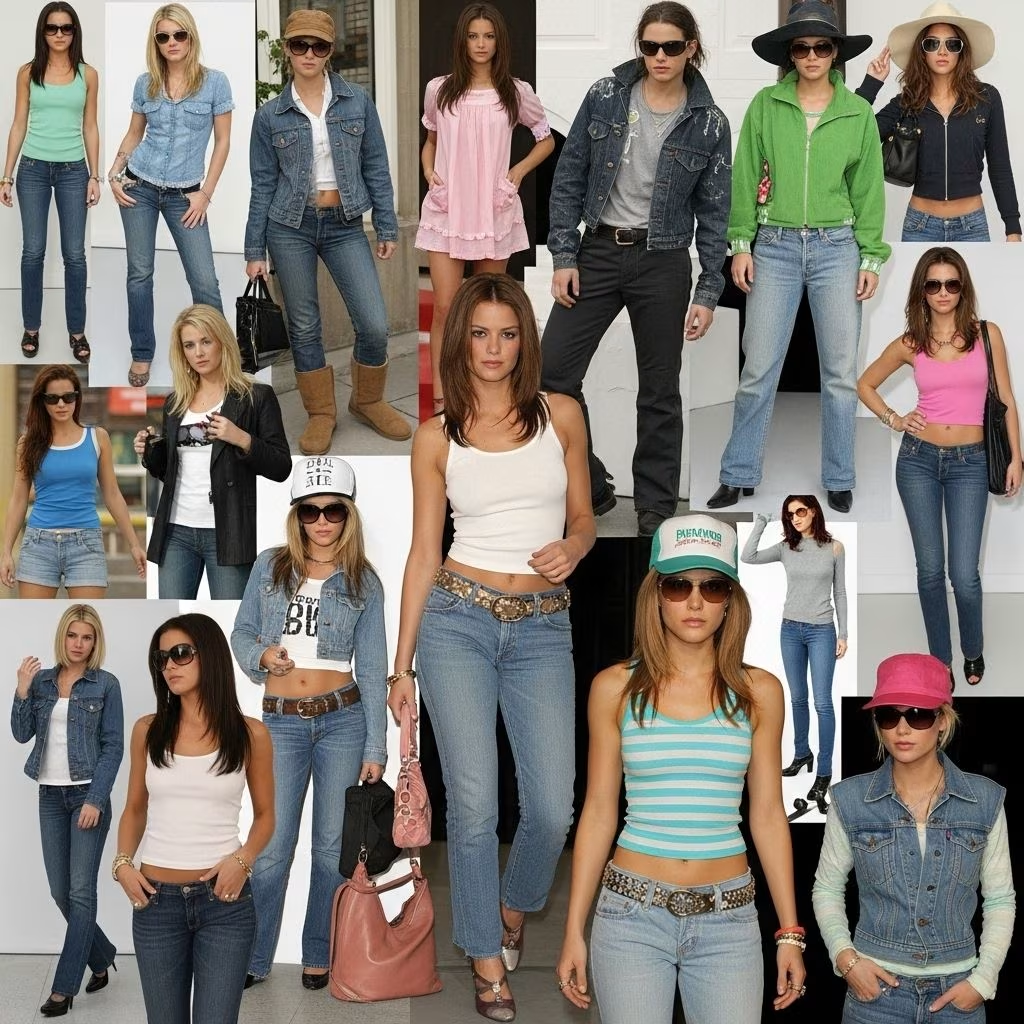
Many women continue wearing the same clothing styles they enjoyed before becoming mothers. The assumption that motherhood requires a complete wardrobe overhaul, including the adoption of “mom jeans,” is another harmful stereotype. Women can and do maintain their personal fashion sense while adapting to the practical needs of caring for children.
Transportation Decisions
The concept of needing a “mom car” is similarly outdated. Many mothers continue driving the same vehicles they owned before having children, simply adapting them with necessary safety equipment like car seats. A small, fuel-efficient car can serve a family just as well as a stereotypical minivan or SUV.
The Problem with Conforming to Stereotypes
When women feel pressured to adopt certain looks or behaviors simply because they have become mothers, several negative consequences emerge:
Loss of Individual Identity: Conforming to stereotypes can lead to a sense of losing oneself in the role of mother, rather than integrating motherhood into one’s existing identity.
Reduced Self-Esteem: The implication that “mom” styles are inherently less attractive or fashionable can damage women’s confidence and self-perception.
Limited Self-Expression: Feeling obligated to look or behave in certain ways restricts women’s ability to express their personalities and preferences.
Perpetuation of Outdated Gender Roles: These stereotypes reinforce traditional expectations about how mothers should present themselves, limiting progress toward gender equality.
Redefining What It Means to Look Like a Mom
The phrase “I don’t want to look like a mom” has become commonplace in hair salons and beauty conversations. However, this statement reveals the problematic nature of how society views motherhood. When both mothers and non-mothers use this phrase, they perpetuate negative stereotypes about maternal appearance.
Hair professionals and clients alike need to recognize that “looking like a mom” should not be synonymous with looking frumpy, outdated, or unattractive. Many of the most stylish, elegant, and fashionable women in the world are mothers who have maintained their personal aesthetic while embracing their parental roles.
The Beauty of Diverse Maternal Styles
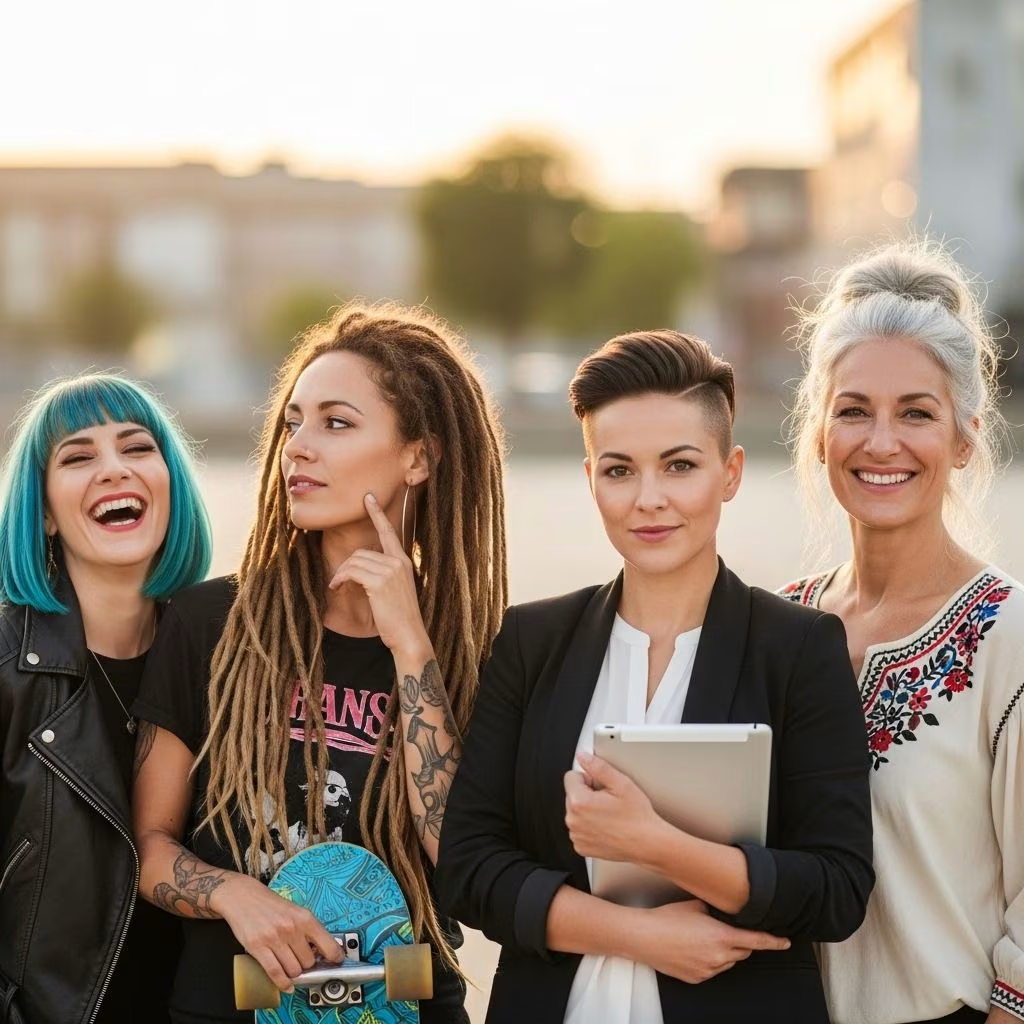
Mothers today represent an incredible diversity of styles, professions, and personal preferences. Some may choose short, practical haircuts for convenience, while others maintain long, flowing locks. Some embrace bold colors and trendy cuts, while others prefer classic, timeless styles. The key is that these choices should be based on personal preference and lifestyle needs, not conformity to stereotypes.
Examples of stylish mothers in the public eye demonstrate that there is no single way to “look like a mom.” From sleek bobs to long waves, from natural textures to carefully styled looks, maternal beauty comes in countless forms.
Practical Considerations vs. Style Sacrifices
While it’s true that motherhood brings practical considerations that may influence hair choices, these factors don’t necessarily require style sacrifices:
Time Constraints: Busy schedules may favor lower-maintenance styles, but these can still be fashionable and flattering.
Physical Comfort: Nursing mothers or those dealing with young children who grab hair may prefer shorter cuts, but these can be stylish and modern.
Hormonal Changes: Post-pregnancy hair changes may necessitate different styling approaches, but these can be opportunities for fresh, contemporary looks.
Budget Considerations: Financial priorities may shift after having children, but this doesn’t mean abandoning all personal grooming and style maintenance.
Moving Beyond the Stereotype
To move beyond harmful “mom hair” stereotypes, society needs to:
Recognize Individual Choice: Support women’s decisions about their appearance without attributing them to their parental status.
Celebrate Diverse Beauty: Acknowledge that attractive, stylish women come in all forms, including mothers of all ages and life stages.
Challenge Language: Question the use of phrases like “mom hair” that carry negative connotations about maternal appearance.
Support Personal Identity: Encourage women to maintain aspects of their pre-motherhood identity that bring them joy and confidence.
Frequently Asked Questions
Q: Is it normal to want to change your hair after having a baby?
A: Yes, it’s completely normal to want a hair change after major life events like childbirth. However, the motivation should come from personal desire rather than pressure to conform to stereotypes.
Q: Are short haircuts really more practical for mothers?
A: Short haircuts can be more practical for some mothers, but this depends on individual lifestyle, hair type, and personal preferences. Many mothers successfully maintain longer hair while caring for children.
Q: How can I maintain my personal style after becoming a mother?
A: Focus on what makes you feel confident and comfortable. Adapt your routine as needed for practical reasons, but don’t feel obligated to completely change your aesthetic because you’re now a parent.
Q: Why do people associate certain hairstyles with being a mom?
A: These associations stem from outdated stereotypes about how mothers should look and behave. They don’t reflect the reality of modern motherhood or the diversity of women who are parents.
Conclusion: Embracing Authentic Self-Expression
The “mom hair” stereotype represents a broader issue of how society attempts to dictate women’s appearance and behavior based on their parental status. Rather than conforming to these outdated expectations, women should feel empowered to make hair and style choices that reflect their personal preferences, practical needs, and individual identity.
Motherhood is a role that adds to a woman’s identity rather than replacing it entirely. A woman who becomes a mother is still herself—with all her preferences, quirks, and style choices—but now with the additional dimension of caring for a child. Her hair, whether long or short, styled or natural, colorful or classic, should be a reflection of who she is as an individual, not a symbol of societal expectations about how mothers should look.
The goal should not be avoiding “looking like a mom” but rather redefining what it means to be a stylish, confident mother in today’s world. By challenging these stereotypes and supporting women’s individual choices, we can create a more inclusive and empowering environment for all mothers, regardless of how they choose to wear their hair.
References
- https://www.cosmopolitan.com/style-beauty/a60380/against-the-stereotype-of-mom-hair/
- https://abcnews.go.com/Lifestyle/mom-insult/story?id=26373084
- https://www.cosmopolitan.com/lifestyle/a35046/hot-mom-effect/
- https://www.miaminativemag.com/articles/mom-talk
- https://ellenwine.com/thanks-for-the-cosmo-years-helen/