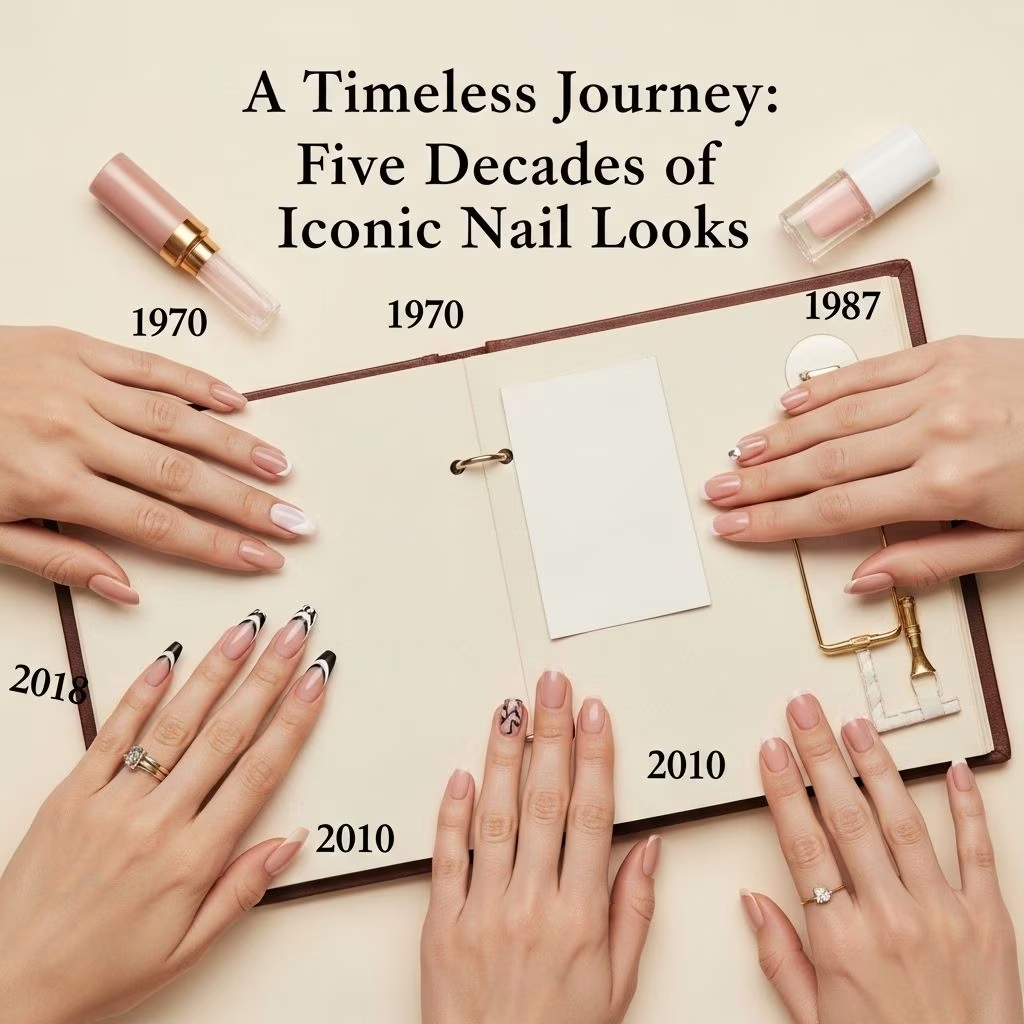
A Timeless Journey: Five Decades of Iconic Nail Looks
Over the last five decades, nail looks and nail polish shades have echoed the cultural shifts, fashion revolutions, and beauty breakthroughs of their eras. From the playful assurance of the swinging Sixties to the neon-soaked exuberance of the Eighties and today’s artful minimalism, nails have served as tiny canvases for personal expression and bold statements. This article takes an in-depth journey through five decades that shaped how we adorn our hands and continues to inspire the ways we polish, paint, and decorate our nails today.
1960s: The Era of Mod and Minimal Whites
The 1960s were defined by the rise of Mod fashion, a youth-centric movement that championed bold simplicity and geometric shapes. In nail fashion, this translated into a surge of demand for white nail polish, a crisp and clean color emblematic of the era’s minimalist chic. White nails became popular for their ability to complement both monochrome and brightly patterned outfits, making them a universal hit among style icons and everyday trendsetters alike.
Why White Nails?
- Reflected the futuristic optimism of the decade.
- Matched the geometric patterns and bold colors in fashion.
- Became a staple for both high-fashion models and the everyday woman.
The white nail look continues to resurface in modern trends, valued for its versatility and universal appeal.
Modern Equivalent: Revlon ColorStay Gel Envy in ‘Sure Thing’ captures that timeless ’60s energy with high-gloss shine and a wearable finish.
1970s: Disco Metallics and Free-Spirit Glam
As the 1970s ushered in the glam of disco and the bohemian freedom of flower power, nail polish trends evolved into the shimmering realm of metallics. Golds, silvers, and bronze polishes sparkled under the dance floor lights, capturing the spirit of the age. Metallic nails were instantly associated with nightclubs, parties, and a new wave of independent expression.
1970s Metallic Features:
- Vibrant finishes that reflected disco balls and stage lights.
- Bronze, gold, and silver shades as symbols of flamboyance and status.
- Paired with flowing bohemian styles and retro patterns.
The popularity of metallic shades continues today, often paired with chrome and mirror finishes for futuristic appeal.
Modern Equivalent: Try the shade ‘Lucky Us’ for a metallic effect reminiscent of the ’70s glitz.
1980s: Neon, Excess, and Statement Nails
The Eighties are synonymous with excess and energetic self-expression, and nowhere is this more evident than in nail trends. Neon colors — hot pinks, electric greens, and eye-searing oranges — became hallmarks of the decade. Labels embraced over-the-top designs, encouraging boldness and a sense of fun.
Why Neon Nails Boomed:
- Helped wearers stand out in the vibrant club and fashion scenes.
- Reflected the pop-culture influences of Madonna, Cyndi Lauper, and more.
- Connected to active pursuits, from aerobics to music festivals.
Neon nails today honor this unstoppable energy, now coupled with modern technology for longer-lasting finishes.
Modern Equivalent: ‘In the Money’ evokes the high-octane color stories of the ’80s.
1990s: Grunge, Attitude, and Dark Hues
In contrast to the neon excess before, the 1990s beckoned the era of grunge and sophisticated edge. Black, deep burgundy, and midnight shades rose to fame as tributes to underground music, rebellion, and understated cool. Inspired by the likes of Courtney Love and Gwen Stefani, nail polish took on a darker, more introspective palette.
Features of ’90s Nails:
- Short, square tips for practical wear.
- Smudged and matte finishes to evoke nonchalance.
- Colors that channeled angst and sophistication alike.
Grunge nails endure in popular style, blending seamlessly with both streetwear and elegant looks.
Modern Equivalent: The shade ‘Ace of Spades’ brings the depth and mood of the ’90s to present-day nails.
Today: Minimal Artistry and Pops of Color
The contemporary era is marked by artful minimalism and creative color placement. While bold classics like cherry reds remain beloved, nail art now incorporates geometric designs, accents, and subtle details that offer personality without overwhelming. The result is a fusion: timeless chic meets playful experimentation.
Current Nail Features:
- Negative space and pop-of-red art.
- Mix of glossy, matte, and chromatic finishes.
- Highlighting the individuality of each nail.
- Influence from social media and global nail artists.
Modern Equivalent: ‘Queen of Hearts’ is a rich, luxurious red perfect for accent art and full nails alike.
Recent trends also include chrome finishes, milky French tips, 3D nail art, and playful patterns, reflecting the expanding menu of nail expression.
How to Get These Looks
- Base Preparation: Start with clean, trimmed nails. Apply a conditioner and base coat for longevity.
- Choose the Color: Select a shade from the era you love—white for the ’60s, metallic for the ’70s, neon for the ’80s, dark for the ’90s, or bold red for today.
- Application: Apply two thin coats of your polish and wait for each to dry thoroughly.
- Top Coat: Seal with a longwear top coat, like ColorStay Gel Envy Diamond Top Coat, for durability and shine.
- Finish: Clean up edges with a brush dipped in nail polish remover for salon-level results.
| Decade | Signature Nail Shade | Vibe |
|---|---|---|
| 1960s | White (‘Sure Thing’) | Mod, minimalist, fresh |
| 1970s | Metallic (‘Lucky Us’) | Glam, disco, bold |
| 1980s | Neon (‘In the Money’) | Energetic, playful, vivid |
| 1990s | Dark/Black (‘Ace of Spades’) | Grunge, edgy, cool |
| Today | Red/Artful (‘Queen of Hearts’) | Modern, minimal, versatile |
Frequently Asked Questions (FAQ)
Q: Why do nail trends change so rapidly?
A: Nail trends reflect evolving popular culture, technology, and fashion preferences. As beauty products improve and social influences shift, new styles rapidly emerge and old favorites return in updated forms.
Q: Which decade had the most influence on today’s nail art?
A: Every decade contributed major influences, but the current era borrows heavily from the artistry and bold color stories of the ’80s and ’90s, reimagined through minimalist and accent-focused designs.
Q: What are the most popular shapes through the years?
A: Classic shapes like rounded, square, and almond have cycled in popularity. Square tips dominated the ’90s, while today’s trends include varied shapes such as coffin, stiletto, and natural-rounded nails.
Q: How do you choose the right nail look for your style?
A: Consider your outfit, occasion, and personality. Neutral tones (like whites) suit everyday life, metallics and neons bring drama for special events, and artful accents or bold reds express individuality and confidence.
Q: Are vintage nail shades still popular?
A: Yes! Vintage colors like ’60s white, ’70s metallic, ’80s neon, and ’90s dark hues are timeless and frequently reappear in modern collections with improved formulas and finishes.
Conclusion: The Enduring Influence of Nail History
The journey through five decades reveals much more than the changing shades on our fingers; it offers a lens to view pop culture, innovation, and personal style evolution. Whether you reach for the crisp whites of the ’60s, flash the metallic shine of the ’70s, dance in ’80s neon, embrace ’90s attitude, or play with today’s nail art, every color speaks to our individuality and the legacy of ever-evolving beauty. With endless inspiration, every manicure can be a little history in the making.
References
- https://www.harpersbazaar.in/fashion/story/the-cultural-evolution-of-nail-art-through-the-years-792878-2024-01-26
- https://www.cosmonails.co.nz/blogs/the-fascinating-history-of-manicures
- https://www.youtube.com/watch?v=Ylg9t-vtQWc
- https://www.cosmopolitan.com/style-beauty/beauty/videos/a59314/history-nail-looks/
- https://www.marieclaire.com/beauty/nail-trends-2025/
- https://www.cosmopolitan.in/beauty/features/story/from-ancient-rome-to-modern-runways-nails-have-always-been-the-ultimate-storytellers-1121347-2024-11-15
- https://www.justaddcoloronline.com/2015/04/07/whats-wrong-with-cosmopolitans-trends-that-need-to-die-article/