Rainbow Armpit Hair: The Ultimate Pride Beauty Statement
Among countless expressions of identity, rainbow armpit hair stands out as a vibrant, bold trend that blurs the line between self-expression, activism, and art. While not every rainbow links directly to Pride, the style has become a distinctive way for LGBTQ+ individuals and allies to demonstrate authenticity, confidence, and celebration during Pride Month—and beyond.
What Is Rainbow Armpit Hair?
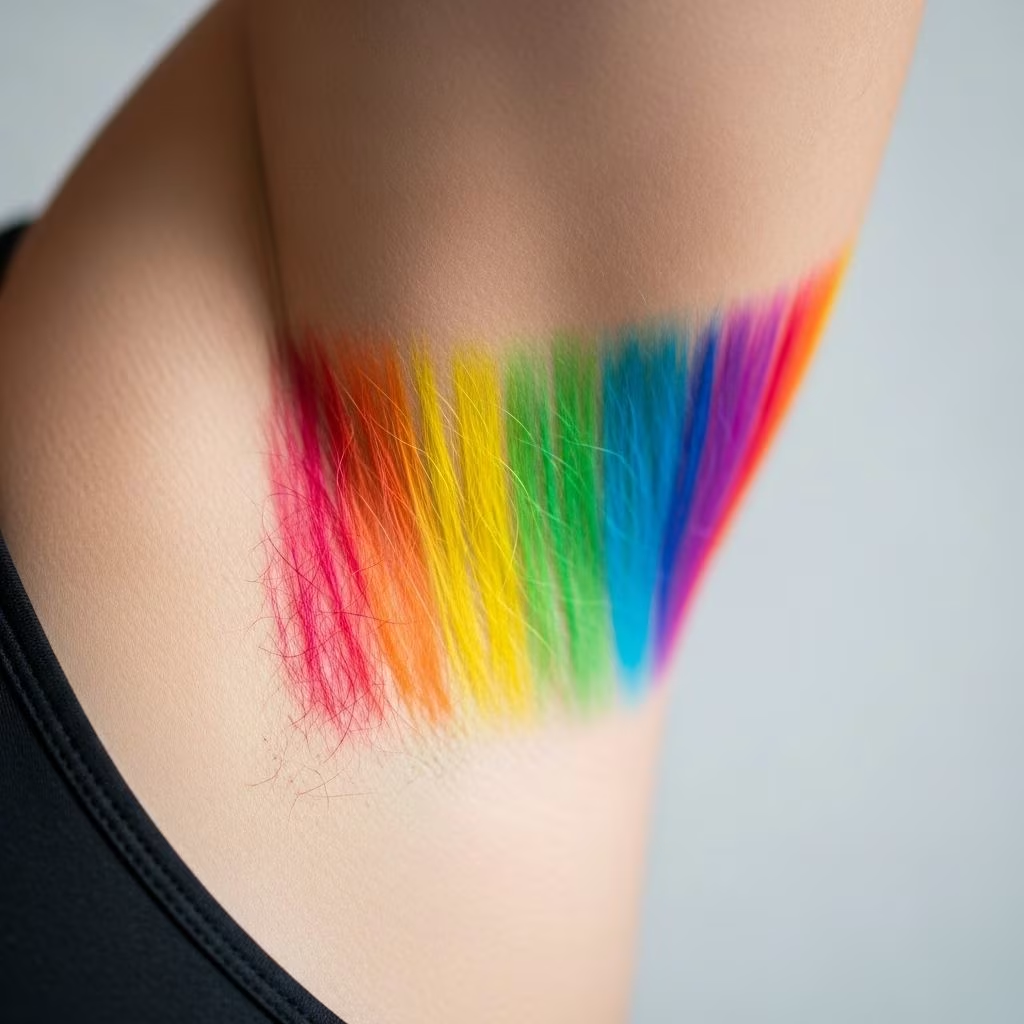
As the name suggests, rainbow armpit hair involves coloring underarm hair in the hues of the rainbow. Though it might sound whimsical or even radical, its roots are firmly planted in the larger movement toward body positivity and challenging gender norms. Hairstylist Caitlin Ford, based in St. Louis, has become the trend’s unofficial ambassador, dazzling followers with her color artistry—including Instagram-famous underarm dye jobs.
The Origins and Evolution of the Trend
While forward-thinking beauty enthusiasts have long experimented with colorful hair elsewhere, rainbow armpit hair is a relatively new phenomenon. The style gained traction thanks to social media influencers, activists, and colorists who sought ever bolder ways to showcase their identity and support the LGBTQ+ community. Ford’s detailed Instagram story documenting the dyeing process sparked fascination, as did trendsetters on YouTube and TikTok, including Official Rainbow Girl who helped further popularize the look.
- Hashtag Movements: #UnicornPits and #Januhairy have turned body hair—particularly colorful armpit hair—into viral empowerment campaigns.
- Visibility: Instagram and YouTube tutorials have made DIY dye jobs accessible and shareable, encouraging more people to experiment.
Beauty, Boldness, and the Politics of Body Hair
Dyeing armpit hair may seem like harmless fun, but it remains a political act for many. Femme individuals continue to fight stigmas around body hair, challenging the ingrained beliefs about what is “acceptable” or “beautiful.” Rainbow armpit hair does more than just attract double-takes—it turns underarm hair into a canvas for self-expression and resistance.
Challenging Gender Norms
- Historically, underarm hair removal was pushed as a beauty standard for women, often with implications about femininity and social acceptance.
- By dyeing—and flaunting—armpit hair, individuals reclaim bodily autonomy and advocate for freedom of choice, regardless of gender.
- Activists and celebrities such as Madonna, Miley Cyrus, and Jemima Kirke have publicly celebrated armpit hair, further legitimizing the trend.
Why Do People Embrace Rainbow Armpit Hair?
Personal empowerment, celebration of diversity, and support for LGBTQ+ rights are at the heart of the trend. For many, it is not just about making a fashion statement—it’s about standing up for the right to exist in one’s natural form, adorned or not.
How to Achieve Rainbow Armpit Hair
Recreating this look requires a little know-how, creativity, and courage. Colorists like Caitlin Ford have generously shared their tips on social media, but with proper technique, anyone can try it at home. Here’s a simplified step-by-step guide inspired by Ford’s process and online tutorials:
- Grow out your armpit hair to a visible length (typically a few weeks without shaving).
- Lighten the hair with bleach if you want vivid rainbow hues—this step is optional, but helps colors pop.
- Section underarm hair with a small brush and apply semi-permanent dyes in stripes or patches, covering all the desired colors (red, orange, yellow, green, blue, violet).
- Allow dye to set according to package instructions, then rinse and dry.
- Style and share! Many enthusiasts post before-and-after shots on Instagram using hashtags like #rainbowpits and #UnicornPits.
Armpit Hair as Art: Instagram Inspiration
Caitlin Ford’s Instagram feed serves as a living gallery of color transformation. Beyond armpits, her work spans elaborate hair dye jobs, each more inventive than the last. Beauty platforms like Allure have showcased her rainbow pit designs, highlighting both her technical skill and her willingness to push boundaries. This creative attitude has inspired legions of followers to experiment with their own looks for Pride and other events.
Not Just for Pride—But Perfect for It
During Pride month, rainbows are everywhere—from flags to apparel to face paint. Rainbow armpit hair offers a playful yet meaningful twist, combining celebration with social commentary. While Pride isn’t limited to rainbows, and not every rainbow look is about Pride, the intersection between the two is impossible to ignore.
- Visibility: Colorful underarm hair stands out, signaling support and solidarity within and beyond the LGBTQ+ community.
- Accessibility: Unlike some high-maintenance beauty trends, armpit dyeing is easy to try at home, with minimal expense.
- Empowerment: For many, the choice to grow body hair—and then decorate it—is deeply personal and empowering.
Politics, Pride, and the Power of Choice
The act of showing and coloring body hair is not merely aesthetic—it’s political. Interviews and think pieces, such as Roxy Hunt and Rain Sissel’s “Free Your Pits” manifesto, highlight that the point is not to make armpit hair beautiful for everyone, but to make personal choice paramount.
| Aspect | Rainbow Armpit Hair | Traditional Standards |
|---|---|---|
| Symbolism | Expression, Pride, Rebellion | Femininity, Cleanliness |
| Maintenance | Grow, bleach, color | Shave, wax, remove |
| Societal Perception | Controversial, empowering | Conventional, expected |
| Politics | Body autonomy, LGBT+ visibility | Conformity to beauty norms |
Not Just a Passing Fad
Armpit hair dyeing takes its place alongside other forms of body art—tattoos, piercings, and hair dye. Each move away from norms signals a broader trend towards individualism, diversity, and self-acceptance. Whether someone chooses to shave, dye, or flaunt their body hair, the conversation is shifting from “should you?” to “can you?”—and the answer is a resounding yes.
Media and Celebrity Influence
Celebrity icons and influencers have amplified armpit hair pride. Images of Madonna, Miley Cyrus, Jemima Kirke, and even Sophia Loren celebrating natural underarm hair have flooded social feeds, giving the movement mainstream visibility. Forward-thinking beauty brands like Billie have even launched advertising campaigns featuring women with body hair, signaling a new era of inclusive beauty.
- Social Media: Instagram and TikTok have democratized beauty trends, making unicorn pits and rainbow armpit hair global phenomena.
- Influencer Tutorials: YouTubers and TikTokers share practical tips on safe bleaching and coloring, reaching hundreds of thousands.
- Community Support: As more people embrace the trend, stigma is slowly replaced by solidarity and excitement.
Body Positivity and the #FreeYourPits Movement
Movements like “Januhairy” and “Free Your Pits” encourage individuals to question beauty norms and embrace their natural selves. The call is clear: whether you shave, dye, or let your hair grow—your choice should be free from judgment.
- Main Message: “Women should be allowed to make decisions about their bodies without judgment from others”.
- Beauty Redefined: The movement counters the notion that all body hair must be hidden or removed, instead framing it as an opportunity for artistic freedom.
Frequently Asked Questions (FAQs)
Q: Is rainbow armpit hair safe to do at home?
A: Yes, semi-permanent dyes are generally safe on armpit hair if patch-tested first and proper technique is used. Bleaching should be done with caution; sensitive skin may react more than scalp hair.
Q: What does rainbow armpit hair mean to the LGBTQ+ community?
A: While not everyone who dyes their armpit hair is LGBTQ+, the look often serves as a visual statement of solidarity, allyship, and support during Pride and other inclusivity-driven events.
Q: How long does the color last?
A: Most semi-permanent colors last about 1–2 weeks, depending on hair growth rate and washing habits. Blonde or lightened hair holds color better than natural dark hair.
Q: Is the trend socially accepted?
A: Opinions vary by region and generation. In many progressive circles, it’s seen as a celebration of body positivity and art. More traditional settings may still find it controversial, reflecting ongoing shifts in beauty standards.
Q: Can anyone try rainbow armpit hair, or is it just for Pride?
A: Absolutely anyone can try the look; although popular during Pride, colorful armpit hair is a form of self-expression available year-round.
How Rainbow Armpit Hair Fits Into the Bigger Picture
The story of rainbow armpit hair is more than a hashtag or passing trend—it’s a testament to a generation redefining beauty as choice, not conformity. As Pride celebrations bring authenticity and diverse identity to the foreground, the rainbow underarm is a playful, powerful nod to progress and possibility.
- It bridges artistic freedom with activism, showing that beauty can be colorful, political, and unapologetically bold.
- It celebrates body acceptance, supporting all genders in reclaiming their bodies as canvases for creative self-love.
- It pushes the beauty industry to expand its definitions, promoting visibility for people historically sidelined by mainstream standards.
Final Thoughts: Pride, Power, and Living Colorfully
Whether you embrace rainbow armpit hair for Pride or simply to add a dash of rebellious fun to your style, remember it’s a trend that stands for freedom, confidence, and joy. As social movements continue to challenge the “rules” of beauty, colorful underarm hair will remain both an artistic experiment and a form of personal liberation. For many, the rainbow is more than aesthetic—it’s a celebration of self-love, community, and the optimism of living colorfully, without apology or restriction.
References
- https://www.cosmopolitan.com/style-beauty/beauty/a10199875/rainbow-armpit-hair-pride/
- https://www.marieclaire.com/beauty/a25916673/unicorn-armpit-hair-photos/
- https://www.youtube.com/watch?v=jLWRJwXqDFI
- https://www.seventeen.com/beauty/hair/a48141/rainbow-armpit-hair-pride/
- https://www.aol.com/article/lifestyle/2017/06/22/rainbow-armpit-hair-pride/22583195/
- https://www.refinery29.com/en-us/2017/06/160120/pride-inspired-armpit-hair