The Pink Tax: Why Women Pay More and What’s Being Done About It
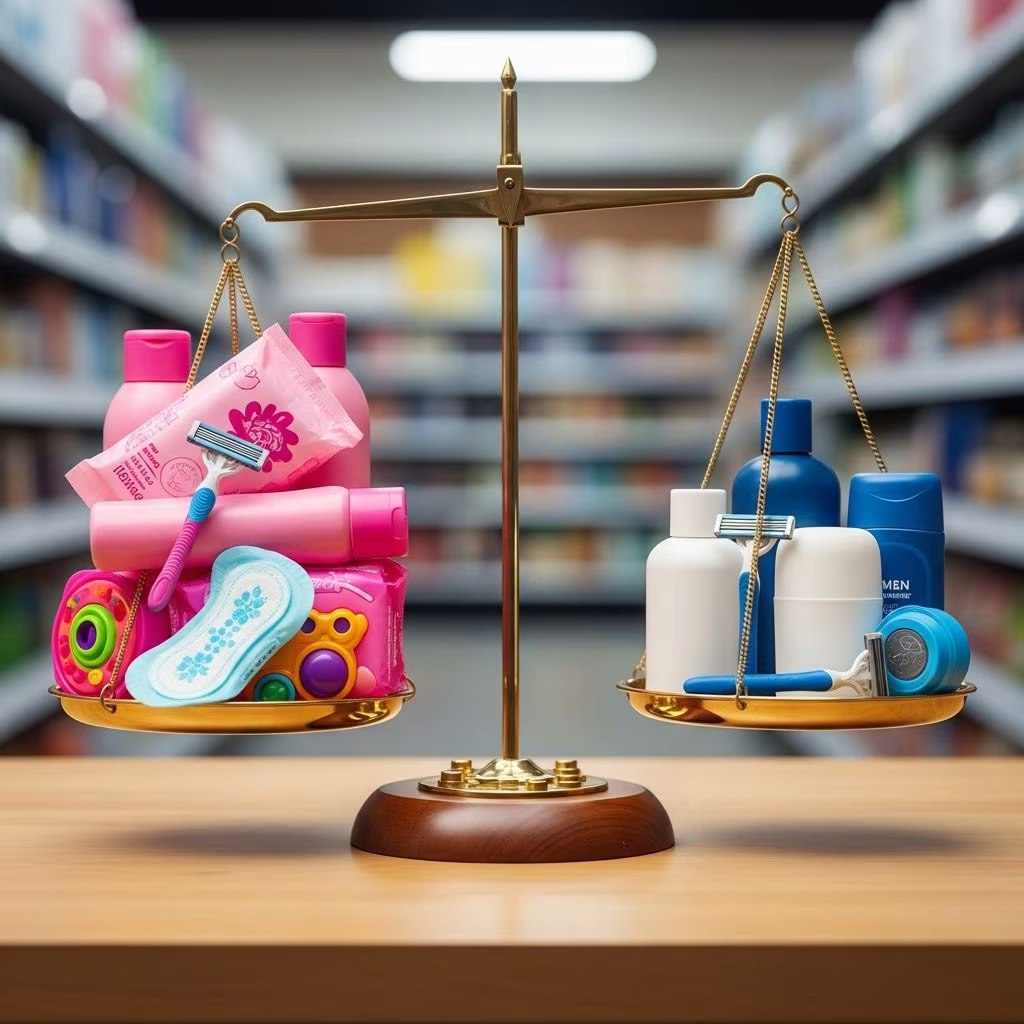
Imagine heading to the store to buy everyday essentials — razors, deodorant, toys, or even bike helmets for your child — but noticing that the versions marketed toward women or girls are suspiciously pricier than the same items in other colors or packaging. This is what’s known as the pink tax: gender-based price discrimination on products and services marketed to women, resulting in higher costs for women over a lifetime. Here’s a comprehensive look at what the pink tax is, how it appears in daily life, and the ongoing efforts to challenge this unfair economic burden.
What Is the Pink Tax?
The pink tax refers to the extra costs women often pay for products and services marketed specifically to them. Despite the name, it’s not an official tax levied by governments, but rather an upcharge imposed by companies, often hidden in the fine details of pricing for everyday items.
- Women pay more for goods such as personal care items, clothing, children’s toys, and health care products, even when those products are nearly identical to those marketed toward men.
- The term originates from the way manufacturers tend to use pink packaging or branding to signal ‘for women,’ often justifying price differentials with superficial cosmetic differences.
- Research shows women can pay 10-15% more for similar products across their lifetime.
While the pink tax most obviously impacts toys and toiletries, it also reaches into the costs of professional services, senior care products, and even financial services. These small but persistent upcharges can add up to thousands of dollars over a woman’s life.
Everyday Examples: Where Does the Pink Tax Show Up?
The pink tax can be subtle, but it’s everywhere. Here are some of the most common places where women pay more:
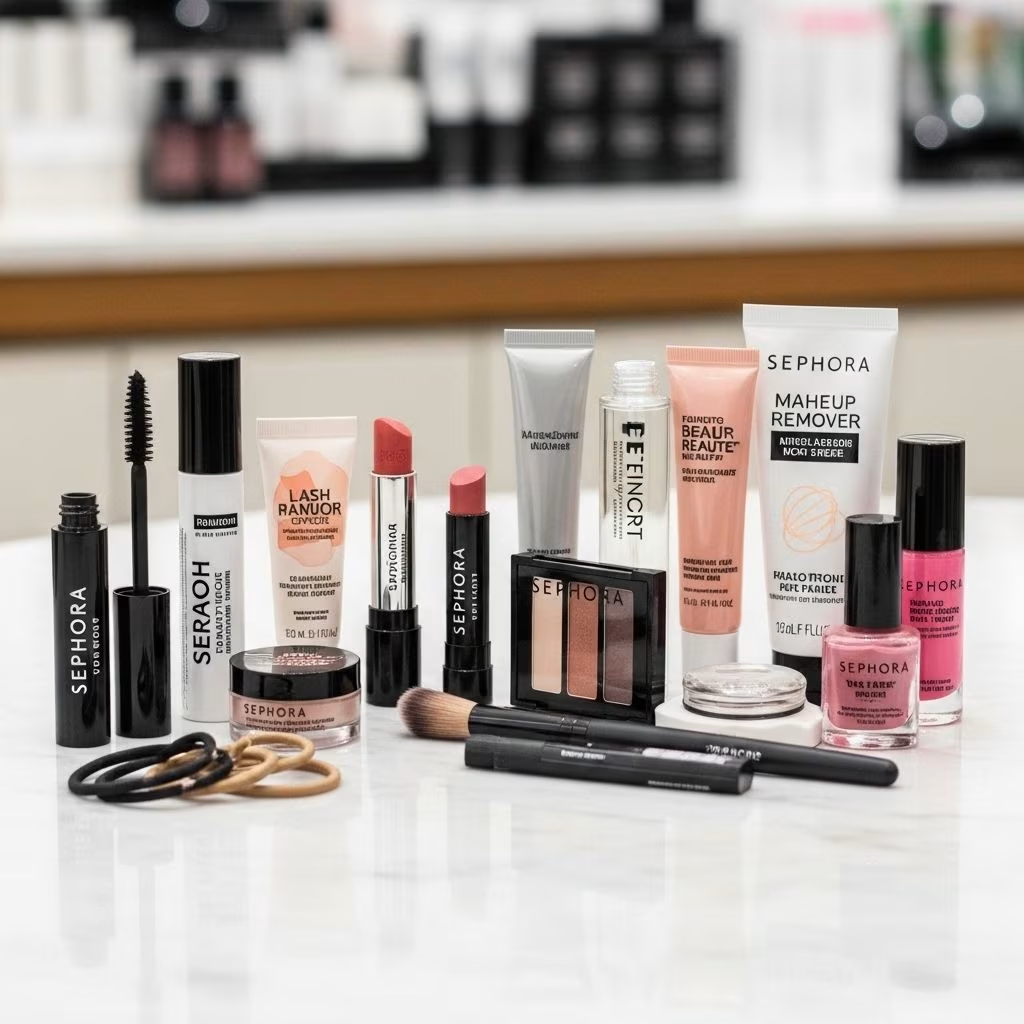
- Personal Care Products: Women’s razors, deodorants, and shampoos are typically more expensive than comparable men’s products, even when formula and function are virtually identical. A pink razor, for example, might cost more than a blue one, while shampoo for ‘her’ often has a price premium.
- Clothing: Dry cleaning for women’s clothing is consistently higher than for men’s. Similarly, tailoring and alterations for women’s garments often cost more.
- Toys and Kids’ Products: Bikes, scooters, and helmets branded for girls — often colored pink or purple — are often priced higher than the same items in different colors aimed at boys.
- Senior Care and Medical Products: Products for women (e.g., adult diapers) can cost more than gender-neutral or men’s versions.
- Financial Services: Even insurance and loans at times have had historical gender-based differential pricing.
The pink tax is not just an American problem — it’s global, with research from Canada and European countries showing similar patterns of gendered price discrimination across a wide spectrum of products.
The ‘Tampon Tax’ and Period Poverty
Perhaps the most hotly debated aspect of the pink tax is the so-called tampon tax or period tax: the sales tax applied to menstrual hygiene products such as pads, tampons, cups, and liners. While many essential items like groceries are tax-exempt, period products are classified as ‘luxury items’ and taxed accordingly in many states and countries.
- On average, women spend about $60 per year on menstrual products, adding up to over $2,400 over a typical reproductive lifetime.
- In some states, sales tax on these essentials increases the financial burden, especially for women living below the poverty line, exacerbating what’s known as period poverty.
- Period poverty results in inadequate access to menstrual hygiene tools, education, and basic facilities, impacting health, dignity, and participation in daily life.
With the feminine hygiene products industry forecasted to reach over $52 billion globally, the stakes for equitable and affordable access are higher than ever. State governments make millions in annual revenues from sales tax on menstrual products — one reason why change has come so slowly.
Why Do We Still Have the Pink Tax?
The persistence of the pink tax is driven by a combination of market behavior, stereotypes, and company practices:
- Price Discrimination: Companies believe women are less price-sensitive and will pay more for ‘specialized’ or ‘gendered’ products.
- Packaging & Marketing: Minor cosmetic tweaks or feminine branding are used to justify price differences.
- Market Segmentation: Businesses see an opportunity to maximize profits by targeting women with higher-priced product lines.
- Import Tariffs: In some countries, import tariffs on women’s goods can be higher, further raising retail prices.
- Stereotyping and Institutional Sexism: These feed assumptions about what women want, need, or are willing to pay for, locking in higher prices for women.
How Much Does the Pink Tax Really Cost Women?
The cumulative effect of the pink tax over time is startling:
- Annual Extra Costs: Research suggests women may pay an estimated $1,300 extra per year for products and services compared to men.
- Lifetime Impact: Over a lifetime, this can amount to tens of thousands of dollars in additional expenses due simply to gender-based pricing.
The Fight Against the Pink Tax: Legal Reforms and Corporate Action
Awareness of the pink tax has grown in recent years, leading to action at state, corporate, and grassroots levels. Here’s how governments and companies are taking steps:
Which States Have Acted?
| State | Action Taken |
|---|---|
| New York | Banned gender-based pricing on goods and services; eliminated pink tax on many categories. |
| California | Banned gender-based pricing on services for over a decade; recent bans extended to retail goods. |
| Ohio | Eliminated sales tax on feminine hygiene products. |
| Virginia, Colorado, Iowa, Nebraska | Reduced or removed sales tax on period products. |
| Texas | Recently ended the tampon tax entirely. |
Still, there is no federal pink tax ban, despite repeated introduction of the Pink Tax Repeal Act in Congress. Most advocacy and legal reform happens at the state or local level, creating a patchwork of protections across the country.
Corporate Action and Consumer Pressure
- Major retailers like CVS have voluntarily lowered prices on feminine care products and absorbed state sales tax on these items in select states, recognizing the harmful impact of the pink tax.
- Industry coalitions (August, Cora, Lola, Rael, The Honey Pot, Here We Flo, Saalt, DIVA) have launched Tampon Tax Back campaigns, allowing consumers in certain states to receive refunds on sales tax for period products and pressuring leaders for reform.
- Grassroots advocacy and viral social media campaigns help keep public pressure on lawmakers and corporations, promoting awareness and policy change.
Global Perspective: The Pink Tax Around the World
The pink tax isn’t unique to the U.S. Canadian, U.K., European, and Australian campaigns have highlighted:
- Import duties on women’s goods that increase retail prices.
- Sales taxes on hygiene products in countries that exempt other essentials.
- National campaigns to end gender-based pricing and promote period products as necessities, not luxuries.
Progress abroad helps inform and inspire efforts for reform at home, showing that government intervention and vocal consumer advocacy can drive change.
Frequently Asked Questions (FAQs)
Q: Is the pink tax a real tax imposed by the government?
A: No, the pink tax is not an official government tax. It refers to higher prices on products and services marketed to women, resulting from company pricing decisions and, in some cases, state taxes on period products.
Q: Why are period products taxed in some states?
A: In many states, period products are classified as luxury items, not essentials, so they incur sales tax, unlike groceries or medicines. Advocacy campaigns push to get these products legally recognized as necessities.
Q: How much more do women pay because of the pink tax?
A: Women may pay 10-15% more for some products and services than men. The average annual extra cost has been estimated at $1,300 or more.
Q: Which states have banned or reduced the pink tax?
A: States including New York, California, Ohio, Texas, Virginia, Colorado, Iowa, and Nebraska have enacted laws or adopted measures to reduce or ban the pink tax, especially on feminine hygiene products. However, federal legislation has repeatedly stalled.
Q: How can consumers avoid the pink tax?
A: Compare prices between gendered and non-gendered products, consider buying non-pink or men’s versions when possible, and support brands and retailers that actively work to eliminate gender-based pricing. Stay informed and advocate for policy changes at the state and national level.
What Can You Do About the Pink Tax?
- Shop Smart: Compare prices and consider alternatives outside the “women’s” aisle — often the only difference is marketing or packaging.
- Raise Awareness: Use social media to spotlight unfair pricing or join advocacy campaigns targeting lawmakers and corporations.
- Support Reform: Vote for and contact legislators who support eliminating gender-based pricing and tampons tax. Support retailers and brands that are transparent and proactive about gender price equity.
Key Takeaways
- The pink tax is a real and persistent form of gender-based price discrimination, costing women more for everyday products and services.
- Period products face an added burden through state sales tax, compounding issues of affordability and access, particularly for low-income women.
- While some states and companies have taken steps to reduce or eliminate the pink tax, there is no federal protection, and consumers must remain vigilant and proactive.
- Change can happen with advocacy, smart shopping, and sustained pressure on lawmakers and brands to move toward gender price equity.
References
- https://www.kiplinger.com/taxes/pink-tax-womens-products-price-discrimination
- https://nupge.ca/wp-content/uploads/2024/03/The-Cost-of-Being-a-Woman.pdf
- https://hsastore.com/learning-center/articles/learn-feminine-care-hsa
- https://www.healthline.com/health/the-real-cost-of-pink-tax
- https://now.org/blog/the-pink-tax-the-cost-of-being-a-woman/
- https://thestatement.bokf.com/articles/2025/06/the-higher-cost-of-being-a-woman
- https://jakobbrounstein.github.io/files/BarnesBrounstein_2024_wp.pdf
- https://girlpowerusa.org/what-is-pink-tax/