Brita Filter Vodka: How TikTok Turned a Water Pitcher Into a Party Game-Changer
On any given day, TikTok is home to a new viral sensation, but few trends have captured the collective curiosity quite like the so-called Brita filter vodka hack. The premise? Run bottom-shelf vodka through a Brita water filter and—supposedly—emerge with a smooth, high-end tasting spirit. But does this internet home chemistry experiment actually work, and just how safe is it? This article explores the science, the spectacle, and the social swirl around this trending filtration adventure.
The TikTok Craze Explained
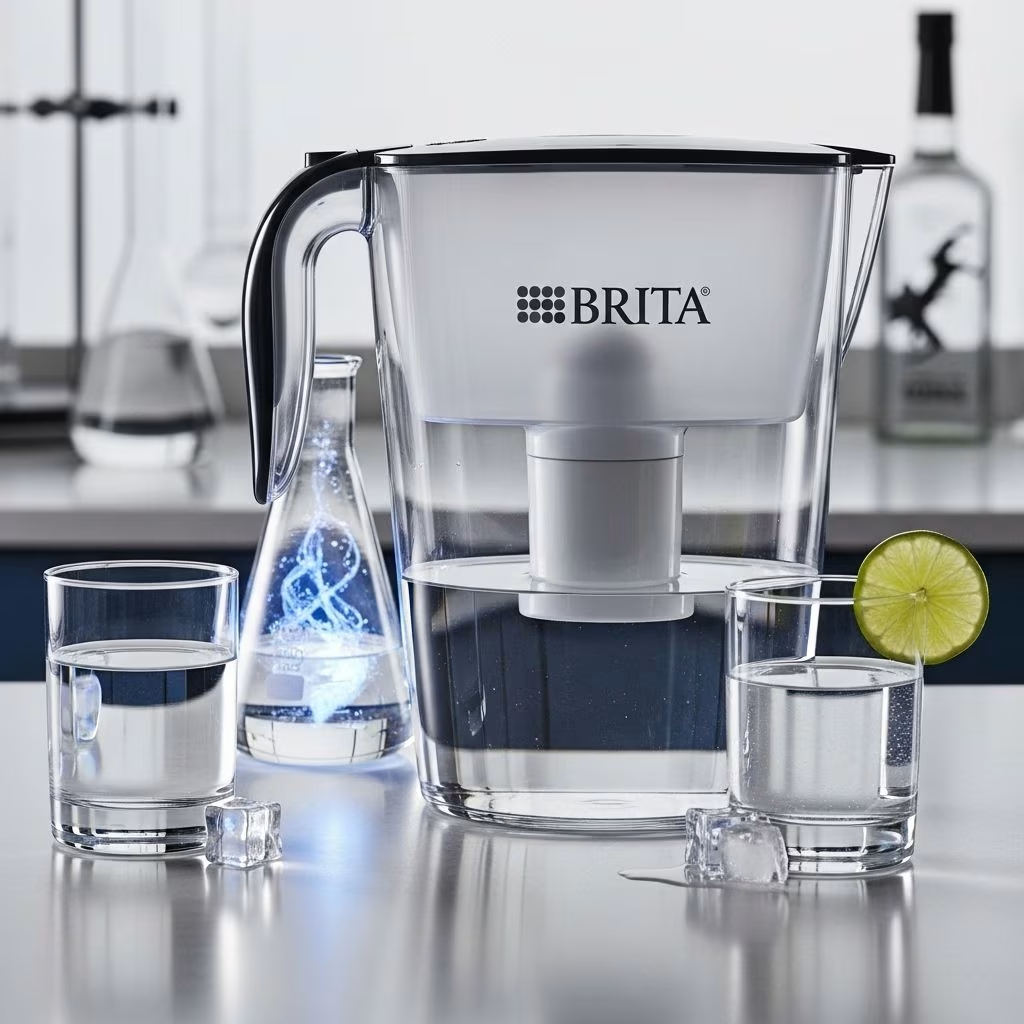
It began innocently enough: a user pours cheap vodka into a Brita pitcher, lets it drip through the filter, then eagerly performs a taste test. The result is nearly always wide-eyed astonishment. “It tastes like water!” or “It’s like top-shelf vodka now!” are common refrains . Videos have accumulated millions of views, with users quick to experiment—not just with vodka, but with tequila, red wine, and more.
But this is more than youthful curiosity; TikTokers are setting up side-by-side taste tests, using different brands, and even trying to scientifically analyze changes in flavor and odor. Commenters are left wondering: “If it tastes like water, will it make me less drunk?” The short answer: No. The Brita filter affects taste, not alcohol content .
Does the Brita Filter Vodka Hack Really Work?
The anecdotal consensus—at least on TikTok—is a resounding yes. After a single pass through a Brita filter, cheap vodka loses much of its harshness and gains a neutral, smoother profile, reminiscent of pricier options . But why?
- Texture and Taste: Many report a smoother texture and a flavor that closely resembles water after filtration.
- Odor reduction: The distinctive alcohol ‘burn’ or harshness is noticeably reduced.
- No impact on alcohol strength: Filtered vodka retains the same intoxicating punch as before.
The Science Behind Brita Filtration
Brita filters use activated carbon and, in some models, an ion exchange resin. These components are designed to target specific impurities in tap water. Their main function is to reduce substances that cause bad smells and tastes—namely:
- Chlorine
- Copper
- Lead (to a certain extent, depending on filter model)
This is why when harsh-tasting, low-quality vodka (often with more impurities or residual byproducts from less refined distillation) passes through a Brita filter, much of what causes its unpleasant taste is stripped away .
Why Does Vodka Taste Different After Filtering?
Cheap vodkas contain more impurities—such as fusel alcohols, esters, aldehydes, and trace organics—that contribute to their rougher flavor and smell. Activated carbon binds to and removes many of these substances, just as it removes taste-affected compounds from tap water.
- Activated carbon has microscopic pores that trap certain chemicals by adsorption.
- The result: Vodkas taste softer, cleaner, and less abrasive, even if the alcohol content remains unchanged.
How Filters Change Flavor—But Not the Buzz
While TikTok videos show filtered vodka tasting smoother and easier to consume, there’s no actual reduction in the drink’s alcohol strength. The ethanol molecules (C2H5OH) that make up the intoxicating part of vodka are too small to be removed by Brita filters. The process is all about flavor and mouthfeel:
- Reduces: Unpleasant flavors, off-notes, strong alcohol burn
- Does NOT reduce: Alcohol by volume (ABV), intoxication potential
This is why the hack is considered ‘dangerous’ by some—the smoothness may encourage people to drink more quickly .
Does Filtering Affect Alcohol Content or Safety?
It’s a common question: If Brita filters make vodka taste like water, does it also strip out alcohol or make drinking safer? The answer is clear—Brita filters do not remove the ethanol molecules responsible for intoxication . Filtered vodka gets you just as drunk as unfiltered vodka, so consume responsibly.
There are, however, some important considerations:
- Filter Clogging: Filtering non-water liquids (like alcohol, red wine, or tequila) can shorten the lifespan of the filter or clog it with residue .
- Health Risks: Brita filters are not designed or tested for filtering alcohol. Using them this way is outside the manufacturer’s intended usage, and could risk filter degradation or contamination over time.
What Can—and Can’t—Brita Filters Remove?
While Brita filters handle certain tap water contaminants well, they have limitations. According to various independent lab analyses and manufacturer claims:
- Can filter/reduce: Chlorine, some heavy metals (like copper and lead), certain organic compounds, some pesticides and pharmaceuticals (with Elite filters) .
- Cannot reliably filter: Arsenic, nitrate, hexavalent chromium, certain PFAS compounds (so-called ‘forever chemicals’), and disinfection byproducts like THMs and HAAs .
- Not designed for: Mold, fungi, microbial pathogens (e.g., norovirus, salmonella). Brita filters are for improving taste and minor chemical content—not for complete sterilization or extreme purification .
| Substance | Does Brita Filter Remove It? |
|---|---|
| Chlorine | Yes, significantly reduced |
| Copper/Lead | Yes, partially (depends on model) |
| Pesticides/Pharmaceuticals | Elite filter models only |
| PFAS, Arsenic, Nitrate, Chromium | No |
| Mold/Fungi/Bacteria | No, not certified |
| Ethanol (alcohol) | No |
Vodka vs. Other Alcohols: Does the Trick Work Everywhere?
While vodka has propelled the hack to TikTok fame, many users quickly experimented with other spirits:
- Tequila: May yield smoother flavor, but viscous or sugary alcohols could clog filters .
- Red Wine: Some success with smoother tannins, but filtration could also strip key flavor molecules and permanently stain or ruin the filter.
- Other Spirits: Filter performance is inconsistent. Vodka, being the most neutral and typically least flavorful liquor, benefits most.
Expert Takes: Chemists and Filter Manufacturers Weigh In
Chemists confirm that activated carbon—used in Brita filters—works by binding to larger organic molecules, making it ideal for removing some of the substances that give cheap vodka its bite. However, they also note potential pitfalls:
- Filter wear: Non-water liquids can degrade filter elements and risk bio-contamination if not promptly cleaned or replaced.
- Not tested for safety: Pitcher filters are not certified for repeated use with alcoholic or sugary liquids.
- Manufacturer warnings: Both Brita and other home filter producers officially discourage use with anything other than tap water, and doing so can void warranties.
Legal and regulatory scrutiny is also increasing. Some class action lawsuits have alleged misleading claims about the scope of Brita’s filtration, urging consumers not to see filtered water—or vodka—as completely purified or contaminant-free .
Frequently Asked Questions (FAQs)
Q: Can a Brita filter make cheap vodka taste like premium vodka?
A: Yes, Brita filters can reduce harsh flavors in cheap vodka through activated carbon adsorption, but do not alter alcohol content.
Q: Is it safe to run alcohol through a Brita filter?
A: While possible, it’s not what the filter is designed for. Repeated filtering of alcohol or other non-water liquids may reduce filter life and could harbor bacteria if not cleaned properly.
Q: Will using a Brita filter make vodka or wine less intoxicating?
A: No. Filtration does not alter the chemical structure or strength of alcohol; it only impacts flavor compounds and aroma.
Q: Can this hack work on other beverages like tequila or rum?
A: It can soften flavors in other spirits, but may clog or ruin filters faster due to sugar, color, and residue. Vodka remains the most straightforward candidate.
Q: Does Brita purify tap water of all harmful toxins?
A: No. Brita filters reduce many aesthetic and some chemical contaminants, but aren’t certified for serious filtration needs (such as arsenic, PFAS, bacteria, or viruses).
Key Takeaways
- Brittle tastes, smoother shots: The viral hack can tame rough spirits but won’t change how much alcohol you’re ingesting.
- Filter wisely: Brita filters excel with water but are not designed for liquor. Relying on them to fully purify water (or vodka) carries its own caveats.
- Know your limits: Smoother vodka is not less strong—and overuse of home filters for viral experiments may strain both your filter and your wallet.
- Science meets spectacle: The Brita filter vodka trend is both a chemistry lesson and an entertaining window into the world of internet-fueled curiosity.
As always, drink responsibly—and leave filtration science to TikTok only if you’re prepared for the consequences, both expected and surprising.
References
- https://www.medicalnewstoday.com/articles/do-brita-filters-work-effectiveness-and-what-they-filter
- https://www.the-independent.com/life-style/brita-filter-vodka-tiktok-hack-b2201549.html
- https://mytapscore.com/blogs/tips-for-taps/what-do-brita-pitchers-filter-out
- https://www.cosmopolitan.com/style-beauty/beauty/a65321822/readers-choice-beauty-awards-2025/
- https://esemag.com/news/brita-water-filters-accused-of-falsely-advertising-ability-to-reduce-water-contaminants-lawsuit-claims/
- https://www.cosmopolitan.com/uk/body/health/a43454012/sound-bath-review/
- https://www.youtube.com/watch?v=s5HhpKyCLYI
- https://www.brita.com.au/news-stories/consumer/how-do-brita-water-filters-work
- https://www.youtube.com/watch?v=L_5ND15RJCc