How to Remove Hair Dye From Skin: Reliable Tips from Hairstylists
Dyeing your hair at home can be transformational and empowering, but there’s one universal truth all DIY colorists face: hair dye stains on skin are inevitable. Whether it’s on your hairline, ears, neck, or hands, those unsightly splotches of magenta or jet-black seem determined to tag along. The good news? There are proven, gentle ways to remove hair dye from your skin—without harsh chemicals or irritation. Here, we break down advice from professional hairstylists and dermatologists to help you achieve stain-free skin after every color job.
Contents
- Preventing Hair Dye Stains
- Why You Should Avoid Harsh DIY Removers
- Gentle Exfoliation for Stubborn Stains
- Using Makeup Remover to Lift Dye
- Oil-Based Solutions for Sensitive Skin
- Store-Bought Hair Dye Remover Recommendations
- Extra Tips and FAQs
1. Preventing Hair Dye Stains by Prepping Your Skin
The best way to avoid the hassle of removing dye stains is to prevent them from happening in the first place. Professional colorists recommend these easy steps before you start dyeing:
- Apply a barrier: Coat your hairline, ears, and neck with petroleum jelly (like Vaseline) or a thick moisturizing cream to act as a shield. This creates a slick surface, making it difficult for the dye to adhere to your skin.
- Use gloves: Always wear gloves when applying dye to avoid stained hands and fingernails.
- Wipe up spills fast: During the dyeing process, keep a damp cotton pad nearby to quickly blot away drips and smudges before they set in.
Proper skin prep not only reduces staining risk, it also makes post-dye cleanup much easier and gentler on sensitive areas.
2. Avoid Harsh DIY Removers: What NOT To Use
When faced with stubborn stains, you may be tempted to reach for anything that promises results—even household cleaning products. Pause! Many popular DIY hacks online involve abrasive, irritating ingredients, but experts strongly discourage using:
- Nail polish remover (acetone): Can cause serious irritation, redness, and chemical burns, especially on facial skin.
- Rubbing alcohol: Very drying and potentially damaging, leading to rashes and peeling.
- Baking soda: Naturally abrasive, but may scrape or micro-tear your skin if used too vigorously.
- Harsh soaps or cleaning agents: These strip skin’s natural oils, increasing the risk of inflammation and discomfort.
“A little hair-dye stain is nothing compared to a red, angry rash and burned-off skin,” warn stylists. Instead, opt for gentle, skin-safe methods that nourish as they cleanse.
3. Gently Exfoliate Your Skin to Remove Dye
Exfoliation is one of the most effective ways to fade hair dye stains, especially along the hairline or on your hands. While abrasive scrubs are generally discouraged for the face, a mild exfoliant can work wonders on dye residue.
- Choose a gentle scrub: Look for products with soft, non-drying particles—avoid gritty, harsh exfoliants designed for body or feet.
- Limit use: Exfoliate stained skin once every three days (or until the stain fades), gently massaging for 30 seconds max.
- Rinse and moisturize: Always follow exfoliation with a hydrating cleanser and a nourishing moisturizer to prevent dryness.
Recommended face exfoliators:
- Dermalogica Daily Microfoliant Face Exfoliant
- Fresh Sugar Face Polish Exfoliator
- Tula So Polished Exfoliating Sugar Face Scrub
- Aveeno Positively Radiant Skin Brightening Exfoliating Daily Facial Scrub
These products offer a balance of effective stain-lifting and skin care, making them a good choice for post-dye cleanup.
4. Remove Hair Dye Stains With Makeup Remover
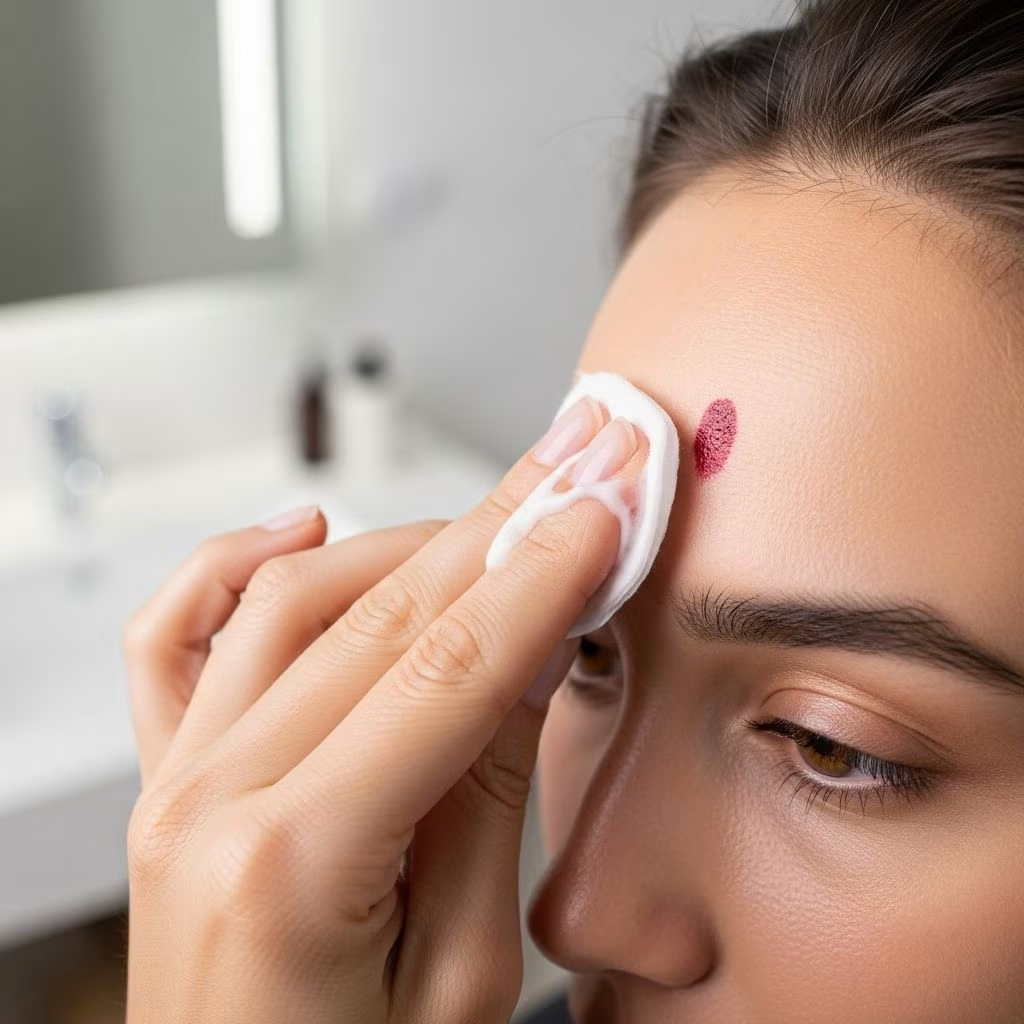
Your trusted waterproof makeup remover isn’t just for mascara—it’s also a secret weapon against fresh dye stains. Dermatologists and stylists recommend this gentle solution for quick, irritation-free cleanup.
- How-to: Soak a cotton pad or makeup wipe and gently buff the stained area. Makeup removers often contain oils that break down pigment without harming skin.
- Wait and rinse: Buff out the stain, let sit for five minutes, then rinse with lukewarm water.
- Repeat if needed: Some stains may require more than one pass.
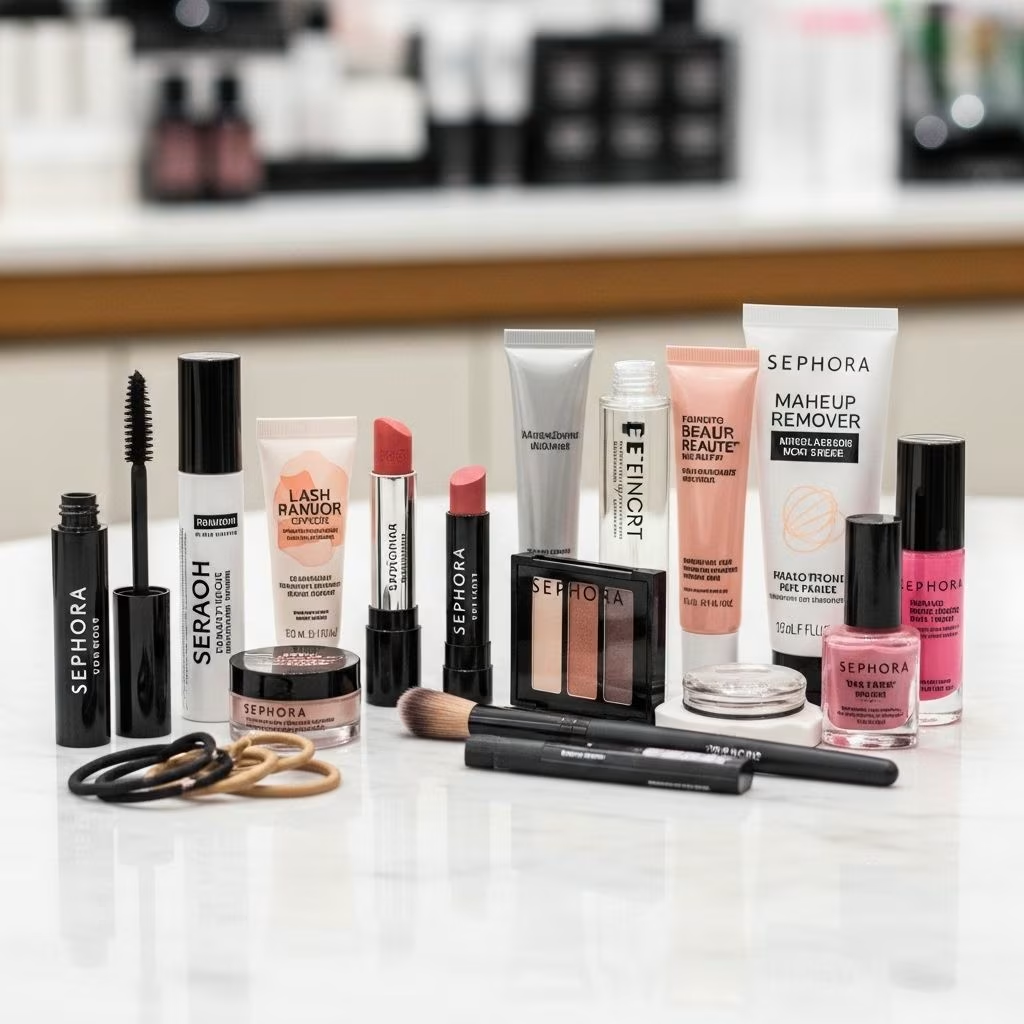
Recommended makeup removers:
- Klorane Make-Up Remover Water with Soothing Cornflower
- Shiseido Instant Eye And Lip Makeup Remover
- Cleanse By Lauren Napier
- Avene Intense Eye Makeup Remover
5. Oil-Based Solutions: Gentle and Effective For Sensitive Skin
Natural oils such as coconut oil, olive oil, and baby oil can break down dye pigments without damaging or irritating sensitive skin. These options offer double benefits: stain removal and skin softening.
- How-to: Rub a generous amount of oil onto the stained area with clean fingers or a soft cotton pad.
- Soak: Let the oil sit for 5–10 minutes to lift the dye.
- Wipe and rinse: Remove with a damp cloth or gently rinse with warm water.
- Repeat: For persistent stains, you may need to repeat the process or use a gentle exfoliator afterward.
Because oils are low-risk for irritation, they’re ideal for treating stains on the face, scalp, neck, and around the ears.
6. Store-Bought Hair Dye Remover Pads and Liquids
If you prefer ready-made solutions, commercial hair dye removers are widely available and formulated for safe, gentle application. Professional colorists often opt for these in the salon setting for quick stain removal.
| Product | Features | Recommended For |
|---|---|---|
| Colortrak Wipe Off Hair Color Remover | Infused with aloe vera for skin-soothing benefits | Face, neck, hairline, ears |
| Dyzoff Hair Color Stain Remover Pads | Convenient pre-soaked pads, gentle formula | Quick post-dye cleanups |
| Wella Professionals Stain Remover | Trusted salon brand, gentle treatment | Professional or home use |
| Redken Stain Remover Pads | All-in-one pad, pre-saturated for hassle-free cleaning | On-the-go dye removal |
These products contain skin-calming ingredients to minimize irritation and quickly dissolve stains—ideal for both professionals and at-home colorists.
7. Extra Tips: Prevent, Treat, and Heal Dye Stains
- Act quickly: The sooner you notice a stain, the easier it is to remove. Dye pigment bonds with skin proteins over time, so rapid response is key.
- Moisturize after cleaning: No matter which removal method you use, always finish by applying a gentle moisturizer to replenish lost hydration.
- For delicate areas: Avoid aggressive techniques on sensitive skin around the eyes and mouth. Use oil-based removers or gentle micellar water instead.
- If you experience irritation: Stop immediately and soothe the area with a fragrance-free moisturizer or consult a dermatologist if discomfort persists.
Frequently Asked Questions (FAQs)
Q: Will hair dye eventually fade from my skin if I do nothing?
A: Yes. Most semi-permanent and permanent dyes will fade naturally from skin within 24–72 hours as skin sheds dead cells. Gentle washing may speed the process, but avoid overwashing or harsh scrubbing.
Q: Is it safe to use household cleaners to remove hair dye stains from skin?
A: No. Skin is much more sensitive than other surfaces, and household cleaners are not formulated for skin contact. Use gentle, skin-safe solutions only.
Q: Can I prevent staining altogether?
A: While total prevention is difficult, prepping your skin with a barrier cream and wiping up dye spills immediately greatly reduces risk.
Q: Is rubbing alcohol ever safe for dye removal?
A: Rubbing alcohol is highly drying and irritating, especially on facial or delicate skin. Use it only as a last resort and avoid sensitive areas.
Q: What should I do if I have a reaction while removing dye?
A: Cease use of any remover or scrub if you feel burning, stinging, or notice redness. Wash with water and apply a soothing moisturizer. Seek medical advice if symptoms persist.
Summary Table: Hair Dye Stain Removal Methods
| Method | Safe For | Key Benefit | Recommended Products |
|---|---|---|---|
| Gentle Exfoliation | Hairline, hands (avoid eye area) | Effective fading of stains | Dermalogica Microfoliant, Aveeno Radiant Scrub |
| Makeup Remover | Face, neck, ears | Quick, gentle lifts of dye | Klorane Cornflower Water, Shiseido Eye & Lip Remover |
| Oil-Based Remover | Any skin, especially sensitive | Soothes and dissolves dye | Olive oil, coconut oil, baby oil |
| Store-Bought Remover Pads | Any skin, quick cleanup | Convenient, formulated for skin | Colortrak, Dyzoff, Redken, Wella |
Conclusion
Hair dye stains on your skin don’t have to ruin the joy of DIY color or a professional transformation. By prepping your skin, avoiding harsh chemicals, and embracing gentle, expert-approved removal methods, you can enjoy beautiful, vibrant hair—without traces left behind. When in doubt, remember that your skin deserves kindness: treat it with patience and gentle care for the healthiest, happiest results.
References
- https://www.womenshealthmag.com/beauty/a42917380/how-to-get-hair-dye-off-skin/
- https://stephaniemosssalon.com/dont-panic-heres-get-hair-dye-off-skin/
- https://www.cosmopolitan.com/style-beauty/beauty/a26077527/how-to-remove-hair-dye-skin-face/
- https://sdsh.com/how-to-remove-hair-dye-stains-from-your-skin-and-face/
- https://www.cosmopolitan.com/style-beauty/beauty/advice/a6441/things-you-should-never-put-on-your-face/
- https://www.youtube.com/watch?v=UWtpMJr_NrI
- https://www.sallybeauty.com/just-ask-sally/articles/how-to-get-hair-dye-off-skin/