


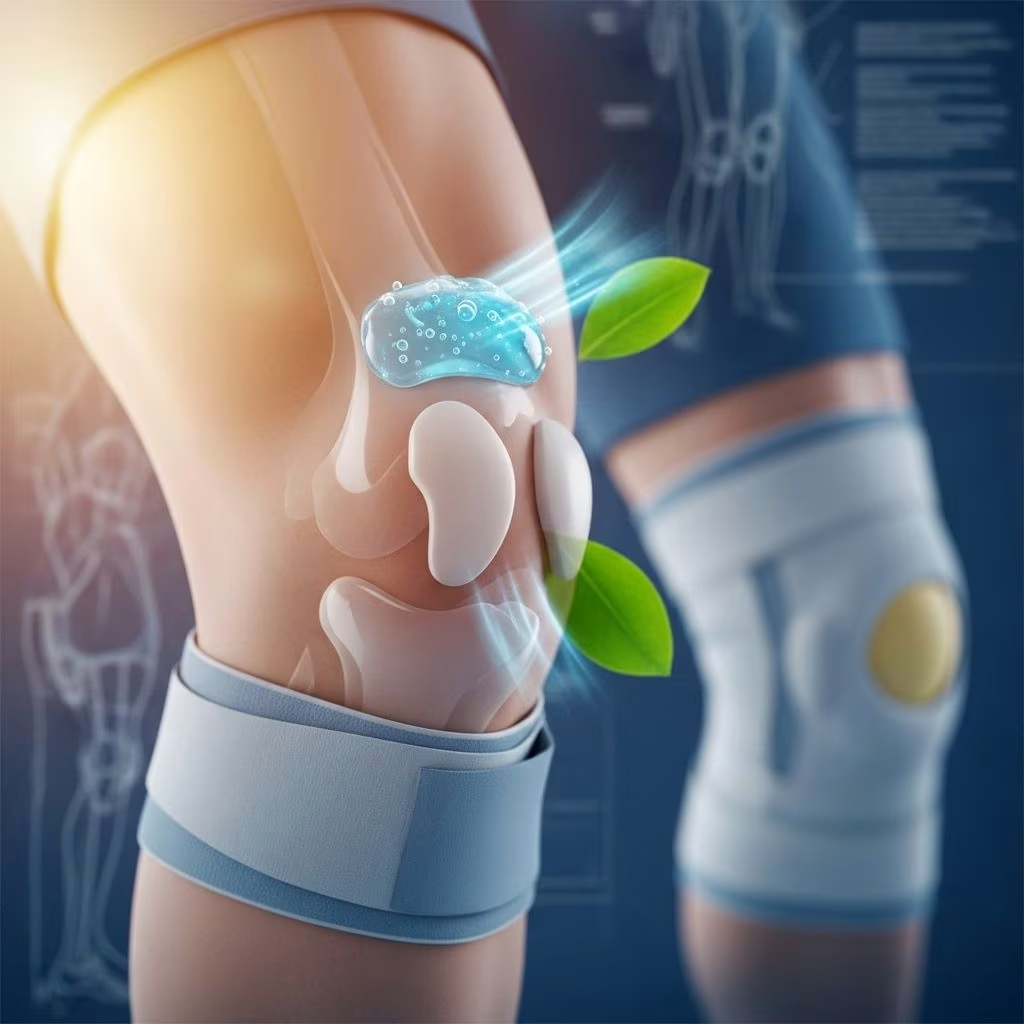
Knee Bursitis Remedies: Relief and Recovery
Knee bursitis is a painful condition resulting from inflammation of the bursae—small fluid-filled sacs cushioning the knee joint. This comprehensive guide provides evidence-based remedies, prevention strategies, and answers to frequently asked questions, helping you effectively manage knee bursitis and regain your mobility.
What is Knee Bursitis?
Knee bursitis occurs when one or more bursae in the knee joint become inflamed. The bursae act as cushions, reducing friction between bones, tendons, muscles, and skin. Inflammation of these sacs—most commonly above the kneecap (prepatellar bursitis) or on the inner side of the knee (pes anserine bursitis)—leads to pain, swelling, and restricted movement.
Main affected bursae include:
- Prepatellar bursa: Located in front of the kneecap.
- Pes anserine bursa: Located on the inner side, below the knee joint.
Knee bursitis may develop acutely due to an injury or gradually from repetitive stress and overuse.
Symptoms of Knee Bursitis
Symptoms of knee bursitis vary depending on which bursa is affected and the underlying cause. Typical signs include:
- Warmth, tenderness, and swelling around the knee.
- Pain with movement or even at rest.
- Restricted range of motion due to discomfort.
- Sometimes redness and skin color changes over the affected area.
- Fever, chills, or severe swelling if an infection is present.
Symptoms may appear rapidly following an injury or gradually from repetitive kneeling or overuse.
Causes and Risk Factors
Knee bursitis has several potential causes. Understanding what triggers inflammation helps guide effective remedies and prevention.
- Frequent kneeling: Carpet layers, gardeners, plumbers, and similar professions face high risk due to repeated knee pressure.
- Direct impact or trauma: Falls and blows to the knee can inflame the bursae.
- Overuse and strenuous activity: Athletes in wrestling, football, basketball, volleyball, or running are susceptible.
- Bacterial infection: Occurs if bacteria enter through a cut or injury.
- Underlying medical conditions: Osteoarthritis, rheumatoid arthritis, or gout increase the likelihood of bursitis.
- Obesity: Excess weight increases stress, especially causing pes anserine bursitis in obese women with osteoarthritis.
Effective Remedies for Knee Bursitis
Treatment for knee bursitis focuses on alleviating pain, reducing inflammation, and preventing recurrence. Most cases respond well to simple, non-surgical remedies.
Self-Care and Home Remedies
- Rest: Avoid activities that stress the knee, such as kneeling or high-impact exercise. Allow time for healing by limiting movement.
- Ice packs: Apply cold compresses for 15–20 minutes several times a day to reduce swelling and pain.
- Elevation: Elevate the affected leg to minimize fluid accumulation and promote circulation.
- Compression: Use a knee sleeve or wrap to help control swelling and provide gentle support.
- Over-the-counter medications: Nonsteroidal anti-inflammatory drugs (NSAIDs) such as ibuprofen, naproxen, or acetaminophen help manage pain and inflammation. Avoid exceeding recommended doses or prolonged use (no more than 10 days without medical advice).
Precautions During Home Care
- If symptoms are severe, persist beyond two weeks, or are accompanied by fever/chills, seek medical attention for potential infection.
- Avoid activities that might exacerbate friction or trauma to the knee until significantly healed.
Medical Treatments and Procedures
For cases unresponsive to home remedies or those complicated by infection or chronicity, medical treatment may be necessary.
Medications
- Antibiotics: Prescribed if bursitis results from bacterial infection.
Injections and Procedures
- Corticosteroid injection: Delivers steroids directly into the inflamed bursa, quickly reducing inflammation and pain. Used when conservative measures fail.
- Aspiration: A doctor may drain excess fluid from the bursa with a needle and syringe, easing pressure and inflammation. Post-procedure immobilization may be recommended.
Surgical Intervention
- Surgery: Rarely required. Reserved for cases with persistent infection or failure of all other treatments. Bursal removal allows eventual return to normal activities within a few weeks.
When to Seek Medical Care
- Significant swelling, inability to use the knee, fever, or chills.
- Symptoms that are not resolving with rest and self-care.
Physical Therapy and Rehabilitation
Physical therapy can play an important role in recovery, especially following prolonged symptoms or procedures.
- Strengthening exercises: Target the muscles around the knee to improve support, flexibility, and resilience against future strain. Quadriceps and hamstring stretches are especially important.
- Functional training: Gradual return to activity with guidance on safe movement patterns.
- Use of assistive devices: Knee braces and sleeves may help protect the joint and reduce swelling during recovery.
Physical therapists can tailor a program specific to your needs and lifestyle.
Lifestyle Changes and Prevention
Long-term relief and prevention of recurrence rely on integrating healthy habits into daily life:
- Wear kneepads: Use pads or cushioning if kneeling during work or sports to reduce direct pressure on bursae.
- Take regular breaks: During prolonged kneeling, stand up, stretch, and rest your legs periodically.
- Maintain a healthy weight: Reduces pressure and risk of knee bursitis, especially in individuals with osteoarthritis.
- Gradual return to activity: Avoid abrupt increases in workload or exercise intensity.
- Proper stretching and warm-up: Always stretch before activity to prepare knee muscles and tendons.
Frequently Asked Questions (FAQs)
How long does knee bursitis last?
With appropriate rest and self-care, most cases resolve within one to two weeks. Chronic or severe cases may require extended recovery and professional intervention.
Can knee bursitis heal without medication?
Yes, many mild cases improve with rest, ice, elevation, and compression. NSAIDs help manage symptoms but are not always necessary.
Is exercise recommended during recovery?
Rest is crucial during the acute phase. Gradually introducing gentle stretching and strengthening exercises—guided by a physical therapist—can aid recovery and prevent recurrence.
When is surgery needed for knee bursitis?
Surgery is rare and typically reserved for persistent infection or chronic bursitis not responsive to conservative and medical treatments.
What are signs that knee bursitis might be infected?
Redness, significant swelling, warmth, fever, chills, or rapid onset of symptoms suggest infection. Immediate medical attention is required in these cases.
Summary Table: Knee Bursitis Remedies
| Remedy/Intervention | Purpose | Best For | Notes |
|---|---|---|---|
| Rest | Reduces inflammation and prevents further injury | All cases, especially early or mild | Avoid kneeling, high-impact activities |
| Ice packs | Decreases swelling & pain | Sudden and chronic cases | Apply 15–20 min several times a day |
| Compression sleeve | Controls swelling, adds support | Major swelling or instability | Do not overtighten |
| NSAIDs | Relieves pain and inflammation | Mild to moderate pain | Follow dosage instructions |
| Physical therapy | Strengthens muscles, improves flexibility | Chronic, recurrent cases | Individually tailored |
| Corticosteroid injection | Reduces stubborn inflammation | Unresponsive cases | Medical procedure; short-term effect |
| Aspiration | Drains excess fluid | Significant swelling, not improving | May immobilize knee temporarily |
| Antibiotics | Treats infection | Confirmed bacterial cases | Prescription required |
| Surgery | Removes infected or chronic bursa | Persistent or severe infection | Last resort |
| Kneepads/equipment | Prevents direct trauma | High-risk activities | Especially important for at-risk professions |
| Healthy weight | Reduces joint stress | Prevention and management | Essential for overweight individuals |
Conclusion
Knee bursitis is most often a manageable condition with proper attention, rest, and care. Understanding the causes, practicing prevention, and utilizing effective remedies optimizes recovery and can reduce the risk of recurrence. Always seek professional advice for persistent symptoms, infection signs, or when standard remedies are insufficient. Balanced between self-care, medical intervention, and lifestyle change, relief from knee bursitis is achievable for people of all ages and activity levels.
References
- https://www.uofmhealthsparrow.org/departments-conditions/conditions/knee-bursitis
- https://www.floridapainmedicine.com/post/knee-bursitis-how-to-find-lasting-relief
- https://www.mayoclinic.org/diseases-conditions/knee-bursitis/diagnosis-treatment/drc-20355506
- https://www.webmd.com/pain-management/knee-pain/knee-bursitis-treatments
- https://www.mayoclinic.org/diseases-conditions/knee-bursitis/symptoms-causes/syc-20355501
- https://my.clevelandclinic.org/health/diseases/22189-prepatellar-bursitis
- https://www.nhs.uk/conditions/bursitis/
- https://arksurgicalhospital.com/address-painful-knee-bursitis-diagnosishow-to-address-a-painful-knee-bursitis-diagnosis/
- https://gustavelorthopedics.com/Bursitis
- https://www.njpaindoc.com/blog/what-you-need-to-know-about-knee-bursitis


