What Is the Cloud Skin Trend?
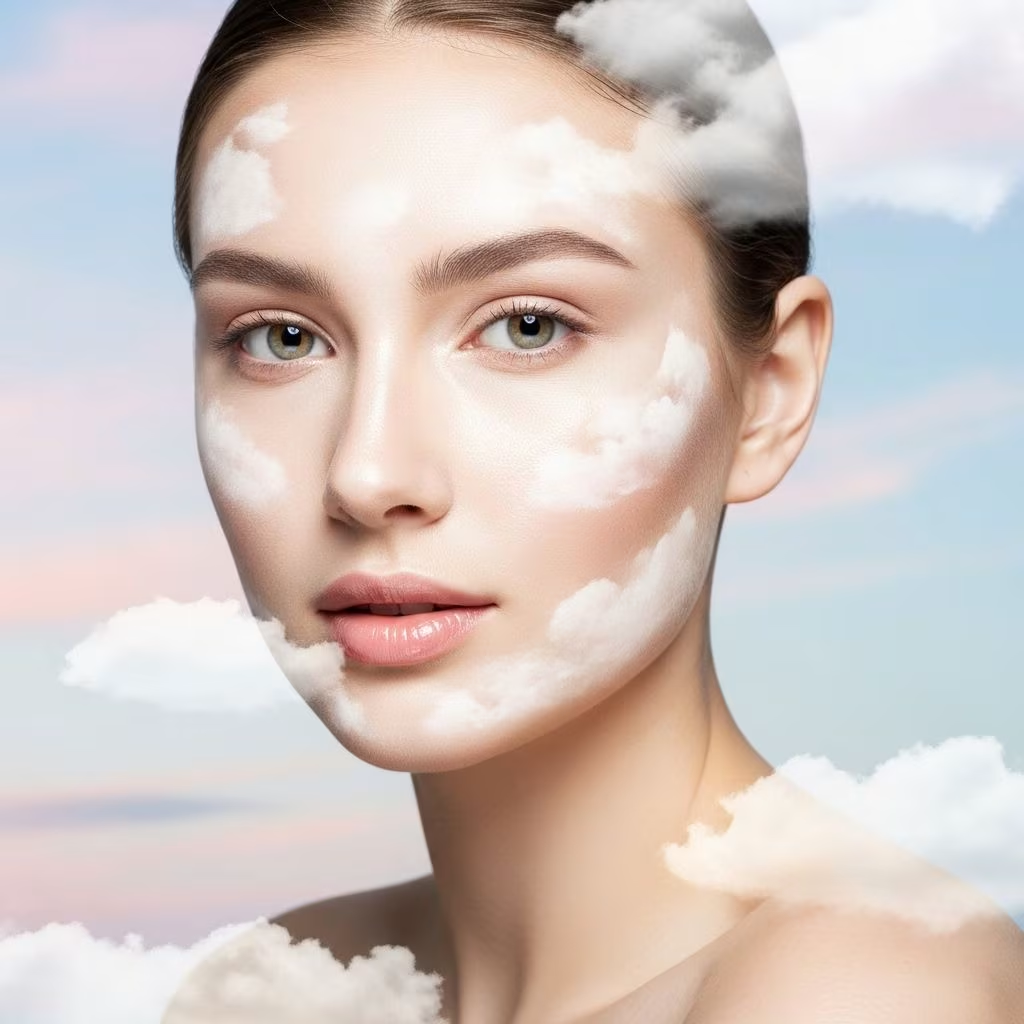
The cloud skin trend has taken social media by storm, offering a refreshing alternative to the ultra-dewy, glazed donut look that dominated beauty spaces in recent years. This innovative makeup technique creates a soft, matte, yet luminous complexion that resembles the ethereal quality of clouds themselves – lightweight, soft, and radiant without being overly shiny or wet-looking.
Coined by celebrity makeup artist Dominic Skinner, cloud skin represents a perfect fusion of the glass skin trend from Korean beauty with a more mature, sophisticated approach to complexion perfection. The technique captures what Skinner describes as “sun rays passing through clouds” – creating skin that appears both matte and radiant simultaneously through careful layering and blending techniques.
Unlike the heavy, full-coverage matte looks of the 2010s or the extremely dewy trends that followed, cloud skin offers a middle ground that’s both wearable and photogenic. This trend particularly appeals to those who want the benefits of a glowing complexion without the risks of looking overly oily or juvenile.
The Science Behind Cloud Skin
The cloud skin effect works by creating multiple layers of texture that interact with light in unique ways. The technique relies on the strategic use of skincare, primers, foundations, and setting powders to build a complexion that has depth and dimension while maintaining a soft, diffused appearance.
The “cloud” effect is achieved through a careful balance of matte and luminous products. Skincare creates an inner glow that shows through the more matte makeup layers, while strategic powder application creates the soft-focus, blurred effect that resembles a real-life beauty filter. This interplay between different textures and finishes is what gives cloud skin its signature ethereal quality.
Professional makeup artists have been using variations of this technique for years in editorial shoots and on red carpets because it photographs beautifully and provides long-lasting wear. The trend’s popularity on social media has simply given it a catchy name and made it accessible to everyday makeup enthusiasts.
Essential Products for Cloud Skin
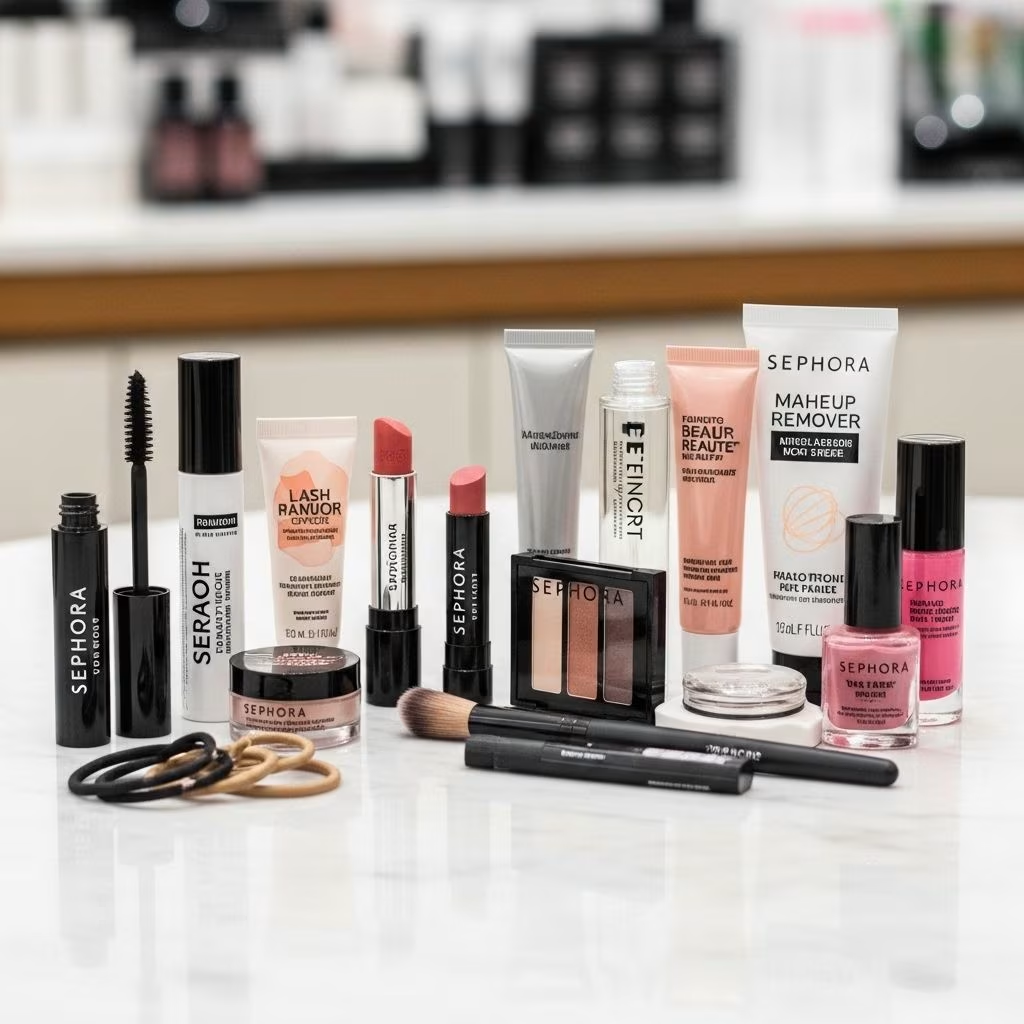
Creating the perfect cloud skin look requires a carefully curated selection of products that work together to build the desired effect. The key is choosing items that complement each other rather than compete for attention on your face.
Skincare Foundation
Your skincare routine forms the foundation of successful cloud skin. Focus on products that provide hydration without heaviness. Look for lightweight moisturizers, hydrating serums with hyaluronic acid, and gentle exfoliating treatments that smooth skin texture. Products containing acids can help achieve the perfect canvas by either boosting moisture for dry skin or controlling oil for combination and oily skin types.
Primer Selection
The right primer is crucial for cloud skin success. Choose a primer that offers a blurring effect and helps control oil production without being too mattifying. Silicone-based primers work well for creating that smooth, soft-focus effect, while some newer formulas combine mattifying properties with subtle luminosity.
Foundation and Base Makeup
For cloud skin, you’ll want to experiment with mixing products to achieve the perfect balance. Many makeup artists recommend combining a matte foundation with a small amount of luminous serum or mixing medium-coverage foundation with a mattifying primer. The goal is to create a base that has coverage but doesn’t look heavy or cakey.
Setting Products
Loose powder is the hero product in cloud skin application. A light dusting of finely-milled setting powder creates the characteristic soft-focus effect. Choose powders that blur rather than mattify completely, and apply with a fluffy brush for the most natural finish.
Step-by-Step Cloud Skin Tutorial
Achieving perfect cloud skin requires patience and practice, but the results are worth the effort. Follow this comprehensive guide to master the technique.
Step 1: Skin Preparation
Begin with freshly cleansed skin and apply your regular skincare routine, focusing on hydration. Use a lightweight moisturizer that absorbs well – you want your skin to feel plump and smooth but not greasy. If you’re using any active ingredients like retinol or acids, make sure to apply them according to your usual routine and allow proper absorption time.
Step 2: Primer Application
Apply primer focusing on areas where you typically experience oiliness or larger pores. Use patting motions rather than rubbing to avoid disturbing your skincare underneath. Pay special attention to the T-zone and any areas where makeup tends to break down throughout the day.
Step 3: Foundation Mixing and Application
If you’re mixing products, do so on the back of your hand or a makeup palette. Start with small amounts – you can always add more. Apply the foundation mixture using your preferred method, whether that’s a damp beauty sponge, foundation brush, or clean fingers. Build coverage gradually, focusing on evening out skin tone rather than completely covering every imperfection.
Step 4: Strategic Concealing
Use concealer sparingly and only where needed. The cloud skin look embraces natural skin texture, so avoid over-concealing. Focus on under-eyes, any redness, and blemishes, but blend everything seamlessly into your base.
Step 5: The Powder Technique
This is where the magic happens. Using a large, fluffy brush, lightly dust setting powder over your entire face. The key is to use a very light hand – you want just enough powder to set the makeup and create that soft-focus effect without looking powdery or flat. Some makeup artists recommend pressing the powder into the skin first, then buffing away any excess.
Step 6: Final Touches
Complete the look with complementary makeup that maintains the soft, diffused aesthetic. Choose matte or satin-finish blushes, avoid overly shimmery eyeshadows, and opt for lip colors that enhance rather than compete with your perfected complexion.
Common Mistakes and How to Avoid Them
Even with the best intentions and products, there are several pitfalls that can prevent you from achieving the perfect cloud skin look. Understanding these common mistakes will help you troubleshoot your technique and get better results.
Over-Powdering
The most common mistake is using too much powder, which can make your skin look flat and lifeless rather than soft and luminous. Remember that cloud skin should have dimension and subtle radiance. If you’ve applied too much powder, gently blend it away with a clean, damp beauty sponge.
Skipping Skincare
Attempting cloud skin on unprepared skin will result in a patchy, dry-looking finish. The inner glow that makes this trend so appealing comes from well-hydrated, healthy skin showing through the makeup. Never skip your skincare routine when attempting this look.
Using the Wrong Products
Not all matte foundations work for cloud skin, and not all powders will give you the desired soft-focus effect. Experiment with different combinations to find what works best for your skin type and desired level of coverage.
Adapting Cloud Skin for Different Skin Types
One of the beautiful aspects of the cloud skin trend is its adaptability. With the right modifications, anyone can achieve this look regardless of their skin type or concerns.
Dry Skin
Those with dry skin should focus heavily on hydration in their preparation phase. Use a more emollient moisturizer and consider adding a hydrating primer. When mixing your foundation, lean toward more luminous products and use powder very sparingly, focusing mainly on areas that tend to get oily throughout the day.
Oily Skin
Oily skin types can embrace cloud skin by focusing on oil control without sacrificing the characteristic soft glow. Use a mattifying primer and perhaps a slightly more matte foundation base, but still incorporate some luminosity through strategic highlighting or mixing in small amounts of glowing products.
Combination Skin
Combination skin offers the perfect canvas for cloud skin since you can customize the technique for different areas of your face. Use more mattifying products in your T-zone while keeping the rest of your face more luminous and soft.
Mature Skin
Cloud skin is particularly flattering for mature skin because it provides coverage while maintaining a youthful, soft appearance. Focus on skin preparation with anti-aging ingredients, use a primer that fills in fine lines, and apply powder with an extremely light hand to avoid settling into creases.
Seasonal Considerations
The cloud skin trend works year-round, but you may want to adjust your approach based on seasonal factors and environmental conditions.
Summer Cloud Skin
In warmer months, focus on longevity and sweat-resistance. Use a primer with SPF, choose long-wearing foundations, and consider using a setting spray over your powder to lock everything in place. You might also want to use slightly less product overall to account for increased humidity and oil production.
Winter Cloud Skin
Cold weather can be particularly challenging for achieving cloud skin because dry air and indoor heating can make skin appear dull and flaky. Increase your skincare hydration, consider using a more emollient primer, and be prepared to touch up throughout the day as needed.
Professional Tips and Tricks
Learning from professional makeup artists can help you elevate your cloud skin technique and achieve more consistent results.
Brush Selection
The tools you use can make a significant difference in your results. Invest in a high-quality, fluffy powder brush for setting, and consider using different brushes for different areas of your face. Synthetic brushes often work better with cream products, while natural bristles excel with powders.
Application Techniques
Professional makeup artists often use pressing and rolling motions rather than sweeping when applying powder for cloud skin. This technique helps build the product more evenly and creates better blending.
Product Temperature
Some makeup artists warm their products slightly before application to improve blending and create smoother finishes. You can do this by placing products near a warm light or rubbing them between your palms briefly before use.
Frequently Asked Questions
Q: How long does cloud skin makeup typically last?
A: When properly applied with good preparation and setting techniques, cloud skin can last 6-8 hours. Using a setting spray and carrying powder for touch-ups can extend wear time significantly.
Q: Can I achieve cloud skin with drugstore products?
A: Absolutely! While high-end products may offer more sophisticated formulations, many drugstore brands offer excellent foundations, primers, and powders that can create beautiful cloud skin effects when used correctly.
Q: Is cloud skin suitable for special events and photography?
A: Yes, cloud skin photographs beautifully and is often preferred by professional makeup artists for events and shoots because of its natural, polished appearance and photogenic qualities.
Q: How is cloud skin different from no-makeup makeup?
A: While both trends focus on natural-looking skin, cloud skin uses more products and techniques to create a specific texture and finish, while no-makeup makeup typically uses minimal products for a more natural, unpolished look.
Q: Can I wear cloud skin makeup every day?
A: Cloud skin is perfect for everyday wear as it provides good coverage while looking natural and polished. The technique can be scaled up or down depending on your needs and the occasion.
References
- https://thewed.com/magazine/makeup-comeback-2024-matte-skin
- https://exclusivebeautyclub.com/blogs/exclusive-beauty-blog/unveiling-what-s-all-this-hype-about
- https://poosh.com/how-to-cloud-skin/
- https://www.newbeauty.com/cloud-skin/
- https://www.youtube.com/watch?v=EG-w6fmznIs
- https://www.leablack.com/blogs/news/how-to-achieve-the-cloud-skin-look-a-look-behind-the-trend