


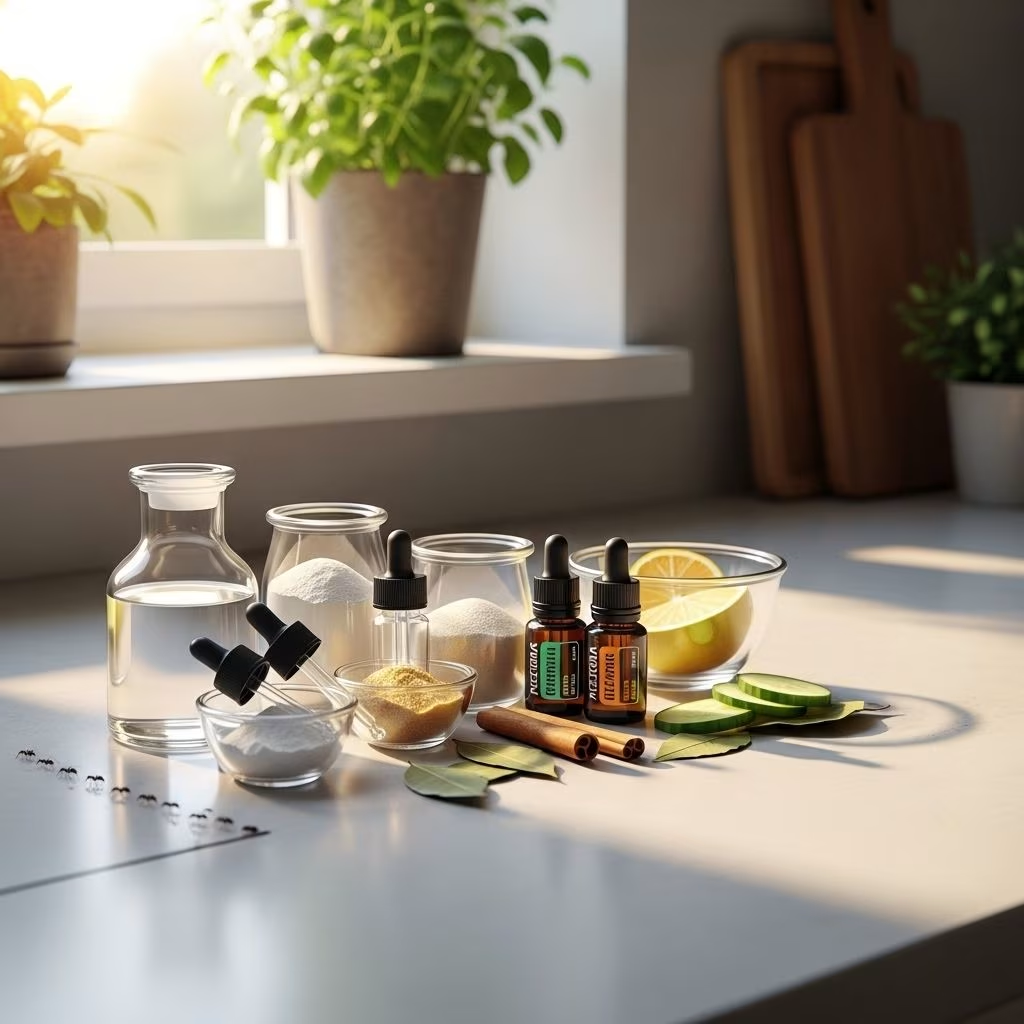
Home Remedies for Killing Ants: A Comprehensive Guide
Ants are persistent household pests found across the globe. While commercial pesticides and exterminators promise fast results, many homeowners prefer safe, effective, and natural remedies to manage ants, protecting both their families and the environment from unnecessary chemicals. This guide presents the most researched and widely recommended home remedies for killing ants and minimizing infestations, highlighting DIY approaches, natural repellents, targeted baits, prevention strategies, and expert answers to frequently asked questions.
Introduction to Ant Infestation
Whether you are dealing with sugar ants in the kitchen, fire ants in the yard, or carpenter ants in structural wood, household ant infestations can be more than a simple nuisance. Ants contaminate food, damage property, and even bite or sting. Eliminating ants without toxic chemicals has become increasingly important for health, environmental safety, and cost-effectiveness.
Understanding Ant Behavior and Why Home Remedies Work
Before attempting remedies, it’s valuable to understand how ants operate:
- Pheromone Trails: Ants communicate and navigate using pheromone scents, marking paths to food sources. Disrupting these trails is critical in deterring and eliminating colonies.
- Colony Structure: Targeting worker ants alone is rarely effective; successful control requires addressing the queen and disrupting the entire nest.
- Common Entry Points: Ants enter homes through cracks, gaps around windows, doors, and plumbing. Blocking these entry routes is fundamental for pest management.
Home remedies often either kill ants, repel them, or disrupt their scents to prevent reinfestation.
Natural Repellents for Household Ants
Many easy-to-find ingredients work as natural ant repellents because their odors overpower or disrupt ant pheromones, causing colonies to relocate.
1. White Vinegar
Mix equal parts white vinegar and water in a spray bottle. Spray on countertops, floors, entryways, and directly on ant trails. The strong scent erases pheromone trails and repels ants from treated areas. Repeat daily for best results.
2. Essential Oils
- Peppermint Oil: Add 10–20 drops to a cup of water and spray near windows, doors, and baseboards. Peppermint overwhelms ant scent detection and acts as a barrier.
- Tea Tree Oil: Mix 5–10 drops with 2 cups of water, use a spray bottle or soak cotton balls and place them strategically. Can also be blended with peppermint for stronger repellent effect.
- Lemon Eucalyptus Oil: Saturate cotton balls with undiluted oil; place where ants are active. Contains citronella, a proven insect repellent. Replace weekly.
- Oil of Lemon Eucalyptus (OLE): Contains PMD, recognized by the EPA as an effective and safe biopesticide. Available at gardening stores for ant repellent use.
Note: Always keep essential oils away from pets and children due to possible toxicity.
3. Lemon Juice
Lemon juice erases ant scent trails and adds a fresh scent to kitchens. Spray undiluted juice around entry points or use diluted solution for floors and surfaces.
4. Ground Black or Red Pepper
Sprinkle ground black or cayenne pepper around baseboards, behind appliances, and ant entry points. The strong aroma creates a non-toxic repellent barrier.
5. Coffee Grounds
Spread used coffee grounds around the perimeter of your home or near cracks and entrances. Coffee acts as a scent-based deterrent and natural pesticide against certain ant species.
6. Bay Leaves
Place bay leaves in food cupboards, airtight containers, and sprinkle crushed leaves in problem areas. Effective for deterring ants and some other household pests.
DIY Ant Killers and Traps
While repellents discourage ants, certain homemade traps kill ants and destroy colonies when placed strategically. These recipes are simple and rely on the ants taking poisoned bait back to the nest.
1. Boric Acid and Sugar Bait
- Mix 1/2 teaspoon boric acid with 8 teaspoons sugar and enough water to form a syrup.
- Soak cotton balls in the mixture and place near ant trails and entry points.
- Boric acid is slow-acting, allowing workers to carry the mixture to the queen and other ants, effectively killing the colony over time.
Safety Note: Keep boric acid bait away from pets and small children.
2. Baking Soda and Sugar Trap
- Mix equal parts baking soda and sugar; sprinkle in problem areas.
- Baking soda reacts with ant digestive systems and kills them after ingestion.
- Effective for sugar ants, fire ants, and some carpenter ants.
3. Diatomaceous Earth (Food-Grade)
- Sprinkle dry food-grade diatomaceous earth (DE) along ant trails, around baseboards, and outside entry points.
- DE is a fine powder that dehydrates ants upon contact, causing death within hours.
- Non-toxic to humans and pets when kept dry.
4. Boiling Water for Outdoor Anthills
- Pour boiling water directly into visible ant holes and mounds outside your home.
- Kills many ants immediately but may not reach the entire colony in deep nests.
- Repeat for multiple mounds to reduce population.
5. Glass Cleaner and Liquid Detergent
- Mix glass cleaner (or soapy water) with liquid dish soap in a spray bottle.
- Spray on ant-infested surfaces and wipe after several minutes.
- Kills visible ants and removes their pheromone trails, preventing others from following.
Physical Barriers and Sealing Entry Points
Ant-proofing your home disrupts their access and drastically reduces reinfestation risk.
- Seal Cracks with Caulk: Inspect and seal gaps around windows, doors, baseboards, and pipes where ants might enter.
- Weather Stripping: Ensure doors and windows are properly fitted and sealed.
- Repair Leaks: Moisture attracts ants; immediately fix leaky plumbing or roofing.
Cleaning Habits and Prevention Tactics
Routine cleaning and food management are pivotal in ant prevention:
- Wipe Down Surfaces Daily: Use vinegar or soapy water to clean counters, tables, and floors. Remove food crumbs and spills immediately.
- Store Food Properly: Keep all food in sealed airtight containers, especially sugary items and baked goods.
- Dispose of Trash Regularly: Take out the trash daily and clean bins frequently.
- Clear Pet Food: Remove leftover pet food promptly and clean feeding areas.
- Vacuum Floors: Vacuum floors, rugs, and upholstery to remove crumbs and dead ants.
Safety Considerations with Home Remedies
While most natural remedies are safe, some ingredients require caution:
- Boric Acid: Toxic if ingested in large quantities by children or pets. Keep ant traps well out of reach.
- Essential Oils: Many oils (especially tea tree, peppermint, eucalyptus) can be harmful to cats, dogs, or small children. Use with care.
- Diatomaceous Earth: Only use food-grade DE indoors for safety. Avoid inhalation of the powder.
- Hot Water: Pouring boiling water is only recommended outdoors.
Frequently Asked Questions (FAQs)
Q: Why do ants keep coming back even after I clean?
A: Ants are highly adaptive and may rebuild pheromone trails hours after cleaning. Consistent repellent use, sealing entry points, and eliminating food sources over several days is necessary for lasting results.
Q: Is it safe to use boric acid baits in homes with children or pets?
A: Boric acid is toxic if ingested; keep baits far from reach. Favor alternatives like essential oils or diatomaceous earth in homes with pets and kids.
Q: How does diatomaceous earth work for killing ants?
A: Diatomaceous earth is a non-chemical powder that dehydrates ants, killing them in hours. It must remain dry to stay effective. Use only food-grade DE inside the home.
Q: Can natural remedies eliminate entire ant colonies?
A: Some baits (boric acid, baking soda) can kill colonies if worker ants carry bait to the queen. Most natural repellents only drive ants away rather than kill colonies.
Q: What’s the best approach for persistent ant infestations?
A: Combine multiple remedies: use natural repellents for immediate control, trap baits for colony elimination, seal entry points, and maintain strict cleaning habits.
Q: Are there natural outdoor methods to eradicate carpenter or fire ants?
A: Pouring boiling water into outdoor anthills and sprinkling diatomaceous earth around nests can reduce populations, but deep nests may require professional attention.
When to Call Professional Pest Control
If home remedies fail or the infestation involves dangerous species (e.g., fire ants, carpenter ants damaging structures), or the nest cannot be located, consult a licensed pest control expert. Persistent ant problems may indicate structural or sanitation issues that require professional assessment.
Conclusion
Natural remedies offer safe, effective, and affordable options for controlling and killing household ants. By understanding ant behavior, implementing repellent barriers, setting strategic baits, and maintaining a clean environment, you can eliminate most infestations without resorting to synthetic chemicals. For severe or persistent problems, professional pest control services ensure thorough eradication and peace of mind.
References
- https://www.nativepestmanagement.com/blog/2025/february/10-solutions-to-get-rid-of-sugar-ants-naturally/
- https://www.healthline.com/health/how-to-kill-ants
- https://www.pestex.ca/4-effective-home-remedies-prevent-ant-invasion/
- https://www.youtube.com/watch?v=vbjyuVDKvvA
- https://www.youtube.com/watch?v=XTXRHQjrWBI
- https://ant-pests.extension.org/are-there-any-home-remedies-that-will-kill-fire-ants/


