


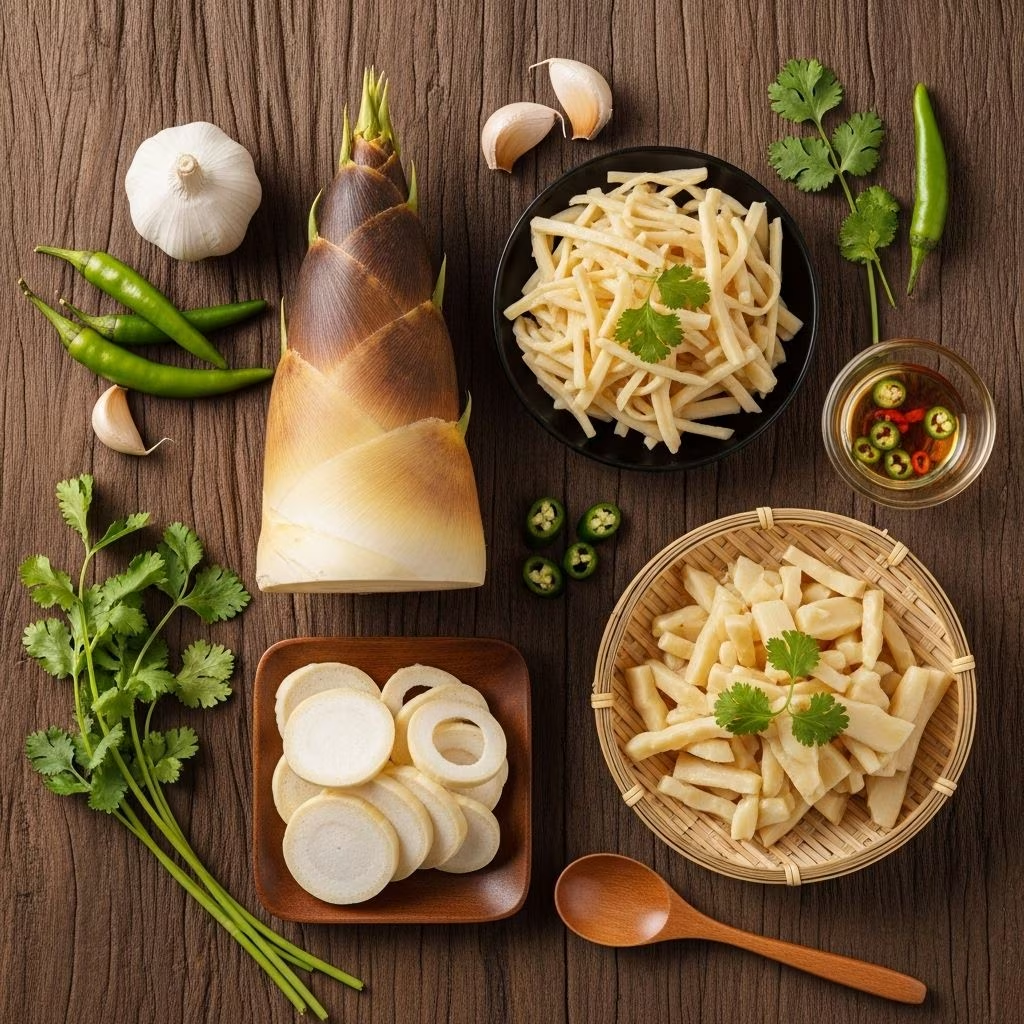
Bamboo shoots are the young, tender sprouts that emerge from the ground of the bamboo plant, widely prized in Asian cuisine for their nutritional value, subtle taste, and crisp texture. As both a traditional delicacy and modern superfood, bamboo shoots have gained global recognition not only for their unique flavor but also for their incredible health benefits.
Introduction to Bamboo Shoots
Bamboo belongs to the grass family (Poaceae) and is renowned for its rapid growth and versatility. The term “bamboo shoot” refers to the edible, tender young shoots that sprout from the base of the bamboo culms. These shoots are harvested before they become too fibrous, typically when they are between 20–30 centimeters in length, tapering to a point, and still encased in overlapping tough sheaths.
Bamboo shoots have been a part of traditional diets in many countries, especially throughout Asia, including China, Japan, Thailand, Korea, and the northeastern states of India. Their prominence in diets is attributed to their nutritional richness, healthcare benefits, and culinary flexibility.
Physical Characteristics
- Shape: Triangular and stubby, broad at the base, narrowing to a pointed tip.
- Size: Typically 2–18 cm in diameter, though mature shoots may exceed 1 kg in weight.
- Color: Sheaths can be black, brown, yellow, or purple, with the edible inner core ranging from ivory to white.
- Texture: Raw bamboo shoots are woody, firm, moist, and somewhat chewy. When cooked, they become tender yet retain a distinct crunch.
- Aroma: Fresh shoots have a faint earthy aroma and can give off astringent notes when raw.
The exteriors of bamboo shoots can darken if exposed to the sun, resulting in a stronger, slightly acrid flavor. Ideally, shoots should be harvested while still tender and covered in layers to preserve mildness and desirable texture.
Nutritional Profile
Bamboo shoots are often considered a nutritional powerhouse:
- Low in Calories and Fat: They are an excellent option for weight management and low-energy diets.
- Rich in Dietary Fiber: Promotes healthy digestion and helps maintain a sense of fullness.
- Carbohydrates: Mainly in the form of complex carbohydrates and starch, providing a slow and steady energy source.
- Vitamins: Good source of B vitamins, Vitamin C, and Vitamin E, which are vital for metabolism, immunity, and antioxidant protection.
- Minerals: High in potassium, with significant amounts of calcium, magnesium, phosphorus, and iron.
- Proteins and Amino Acids: Contains essential amino acids needed for tissue repair.
- Essential Fatty Acids: Despite being low in overall fat, bamboo shoots contain healthy unsaturated fatty acids.
- Antioxidants: Possess various antioxidant compounds that help combat free radical damage.
| Nutrient | Amount | Role |
|---|---|---|
| Energy | ~27 kcal | Low-calorie food |
| Protein | 2.6 g | Builds and repairs tissue |
| Fat | 0.3 g | Very low fat |
| Carbohydrate | 5.2 g | Energy source |
| Dietary Fiber | 2.2 g | Supports digestive health |
| Potassium | 533 mg | Electrolyte balance, heart health |
| Vitamin B6 | 0.24 mg | Metabolic function |
| Vitamin E | 0.6 mg | Antioxidant protection |
| Iron | 0.5 mg | Prevents anemia |
Health Benefits of Bamboo Shoots
Bamboo shoots are celebrated not only for their delicious taste and texture, but also for the array of health-promoting properties they offer:
- Weight Management: With their high fiber and low calorie content, bamboo shoots are ideal for those trying to manage or reduce weight.
- Digestive Health: The abundant dietary fiber helps regular bowel movements and supports a healthy gut flora.
- Antioxidant Activity: Bamboo shoots contain essential antioxidant compounds that combat free radicals, reducing the risk of chronic diseases.
- Heart Health: High potassium and low sodium make bamboo shoots beneficial for regulating blood pressure and supporting heart function.
- Anti-inflammatory Effects: Natural anti-inflammatory agents may help reduce inflammation.
- Antimicrobial, Antiviral, and Anticancer Properties: Certain phytochemicals in bamboo shoots are being studied for their potential to resist cancers, bacteria, fungi, and viruses.
- Cholesterol Reduction: Regular consumption may help reduce total serum cholesterol levels.
- Rich Source of Essential Minerals: Important for bone health, nerve function, and general well-being.
Culinary Uses of Bamboo Shoots
Bamboo shoots have been a vital ingredient in Asian and other regional cuisines for centuries. Their versatility allows them to be used in multiple forms and preparations:
- Soups and Stews: Adds texture and a comforting mildness to broths, curries, and clear soups.
- Stir-fries: Commonly paired with soy sauce, ginger, vegetables, and meats for a crunchy element.
- Pickle and Fermented Products: Known as tama in northeast India and suan-sun in China, fermented bamboo shoots offer a tangy flavor and probiotic benefits.
- Salads: Blanched or boiled shoots are added for a refreshing, fibrous crunch.
- Canned/Processed Foods: Widely available in sliced, diced, shredded, or whole forms.
- Bamboo Shoot Biscuits & Snacks: Specialty snacks and health foods based on processed bamboo shoots.
- Traditional Delicacies: Used in dumplings, spring rolls, curries, and hot pot dishes across East and Southeast Asia.
Bamboo shoots can be integrated into both vegetarian and non-vegetarian dishes, lending themselves to an array of international fusion recipes. They should always be cooked or processed to remove bitterness and improve digestibility.
Taste and Sensory Qualities
The appeal of bamboo shoots in cooking is largely due to their unique flavor and texture profile:
- Mild, Sweet, and Nutty: When properly processed (boiled or cooked), bamboo shoots have a gentle sweetness and nutty note, somewhat similar to baby corn.
- Crunchy Texture: Even after cooking, they retain a pleasant crunch unlike most other vegetables.
- Bitterness and Astringency (Raw): Raw shoots may taste bitter or harsh due to natural compounds (especially cyanogenic glycosides) and are not palatable without proper preparation.
- Absorbs Flavors: Bamboo shoots readily absorb seasonings and sauces, making them perfect for soaking up the taste of accompanying ingredients.
To achieve the desired flavor, bamboo shoots are typically boiled, fermented, or pickled, which removes any undesirable bitterness while preserving their characteristic crunch.
Varieties and Harvesting Seasons
- Species: Over 1,200 species of bamboo exist, but only select varieties are edible and preferred for culinary use.
- Harvest Periods: Generally, two harvesting seasons occur—spring (with larger, tougher, more superior shoots) and winter (with more delicate, smaller shoots).
- Growth Factors: Size and taste depend on the species, soil nutrition, irrigation, climate, and location.
Common edible species include Bambusa vulgaris, Dendrocalamus asper, Phyllostachys edulis, and Bambusa balcooa, each with its own unique properties.
Processing and Preparation
Correct handling and preparation of bamboo shoots are crucial for safe and enjoyable consumption:
- Peeling: Remove all hard, fibrous outer sheaths to reveal the tender edible core.
- Soaking/Boiling: Soak in water (12–15 hours) or boil for at least 30 minutes, changing the water every 10 minutes. This leaches out bitterness and removes harmful cyanogenic glycosides.
- Canning/Processing: Shoots can be sliced, diced, shredded, or packed whole. They are also preserved through fermentation or pickling for year-round use.
- Quality Indicators: Properly processed bamboo shoots are uniform in color, free from discoloration, firm yet not hard or soft, and possess the characteristic mild flavor.
Bamboo shoots are highly perishable, so they are often canned or fermented soon after harvest in regions where fresh supply is abundant.
Safety and Potential Risks
- Cyanogenic Glycosides: Raw bamboo shoots contain taxiphyllin, which can produce toxic cyanide if consumed without processing. Hence, bamboo shoots should never be eaten raw.
- Digestive Upset: Improperly prepared shoots may cause digestive discomfort.
- Quality Control: It is essential to avoid products with discoloration, off-odors, or signs of spoilage.
- Storage: Due to perishability, bambu shoots should be kept refrigerated and consumed promptly or preserved through fermentation/pickling.
Proper boiling and changing the water neutralizes the toxic compounds, making bamboo shoots safe for consumption. Commercially available canned or processed bamboo shoots have undergone these safety treatments.
Bamboo Shoots Around the World
Bamboo shoots feature in a variety of regional cuisines and cultural traditions:
- China and Southeast Asia: Essential in stir-fries, soups, spring rolls, and pickled products.
- Japan: “Takenoko” is highly regarded in traditional dishes and seasonal celebrations.
- Korea: Used in kimchi, stews, and salads.
- India (especially Northeast): Employed in curries, pickles, and unique preparations using fermented bamboo shoots (e.g., “khorisa”).
- Global Markets: Canned bamboo shoots have become commonplace in supermarkets worldwide, allowing broader culinary exploration.
Frequently Asked Questions (FAQs)
Q: Are bamboo shoots safe to eat raw?
No, raw bamboo shoots are not safe to eat as they contain cyanogenic compounds that can produce cyanide. Proper boiling or soaking is necessary to render them safe for consumption.
Q: How do you remove the bitterness from bamboo shoots?
Bitterness is removed by peeling the shoots thoroughly and boiling them in water, changing the water several times. This extracts harmful and bitter substances, leaving behind the tender, edible core.
Q: What are the main health benefits of bamboo shoots?
Bamboo shoots are low in calories, high in fiber, promote digestive and heart health, have antioxidant and anti-inflammatory properties, and may help reduce cholesterol.
Q: How do bamboo shoots taste?
When prepared correctly, bamboo shoots have a mild and sweet flavor with a subtle nuttiness, and a crunchy texture reminiscent of baby corn.
Q: What are the most common bamboo shoot dishes?
Bamboo shoots are commonly found in stir-fries, soups, stews, curries, salads, and are also pickled or fermented in various Asian cuisines.
Q: Can people with allergies or dietary restrictions consume bamboo shoots?
Bamboo shoots are suitable for most people, as they are gluten-free, naturally vegan/vegetarian, and low in allergens. However, those with plant food sensitivities should introduce them cautiously.
Conclusion
Bamboo shoots are a remarkable and versatile food, offering a blend of nutritional, culinary, and health benefits. Their unique blend of crunch, subtle flavor, and digestive wellness effects make them a favorite ingredient in various traditional and modern dishes. With safe preparation, bamboo shoots can be enjoyed as part of a healthy, balanced diet, and continue to thrive as a symbol of sustainable, nutritious eating worldwide.
References
- https://pmc.ncbi.nlm.nih.gov/articles/PMC3550903/
- https://specialtyproduce.com/produce/Fresh_Bamboo_Shoots_371.php
- https://www.reelpaper.com/blogs/reel-talk/what-are-bamboo-shoots
- https://niftem.ac.in/newsite/pmfme/wp-content/uploads/2022/08/bambooshootswriteup.pdf
- https://en.wikipedia.org/wiki/Bamboo_shoot
- https://www.merriam-webster.com/dictionary/bamboo%20shoots
- https://www.healthline.com/nutrition/are-bamboo-shoots-good-for-you
- https://en.thefreedictionary.com/bamboo+shoot
- https://www.uren.com/news/5-health-benefits-of-bamboo-shoots/


