


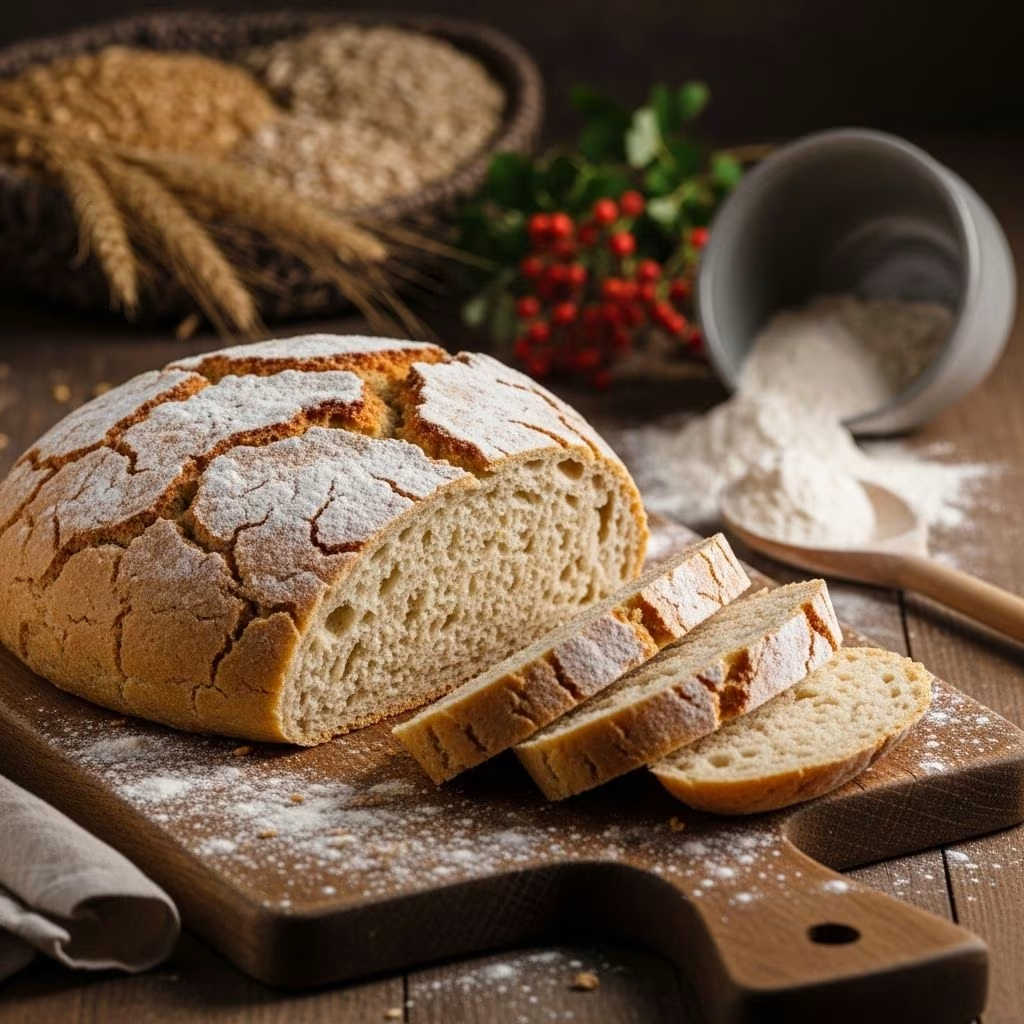
Bannock is a flatbread with a unique story: it bridges Indigenous foodways and European tradition, and remains beloved for its simplicity, adaptability, and symbolic role in North American culture. This article explores what bannock is, its origins, nutrition and health benefits, various uses (from sustenance in the wild to ceremonial feasts), and what makes its taste both comforting and distinctive.
What Is Bannock?
Bannock is a simple flatbread, often round and thick, that can be baked, fried, or cooked over a fire. Traditionally, it is made with basic shelf-stable ingredients such as flour, water, salt, and fat. Throughout history, bannock has served as both a staple and a comfort food for Indigenous peoples, European settlers, and adventurers traversing North America’s vast landscapes.
Origins and History of Bannock
Indigenous Roots
Before European contact, Indigenous communities made bread-like foods from locally sourced ingredients: maize, camas bulbs, acorns, and other natural starches. The word and concept of modern bannock, however, experienced a profound shift after contact with European fur traders and settlers, who brought wheat flour and baking techniques with them.
European Influence
The term bannock is rooted in the Latin word panicum (an edible millet-like grain), and the food itself is strongly associated with Scotland, where oat-based bannocks were common. Special types of bannocks were once baked to mark festivals and holidays, such as Beltane and Lammas.
Blending Cultures
European settlers shared wheat flour and frying methods with Indigenous peoples, leading to a hybrid bread that became a cultural mainstay. Bannock thus became a symbol of both colonial imposition and Indigenous adaptability, especially as government-issued rations (flour, sugar, lard) supplanted traditional food sources.
Bannock’s Cultural Significance
- Ceremonial Role: Bannock is served at powwows, feasts, and community gatherings, reinforcing social ties and traditions.
- Resilience and Survival: Its evolution marks both the hardships of colonialism and the resilience of Indigenous communities—an example of adapting imposed foods into new identities.
- Soul Food: For many, bannock invokes nostalgia, connection to ancestors, and the warmth of home.
- Controversy: Some view bannock as a painful symbol of lost traditional foods and colonial impact, while others see it as a proud Indigenous food tradition.
Ingredients and Preparation Methods
Basic Ingredients
- Flour: Traditionally wheat, oats, barley, maize, or natural starches (acorns, camas bulbs, corn)
- Leavening: Sometimes baking powder (for fluffier texture), but can be made unleavened
- Fat: Lard, butter, or vegetable oil
- Liquid: Water or milk
- Extras: Salt, sugar, dried fruits, spices, nuts (optional)
Preparation Methods
- Frying: In a pan with hot fat, producing a crispy outer layer
- Baking: In an oven or on hot stones near a fire
- Fire-roasting: Wrapped and cooked on sticks over open flame—a classic for campers and adventurers
Bannock’s simple technique makes it accessible and adaptable for both kitchen and wilderness cooking.
Health & Nutritional Benefits of Bannock
Bannock’s nutrition varies based on the recipe, flour type, and fat used. Here’s what to consider:
Potential Benefits
- Energy-Dense: Bannock is high in calories and carbohydrates, which made it an ideal fuel for travelers and people engaged in laborious activities.
- Filling and Satisfying: The combination of carbohydrate, fat, and sometimes protein offers satiety, making bannock a sustaining food during long journeys.
- Shelf-Stable: Its ingredients store well, making bannock a practical emergency or trail food.
- Customizable for Nutrition: Modern adaptations allow the use of whole grains, seeds, and nuts for extra fiber and micronutrients.
Considerations
- Traditional bannock made with white flour and lard is high in simple carbs and saturated fat, often lacking fiber and vitamins.
- It’s best enjoyed as part of a balanced diet or made healthier by incorporating whole-wheat flours or seeds.
Uses of Bannock: Culinary Versatility
- Trail and Survival Food: Ideal for camping and expeditions due to easy preparation and portability.
- Main Meal or Side: Served with soups, stews, chili, or grilled game.
- Snacking and Breakfast: With honey, jam, or as a base for sandwiches.
- Dessert Bannock: Sweetened with sugar, cinnamon, and raisins—enjoyed as a treat at gatherings.
- Community Gatherings: Central at powwows, feasts, Treaty Day, and Indigenous cultural ceremonies.
Bannock’s flexibility is key to its enduring popularity: it can be savory or sweet, plain or loaded with add-ins, and works well in modern, home, or backcountry kitchens alike.
Taste and Texture of Bannock
The taste and texture of bannock reflect its ingredients and cooking method:
- Flavor: Mild, slightly nutty with a subtle sweetness; the taste intensifies with added butter, salt, or fruits.
- Texture: Depending on preparation, bannock can be soft and fluffy (baked or fried with baking powder) or dense and chewy (unleavened or fire-roasted).
- Crispy Exterior, Tender Interior: When pan-fried, bannock forms a crunchy crust while staying tender inside.
- Customizable: The neutral base is a canvas for flavors—herbs, cheeses, berries, or even smoked meats can be added for variety.
Bannock is loved for its warm, hearty feel, making it a comfort food across diverse communities.
Popular Bannock Variations & Recipes
- Traditional Indigenous Bannock: Made with wheat flour, baking powder, water, lard—fried or baked. Sometimes includes raisins, berries, or nuts for flavor and sustenance.
- Scottish Oat Bannock: Uses oats, baking soda, buttermilk, and is typically cooked on a griddle stone.
- Selkirk Bannock: A sweet, raised bread version with fruit, originating in Scotland’s Selkirk region.
- Camp Bannock: Dry ingredients are mixed in advance; water is added on site, shaping dough to be cooked over a fire.
- Modern Healthy Bannock: Incorporates whole grain flours, seeds (such as flax or sunflower), or gluten-free flours for dietary needs.
Bannock’s adaptability ensures that each recipe reflects local tastes, family traditions, or available resources.
Bannock vs. Other Breads: Comparison Table
| Bread Type | Main Ingredients | Leavening | Cooking Method | Traditional Usage |
|---|---|---|---|---|
| Bannock | Wheat/Oat/Barley flour, fat, water, salt | Baking powder (optional) or none | Fry, bake, or fire-roast | Indigenous and Scottish, trail food, ceremonial food |
| Fry Bread | White flour, baking powder, fat | Baking powder | Pan-fried | Native American adaptation post-colonization |
| Biscuits | Wheat flour, baking powder, butter, milk | Baking powder | Baked | Southern U.S. meals, breakfast |
| Chapati | Whole-wheat flour, water, salt | None | Griddle (tava) | Indian subcontinent staple |
Frequently Asked Questions (FAQs)
Q: Is bannock the same as frybread?
A: Bannock and frybread are closely related; both are quick breads made from wheat flour, fat, and leavening—but frybread is almost always deep-fried, while bannock is also baked or fire-roasted. The terms may overlap regionally.
Q: Is bannock healthy to eat?
A: Traditional recipes are calorie-rich and best in moderation, but bannock is easily adapted for healthier eating with whole grains, seeds, and less saturated fat.
Q: Can bannock be made gluten-free?
A: Yes—try oat, corn, or gluten-free all-purpose flour blends, and adjust liquid as needed for dough consistency.
Q: What does bannock taste like?
A: Bannock has a mild, slightly nutty flavor; texture ranges from dense to fluffy, depending on flour, leavening, and method.
Q: Why is bannock important to Indigenous cultures?
A: Bannock is both a link to colonial history and a symbol of cultural survival. It is a staple at feasts and ceremonies, and is made with pride by many families and communities.
Q: How long does bannock last?
A: Fresh bannock keeps for 2–3 days unrefrigerated; it freezes well and reheats nicely.
Q: How is bannock traditionally served?
A: Bannock is enjoyed plain, with jam, butter, honey, stews, or sometimes filled with berries and nuts. It’s common at holiday feasts, outdoor adventures, or everyday meals.
Conclusion
Bannock’s humble origins and simple preparation speak to survival, resilience, and the joy of sharing a meal. Its story is rich with both struggle and celebration, and its taste—warm, comforting, endlessly adaptable—binds communities together across time and place. Whether fire-roasted in the woods or baked fresh for a festival, bannock invites both tradition and creativity to the table.
References
- https://en.wikipedia.org/wiki/Bannock_(Indigenous_American_food)
- https://www.britannica.com/topic/bannock-bread
- https://innfromthecold.org/the-history-of-bannock-bread/
- https://ruralsportsman.com/bannock-the-bread-of-adventurers/
- https://fiveable.me/key-terms/hs-washington-state-history/bannock
- https://northwaters.org/bannock-everything-you-need-to-know/
- https://thecollectivemags.ca/the-evolution-of-bannock/


