


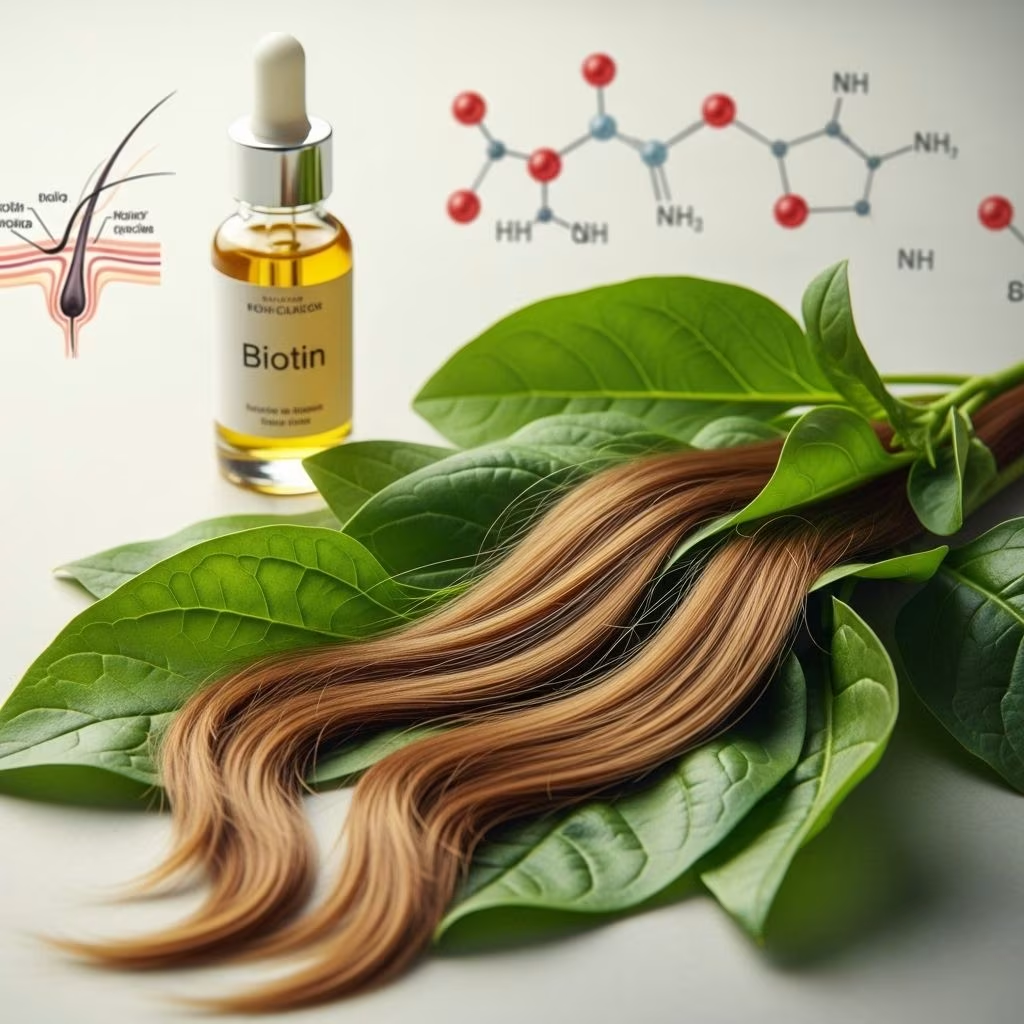
Biotin, also known as vitamin B7, is one of the most popular nutrients touted for boosting hair health—appearing in countless supplements, hair products, and advertisements. But what does science actually say about biotin’s impact on your hair? Do you need a supplement, how much is safe, and what usage tips do experts recommend?
What is Biotin?
Biotin is a water-soluble member of the B-complex group of vitamins, also known as vitamin B7. It is essential for a variety of biological processes, including:
- Metabolism of proteins, carbohydrates, and fats
- Synthesis of fatty acids
- Production of keratin—the primary structural protein in hair, skin, and nails
Since biotin cannot be stored in the body for long due to its water-soluble nature, a regular dietary intake is needed to maintain healthy levels.
Biotin’s Role in Hair Health
Biotin is commonly promoted as a “beauty vitamin” primarily because of its role in helping the body produce keratin. Keratin forms the building blocks of your hair, skin, and nails.
- Supports keratin synthesis: Adequate biotin contributes to the formation and strengthening of hair shafts.
- Nourishes hair follicles: Biotin involvement in fatty acid metabolism may help condition the scalp environment.
- Helps prevent hair thinning in deficiency: When biotin levels drop, hair may become brittle or thin, but this is rare in healthy individuals.
- Influences skin and nails: Biotin also promotes the health and smoothness of skin and can help reduce brittleness in nails.
How Does Biotin Work?
Biotin functions as a coenzyme, helping to:
- Convert food into cellular energy
- Participate in the production of glucose and fatty acids
- Boost production of keratin, the critical protein matrix for hair strands
Scientific Evidence: Does Biotin Really Improve Hair?
A wide variety of hair growth products contain biotin and claim to deliver longer, thicker, or stronger hair. But what does the research show?
| Study/Review | Participants | Findings | Remarks |
|---|---|---|---|
| Women with self-perceived thinning hair (multi-ingredient supplement containing biotin) | Randomized, 6 months | Increase in hair thickness and scalp coverage in supplement group | Cannot attribute the effect to biotin alone due to multiple ingredients |
| Biotin deficiency case reports | Individuals with genetic or acquired deficiency | Subjective improvement in hair after biotin supplementation | Major effect only in deficient individuals |
| Studies in healthy individuals (no deficiency) | General population | No strong evidence biotin boosts hair if biotin levels are adequate | Supplementation not generally useful for those with adequate intake |
In summary, biotin supplementation improves hair health predominantly in people who are truly biotin-deficient. There is no robust evidence to suggest that extra biotin stimulates hair growth or prevents hair loss for people with sufficient dietary intake.
Who Might Benefit from Biotin Supplements?
- People with a diagnosed biotin deficiency (from malnutrition, GI disorders, or certain genetic conditions)
- Those experiencing hair loss as a symptom of biotin deficiency
- Individuals on medications that deplete biotin (e.g., anticonvulsants)
- People with certain metabolic or genetic disorders
Signs and Symptoms of Biotin Deficiency
True biotin deficiency is rare, but when it occurs, it can cause:
- Thinning hair that may progress to loss of hair color or total hair loss in severe cases
- Scaly, red skin rashes (especially on the face)
- Brittle nails
- Conjunctivitis (eye irritation)
- Neurological symptoms (depression, lethargy, hallucinations in severe deficiency)
Deficiency can result from:
- Inherited conditions (such as biotinidase deficiency)
- Chronic alcohol use or reliance on parenteral nutrition
- Long-term consumption of raw egg whites (due to avidin interfering with biotin absorption)
- Use of certain medications (e.g., anticonvulsants)
- Malabsorptive disorders (bowel resections, Crohn’s disease)
Natural Food Sources of Biotin
For most people, a balanced diet provides more than enough biotin to meet daily needs. Key food sources include:
- Egg yolks (cooked)
- Nuts and seeds (e.g., almonds, peanuts, sunflower seeds)
- Legumes (e.g., soybeans, peanuts)
- Whole grains (e.g., oats, barley)
- Organ meats (e.g., liver, kidney)
- Fish (e.g., salmon)
- Avocados
- Sweet potatoes
- Mushrooms
- Certain vegetables (broccoli, spinach)
Cooking can affect biotin content in foods, but a varied diet easily meets the daily adequate intake (AI) for adults: 30 micrograms (mcg) per day.
Using Biotin Supplements for Hair: Guidelines & Safety
Typical Dosages
- Average adult daily need: 30 mcg
- Supplements are often sold in much higher doses (1,000-10,000 mcg or more)
Are High Doses Safe?
- Biotin is considered generally safe even at high intakes because excess is excreted via urine
- No established upper limit, but extremely high intakes are not necessary for most people
- Possible risks: High biotin doses may interfere with certain lab tests (e.g., thyroid, troponin)
Who Should Consider a Supplement?
- Diagnosed by a healthcare provider as biotin deficient
- After discussion with a provider if you’re pregnant, breastfeeding, or have a condition affecting biotin absorption
- If you have brittle hair or nails and dietary deficiency is suspected or confirmed
Note: Always speak with your healthcare provider before starting a supplement, especially at very high doses, to avoid unnecessary use or potential for altered lab outcomes.
Practical Tips for Healthy Hair (with or without Biotin)
- Maintain a balanced diet rich in varied nutrients, including protein, iron, zinc, vitamins A & D, along with biotin
- Practice gentle hair care: Avoid excessive brushing, heat styling, or harsh chemicals that can weaken hair
- Keep the scalp clean and moisturized
- Protect hair from environmental stressors (sun, pollution, chlorine)
- If using supplements, choose products from reputable brands and avoid mega-doses unless instructed by a professional
- Avoid cutting out biotin-rich foods unless necessary for medical reasons
Common Mistakes and Misconceptions About Biotin
- Myth: “Biotin guarantees thicker or faster hair for everyone.”
Reality: Scientific findings support biotin’s effect on hair only in people who are deficient. - Myth: “More biotin means even healthier hair and nails.”
Reality: Excess beyond what the body needs is unlikely to further improve hair strength or growth. - Mistake: Overuse of high-dose supplements without documented deficiency
- Mistake: Ignoring underlying causes for hair loss (e.g., hormone imbalance, thyroid disorders, genetics)
Frequently Asked Questions (FAQs)
Q: Can biotin supplements stop or reverse hair loss?
A: Biotin supplements may help if you are actually deficient, but there is little evidence they prevent or reverse hair loss in people with normal biotin levels.
Q: Is it safe to use biotin shampoo or topical treatments?
A: Biotin shampoos are generally safe for topical use, but there is no solid evidence that they are effective for stimulating new hair growth compared to oral intake for those who are deficient.
Q: How long does it take to see results from biotin?
A: In cases of deficiency, hair quality may improve within a few months of supplementation. For most healthy individuals, no visible change is expected from extra biotin alone.
Q: Are there any side effects?
A: Biotin is well tolerated at typical supplemental doses. High doses may interfere with laboratory blood tests, so inform your doctor if you are taking high-dose biotin.
Q: Should everyone take a biotin supplement for better hair?
A: No. Most people obtain enough biotin through food. Supplements should only be considered if there is a deficiency or medical advice to do so.
References
- Mayo Clinic: The roles of Biotin and Niacin
- MyVitamins: Biotin Benefits
- Healthline: Biotin for Hair Growth
- JCAD: Biotin for Hair Loss: Teasing Out the Evidence
References
- https://store.mayoclinic.com/education/the-roles-of-biotin-and-niacin/
- https://www.myvitamins.com/articles/nutrition/biotin-benefits-what-is-vitamin-b7-why-do-we-need-it/
- https://www.healthline.com/health/biotin-hair-growth
- https://jcadonline.com/biotin-for-hair-loss-evidence/
- https://pmc.ncbi.nlm.nih.gov/articles/PMC5582478/
- https://pubmed.ncbi.nlm.nih.gov/28879195/
- https://www.webmd.com/diet/health-benefits-biotin
- https://ascopubs.org/doi/10.1200/OP-25-00693


