


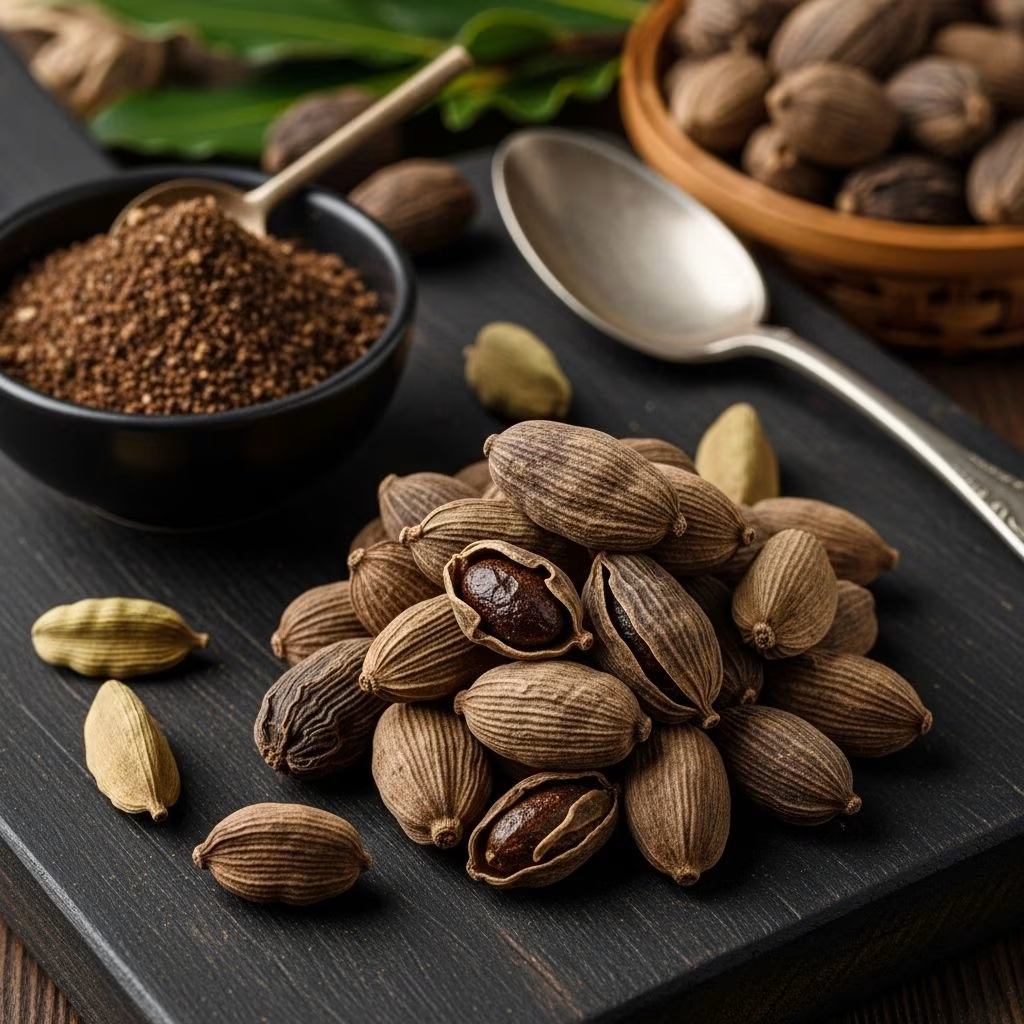
Black cardamom is an iconic spice prized for its robust, smoky character and intense aroma. Used widely in South Asian and global cuisines, this spice stands apart from its green cousin and offers a depth of flavor that transforms savory dishes. This article explores black cardamom’s flavor profile, traditional and modern culinary uses, and practical substitutions to help both seasoned chefs and home cooks enhance their recipes.
Introduction to Black Cardamom
Black cardamom (Amomum subulatum) is a pod spice native to the Himalayan regions and widely used in India, Nepal, China, and other parts of Asia. The pods are larger and darker than those of green cardamom and possess a deeply ridged surface. Unlike green cardamom, which is known for its sweet and floral notes, black cardamom is defined by its earthy, resinous, and smoky flavor, imparted through a traditional fire-drying process.
The pods house small, sticky, dark brown seeds, which can be used whole or ground. They are an essential component in many classic spice blends and are frequently found in hearty, savory recipes that benefit from strong, aromatic undertones.
Flavor Profile of Black Cardamom
Black cardamom’s flavor is distinctly smoky, earthy, and robust. This is a result of the pods being dried over open flames, which imbues the spice with unique, complex aromas.
- Smoky: The most dominant characteristic, reminiscent of charred wood or hardwood smoke.
- Earthy and Resinous: Provides an undertone similar to camphor or pine resin.
- Menthol and Eucalyptus: Offers a cooling sensation and a fresh finish alongside its intense body.
- Pungent and Less Sweet: Compared to green cardamom, black is much more pungent and lacks the delicate sweetness.
Overall, the depth and warmth of black cardamom make it ideal for foods with bold, heavy flavors. It stands up well in long-cooked dishes, adding a layer of aromatic smokiness that can transform the entire recipe.
Black Cardamom Aroma and Texture
The aroma of black cardamom is often described as woody, leathery, and slightly medicinal. When crushed or ground, the pod’s seeds release essential oils that contribute a peppery, refreshing quality to food, reminiscent of eucalyptus or menthol. The outer pod itself is tough and fibrous and is typically removed before serving.
Culinary Uses of Black Cardamom
Black cardamom’s flavor is best showcased in savory dishes where its intensity contributes layers of complexity and warmth. Its uses span continents, but it remains most closely tied to South Asian and East Asian cuisine.
- Whole Pods in Stews and Curries: Drop whole black cardamom pods into cooking liquids, such as in Indian dal, korma, lamb curry, or biryani. The pods infuse the dish with smoky, aromatic depth, and are typically removed before serving.
- Ground for Spice Blends: Ground seeds are a cornerstone ingredient in garam masala and other spice blends. A pinch of black cardamom can transform rubs for barbecued meats and roasted vegetables, evoking traditional tandoor-cooked flavors.
- Braising and Marinating: Adds a smoky twist to braising liquids for meats, especially beef, lamb, and pork. Used in Chinese cuisine for slow-cooked beef brisket and braised pork dishes.
- Rice and Grain Dishes: Whole pods add aroma to pilaf, biryani, and pulav, infusing the rice with an earthy, smoky edge without overpowering delicate grains.
- Soups and Broths: Used in Vietnamese pho and similar broths, imparting complexity alongside star anise and cloves.
The spice’s smoky notes also make it a popular addition to vegetarian and vegan recipes, where its intensity compensates for the absence of meat-based umami. In Northern Indian cuisine, black cardamom is indispensable in rich gravies and spice-rich masalas.
Notable Recipes Using Black Cardamom
- Biryani and Pulao rice dishes
- Butter chicken or murgh makhani
- Garam masala spice blend
- Indian lentil soups (dal), black bean stews
- Slow-cooked beef or lamb curry
- Pho and other Asian broths
- Barbecue rubs and smoked marinades
Health Benefits and Nutrition
Black cardamom is not just a flavor powerhouse; it also offers a range of potential health benefits, thanks to its rich supply of essential oils and plant compounds.
- Digestive Aid: Traditionally, black cardamom has been used to promote digestion and relieve gas due to its carminative properties.
- Respiratory Relief: The menthol and camphor content in black cardamom may help soothe respiratory discomfort and congestion.
- Antioxidant Support: Contains polyphenols and flavonoids that may help reduce oxidative stress in the body.
- Potential Anti-Inflammatory Effects: Some research suggests cardamom compounds may have anti-inflammatory properties.
- Mouth Freshener: The cooling, aromatic oils give a refreshing sensation and can naturally freshen breath.
While black cardamom is typically used in small amounts, its essential oils and minerals (iron, manganese, calcium) can offer micronutrient benefits in a balanced diet.
Black Cardamom vs. Green Cardamom: Key Differences
| Characteristic | Black Cardamom | Green Cardamom |
|---|---|---|
| Botanical Species | Amomum subulatum | Elettaria cardamomum |
| Pod Size & Color | Larger, dark brown/black, ridged | Small, green, smooth |
| Flavor Profile | Smoky, earthy, camphorous, menthol | Sweet, floral, citrusy, mild |
| Main Uses | Savory dishes, stews, curries, soups | Sweet & savory dishes, desserts, chai |
| Aroma | Pungent, smoky, woody | Fragrant, delicate, bright |
| Common Regions | India, Nepal, China | India, Southeast Asia, Scandinavia |
While both are members of the Zingiberaceae (ginger) family, black and green cardamom are not interchangeable. Green cardamom suits sweet dishes and chai, while black excels in robust, long-cooked savory foods. White cardamom (bleached green) is sometimes found but is much milder, and not a substitute for black cardamom’s punch.
Buying, Storing, and Using Black Cardamom
To maximize the flavor and freshness of black cardamom, follow these kitchen tips:
- Buy Whole Pods: Purchase whole black cardamom pods whenever possible. The seeds inside retain their essential oils much better than ground powder.
- Check for Aroma and Integrity: Good quality pods should be deeply colored, not flaky, and have a strong smoky smell.
- Storage: Store in an airtight glass jar away from heat, light, and moisture. Kept properly, the pods can retain flavor for up to a year.
- Usage: Add whole pods to dishes during simmering and remove before serving, or crack open, extract seeds, and grind for a more intense impact.
- Grinding: A spice grinder or mortar and pestle can be used to powder the seeds as desired for rubs and blends.
As with all strong spices, start with less and increase amounts as you learn the impact on your desired dish. The outer husk can sometimes be bitter or woody, so only the seeds may be ground for delicate blends.
Easy Substitutes for Black Cardamom
If you run out of black cardamom or need to replicate its effects, several options provide similar smokiness or depth, though no substitute will perfectly match its singular profile.
- Smoked Paprika + Green Cardamom: Combine smoky paprika with a small amount of crushed green cardamom. This balances smoke and subtle sweetness in dishes requiring depth.
- Chipotle Chile Powder: For recipes needing heat and smoke, chipotle powder imparts both. Use sparingly and avoid in sweet recipes.
- Liquid Smoke + Green Cardamom: A drop or two of liquid smoke with green cardamom mimics the fire-dried background of black cardamom. Exercise caution—liquid smoke is potent.
- Other Spice Blends: Garam masala (if it contains black cardamom), cinnamon-clove combo, or clove plus allspice can provide warmth and spice complexity in a pinch.
- Chinese Five Spice: Contains star anise, clove, and cinnamon, delivering some of the camphorous and deep, woodsy notes black cardamom provides to long-cooked Asian dishes.
Table of popular substitutes and their best uses:
| Substitute | Flavor Provided | Best Use Cases |
|---|---|---|
| Smoked paprika + green cardamom | Smoke, mild heat, mild cardamom | Rice, stews, rubs |
| Chipotle chile powder | Spicy, smoky, earthy | Meats, braised pulse dishes |
| Liquid smoke + green cardamom | Strong smoke, subtle cardamom | Curries, slow-cooked stews |
| Chinese five spice | Sweet, spicy, aromatic | Broths, Asian braises |
| Cinnamon + clove or allspice | Warmth, earthiness, mild bitters | Vegetable and grain dishes |
Always adjust substitute amounts to account for intensity and avoid overpowering the final dish. When making a substitution, consider if the recipe is sweet or savory, as some options are best reserved for one or the other.
Frequently Asked Questions (FAQs)
What’s the main difference between black and green cardamom?
Black cardamom is smoky, earthy, and used in savory dishes, while green cardamom is floral, sweet, and popular in sweet or lightly spiced recipes.
Can black cardamom be used in desserts?
Generally, no. Its strong, smoky flavor can overwhelm sweet dishes. Green cardamom is preferred for desserts and chai.
Is it safe to eat black cardamom pods whole?
No. The outer pod is extremely tough and fibrous. Remove pods before serving. Only the seeds can be consumed directly if ground.
Are there any allergens or side effects linked to black cardamom?
Black cardamom is generally safe in culinary quantities. Those with allergies to ginger family plants should exercise caution. Large medicinal quantities should only be used under supervision.
How much black cardamom should I use in a typical recipe?
For most curries or stews serving 4–6 people, use 1–2 pods. For ground spice blends, 1/2 to 1 teaspoon of ground seed per dish is typical, based on preference.
Can I substitute black cardamom for green cardamom?
Not directly: the two spices have very different flavors and are not interchangeable. Only use black cardamom for its intended smoky, savory purposes.
Conclusion
Black cardamom’s complex, smoky, and intense aroma makes it an indispensable ingredient for robust, savory foods across South Asian and global kitchens. While its flavor profile is bold and unique, easy pantry substitutes—like smoked paprika, chipotle, or Chinese five spice—can approximate its effect when needed. Understanding how to harness this spice’s power in your kitchen opens a world of depth and flavor in curries, braises, broths, and beyond.
References
- https://tavazo.us/blogs/news/black-cardamom-vs-green-cardamom-taste-aroma-and-culinary-utility
- https://www.hillvale.co.uk/blogs/ingredients/black-cardamom
- https://www.savoryspiceshop.com/blogs/news/behind-the-seasoning-cardamom
- https://www.pureindianfoods.com/products/black-cardamom-pods
- https://vgtvexport.com/black-cardamom-indian-black-cardamom-exporter/
- https://everestorganichome.com/why-cardamom-should-be-in-your-spice-rack
- https://www.masterclass.com/articles/black-cardamom-seeds-explained


