


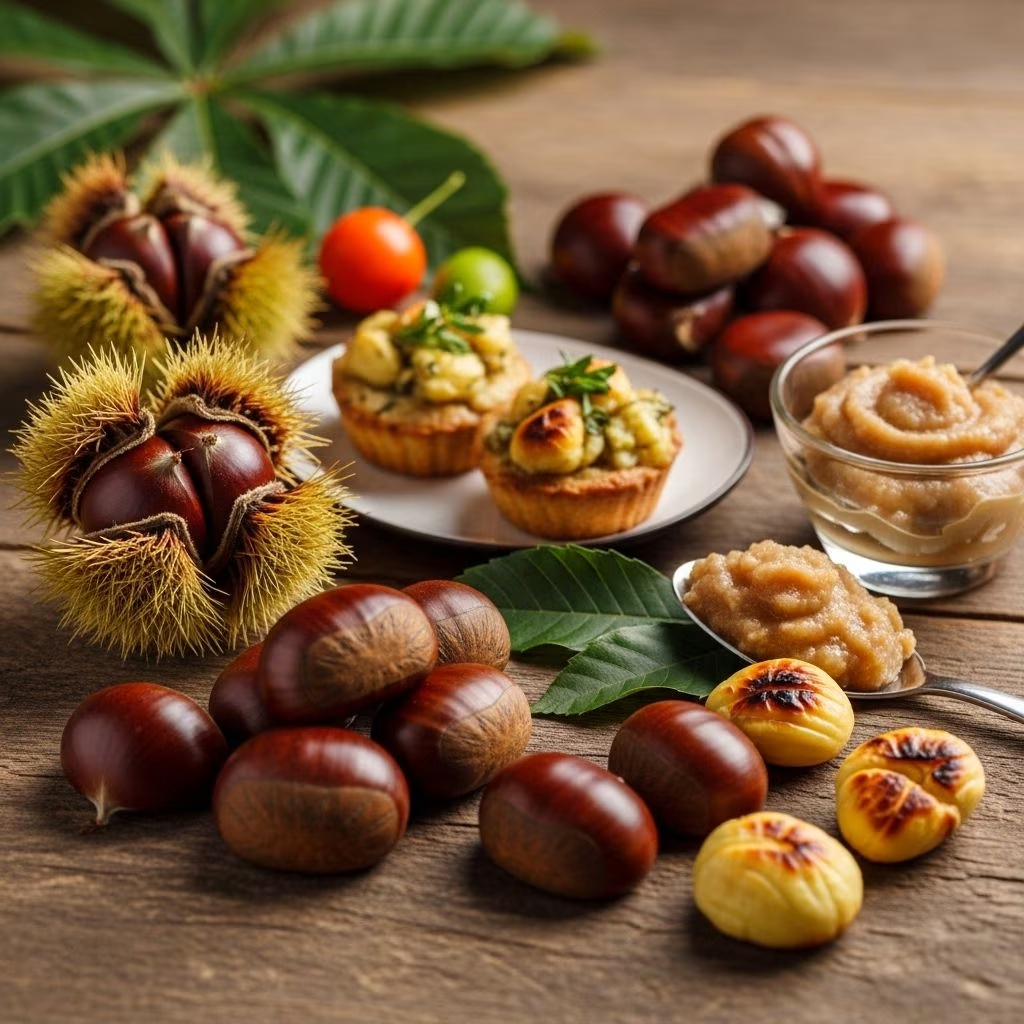
Chestnuts are edible nuts produced by various species of the Castanea genus, celebrated worldwide for their delightful taste, nutritional value, and culinary versatility. This article provides a comprehensive overview, exploring chestnut species, health benefits, cooking uses, taste, growing regions, and common questions.
Introduction: What Is Chestnut?
The term chestnut refers to the edible nuts produced by trees of the Castanea genus, part of the beech family (Fagaceae). Unlike common tree nuts, chestnuts are mainly valued for their starchy content, making them unique in both culinary and nutritional contexts. These nuts are encased in a spiny husk and typically harvested in autumn. For centuries, chestnuts have contributed to diverse cuisines, from European traditions to East Asian delicacies, embodying cultural importance and nutritional sustenance.
Historical Significance
- Chestnuts have been consumed in Eurasia for thousands of years as both staple food and festive treat.
- Historically vital for communities in mountain or temperate regions, offering nutrition during winter months.
- Some ancient civilizations used chestnut wood for building due to its durability and resistance to decay.
Major Chestnut Species & Their Characteristics
There are several distinct species of chestnut trees, each with unique botanical traits, growth patterns, and flavor profiles. The most notable are:
| Species | Origin | Tree Height | Nut Characteristics | Flavor & Culinary Use |
|---|---|---|---|---|
| American Chestnut (C. dentata) | Eastern North America | Up to 30m (98 ft) | Small, sweet nuts; thin, smooth leaves | Highly sweet; used in baking and roasting (rare due to blight) |
| European Chestnut (C. sativa) | Europe, Asia Minor | Around 30m (98 ft) | Large, sweet nuts | Popular in confections; roasted for street food |
| Chinese Chestnut (C. mollissima) | China | 15m (49 ft) | Medium-sized, sweet nuts; high blight resistance | Boiled, roasted, candied; staple in Chinese cuisine |
| Japanese Chestnut (C. crenata) | Japan, Korea | 10m (33 ft) | Large nuts; mild sweetness; some hairiness | Seasonal sweets, rice dishes |
| Chinquapin (C. pumila, etc.) | USA (Southeast) | Usually shrubby, small tree | Small, single nuts per bur; hairy undersides | Eaten fresh or roasted locally |
Nutritional Value & Health Benefits
Chestnuts are distinct among nuts for their high carbohydrate content and low fat. This composition, alongside micronutrients and fiber, makes chestnuts both nourishing and adaptable in healthy diets.
Nutritional Profile (per 100g of raw chestnuts)
- Calories: 190 kcal
- Protein: 2 g
- Fat: 1 g (very low compared to other nuts)
- Carbohydrate: 45 g (mostly complex starch)
- Fiber: 8 g
- Vitamin C: 24 mg
- Potassium: 715 mg
- B vitamins: Abundant, especially folate and B6
Key Health Benefits
- Antioxidant Content: Chestnuts contain vitamin C and polyphenols, countering oxidative stress and supporting immune health.
- High Fiber: Their fiber aids digestion, promotes satiety, and helps regulate blood glucose levels.
- Low Fat: Chestnuts offer essential nutrients without the high calories/fat of other nuts, suitable for low-fat diets.
- Gluten-Free: Naturally gluten-free and safe for celiac or gluten-sensitive diets.
- Micronutrient Boost: Chestnuts deliver magnesium, copper, manganese, and vitamins crucial for energy metabolism and nerve function.
- Heart Health: Low saturated fat and presence of phytosterols contribute to cardiovascular well-being.
Chestnuts in Traditional Medicine
- Used historically to treat digestive disorders, cough, and weakness.
- Leaves and bark sometimes applied in topical remedies for inflammation and skin events.
Culinary and Other Uses of Chestnuts
Chestnuts are celebrated worldwide for their culinary flexibility—used sweet or savory, fresh or preserved, ground or whole. Outside the kitchen, chestnut wood and leaves also offer unique applications.
Culinary Uses
- Roasted Chestnuts: Perhaps the most iconic way, especially in Europe during winter and festivals.
- Roasted over open fire or oven; sold by street vendors in cities like Paris and Rome.
- Boiled or Steamed: Common in Asian cuisines; chestnuts added to soups, stews, or rice.
- Baking: Used in breads, pastries, cakes—examples include Italian castagnaccio and French mont blanc.
- Candied Chestnuts: Marrons glacés are a luxury confection in France and Italy.
- Chestnut Flour: Ground chestnuts become gluten-free flour for pancakes, polenta, and baked goods.
- Purees & Pastes: Forms the base of desserts, fillings, and sweet spreads.
- Soups and Stuffings: Chestnuts are combined with vegetables, meats, or grains, typical of European holiday tables.
- Savory Dishes: Stewed with meats, folded into rice (kuri gohan in Japan), or incorporated in game dishes.
Non-Culinary Uses
- Chestnut Wood: Valued for furniture, construction, and barrel-making due to strength and resistance to decay.
- Dye and Tannins: Chestnut bark and wood yield natural tannins used in leather production and textile dying.
- Animal Feed: Chestnuts sometimes serve as additional feed for livestock in traditional farming communities.
Chestnut Taste & Texture Explained
Unlike most nuts, chestnuts deliver a mild, subtly sweet flavor and a starchy, potato-like texture. Taste and texture can vary by species, preparation, and freshness.
Flavor Profile
- Raw chestnuts: Crisp, slightly sweet, and could taste somewhat tannic.
- Cooked (Roasted/Boiled): Sweetness deepens, and nutty aroma emerges; soft, buttery texture develops.
- Variety Effects:
- American chestnut is said to be the sweetest, with European and Chinese varieties offering more earthy undertones.
- Japanese chestnuts are mild and creamy, well-suited for sweets.
Chestnuts pair well with both sweet and savory dishes, absorbing surrounding flavors while providing gentle sweetness and creamy consistency.
Growing Regions, Cultivation & Sustainability
Chestnuts thrive in temperate regions with well-drained soil, adapted to valleys, hillsides, and woodland edges.
Major Growing Regions
- Europe: Italy, France, Spain, and Greece are traditional chestnut centers, with local specialties and festivals.
- Asia: China leads world production, Japan and Korea have notable consumption and unique cultivars.
- North America: Once widespread, American chestnuts now rare due to blight, though restoration efforts continue.
- Australia, Turkey, South America: Emerging or secondary producers for regional markets.
Cultivation Facts
- Chestnut trees grow best in full sun with moist, acidic soils.
- Most trees bear nuts within 5-7 years and can live for centuries when healthy.
- Grafted varieties and hybrids help overcome diseases (notably chestnut blight).
- Harvest season typically runs from September to November.
Sustainability and Conservation
- Chestnuts form part of sustainable agroforesty models in Europe and Asia, providing soil protection and habitat.
- Efforts to restore American chestnut populations are underway, using blight-resistant hybrids.
- Wild populations contribute to biodiversity, benefiting wildlife and forest ecology.
Potential Risks & Safety Information
- Edibility: Only true chestnuts (Castanea genus) are safe to eat; horse chestnuts (Aesculus) are toxic.
- Allergens: Chestnut allergies are rare but possible, especially for those allergic to tree nuts or latex.
- Storage: Fresh chestnuts spoil quickly; must be refrigerated or used soon after harvest to prevent mold.
- Raw Chestnuts: Some people may have difficulty digesting raw nuts; cooking recommended for nutrition and safety.
Frequently Asked Questions (FAQs)
Q1: Are chestnuts healthy compared to other nuts?
A: Yes, chestnuts are unique among nuts for their low fat and high carbohydrate profile, making them a healthy choice for those seeking lower calorie and fat content. They also provide antioxidants and vitamins beneficial for metabolism and immunity.
Q2: How do I know if a chestnut is fresh?
A: Fresh chestnuts should feel firm and heavy, with glossy, unblemished skin. Any signs of mold, shriveling, or cracks generally indicate spoilage.
Q3: What’s the best way to cook chestnuts?
A: Roasting is the classic method for developing flavor and soft texture. Boiling and steaming are also popular ways, especially in Asian dishes.
Q4: Can people allergic to nuts eat chestnuts?
A: Chestnut allergies are rare but do occur. People with tree nut or latex allergies should exercise caution and consult with a medical professional before eating.
Q5: Why are American chestnuts so rare today?
A: American chestnuts have been devastated by chestnut blight, a fungal disease, making mature trees rare. Restoration and breeding programs are attempting to bring them back.
Summary
Chestnuts stand out among nuts for their starchy texture, subtle sweetness, and rich nutritional profile. They have nourished civilizations, inspired culinary creativity, and contributed to sustainable agriculture for centuries. Whether roasted on street corners, baked into festive foods, or pureed into elegant desserts, chestnuts remain a globally celebrated ingredient—delivering health benefits, cultural significance, and memorable flavor.
References
- https://en.wikipedia.org/wiki/Chestnut
- https://trees.umn.edu/american-chestnut-castanea-dentata
- https://portal.ct.gov/-/media/caes/documents/publications/fact_sheets/plant_pathology_and_ecology/identificationofchestnuttreespdf.pdf
- https://ohiodnr.gov/discover-and-learn/plants-trees/broad-leaf-trees/american-chestnut-castanea-dentata
- https://tacf.org/identification/chestnut-species/
- https://tacf.org/identification-of-american-chestnut/
- https://ecotree.green/en/offers/species/chestnut
- https://mortonarb.org/plant-and-protect/trees-and-plants/american-chestnut/
- https://chestnuthilloutdoors.com/learning-center/chestnuts-worldwide/


