


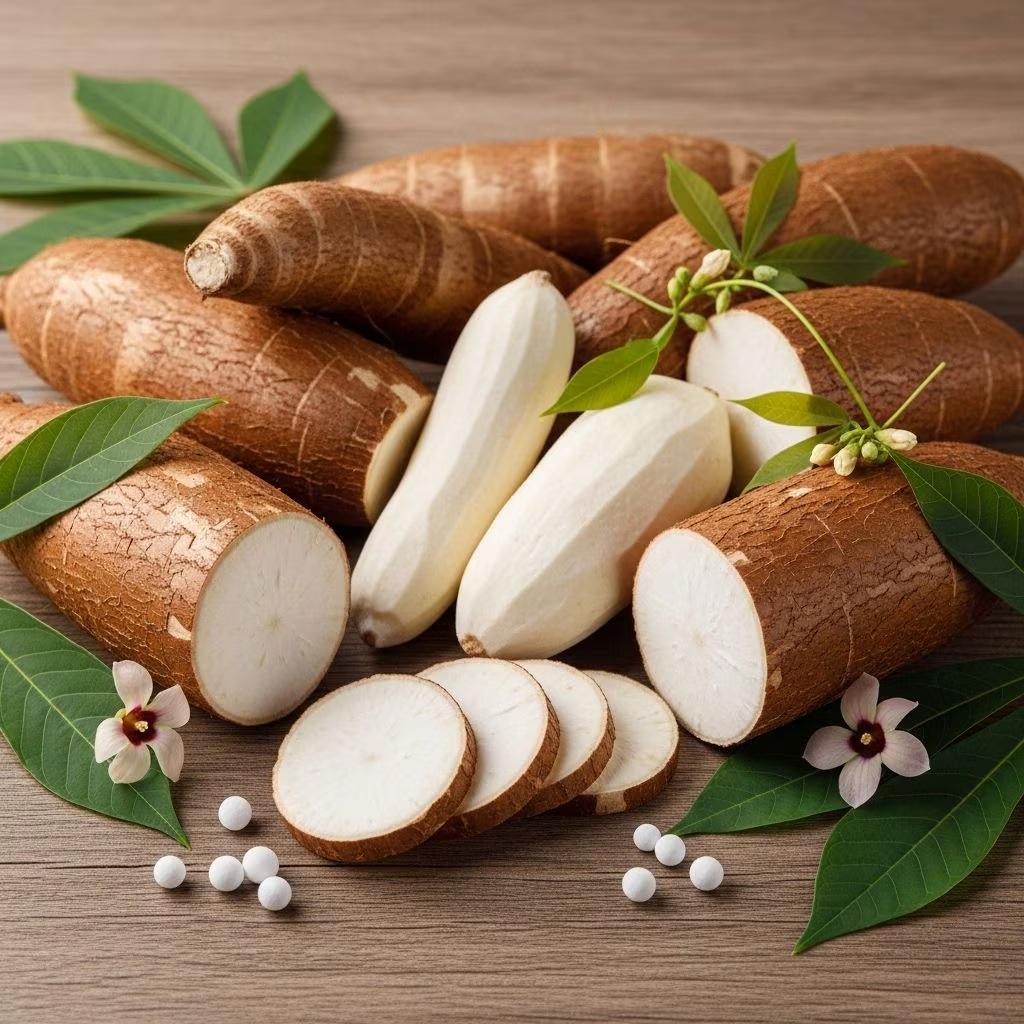
Cassava, also known as yuca, manioc, or Brazilian arrowroot (scientific name: Manihot esculenta), is a starchy root crop renowned for its role as a staple food across much of the tropics and subtropics. Despite some confusion between the terms yuca and yucca, cassava/yuca is a major food source, while yucca (with two C’s) refers to an unrelated ornamental shrub native to dry regions. This article explores the botany, history, nutritional benefits, risks, major types, wide-ranging uses, flavor profile, and culinary potential of cassava root.
Introduction
Cassava root is a dietary cornerstone for over 500 million people worldwide, second only to rice and maize as a source of carbohydrates in tropical diets. It is celebrated for its versatility, ability to thrive in poor soils and drought-prone regions, and its myriad traditional and modern culinary applications.
What Is Cassava (Yuca/Yucca)?
Cassava, called yuca in Spanish-speaking countries and manioc in Portuguese-speaking Brazil, is a tropical woody shrub of the Euphorbiaceae (spurge) family, whose large tuberous roots are rich in starch. The term yuca is often confused with yucca—a distinct, non-edible ornamental shrub. Cassava’s botanical name is Manihot esculenta.
- Native to South America (especially Brazil, Paraguay, and the Andes)
- Nicknamed mandioca, macaxeira, or aipim in Brazil
- Referred to as cassava or yuca in English and Spanish
- Widely cultivated throughout Africa, Southeast Asia, the Caribbean, and tropical regions globally
Cassava is grown primarily for its long, tapered roots, though its leaves are also edible and rich in protein (though not methionine).
Nutritional Profile of Cassava Root
Cassava root is primarily valued for its high carbohydrate content, making it an efficient energy source in the diet. Here is a breakdown of the nutrients typically found in 100 grams of fresh cassava root:
| Nutrient | Amount (per 100g) |
|---|---|
| Calories | ~160 |
| Carbohydrates | ~38 g |
| Protein | ~1.4 g |
| Fat | ~0.3 g |
| Dietary Fiber | ~1.8 g |
| Calcium | 16 mg |
| Phosphorus | 27 mg |
| Vitamin C | ~20.6 mg |
| Other Vitamins & Minerals | Trace |
- High in starch (mainly amylopectin and amylose)
- Very low in protein and fat
- Naturally gluten-free
- Contains a moderate amount of Vitamin C
Cassava leaves, though seldom eaten in Western cuisines, are significant for their high protein content in certain African diets, with the caveat that they lack some essential amino acids.
Varieties and Food Safety
Cassava comes in two main types:
- Sweet Cassava: Contains lower levels of naturally occurring cyanogenic glycosides (toxins producing cyanide). Generally safe after peeling and typical home-cooking (boiling, baking).
- Bitter Cassava: Contains higher cyanide levels. Requires extensive processing (grating, soaking, pressing, fermenting, sun-drying) to make it safe for consumption.
Cassava Safety Tips: Both varieties of cassava are toxic if eaten raw. Proper preparation and thorough cooking are necessary to remove cyanide-producing compounds, which can cause poisoning if not eliminated.
- Never eat cassava root or leaves raw.
- Discard soaking/cooking water before eating.
- Children and pregnant women are particularly vulnerable to improperly processed cassava toxicity.
- Bitter cassava, despite its risk, is often planted for its natural insect resistance and storage potential during drought.
Key Health Benefits of Cassava
- Energy Powerhouse: Provides abundant, easily digested carbohydrates for energy—essential in regions prone to undernutrition.
- Gluten-Free Grain Alternative: Cassava flour and starch (tapioca) are naturally gluten-free, making them suitable for celiac and gluten-sensitive diets.
- Rich in Resistant Starch: Some preparations contain resistant starch, which can benefit gut health by promoting a healthy microbiome and improving blood sugar response.
- Source of Vitamin C: Provides vitamin C, which supports immune function, wound healing, and iron absorption.
- Drought-Resistant and Food Security: Cassava’s ability to thrive in poor soils and minimal rainfall makes it a vital crop in ensuring food security for millions in Africa, South America, and Asia.
- Low Allergenicity: Uncommon allergen, suitable for people with multiple food sensitivities.
Culinary Uses of Cassava
Cassava’s culinary versatility makes it a foundation of traditional diets and modern gluten-free cuisine alike:
- Boiled or Steamed Root: Served as a side dish, similar to potatoes
- Mashed Cassava: Used as a hearty base for stews and soups
- Fried Cassava: Cut into sticks or chips and deep-fried
- Baked or Roasted: Whole or sliced in ovens or over fire
- Flour and Starch: Tapioca (cassava starch) is a worldwide thickener for puddings, pie fillings, sauces, and industrial foods. Cassava flour is a prized gluten-free baking ingredient.
- Fermented Products: Used to make foods like garri, fufu (Africa), and chicha (Latin America)
- Traditional Breads: Farinha de mandioca and beiju (Brazil), bammy (Jamaica)
- Snacks and Sweets: Tapioca pearls (bubble tea), Brazilian cheese bread (pão de queijo), cassava cakes
Regional Cassava Specialties
- Brazil: Farofa (toasted cassava flour), tapioca crepes, pão de queijo (cheese bread)
- West Africa: Garri (fermented cassava grit), fufu (starchy dough for soup accompaniment), cassava leaves stew
- Philippines: Cassava cake, suman (sweet steamed rice with cassava)
- Jamaica/Caribbean: Bammy (cassava bread), cassava pone (sweet pudding)
Taste and Texture of Cassava
The flavor and mouthfeel of cassava root can vary depending on growing conditions, preparation, and variety. Generally:
- Taste: Cassava is mildly sweet, earthy, and nutty—sweeter than potato, but less so than sweet potato.
- Texture: When properly cooked, cassava becomes soft, creamy, and slightly chewy, somewhat drier and firmer than white potato. The high starch content contributes to its thick, pleasantly dense texture.
- Bitter cassava may have a faintly astringent aftertaste if not processed thoroughly.
Uncooked or undercooked cassava will taste bitter and starchy and should never be eaten raw due to residual toxins.
Cassava vs. Similar Root Vegetables
| Root Vegetable | Appearance | Edible Part | Notable Nutrients | Taste/Texture |
|---|---|---|---|---|
| Cassava (Yuca, Manioc) | Brown, rough, long, waxy | Root | Carbohydrates, vitamin C | Soft, chewy, nutty |
| Potato | Short, rounded, smooth skin | Root tuber | Vitamin C, potassium | Fluffy, earthy |
| Sweet Potato | Orange/purple, tapered | Root tuber | Beta-carotene, fiber | Sweet, creamy |
| Yucca (Not edible) | Sharp-leaved shrub, not a root | — | — | Not edible |
Important: Yucca (with two C’s) is not related to cassava/yuca and should not be confused with the edible root.
How to Buy, Store, and Prepare Cassava
- Choosing Cassava: Select firm, unblemished roots. The flesh should be white or yellow, not blackened or streaked (indicates spoilage).
- Storing: Keep unpeeled cassava root in a cool, dry place for up to a week. Peeled roots should be refrigerated and cooked within a few days, or frozen.
- Preparing:
- Peel the tough, brown skin and the pinkish inner layer.
- Cut into pieces and soak or rinse to help remove remaining toxins.
- Cook thoroughly—boil for 15-30 minutes or until soft. Discard cooking water before eating.
- For bitter cassava, follow specific local processing instructions (soaking, fermenting, drying, etc.).
Common Products and Popular Recipes
- Tapioca: The purified starch, formed into pearls used in desserts (e.g., pudding, bubble tea).
- Cassava Flour: Made from the whole root, used as a gluten-free thickening and baking ingredient.
- Farinha/Farofa: Toasted cassava meal, a Brazilian side for meats/feijoada.
- Garri: Fermented cassava grit, staple in West Africa.
- Pão de Queijo: Brazilian cheese bread, chewy texture thanks to cassava starch.
- Bammy: Jamaican flatbread made from cassava meal.
- Cassava Chips: Sliced, fried snack similar to potato chips but crispier.
Frequently Asked Questions (FAQs)
Q: Is cassava the same as yuca or yucca?
A: Cassava and yuca refer to the same root (Manihot esculenta). “Yucca” is a different, inedible desert shrub and is not related to edible yuca/cassava root.
Q: Can cassava root be eaten raw?
A: No. Raw cassava contains toxic cyanogenic glycosides. Only consume after proper peeling, soaking, and cooking to remove toxins.
Q: Is cassava root good for gluten-free diets?
A: Yes. Cassava root, flour, and starch (tapioca) are naturally gluten-free and widely used in gluten-free pasta, bread, and snacks.
Q: How is cassava flour different from tapioca starch?
A: Cassava flour is made from the whole root, retaining some fiber and micronutrients. Tapioca starch is the extracted, pure starch and is flavorless and ultra-fine.
Q: What’s the texture of cooked cassava compared to potatoes?
A: Cooked cassava is denser, slightly chewy, and drier than common white potatoes. It becomes creamy inside when boiled thoroughly.
Q: Is cassava inflammatory or suitable for sensitive diets?
A: Cassava is low in allergens and may be suitable for sensitive diets when fully cooked. Like all starches, eat in moderation as part of a balanced meal plan.
Q: Which countries produce the most cassava?
A: Major producers include Nigeria (largest), Thailand (leading exporter of cassava starch), Democratic Republic of Congo, Brazil, and Indonesia.
Q: Are cassava leaves edible?
A: Yes, in many African and Asian cuisines, leaves are used as a protein-rich vegetable—again, only after thorough boiling to remove toxins.
References
- https://en.wikipedia.org/wiki/Cassava
- https://daily-harvest.com/blogs/ingredients/cassava-and-yuca-are-they-the-same
- https://www.nextstopbrazil.com/post/cassava-in-brazil-explained-what-is-the-difference-between-mandioca-aipim-macaxeira-yuca-root-a
- https://www.masterclass.com/articles/cassava-vs-yucca
- https://theculturedcook.com/2008/11/a-yuca-is-a-cassava-is-a-manioc/


