


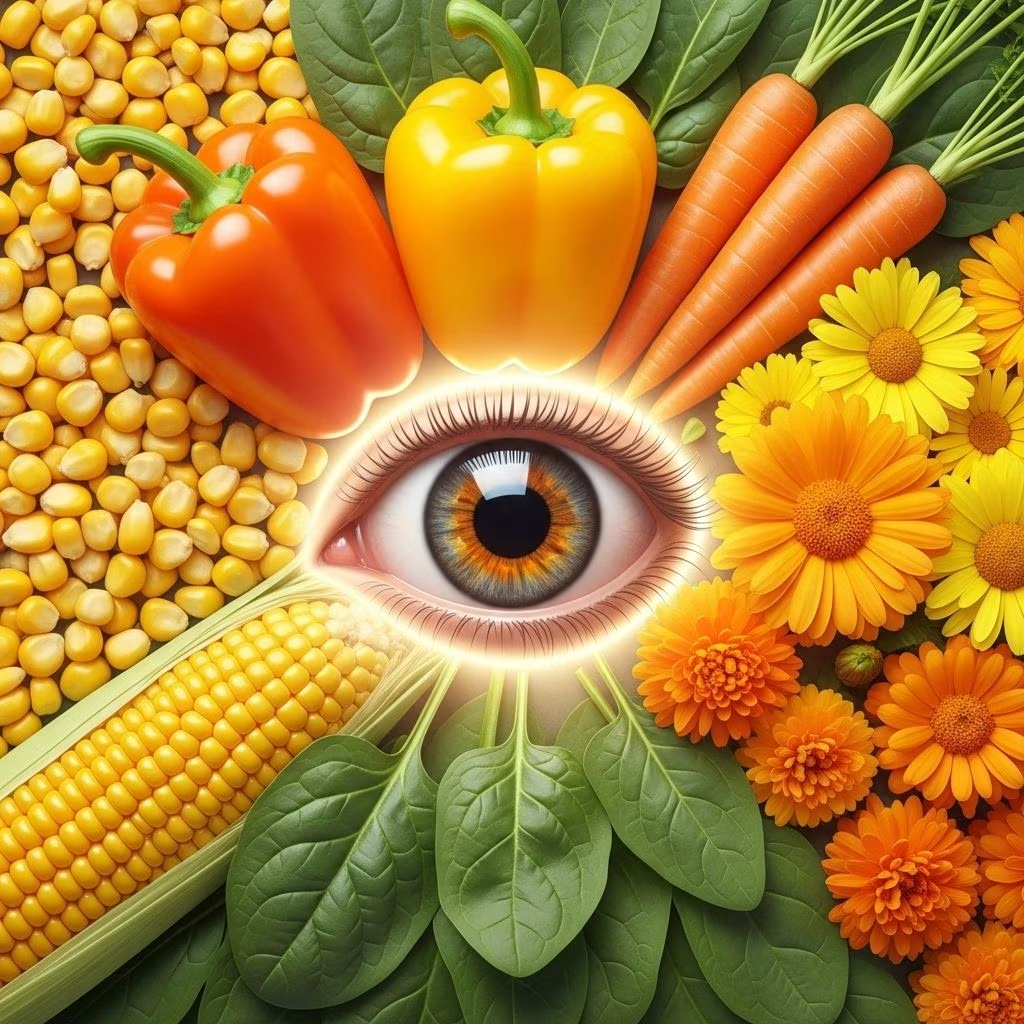
Zeaxanthin is a naturally occurring carotenoid renowned for its indispensable role in eye protection, antioxidant defense, and its promising impact on skin health, cognition, and more. This in-depth guide explores zeaxanthin’s benefits, sources, uses, safety, and taste, equipping readers with practical and scientific insights to make informed choices about its place in nutrition and wellness.
What Is Zeaxanthin?
Zeaxanthin is a type of carotenoid, a class of plant pigments responsible for the yellow, orange, and red colors seen in many fruits and vegetables. Carotenoids like zeaxanthin serve essential biological roles, most notably as antioxidants. Zeaxanthin is closely related to lutein—another carotenoid—and both are deposited in high concentrations in the human retina’s macula, the center responsible for sharp vision and visual acuity.
- Classified as a xanthophyll, a subgroup of carotenoids
- Found naturally in eggs, corn, orange peppers, leafy greens, and goji berries
- Not produced by the body; must be obtained through diet or supplementation
- Acts as a pigment, imparting yellow to reddish hues in plants and some foods
Zeaxanthin and Eye Health
Zeaxanthin’s most renowned benefit is its role in maintaining and protecting vision. Once absorbed, it concentrates in the macula of the retina and lens, acting as nature’s “internal sunglasses.” Zeaxanthin’s dual function protects the eyes from blue light and optimizes visual performance.
Key Eye Health Benefits
- Blue light protection: Zeaxanthin filters out harmful blue light from sunlight, digital screens, and artificial lighting, reducing oxidative stress and photodamage to retinal tissues.
- Reduced risk of eye diseases: Regular intake is associated with lower incidence of age-related macular degeneration (AMD), cataracts, and possibly glaucoma.
- Improved visual performance: Zeaxanthin enhances contrast sensitivity, glare recovery, and light sensitivity, which means better vision in challenging conditions (e.g., driving at night, strong sunlight).
How Zeaxanthin Works in the Eye
The macula is critical for sharp central vision. Zeaxanthin and lutein accumulate here, forming the macular pigment, which:
- Absorbs excess blue and ultraviolet light
- Protects retinal tissues from oxidative damage
- Maintains visual acuity and color perception
Clinical studies have shown that higher dietary zeaxanthin can support macular pigment density and is correlated with improved eye health outcomes.
| Feature | Zeaxanthin | Lutein |
|---|---|---|
| Deposition in Eye | Macula (central retina) | Peripheral retina and lens |
| Main Function | Filters blue light, antioxidant | Filters blue light, antioxidant |
| Food Sources | Corn, eggs, orange peppers, goji berries | Kale, spinach, egg yolks, zucchini |
| Supplementation | Often paired with lutein | Frequently found in eye supplements |
Antioxidant and Anti-Inflammatory Benefits
Zeaxanthin exerts potent antioxidant properties, neutralizing free radicals and mitigating chronic inflammation. These protective effects extend beyond the eyes, offering broader physiological advantages.
- Reduces oxidative stress in tissues exposed to light and environmental toxins
- Helps prevent cellular damage linked to chronic diseases (e.g., AMD, cancer, dementia)
- Supports immune function and intercellular communication
Skin, Brain, and Other Health Benefits
Emerging research suggests zeaxanthin may offer important benefits for the skin, brain, and other organs:
Skin Health and UV Protection
- Zeaxanthin absorbs blue and UV light in the skin, potentially protecting against premature aging and photo-damage (wrinkles, dryness, discoloration)
- May bolster resilience against sun-induced oxidative stress
Brain Health and Cognition
- Pigments like zeaxanthin are present in brain regions involved in decision making and motor coordination
- Some research links higher zeaxanthin with lower mortality in Alzheimer’s disease, but more studies are needed
Other Potential Benefits
- Kidney Protection: Low zeaxanthin may be associated with higher risk of kidney disease
- Liver Health: Zeaxanthin dipalmitate (from goji berries) may aid in reducing liver inflammation and fibrosis
- Cell Communication: May influence healthy communication between cells, supporting tissue health
It should be noted that while the antioxidant and eye benefits are well validated, many of these systemic effects require additional scientific verification before definitive claims are made.
Sources of Zeaxanthin
Obtaining zeaxanthin through a varied diet is the safest approach. Rich natural sources include:
- Egg yolks
- Corn (yellow and orange varieties)
- Orange peppers
- Goji berries
- Grapes
- Mangoes
- Oranges
- Green leafy vegetables (e.g., spinach, kale)
Egg yolks and goji berries possess relatively high bioavailable zeaxanthin. The bioavailability (ease of absorption) varies based on food matrix and preparation.
Fortified Foods and Supplements
- Standalone zeaxanthin supplements
- Combination supplements with lutein, often labeled as “eye health” formula
- Fortified foods (cereals, beverages, functional snacks)
Uses and Applications
Zeaxanthin is routinely used for the following:
- Vision support: Slowing progression of age-related macular degeneration (AMD) as part of multi-nutrient eye health formulas
- General wellness: Use for antioxidant support and protection against oxidative stress
- Skin health: Incorporated into topical and oral skin-care formulations for UV and oxidative defense
- Brain/cognition: Explored as a supplemental aid in cognitive wellness programs
Medical Uses and Scientific Evidence
- AMD and cataracts: Zeaxanthin is possibly effective for improving or slowing progression of certain eye diseases, especially when used in conjunction with lutein
- Other conditions (heart disease, breast cancer, mental decline): Some people use zeaxanthin for these indications, but insufficient clinical evidence exists to support its effectiveness for non-ocular conditions
How to Take Zeaxanthin: Dosage and Safety
Zeaxanthin is available as a dietary supplement, typically as softgels or capsules, and is commonly paired with lutein. The recommended intake levels vary by age, health status, and intended use.
Typical Dosage Guidelines
- Up to 2 mg daily: considered safe for long-term use
- Up to 10 mg daily: generally safe for periods up to 1 year
- Combination products: Most eye health formulas include 2–10 mg of zeaxanthin per serving, along with lutein (10–20 mg)
Safety and Precautions
- Pregnancy and breastfeeding: Zeaxanthin in food is safe, but supplementation lacks sufficient safety data for these groups
- Children: Appropriate food-based intake is considered safe; certain products used in clinical settings for infants have shown no adverse effects
- Side effects: Zeaxanthin is well tolerated, with rare reports of gastrointestinal disturbance at high doses; high carotenoid intake can cause harmless yellowing of the skin
What Does Zeaxanthin Taste Like?
Zeaxanthin itself is a plant pigment that is tasteless in the amounts present in food and supplement preparations. In its raw, isolated form, zeaxanthin is described as having a mild, neutral taste, similar to other carotenoids. It does not impart noticeable flavor when consumed in typical concentrations.
- Egg yolks, one of the richest natural sources, have characteristic savory richness, but this is due to protein and fat content, not zeaxanthin.
- Vegetables such as corn or orange peppers taste sweet or mild, with zeaxanthin contributing color, not taste.
- Supplements containing zeaxanthin are usually flavorless or encapsulated to avoid taste.
It is important to note that zeaxanthin’s value lies in its health-promoting properties, not taste enhancement.
Frequently Asked Questions (FAQs)
Q: Is zeaxanthin effective for eye disease prevention?
A: Yes, numerous studies link higher zeaxanthin intake with reduced risk of age-related macular degeneration and improved macular pigment density.
Q: What foods are highest in zeaxanthin?
A: Egg yolks, corn, orange peppers, goji berries, and dark leafy greens are excellent sources.
Q: Can zeaxanthin supplementation cause side effects?
A: Zeaxanthin is generally well tolerated at recommended doses. High consumption may lead to harmless yellowing of the skin (carotenodermia); rare digestive side effects are possible.
Q: Should zeaxanthin always be used with lutein?
A: Zeaxanthin and lutein work synergistically to optimize macular health, and most research and product formulations include both for best results.
Q: Is zeaxanthin safe during pregnancy or for children?
A: Food-based zeaxanthin is considered safe. Supplement use during pregnancy or in children should be supervised by a healthcare provider due to limited clinical safety data.
Summary
Zeaxanthin is a powerful, naturally occurring carotenoid critical for eye health, antioxidant defense, and cellular protection. Its health benefits—especially for vision—are well supported by scientific evidence, and its consumption through a diet rich in colorful fruits and vegetables or through supplements can be a strategic addition to modern wellness. While its taste is neutral and largely unnoticeable in foods, its vibrant pigmentation signals the nutritional value it brings. As research expands, additional systemic benefits may be confirmed. Always consult your healthcare provider before starting any supplement regimen for zeaxanthin or related carotenoids.
References
- https://eyepromise.com/blog/benefits-of-zeaxanthin
- https://www.healthline.com/nutrition/zeaxanthin
- https://www.webmd.com/vitamins/ai/ingredientmono-1655/zeaxanthin
- https://www.healthline.com/nutrition/lutein-and-zeaxanthin
- https://pmc.ncbi.nlm.nih.gov/articles/PMC6770730/
- https://www.allaboutvision.com/eye-care/vision-health/nutrition/lutein/
- https://en.wikipedia.org/wiki/Zeaxanthin


