


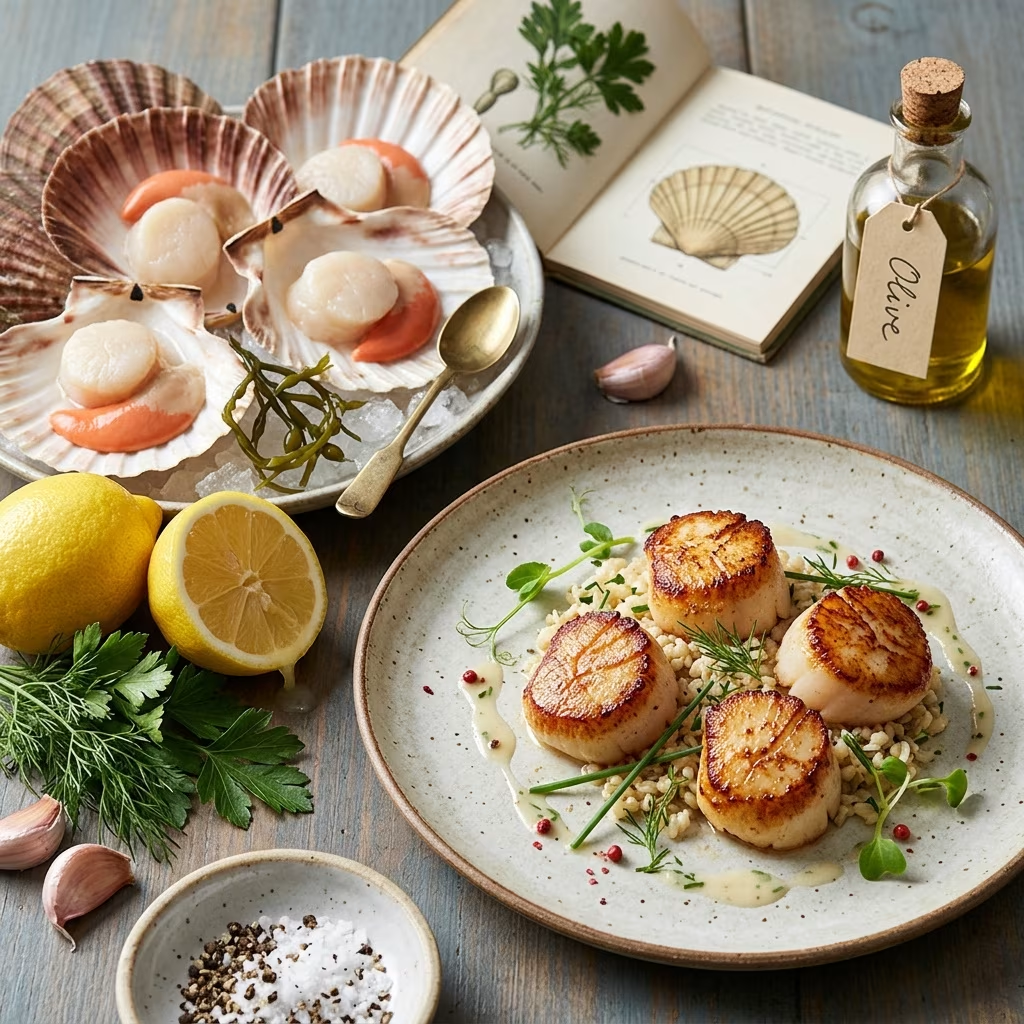
Scallop Guide: Nutrition, Benefits, Culinary Uses, and Taste
What Are Scallops?
Scallops are marine bivalve molluscs of the family Pectinidae, found in oceans worldwide. They possess two hinged shells, which are often fan-shaped and decorated with fluted edges, making them distinctive and sometimes collected as beach souvenirs. Unlike many other bivalves, scallops are notable for their ability to swim short distances by clapping their shells together, a skill enabled by a large, central adductor muscle.
The edible part of the scallop is the adductor muscle, which is firm, tender, and slightly sweet when cooked. The muscle ranges in color from white to pink or orange, depending on the species and diet.
Types of Scallops
There are over 400 species of scallops, but a few types are especially popular in cuisine:
- Sea Scallops (Placopecten magellanicus): Large in size and harvested from the northwestern Atlantic Ocean, these are favored for their thick, meaty texture.
- Bay Scallops (Argopecten irradians): Smaller, sweeter, and harvested from bays and estuaries, primarily along the U.S. East Coast.
- Queen Scallops (Aequipecten opercularis): Found in the coastal waters of Europe, these are smaller and often served whole in their shells.
- Antillean Scallops (Bractechlamys antillarum): Thrive in Caribbean coral reefs, known for their vibrant coloration.
Nutritional Value
Scallops are a nutrient-dense seafood choice. A 3-ounce (85g) serving typically contains:
| Nutrient | Amount |
|---|---|
| Calories | 75–80 |
| Protein | 17–20g |
| Fat | 0.5–1g |
| Vitamin B12 | 30% DV |
| Phosphorus | 20% DV |
| Selenium | 25% DV |
| Omega-3 Fatty Acids | 500mg |
Scallops are low in calories and fat, high in protein, and a good source of several essential vitamins and minerals, including vitamin B12, phosphorus, and selenium.
Health Benefits
- Heart Health: Scallops contain omega-3 fatty acids, which are known to support cardiovascular health by reducing inflammation and supporting healthy cholesterol levels.
- Protein Source: High in lean protein, scallops contribute to muscle repair and satiety, making them a smart choice for weight management.
- Brain Function: Rich in vitamin B12, scallops help maintain cognitive function and nerve health.
- Antioxidant Properties: Selenium acts as an antioxidant, protecting cells from oxidative stress.
- Low Mercury: Unlike some larger fish, scallops tend to have lower mercury content, making them a safer seafood option.
Culinary Uses
Scallops are prized for their versatility in the kitchen. They can be prepared in numerous ways, including:
- Searing: Quick searing in a hot pan brings out their natural sweetness and creates a caramelized crust.
- Grilling: Skewered or directly on the grill, scallops absorb smoky flavors and retain moisture.
- Poaching: Delicate poaching keeps them tender, often used in creamy seafood stews.
- Raw (Ceviche, Sushi): Fresh, raw scallops are featured in raw preparations, with a clean, ocean-fresh taste.
- Baked or Broiled: Often topped with breadcrumbs or herbs, then cooked under high heat.
Scallops pair well with mild, creamy sauces, citrus, herbs (such as thyme and parsley), and other seafood. They are a staple in Mediterranean, Asian, and American cuisines.
Taste and Cooking Tips
Scallops have a mild, sweet, and slightly briny flavor, often described as more delicate than oysters or clams and occasionally compared to lobster or crab. Their tender, buttery texture when cooked makes them approachable for both seafood enthusiasts and those new to shellfish.
To make the most of scallops:
- Choose dry-packed scallops (without added water) for better searing.
- Pat dry before cooking to ensure a crispy exterior.
- Avoid overcooking, as scallops become rubbery; aim for an internal temperature just opaque.
- Consider marinades with citrus, garlic, or soy for added depth.
Frequently Asked Questions
Is it safe to eat scallops raw?
Yes, scallops can be eaten raw if they are extremely fresh and handled properly—commonly used in sushi and ceviche.
How do I clean scallops before cooking?
Rinse under cold water and remove the small, tough “foot” muscle on the side if present. Most scallops are sold ready to cook.
Why do some scallops taste fishy?
Off-flavors usually indicate poor freshness or improper storage. Fresh scallops should smell like the sea, not overly fishy.
How do I store fresh scallops?
Keep refrigerated and consume within 1–2 days. For longer storage, freeze them in an airtight container.
Are scallops sustainable?
Many scallop fisheries are managed sustainably, but it’s best to check for certifications like Marine Stewardship Council (MSC).
Can I eat the whole scallop, including the roe?
While the main muscle is commonly eaten, the roe (sometimes called the “coral”) is edible and considered a delicacy in some cuisines.
What is the difference between bay and sea scallops?
Bay scallops are smaller, sweeter, and tender, while sea scallops are larger and have a firmer, meatier texture.
Can people with shellfish allergies eat scallops?
Generally, no—scallops are shellfish, so those with such allergies should avoid them.
By understanding the biology, nutrition, and culinary potential of scallops, you can enjoy them as a healthy, flavorful, and versatile addition to your diet. Whether seared, grilled, or served raw, scallops offer a unique taste experience that’s easy to love for seafood fans and newcomers alike.
References
- https://www.webstaurantstore.com/blog/4526/what-are-scallops.html
- https://en.wikipedia.org/wiki/Scallop
- https://kids.britannica.com/kids/article/scallop/600570
- https://www.issc.org/consumer-information/scallops
- https://study.com/academy/lesson/scallops-anatomy-habitat-facts.html
- https://docksidehhi.com/all-of-your-scallop-questions-answered/


