


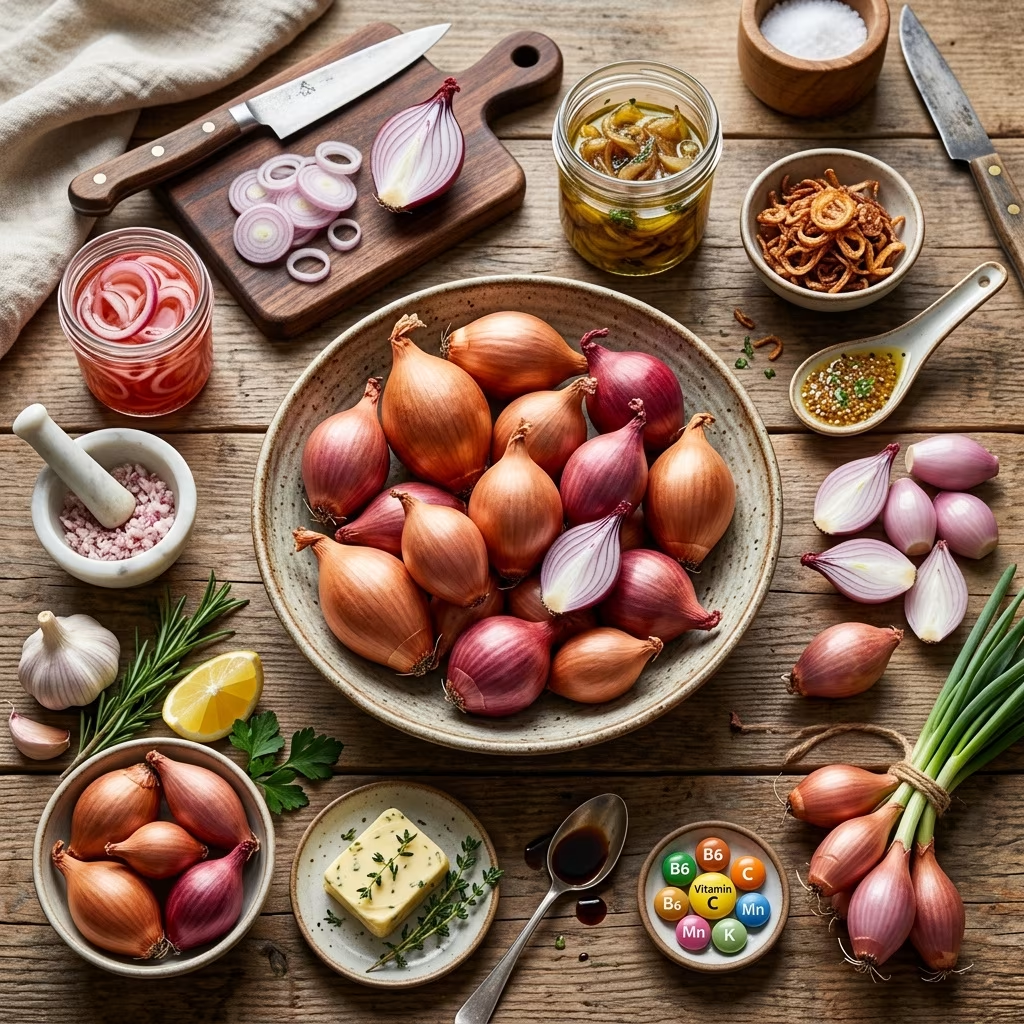
Shallots are one of the most cherished ingredients in modern and traditional cuisine alike, belonging to the same family as onions and garlic. With a flavor profile praised for its subtle sweetness and aromatic complexity, shallots not only enhance dishes but also bring an array of health benefits. This in-depth guide will explore the origins, characteristics, nutritional value, health boosts, culinary applications, types, and frequently asked questions about shallots, providing everything you need to know to appreciate and use this versatile bulb.
Introduction to Shallots
Shallots (Allium cepa var. aggregatum) are small, bulb-forming vegetables in the allium family, related botanically to common onions, garlic, and leeks. With their delicate yet complex flavor, shallots are a staple in both home kitchens and professional restaurants worldwide. Noted for their versatility and nutritional value, shallots offer a mild, sweet twist compared to onions, making them an essential pantry ingredient for enhancing dishes from salads to sauces.
Botanical Background and History
Part of the Amaryllidaceae family, shallots share lineage with other allium vegetables. Historically, shallots were once classified as a distinct species (Allium ascalonicum), with their current botanical name as a variety of the common onion (Allium cepa). The name ‘shallot’ derives from Ascalon, an ancient city in Israel, indicating their importance in Mediterranean cuisine and trade.
- Family: Amaryllidaceae (Onion/Garlic family)
- Genus: Allium
- Common Group: Multiplier onion subgroup
- Growth Habit: Forms clusters of bulbs, known as “offsets,” similar to garlic but with concentric layers like onions.
Appearance and Description
Shallots are visually distinguished by their:
- Shape: Small, football- or teardrop-shaped bulbs, often elongated and tapered at both ends.
- Skin: Thin, papery skin in colors ranging from golden brown, copper, gray to rose-red.
- Flesh: Light pink-purple or off-white tinged with green or magenta layers.
- Size: Varies between varieties, generally smaller than most onion bulbs.
- Bulb Structure: Grows as clusters, with each cluster yielding several small bulbs per plant.
When peeled, shallots resemble small onions in cross-section, with layers that centralize towards a small heart. The number of cloves inside can vary, with larger bulbs occasionally containing up to six segments.
Taste Profile of Shallots
The hallmark of shallots is their unique and complex flavor:
- Raw taste: Crisp, mildly spicy, and astringent with a fragrant bite, yet softer than raw onion.
- Cooked taste: Delicate, sweet, deep, and caramelized with gentle savory notes reminiscent of both onion and garlic.
- Comparison: Best described as a cross between a mild onion and subtle garlic, providing a mellow, acidic pop that is neither overpowering nor bland.
This flavor profile makes shallots ideal for recipes where a less abrasive allium note is desirable, enhancing but not masking other ingredients.
Types and Varieties of Shallots
There are several notable varieties of shallots cultivated and prized for culinary use:
- French Gray Shallot (Griselle): Elongated with gray skin and purple flesh, appreciated for its pungency and sophistication in both raw and cooked applications.
- Prisma Shallot: Glossy, deep pink skin, easy to grow and widely available in supermarkets. Mild, making it a common choice for everyday use.
- Jersey Shallot (Pink Shallot): Robust, round, and rose-colored, with a crisp and mild profile. Frequently used raw as a garnish or in salads.
- Echalion (Banana Shallot): Large, elongated, single-bulb variety; a hybrid between a shallot and a sweet onion, known for its single, substantial clove and subtle flavor.
Globally, over a dozen commercial varieties exist, each subtly unique in appearance and flavor nuances.
Nutritional Value
Shallots are not only flavorful but also bring notable nutritional benefits:
| Nutrient (per 100g raw) | Content | % Daily Value |
|---|---|---|
| Water | 80g | – |
| Carbohydrate | 17g | – |
| Protein | 2.5g | – |
| Fat | 0.1g | – |
| Calories | 72 kcal | – |
| Vitamin B6 | 0.345 mg | 27% |
| Manganese | 0.292 mg | 14% |
| Vitamin C | 8 mg | 10% |
In addition, shallots are a source of dietary fiber, flavonoids, and antioxidants, contributing to overall health and wellness.
Health Benefits of Shallots
Shallots are valued not only for taste but also for a range of potential health benefits:
- Rich in Antioxidants: Shallots contain compounds such as quercetin and allicin that help to fight free radicals and reduce oxidative stress.
- Support Immune Health: Shallots provide a vitamin C boost, aiding immune system function and resistance to infections.
- Anti-inflammatory Properties: As with other alliums, shallots contain sulfur compounds believed to reduce inflammation and possibly lower the risk of chronic diseases.
- Potential Heart Health Benefits: Regular consumption of allium vegetables, including shallots, may help lower blood pressure and cholesterol levels, reducing the risk of cardiovascular issues.
- Blood Sugar Management: Some evidence suggests that compounds in shallots support healthy blood sugar regulation.
- Digestive Health: Their fiber content aids digestion and supports gut health.
These benefits combine to make shallots a smart choice for anyone seeking to enhance both flavor and nutrition in their diet.
Culinary Uses of Shallots
Shallots are exceptionally versatile in the kitchen, lending themselves to many culinary uses:
- Raw in Salads: Finely sliced or diced, they provide a mellow, crisp bite in green, potato, and grain salads.
- Sauces and Dressings: Essential in vinaigrettes, gremolata, béarnaise, and compound butters, offering gentle pungency and subtle sweetness.
- Marinades: Their aromatic qualities permeate meats and fish during marination.
- Stir-Fries and Sautés: Caramelized shallots form the foundation for many Asian and French dishes, ranging from stir-fried vegetables to coq au vin.
- Pickled: Quick-pickled shallots add a zesty note to tacos, sandwiches, and charcuterie boards.
- Main Ingredient: Shallots can be roasted whole, fried for crispy garnishes, or used to infuse oils and broths.
Shallots are a chef’s favorite because their flavor deepens, sweetens, and becomes silky when sautéed or roasted, but they never overpower dishes the way raw onions sometimes can. Their ability to harmonize with both robust and delicate ingredients is unmatched in the allium family.
Shallot vs. Onion vs. Garlic: A Comparison
| Characteristic | Shallot | Onion | Garlic |
|---|---|---|---|
| Flavor (Raw) | Mild, sweet, garlicky | Pungent, sharp | Hot, spicy |
| Flavor (Cooked) | Sweet, aromatic, subtle depth | Sweet, less pungent, can overpower dishes | Nutty, mellow |
| Structure | Multiple small cloves in clusters | Single, layered bulb | Multiple cloves in head |
| Common Uses | Salads, sauces, garnishes | Bases, soups, roasts | Marinades, roasts, seasoning |
| Overpowering Potential | Rarely | Can be high | Can be very high raw |
Storing and Selecting Shallots
To maximize flavor and shelf life, follow these guidelines:
- Select: Choose dry, firm, unblemished shallots with tight skin. Avoid soft spots or visible sprouting.
- Store: Keep shallots in a cool, dry, dark, well-ventilated area. Do not refrigerate whole, unpeeled bulbs, as they may become mushy.
- Shelf Life: Properly stored, shallots can last for several weeks.
- After Cutting: Wrap and refrigerate cut shallots, using within a few days for optimal freshness and aroma.
Cultivation and Growing Shallots
Shallots are a favorite in kitchen gardens due to their ease of cultivation and productive yields:
- Zones: Hardy in USDA zones 4–10.
- Soil: Well-drained, pH 6.0–6.5, rich in organic matter. Avoid recently manured beds.
- Planting: In mild climates, plant offsets in autumn; otherwise, plant in early spring. Shallots multiply by forming clusters in the ground like garlic, but have layered bulbs like onions.
- Sun: Full sun recommended for best bulb development.
- Harvest: Typically harvested in summer, about 110–120 days after planting. Look for yellowing, falling leaves as a sign of maturity.
- Pests: Watch for leek moth larvae and other allium pests.
Frequently Asked Questions on Shallots
Q: Are shallots and onions interchangeable in recipes?
A: Shallots can often be substituted for onions in recipes requiring a milder, sweeter flavor. However, their unique taste is best highlighted when used as called for in a dish.
Q: Which part of the shallot do you use?
A: The bulb is used for cooking, while the tender green shoots (sometimes called ‘scallions’ in mislabeling) can be used as a garnish, similar to chives.
Q: How do you peel and prepare a shallot?
A: Slice off the root and tip, then peel away the papery skin. If the bulb contains multiple cloves, separate and peel each clove before chopping or slicing as needed.
Q: Can you eat shallots raw?
A: Yes. Their milder flavor makes them ideal for raw use in dressings, salsas, and salads.
Q: Why do chefs prefer shallots to onions for certain dishes?
A: Chefs value shallots for their subtlety, natural sweetness, and ability to enrich sauces and delicate preparations without overwhelming other flavors. They contribute a well-rounded, complex aroma to dressings and cooked dishes alike.
Conclusion
Shallots are more than just a kitchen staple—they are a versatile ingredient known for their delicate sweetness, subtle garlic undertones, and nutritional benefits. Whether used raw, sautéed, or caramelized, shallots add a sophisticated depth of flavor to culinary creations around the world. By understanding how to select, prepare, and cook with shallots, anyone can unlock new levels of savor and complexity in home cooking.
References
- https://www.webstaurantstore.com/blog/4918/what-is-a-shallot.html
- https://txmg.org/hendersonmg/plant-library/onion-shallot/
- https://en.wikipedia.org/wiki/Shallot
- https://specialtyproduce.com/produce/Shallots_909.php
- https://www.cookinghub.com/recipe-ingredient/shallot/
- https://www.masterclass.com/articles/what-is-a-shallot
- https://recipes.howstuffworks.com/shallots.htm


