


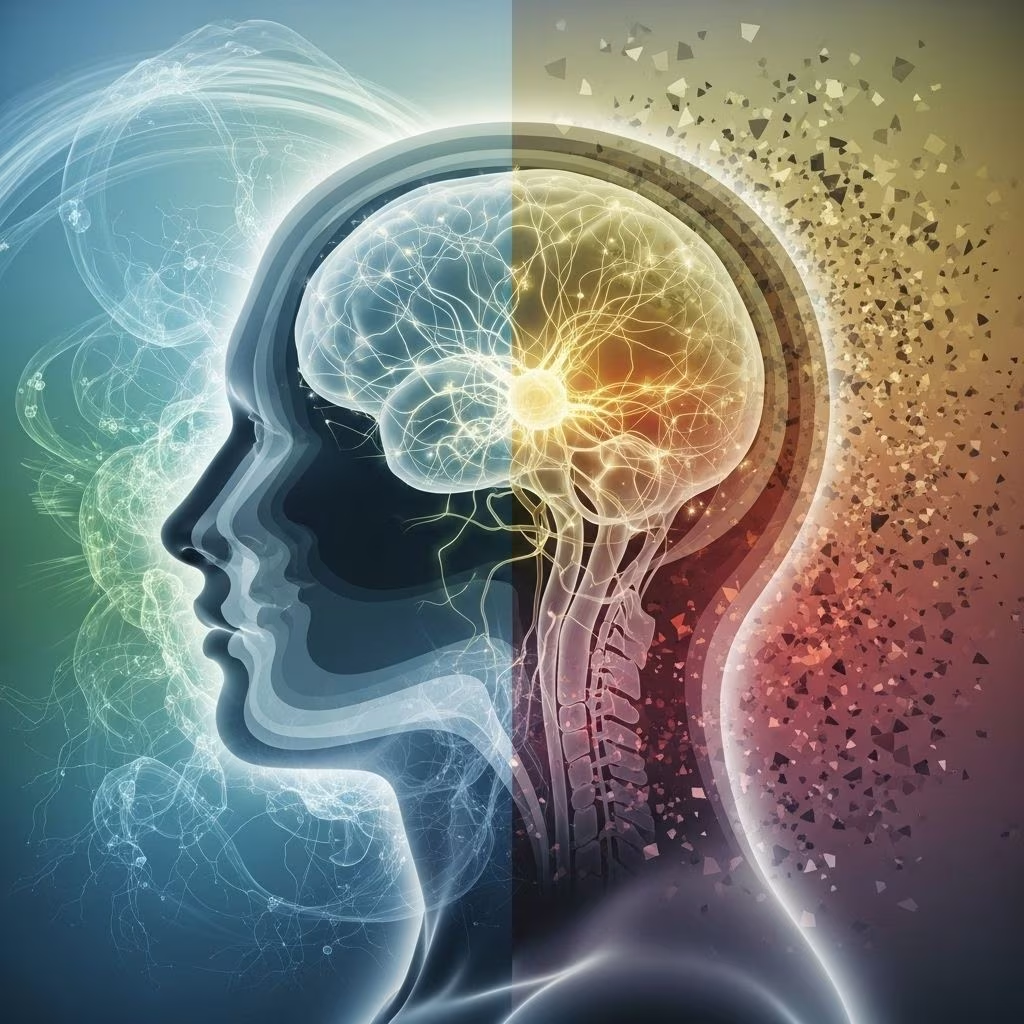
Comprehensive Guide to Psychological Disorders
Psychological disorders, also referred to as mental disorders or mental illnesses, encompass a broad spectrum of conditions characterized by significant disruptions in thinking, emotion, or behavior. These disorders can hinder individuals’ ability to function in day-to-day life, affect relationships, and reduce overall well-being. Understanding the categories and specific types of psychological disorders is crucial for fostering awareness, promoting early intervention, and encouraging compassionate responses toward those affected.
Common Categories of Psychological Disorders
The field of psychology recognizes several major categories of mental disorders, each with distinct features. The following overview is aligned with the Diagnostic and Statistical Manual of Mental Disorders (DSM-5) and leading mental health organizations:
- Anxiety Disorders
- Mood Disorders
- Psychotic Disorders
- Eating Disorders
- Impulse Control and Addiction Disorders
- Personality Disorders
- Obsessive-Compulsive and Related Disorders
- Post-Traumatic Stress and Stressor-Related Disorders
- Dissociative Disorders
- Neurodevelopmental Disorders
- Somatic Symptom and Related Disorders
- Sleep-Wake Disorders
Anxiety Disorders
Anxiety disorders involve excessive fear or anxiety and related behavioral disturbances. The hallmark of these disorders is persistent, intense, and irrational fear or worry that interferes with daily functioning.
- Generalized Anxiety Disorder (GAD): Characterized by chronic, exaggerated worry and tension, often without a specific cause.
- Panic Disorder: Recurrent panic attacks—brief episodes of intense fear, discomfort, or a sense of impending doom, often accompanied by physical symptoms such as shortness of breath or heart palpitations.
- Social Anxiety Disorder (Social Phobia): Intense fear of social situations or being judged by others.
- Specific Phobias: Irrational and persistent fears of specific objects or situations, such as heights, animals, or flying.
- Agoraphobia: Fear of situations where escape may be difficult, often leading to avoidance of crowds or public spaces.
- Separation Anxiety Disorder: Excessive fear concerning separation from attachment figures, more common in children but also present in adults.
Mood Disorders
Mood disorders (also known as affective disorders) are marked by disruptions in one’s emotional state, often producing prolonged periods of extreme happiness, sadness, or both.
- Major Depressive Disorder: Persistent sadness, loss of interest in activities, and various physical and cognitive symptoms impacting daily functioning.
- Bipolar Disorder: Characterized by alternating episodes of mania (periods of extreme energy, irritability, or euphoria) and depression.
- Cyclothymic Disorder: Chronic fluctuating mood with periods of mild depression and hypomania not meeting criteria for bipolar disorder.
- Dysthymia (Persistent Depressive Disorder): A chronic form of depression with long-lasting low mood.
- Premenstrual Dysphoric Disorder: Severe symptoms of depression, irritability, and tension before menstruation.
Psychotic Disorders
Psychotic disorders involve distorted thinking, perceptions, and a loss of contact with reality. Hallucinations (seeing or hearing things not present) and delusions (false beliefs) are key features.
- Schizophrenia: Chronic, severe disorder affecting thinking, feeling, and behavior; common symptoms include hallucinations, delusions, disorganized speech, and impaired daily functioning.
- Schizoaffective Disorder: Symptoms of schizophrenia coupled with mood disorder symptoms (depression or mania).
- Brief Psychotic Disorder: A short period of psychotic symptoms, often in response to stress.
- Delusional Disorder: Persistent delusions without other major symptoms of psychosis.
- Schizophreniform Disorder: Symptoms resemble schizophrenia but last less than six months.
Eating Disorders
Eating disorders are characterized by severe disturbances in eating behavior and related thoughts and emotions.
- Anorexia Nervosa: Intense fear of gaining weight, refusal to maintain a healthy body weight, and distorted body image.
- Bulimia Nervosa: Recurrent binge eating followed by compensatory behaviors like vomiting, fasting, or excessive exercise.
- Binge-Eating Disorder: Repeated episodes of uncontrolled eating without compensatory behaviors common in bulimia.
- Other Specified Feeding or Eating Disorders (OSFED): Includes disorders that do not meet full criteria for the above but are still clinically significant.
Impulse Control and Addiction Disorders
Impulse control disorders and addiction disorders involve problems in self-control of emotions and behaviors. Individuals may repeatedly act on impulses that are harmful to themselves or others.
- Impulse Control Disorders: Includes conditions such as kleptomania (compulsive stealing), pyromania (setting fires), and intermittent explosive disorder (sudden aggressive outbursts).
- Addiction Disorders (Substance Use Disorders): Involves dependence on alcohol, drugs, or other substances, leading to significant impairment or distress.
- Behavioral Addictions: Non-substance-related problems such as gambling disorder, internet gaming disorder, or compulsive shopping.
Personality Disorders
Personality disorders consist of enduring patterns of inner experience and behavior deviating from cultural expectations, pervasive, inflexible, and leading to distress or impairment.
- Borderline Personality Disorder: Instability in moods, identity, relationships, and self-image.
- Antisocial Personality Disorder: Disregard for others, violation of social norms, impulsivity, and often criminal behavior.
- Narcissistic Personality Disorder: Grandiosity, need for admiration, lack of empathy.
- Obsessive-Compulsive Personality Disorder: Preoccupation with orderliness, perfectionism, and control (distinct from OCD).
- Schizoid Personality Disorder: Detachment from social relationships, limited emotional expression.
- Avoidant, dependent, histrionic, and other personality disorders: Affect interpersonal functioning and self-perception in distinctive ways.
Obsessive-Compulsive and Related Disorders
Obsessive-Compulsive Disorder (OCD) and related conditions are marked by recurrent, unwanted thoughts (obsessions) and repetitive behaviors (compulsions).
- Obsessive-Compulsive Disorder (OCD): Repeated, intrusive thoughts and ritualistic behaviors aimed at reducing anxiety.
- Body Dysmorphic Disorder: Preoccupation with perceived defects or flaws in appearance.
- Hoarding Disorder: Persistent difficulty discarding or parting with possessions, resulting in cluttered living areas.
- Trichotillomania (Hair-Pulling Disorder) and Excoriation (Skin-Picking) Disorder: Repetitive behaviors centered around removing hair or picking skin.
Post-Traumatic Stress and Stressor-Related Disorders
Post-Traumatic Stress Disorder (PTSD) and related conditions result from exposure to traumatic or stressful events.
- Post-Traumatic Stress Disorder (PTSD): Persistent, distressing symptoms following trauma, including flashbacks, avoidance, and emotional numbness.
- Acute Stress Disorder: Similar symptoms as PTSD but occur within a shorter time frame after the traumatic event.
- Adjustment Disorders: Emotional or behavioral symptoms in response to specific stressors inconsistent with normal adjustment.
Dissociative Disorders
Dissociative disorders involve a disconnection or disruption in consciousness, memory, identity, or perception.
- Dissociative Identity Disorder: Presence of two or more distinct identities or personalities within a single individual.
- Dissociative Amnesia: Inability to recall important personal information, usually of a traumatic nature.
- Depersonalization/Derealization Disorder: Symptoms of feeling detached from oneself or one’s environment.
Neurodevelopmental Disorders
Neurodevelopmental disorders are usually first diagnosed in infancy, childhood, or adolescence. They involve developmental deficits that impact cognitive, behavioral, and emotional functioning.
- Autism Spectrum Disorder (ASD): Persistent deficits in social communication and restricted, repetitive behaviors.
- Attention-Deficit/Hyperactivity Disorder (ADHD): Inattention, hyperactivity, and impulsivity inconsistent with age or development.
- Intellectual Disability: Below-average intellectual functioning and adaptive behaviors.
- Specific Learning Disorders: Difficulty learning and using academic skills, such as reading (dyslexia), writing, or mathematics.
- Communication Disorders: Difficulties in speech, language, or communication.
- Motor Disorders: Problems with movement coordination, such as developmental coordination disorder or tic disorders.
Somatic Symptom and Related Disorders
These disorders concern the experience of physical symptoms that cannot be fully explained by a medical condition. Psychological factors play a significant role.
- Somatic Symptom Disorder: Preoccupation with physical symptoms causing distress and impairment, disproportionate to any medical explanation.
- Illness Anxiety Disorder: Excessive worry about having or acquiring serious illness despite limited or no physical symptoms.
- Conversion Disorder (Functional Neurological Symptom Disorder): Neurological symptoms (e.g., paralysis, blindness) inconsistent with medical findings.
- Factitious Disorder: Falsification of physical or psychological symptoms for no obvious external reward.
Sleep-Wake Disorders
Sleep-wake disorders impair sleep quality, timing, or duration, negatively affecting daytime functioning.
- Insomnia Disorder: Chronic difficulty falling or staying asleep.
- Narcolepsy: Irresistible episodes of sleep during the day and sudden loss of muscle tone (cataplexy).
- Restless Legs Syndrome: Uncomfortable sensation in legs, creating urge to move them, interfering with sleep.
- Parasomnias: Abnormal behaviors or physiological events during sleep, such as sleepwalking or night terrors.
Other Important Categories and Disorders
- Developmental Coordination Disorder: Motor skills impairment affecting daily activities.
- Gender Dysphoria: Distress related to a mismatch between assigned sex and experienced gender.
- Neurocognitive Disorders: Cognitive decline from a previous level of functioning (e.g., Alzheimer’s disease, dementia).
- Tic Disorders: Sudden, repetitive, nonrhythmic movements or vocalizations, such as Tourette’s Disorder.
Table: Core Categories of Mental Disorders (DSM-5)
| Category | Examples |
|---|---|
| Anxiety Disorders | GAD, Panic Disorder, Specific Phobias |
| Mood Disorders | Major Depression, Bipolar Disorder |
| Psychotic Disorders | Schizophrenia, Schizoaffective Disorder |
| Eating Disorders | Anorexia Nervosa, Bulimia Nervosa |
| Impulse-Control and Addiction | Kleptomania, Pyromania, Gambling Disorder |
| Personality Disorders | Borderline, Antisocial, Narcissistic |
| OCD and Related | OCD, Body Dysmorphic, Hoarding |
| Trauma & Stressor-Related | PTSD, Acute Stress, Adjustment Disorders |
| Dissociative Disorders | Dissociative Identity, Amnesia |
| Neurodevelopmental Disorders | Autism, ADHD, Intellectual Disability |
| Somatic Symptom | Somatic Symptom Disorder, Conversion Disorder |
| Sleep-Wake Disorders | Insomnia Disorder, Narcolepsy |
Frequently Asked Questions (FAQs)
Q: What causes psychological disorders?
A: Psychological disorders can arise from a combination of genetic, biological, environmental, and psychological factors. Brain chemistry, trauma, stress, and family history play crucial roles in the development of these conditions.
Q: How are mental disorders diagnosed?
A: Mental health professionals use structured interviews, clinical observations, and criteria from the DSM-5 or ICD-11 to assess symptoms and make accurate diagnoses. Diagnosis considers medical, psychological, and social factors.
Q: Are psychological disorders treatable?
A: Yes. Treatment varies by disorder, but most psychological disorders improve with evidence-based therapies, such as psychotherapy (including cognitive-behavioral therapy), medications, lifestyle modifications, or a combination.
Q: Can psychological disorders be prevented?
A: While not all mental health conditions can be prevented, early intervention, managing stress, fostering healthy habits, and creating supportive environments can reduce risk factors and help manage symptoms.
Q: What is the difference between a mental illness and a psychological disorder?
A: The terms are largely interchangeable in most contexts. Both refer to health conditions involving changes in emotion, thinking, or behavior (or a combination) and are associated with distress and impaired functioning.
Resources and Support
If you or someone you know is experiencing symptoms of a psychological disorder, it is essential to reach out to a qualified mental health professional. Many resources, such as the National Institute of Mental Health (NIMH), World Health Organization (WHO), and local mental health services, provide information and support for individuals and families affected by mental illness.
References
- https://mentalhealthcenter.com/alphabetical-list-of-mental-disorders/
- https://www.webmd.com/mental-health/mental-health-types-illness
- https://en.wikipedia.org/wiki/Classification_of_mental_disorders
- https://www.who.int/news-room/fact-sheets/detail/mental-disorders
- https://www.betterhealth.vic.gov.au/health/servicesandsupport/types-of-mental-health-issues-and-illnesses
- https://my.clevelandclinic.org/health/diseases/22295-mental-health-disorders
- https://www.psychiatry.org/File%20Library/Psychiatrists/Practice/DSM/APA_DSM-5-Contents.pdf
- https://www.nimh.nih.gov/health/topics


