


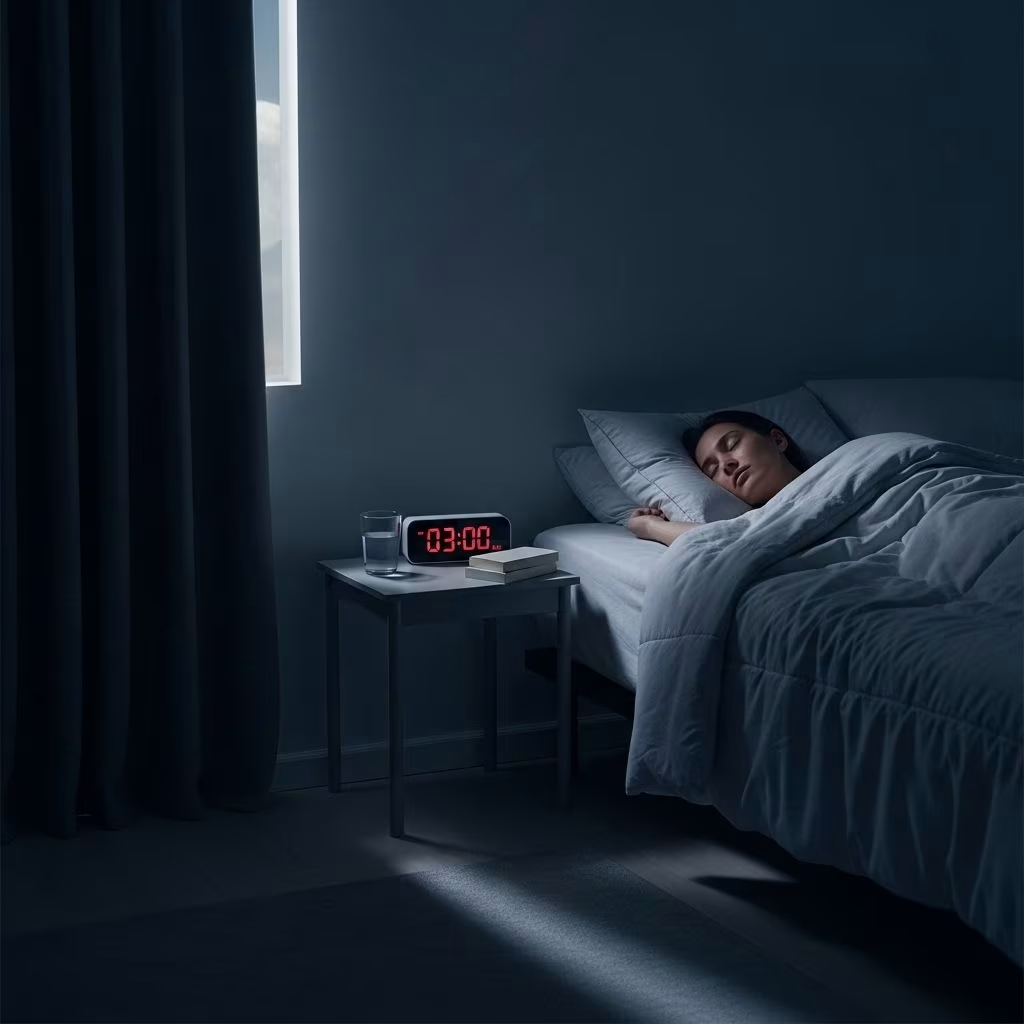
Millions of people worldwide have trouble falling asleep, often lying awake for long stretches despite feeling exhausted. The military sleep method is gaining attention for its bold claim: with practice, it can help you fall asleep in as little as two minutes. Developed for soldiers under pressure, this technique blends progressive muscle relaxation, deep breathing, and guided imagery to rapidly induce a relaxed, sleep-ready state. This article delves into its history, scientific underpinnings, detailed steps, benefits, potential limitations, and expert sleep tips for truly restful nights.
What Is the Military Sleep Method?
The military sleep method is a systematic relaxation technique designed to help people fall asleep quickly, even in stressful or uncomfortable settings. It combines a series of simple actions—mostly performed while lying in bed—that calm the body and quiet the mind. Originally created for military personnel operating in unpredictable environments, this routine is now being adopted by civilians seeking better, faster sleep.
Origins and Purpose
This technique is believed to have emerged during World War II, reportedly developed for U.S. Navy pilots and Army soldiers so they could maximize rest when opportunities arose. In such high-stress scenarios, missing valuable sleep could mean reduced focus and performance—or even danger on the field. Bud Winter, an Olympic coach with a background in sports psychology, first brought the technique widespread attention in his book Relax and Win: Championship Performance, helping athletes and the general public learn to relax and perform under pressure. While its current use within military training is uncertain, its reputation has soared as social media and wellness circles started touting its quick results for insomniacs and restless sleepers.
Science Behind the Military Sleep Method Techniques
While the military sleep method as a whole has not been rigorously studied in clinical settings, its individual components—progressive muscle relaxation, deep breathing, and visualization—are all backed by scientific research for their beneficial effects on sleep and anxiety.
- Progressive Muscle Relaxation (PMR): This technique involves systematically tensing and relaxing different muscle groups, significantly reducing physiological arousal and making it easier for the mind and body to transition to sleep.
- Deep Breathing: Deep, diaphragmatic breathing has been shown to activate the parasympathetic nervous system, slowing the heart rate and promoting a sense of calm that is crucial for sleep onset.
- Visualization: Guided imagery helps shift focus from racing thoughts and worries, engaging the brain’s “relaxation response” and preparing the groundwork for restful sleep.
Each element in the method is a recognized tool for relaxation and stress management, making their combination a powerful sleep aid—even in challenging environments.
Step-By-Step Guide: How Does the Military Sleep Method Work?
The military sleep method provides a structured set of steps intended to unwind both the mind and body before bed. Practicing these steps regularly increases their effectiveness, making them a reliable tool for most sleepers.
- Get Comfortable and Relax Your Face
- Lie flat on your back. Close your eyes and allow yourself to get comfortable.
- Begin at the very top—relax your forehead, moving slowly down. Release tension in your eyebrows, temples, eyes, cheeks, mouth, jaw, and even your tongue.
- Notice any muscle stiffness and consciously let it go; the aim is complete facial relaxation.
- Drop Your Shoulders and Arms
- Allow your shoulders to physically drop, creating a sense of heaviness in your upper body.
- Relax each upper arm, forearm, hand, and individual finger, one at a time.
- If tension lingers, gently tense a muscle group for a moment, then let go. Repeat as needed.
- Relax Your Torso and Legs
- Focus next on your chest and core. Let your chest, belly, and hips sink into the mattress with each exhale.
- Allow your thighs, knees, shins, calves, ankles, and feet to relax sequentially. Feel your legs getting heavier and softer.
- Breathe Deeply and Slowly
- Take slow, even breaths. Inhale deeply through your nose, feeling your lungs and abdomen expand.
- Exhale gently through your mouth or nose, fully releasing the air and tension with each out-breath.
- Count your breaths or simply focus on the physical sensations of each inhale and exhale.
- Clear Your Mind
- Mentally picture yourself in a peaceful scene—imagine floating in a canoe on a calm lake or lying beneath a softly swaying canopy of leaves.
- If distracting thoughts arise, acknowledge them and gently redirect focus back to your breath or your relaxing mental image.
- Some practitioners repeat a short, neutral phrase such as “don’t think” for ten seconds to help block intrusive thoughts.
- If Sleep Doesn’t Come Immediately, Repeat the Process
- Every step can be cycled through again, deepening the relaxation and making it easier to slip into sleep with practice.
Does the Military Sleep Method Really Help You Fall Asleep in Two Minutes?
Online claims suggest up to 96% of users can master the military sleep method and fall asleep in under two minutes within six weeks of practice. However, no rigorous scientific studies have validated such rapid results across everyone. While many people experience improvements after consistent use, the two-minute statistic is likely an exaggeration—a mix of anecdote and hype. Still, the core techniques (progressive relaxation, deep breathing, body scanning) are proven to support the body in reaching a deeply relaxed, pre-sleep state more efficiently than lying awake while tense and anxious. People with chronic insomnia or other sleep disorders may need additional support beyond this method to sleep soundly.
Factors That Can Influence Success
- Practice and Consistency: Like any skill, the more frequently and consistently you practice, the more effective the military sleep method becomes.
- Sleep Environment: A cool, dark, and quiet room amplifies relaxation techniques; reduce screens, lights, and noise before bedtime for best results.
- Individual Physiology: Those with significant sleep deprivation or sleep disorders might need complementary strategies.
The Benefits of the Military Sleep Method
Beyond its potential as a rapid sleep aid, the military sleep method offers broader benefits for health and wellbeing—especially when it becomes a regular part of a wind-down routine.
- Reduces anxiety and depression symptoms: By calming the nervous system, it can help regulate mood and reduce the cognitive arousal behind restless nights.
- Alleviates stress and worry: Repeatedly practicing deep relaxation eases stress levels both at bedtime and throughout the day.
- Decreases physical tension and pain: Releasing muscle tension can make it easier to find a comfortable, pain-free resting position.
- Improves focus and concentration: Better sleep supports mental clarity and daytime alertness.
- Promotes emotional regulation: By quieting racing thoughts, it reduces irritability, frustration, and anger.
- Helps with falling asleep faster and staying asleep longer: The techniques target the major barriers to sleep—stress, intrusive thoughts, and tension.
Expert Tips to Enhance Sleep Hygiene (and Boost Results)
The military sleep method is most effective when used alongside proven sleep hygiene practices:
- Stick to a regular sleep schedule: Go to bed and wake up at the same times every day, even on weekends.
- Wind down before bed: Reduce use of electronics, avoid stimulants like caffeine or nicotine, and try to avoid emotionally charged conversations in the hour before sleep.
- Keep your bedroom cool and dark: Block out unwanted light and noise with blackout curtains or white noise machines.
- Reserve your bed for sleep: Avoid working, watching TV, or eating in bed to strengthen the mental association between your bed and sleep.
- Limit naps during the day: If you need to nap, aim for 20–30 minutes in the early afternoon.
- Exercise regularly: Physical activity promotes better sleep but avoid vigorous workouts too close to bedtime.
- Manage stress in healthy ways: Use relaxation techniques, journaling, or mindfulness in the evening to address worries ahead of bedtime.
Frequently Asked Questions (FAQs)
Does the military sleep method work for everyone?
While nearly anyone can benefit from its relaxing components, those with chronic insomnia, sleep apnea, or medical conditions impacting sleep quality may need to combine this method with professional guidance and other medical interventions.
How long does it take to see results?
Some people notice improvements within days, while most find the method gets significantly easier and more effective with 2–6 weeks of consistent practice. Don’t get discouraged if it doesn’t work instantly—persistence matters.
Can this method be used for daytime naps?
Yes, the military sleep method can help you quickly settle for a nap, which is especially useful for shift workers or those dealing with jet lag.
Is the military sleep method safe for children and older adults?
Generally, the components (deep breathing, muscle relaxation, visualization) are safe and beneficial for all ages. However, specific sleep issues in children or the elderly should be discussed with a healthcare provider for tailored advice.
What’s the main difference between the military sleep method and other relaxation routines?
The military sleep method provides a clear sequence and was specifically designed to produce rapid relaxation under stress, making it both systematic and adaptable to tough environments such as barracks or noisy dwellings.
When To Seek Help For Sleep Problems
If you consistently struggle to fall asleep, wake up frequently during the night, or experience daytime fatigue for weeks, it may be time to consult a healthcare provider. While the military sleep method can help with mild or moderate sleep troubles, persistent or severe sleep issues could be signs of insomnia, sleep apnea, restless legs syndrome, or other treatable disorders. Getting a professional assessment can help you find the most effective and safe solution for your unique needs.
Summary Table: Pros & Potential Limitations of the Military Sleep Method
| Pros | Potential Limitations |
|---|---|
| Rapid relaxation for mind and body Can be practiced anywhere Non-pharmacological and safe Improves focus, mood, and muscle relaxation Adaptable for naps and stress relief during the day | May require regular practice for greatest effect Results may vary—some people need more support Not a substitute for clinical treatment Two-minute promise not guaranteed for everyone |
Key Takeaways
- The military sleep method uses a systematic approach to relaxation—progressive muscle relaxation, deep breathing, and visualization—to prepare your body and mind for sleep in just a few minutes.
- Although the dramatic “fall asleep in two minutes” claim isn’t backed by clinical trials, the method’s components are well-supported for inducing relaxation and improving sleep quality with regular practice.
- Pairing this technique with good sleep hygiene habits offers the best chance at fast, deep, restorative sleep.
- If sleep problems persist, don’t hesitate to consult a healthcare professional for further evaluation and tailored interventions.
References
- https://uscpap.com/blogs/news/the-military-sleep-method-does-it-really-help-you-fall-asleep-in-two-minutes
- https://www.choosingtherapy.com/military-sleep-method/
- https://www.goodhousekeeping.com/health/wellness/a62120241/military-sleep-method/
- https://med.umn.edu/news/top-story-practice-military-sleep-method-fall-asleep-mere-minutes-naturally
- https://health.clevelandclinic.org/military-sleep-method
- https://timesofindia.indiatimes.com/life-style/health-fitness/health-news/what-is-the-2-minute-military-sleep-method-does-it-work-on-todays-restless-minds/amp_articleshow/124325248.cms
- https://www.calm.com/blog/navy-seal-nap
- https://bcbsm.mibluedaily.com/stories/health-and-wellness/what-is-the-military-sleep-method


