


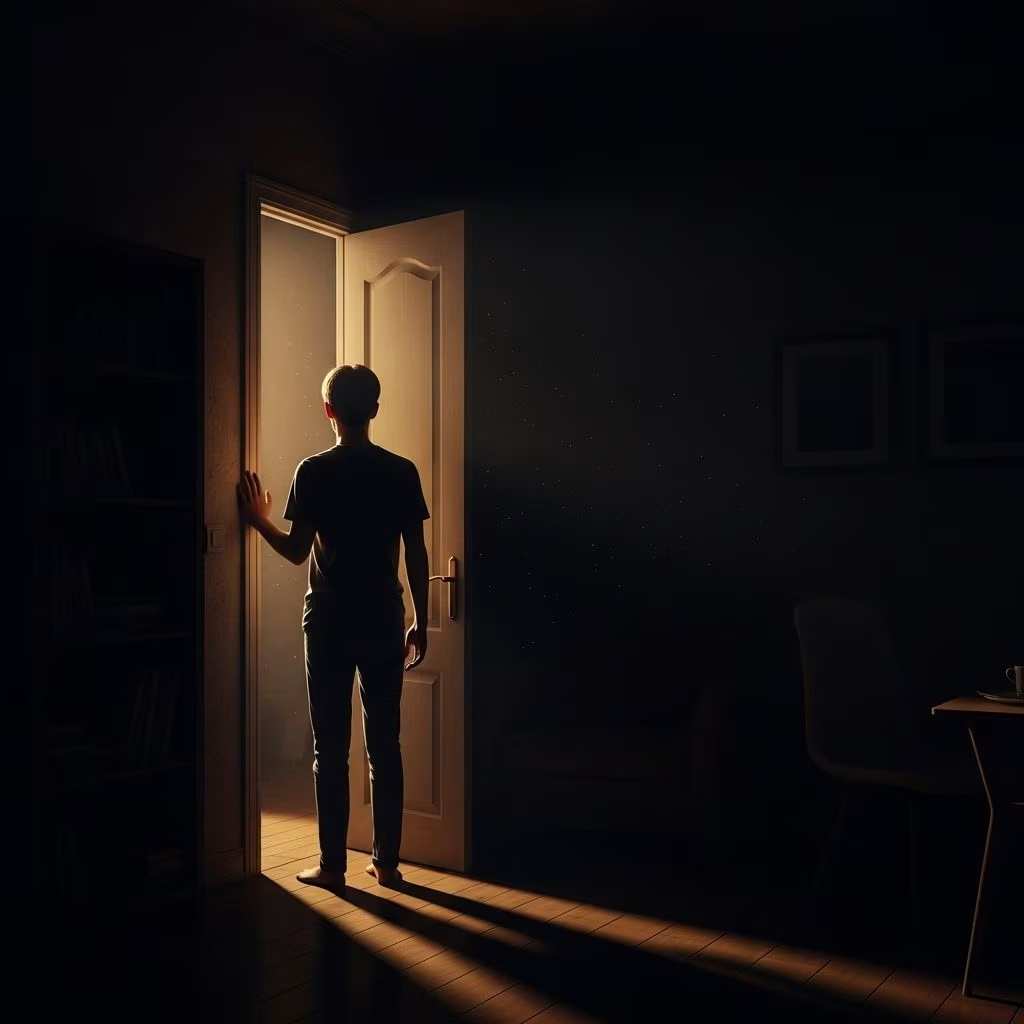
Fear of the dark is a natural part of human experience, especially common among children, but it can also persist or newly develop in adolescence and adulthood as a challenging condition known as nyctophobia.
What Is the Fear of the Dark?
Fear of the dark refers to persistent apprehension or dread triggered by darkness or situations with low or no light. It’s not always the darkness itself that is feared but instead what could be lurking unseen within it—a powerful example of how our imagination and evolutionary instincts intertwine.
Among younger children, fear of the dark is considered a normal developmental stage, typically peaking between the ages of 3 and 6. For some, however, this fear can intensify or linger, interfering significantly with daily function, sleep, and emotional well-being.
Nyctophobia: When Fear Becomes a Phobia
Nyctophobia (also called scotophobia, lygophobia, or achluophobia) is the clinical term for an extreme and irrational fear of the dark. People with nyctophobia experience marked distress or panic when in dark environments or even when anticipating darkness. The condition often leads to avoidance behaviors that disrupt daily living, social interactions, and sleep patterns.
| Situation | Normal Fear Reaction | Possible Phobia |
|---|---|---|
| Feeling uneasy with the lights off at bedtime | ✓ | |
| Missing sleep or avoiding bedtime due to darkness | ✓ | |
| Occasional worry after a scary movie | ✓ | |
| Intense panic at mere thought of being in the dark | ✓ |
Common Symptoms of Fear of the Dark
The symptoms of nyctophobia are similar to those of other anxiety-related conditions and can manifest physically and emotionally. These can be triggered by being in the dark, or simply by thoughts or anticipation of darkness.
- Physical symptoms:
- Racing heart or palpitations
- Shortness of breath or difficulty breathing
- Trembling, shaking, or tingling sensations
- Sweating, chills, or hot flashes
- Chest tightness or pain
- Dizziness or lightheadedness
- Nausea or upset stomach
- Emotional and behavioral symptoms:
- Intense feelings of anxiety or panic when in the dark
- Insistence on sleeping with lights on or refusing to go to bed
- Avoiding dark places or nighttime activities
- Extreme distress when thinking about darkness
- A strong urge to escape or leave dark environments
- Feelings of helplessness or loss of control
- Difficulty concentrating due to preoccupation with fear
Who Develops Fear of the Dark?
While it is most common in children—especially between ages 3 and 6—the fear of darkness can affect people of all ages, including adolescents and adults.
- Children: Fear of darkness is a typical part of development but can become problematic if it interrupts sleep or causes significant distress past early childhood.
- Teens and adults: Sometimes, past traumatic experiences or heightened stress can trigger or reignite fear of the dark later in life.
- Individuals with anxiety disorders: People who are prone to generalized anxiety, separation anxiety, or other specific phobias may be more susceptible to developing a persistent fear of darkness.
- Genetic and environmental factors: Family history of phobias, exposure to traumatic or frightening events, and even certain cultural influences can increase one’s risk.
Why Are We Afraid of the Dark?
There are many theories about why people fear the dark. The roots of the fear can be evolutionary, psychological, or both:
- Evolutionary perspective: For our distant ancestors, darkness posed genuine dangers—predators were more active, and humans were vulnerable without light. Our brains have evolved to associate darkness with potential threats, making vigilance in low-light conditions an ancient survival mechanism.
- Cognitive and imaginative factors: The inability to see or identify what’s around us in the dark allows our minds to conjure frightening possibilities, such as monsters, burglars, or supernatural beings.
- Traumatic experiences: A negative or frightening event that took place in darkness can lead to lasting associations and phobic reactions, especially if this occurred during childhood.
- Learned behavior: Stories, movies, or warnings from adults can instill or reinforce fear of the dark.
When Does Fear of the Dark Become a Problem?
It’s normal to feel a bit uneasy in the dark, especially in unfamiliar places. However, fear of the dark becomes problematic when it:
- Disrupts regular sleep patterns or causes insomnia
- Makes one avoid essential activities, like sleeping, going outside at night, or spending time in dim places
- Causes significant distress, anxiety, or panic attacks
- Interferes with school, work, or social life
At this point, professional evaluation may be necessary, and the condition may be diagnosed as nyctophobia.
Diagnosing Nyctophobia
Diagnosis typically involves a detailed discussion with a mental health professional about the person’s medical history, onset and duration of symptoms, the impact on daily life, and any past traumatic events.
- A clinician will try to differentiate between a developmentally appropriate fear and a phobia, which is excessive and persistent.
- Questions may probe how the fear affects routines, social interactions, or academic and work performance.
- Other mental health conditions, such as generalized anxiety disorder, depression, or post-traumatic stress disorder (PTSD), will also be considered.
Effects of Fear of the Dark
Chronic or severe fear of the dark can have wide-ranging effects:
- Sleep problems: Insomnia, trouble falling asleep, frequent waking, or nightmares. Prolonged sleep deprivation can result in daytime fatigue, impaired concentration, and reduced academic or work performance.
- Emotional distress: High anxiety levels, panic attacks, and sometimes secondary depression due to ongoing stress and fatigue.
- Social impact: Avoidance of nighttime events or activities, strain in family relationships, isolation if fear leads to refusal to leave home after dark.
- Physical health risks: Chronic stress from persistent fear can affect immune function and overall health.
How to Cope With Fear of the Dark
Whether you’re a parent helping a child or an adult seeking self-help, there are proven ways to manage and gradually reduce the impact of fear of the dark:
- Nightlights and comfort objects: Providing a subtle light source can create a sense of safety without significantly disrupting sleep.
- Bedtime routines: Establish calming pre-sleep activities, such as reading, gentle music, or relaxation exercises, to create positive associations with bedtime.
- Safe environment: Check that no frightening objects or shadows are present; rearrange the room if certain features amplify the fear.
- Gradual exposure: Slowly increase exposure to darkness in a safe, controlled manner. This systematic desensitization can retrain the brain’s response over time.
- Talk about fears: Encourage open conversations about what is scary and why. Naming and discussing fears often makes them feel less overwhelming.
- Distraction and relaxation techniques: Teach techniques such as deep breathing, visualization, or mindfulness to manage anxiety at bedtime.
Professional Treatment Options
For persistent or severe cases, several effective therapeutic approaches are available:
- Cognitive Behavioral Therapy (CBT): A leading evidence-based treatment that uses exposure, cognitive restructuring, and anxiety-reduction strategies to help individuals confront and control their fears.
- Exposure Therapy: Gradually exposes the person to darkness in a safe, supportive setting, reducing the intensity of the fear response over time.
- Play therapy: Particularly helpful for children; uses games or storytelling to explore and address underlying anxieties.
- Medication: In rare, severe cases, medication may be considered to manage anxiety or sleep issues, usually as a short-term adjunct to therapy.
- Virtual Reality Therapy: Emerging technology that allows safe, gradual desensitization to darkness and nighttime settings.
In all cases, it’s vital to seek guidance from a mental health professional for individualized care. Early intervention improves outcomes and quality of life.
Tips for Parents: Helping Your Child Overcome Fear of the Dark
- Validate their fear without reinforcing it—avoid saying their fear is “silly.” Instead, reassure them that many children feel this way and that you will help them feel safe.
- Let children set the pace when gently encouraging them to face darkness; don’t force rapid progress.
- Use bedtime stories and books that address overcoming fear of the dark.
- Stick to consistent bedtime routines to signal predictability and security.
- If the fear causes significant sleep disruption or persists for months, consult a pediatrician or child psychologist.
Frequently Asked Questions (FAQs)
Is fear of the dark normal in children?
Yes. Fear of the dark is extremely common among preschool and early school-age children. Most children outgrow this fear with reassurance, comfort, and time.
Can adults develop or retain a fear of the dark?
Absolutely. While less common, adults may experience or redevelop this fear, especially after a traumatic event, or as part of anxiety disorders, depression, or post-traumatic stress disorder.
Will sleeping with a nightlight help?
For many children and some adults, using a low-intensity nightlight helps reduce panic and anxiety long enough to fall asleep. It’s important the light is dim enough not to inhibit restful sleep.
What should I do if fear of the dark causes sleep problems?
Establish a consistent and calming bedtime routine, consider a nightlight, limit exposure to frightening media before bed, and try relaxation exercises. Seek professional help if sleep disruption persists.
Can nyctophobia be cured?
Most children naturally outgrow fear of the dark. For those with persistent nyctophobia, evidence-based therapies—especially cognitive behavioral therapy—are highly effective in reducing or eliminating symptoms.
Key Takeaways
- Fear of the dark is normal at certain developmental stages but may persist as nyctophobia, interfering with life and sleep.
- Both children and adults can experience debilitating fear of the dark, particularly after trauma or with underlying anxiety conditions.
- The most effective treatments are gradual exposure, cognitive behavioral strategies, and supportive counseling.
- Early intervention and compassionate support are the best ways to help individuals regain confidence and restful sleep.
References
- https://en.wikipedia.org/wiki/Fear_of_the_dark
- https://my.clevelandclinic.org/health/diseases/22785-nyctophobia-fear-of-the-dark
- https://www.healthline.com/health/nyctophobia
- https://www.bibalex.org/SCIplanet/en/Article/Details.aspx?id=13637
- https://www.psychologytoday.com/us/blog/inside-out-outside-in/202310/fear-of-the-dark-when-a-normal-fear-becomes-a-phobia
- https://psytechvr.com/nyctophobia-fear-of-dark


