


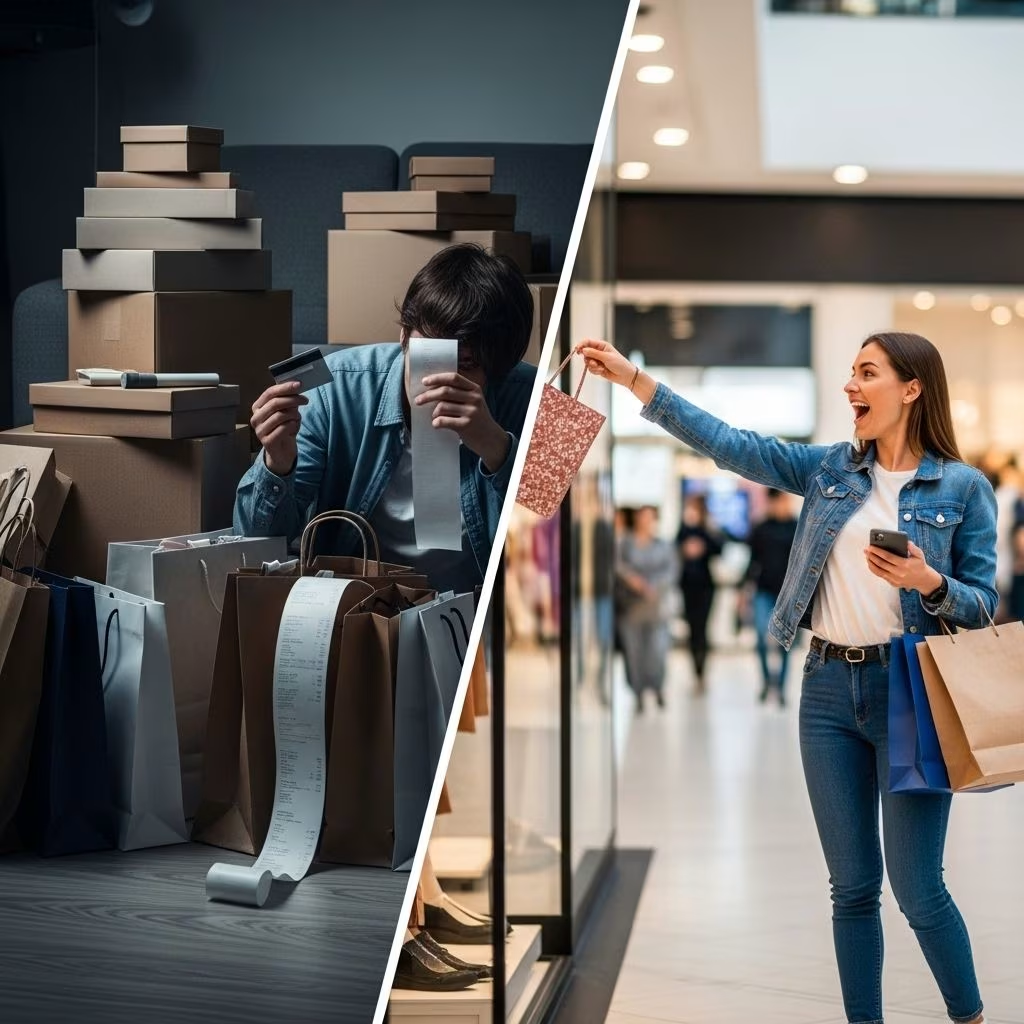
Compulsive vs. Impulsive Shopping: Decoding the Differences and Why They Matter
Shopping can provide pleasure, relief, and even a sense of reward. For many, it’s a harmless activity. For others, however, shopping can become an overpowering force that leads to distress, debt, and emotional turmoil. To understand problematic shopping habits, it’s essential to distinguish between compulsive shopping and impulsive shopping. While these terms are often used interchangeably, they describe fundamentally different behaviors, each with unique psychological roots and consequences.
Shopping as Behavior: From Recreation to Risk
For many people, shopping is a recreational activity or retail therapy—a way to indulge, to celebrate, or to cope with challenging emotions. But when shopping habits start leading to distress, financial strain, or relationship difficulties, they may signal deeper behavioral issues. Two primary patterns that can indicate problematic shopping are compulsive shopping and impulsive shopping. Understanding where healthy shopping habits end and problematic behaviors begin is the first step to regaining control.
Defining Compulsive and Impulsive Shopping
What is Compulsive Shopping?
Compulsive shopping, sometimes called “shopping addiction,” is characterized by an uncontrollable desire or urge to shop, often resulting in repetitive, excessive purchases. The behavior is typically driven by internal discomfort—such as anxiety, stress, or emotional pain. The act of shopping (and buying) serves as a temporary relief from these negative feelings, but this relief is short-lived, leading to a cycle of negative emotions and more shopping. Compulsive shoppers may spend large amounts of time and money on the activity, planning their shopping experiences and often hiding their purchases from others.
- Shopping episodes are often preplanned, with the shopper anticipating the event as a way to relieve inner tension.
- The behavior feels compulsive: the urge to shop is irresistible, regardless of logic or consequences.
- Negative outcomes (financial problems, guilt, relationship strains) frequently occur.
What is Impulsive Shopping?
Impulsive shopping is the act of making unplanned purchases in response to external triggers—such as enticing displays, sales promotions, or a sudden feeling of excitement. It typically happens in the moment, without prior intention or consideration, and is usually driven by spontaneity or immediate gratification. Most people have made impulsive purchases from time to time; the behavior becomes problematic only when it turns habitual and starts to negatively affect finances or well-being.
- Impulsive purchases are not planned and are usually triggered by environmental cues (e.g., seeing a “limited time” offer).
- The shopping decision is spontaneous and often based on emotions rather than need or logic.
- Negative outcomes are less frequent, but can accumulate if the behavior is repeated.
Causes and Psychological Roots
Why Do People Shop Compulsively?
The root causes of compulsive shopping are complex and often intertwined with emotional regulation and psychological needs. Key drivers include:
- Unresolved emotional distress – Shopping may temporarily relieve feelings of anxiety, depression, or loneliness.
- Desire for control – For some, shopping is a way to feel in control when other aspects of life are unpredictable.
- History of trauma or neglect – People with difficult childhood experiences may seek comfort or validation through material possessions.
- Perfectionism – The quest for the “perfect” purchase can drive repeated shopping episodes.
- Mood or anxiety disorders – Individuals may use shopping as a way to “self-medicate.”
Why Do People Buy Impulsively?
Impulsive shopping typically stems from the following factors:
- Desire for immediate pleasure – Shoppers act to lift their mood or reward themselves.
- External triggers – Marketing, social pressure, sales events, or a store’s atmosphere can prompt sudden purchases.
- FOMO (fear of missing out) – Concern about missing deals or experiences others have.
- Need for entertainment – Shopping as a way to cure boredom or seek novelty.
- Lower levels of self-control – Impulse buyers may struggle with delaying gratification or thinking through consequences.
Key Differences Between Compulsive and Impulsive Shopping
While compulsive and impulsive shopping can overlap, their core features and motivation are distinct. The following table summarizes the essential differences:
| Characteristic | Compulsive Shopping | Impulsive Shopping |
|---|---|---|
| Motivation | Mainly internal (to relieve negative feelings or gain control) | Mainly external (sales, environment, promotions) |
| Planning | Usually planned and anticipated | Unplanned, spontaneous |
| Frequency | Regular, repetitive pattern | Occasional, situation-specific |
| Consequences | Often severe: debt, guilt, relationship strain | Typically mild unless chronic |
| Relation to Addictive Behavior | Yes; often mirrors addiction | Can develop addictive qualities if habitual |
In summary: compulsive shopping is driven by internal emotional needs and is typically ritualistic and ongoing, while impulsive shopping arises from external stimuli and is spontaneous or occasional.
Warning Signs and Red Flags
Both forms of problematic shopping have signs that can alert individuals, families, and clinicians to deeper problems. Common warning signs include:
- Repeated purchases of items that are unnecessary or go unused
- Feelings of guilt, shame, or secrecy about shopping habits
- Arguing with family or friends over buying behavior
- Constant financial worries or accumulating debt
- Using shopping as a way to manage or escape negative feelings
- Increasingly higher amounts of time spent shopping or thinking about shopping
- Difficulty stopping or controlling the urge to buy, even when facing obvious consequences
If several of these signs are present, it can indicate a problematic relationship with shopping that may require intervention or support.
Consequences and Impact on Life
Unchecked compulsive or impulsive shopping has ripple effects that affect more than the wallet:
- Financial hardship — Chronic overspending can lead to debt, depleted savings, or bankruptcy.
- Relationship conflict — Arguments and secrecy erode trust with partners, family, and friends.
- Emotional distress — Guilt, shame, anxiety, or depression can both cause and result from problem shopping.
- Decreased self-esteem — Feelings of failure or loss of control may increase over time.
- Work or academic issues — Time spent shopping may interfere with responsibilities or performance.
For compulsive shoppers in particular, these consequences can create a “vicious cycle,” where shopping temporarily relieves distress but ultimately worsens emotional and material problems, leading to further shopping as a maladaptive coping strategy.
Overlap and Interplay Between Compulsive and Impulsive Shopping
Though they are distinct, compulsive and impulsive shopping often overlap:
- Individuals with high impulsivity are more likely to become compulsive buyers over time.
- Both behaviors are linked to impaired response inhibition and may share underlying neurological or psychological mechanisms, especially in those with mood or anxiety disorders.
- The transition from “occasional impulse buy” to “chronic compulsion” may be gradual, often unnoticed until consequences become severe.
Studies have found that compulsive buyers often show higher levels of both impulsivity and compulsivity, and are more prone to act quickly, spending more and having greater difficulty resisting urges during shopping situations. This suggests the underlying relationship between impulsivity and compulsive buying is significant, highlighting the importance of early intervention and self-awareness.
Strategies for Regaining Control
If you or someone you care about is struggling with compulsive or impulsive shopping, effective steps can be taken:
- Self-awareness: Keep a spending journal to track patterns, triggers, and emotions associated with shopping.
- Budgeting: Set clear financial limits and use cash instead of credit cards to avoid overspending.
- Delay technique: Wait 24 hours before making non-essential purchases to determine if they’re truly needed.
- Avoid triggers: Steer clear of sales, marketing emails, or environments likely to prompt shopping urges.
- Address underlying emotions: Engage in healthier coping strategies—exercise, hobbies, or talking with trusted friends—when feeling boredom, loneliness, or stress.
- Professional support: For persistent or severe cases, consider therapy (such as Cognitive Behavioral Therapy) or support groups focused on behavioral addictions.
Frequently Asked Questions (FAQs)
Q: Can someone be both a compulsive and impulsive shopper?
A: Yes, individuals often display overlapping behaviors, especially if impulsive buying becomes chronic and internally motivated, evolving into a pattern that fits the compulsive profile.
Q: Is compulsive shopping recognized as a mental health disorder?
A: While compulsive buying disorder is not included as a distinct diagnosis in most mental health manuals, it is widely acknowledged by researchers and clinicians as a significant behavioral health issue, particularly due to its association with anxiety, mood, and impulse control disorders.
Q: How can I tell if my shopping habits are harmless or harmful?
A: Warning signs include shopping to manage emotional distress, ongoing secrecy or guilt about purchases, financial struggles, or failed attempts to control your behavior. When in doubt, consult a mental health professional for assessment and support.
Q: Can online shopping contribute to compulsive or impulsive shopping?
A: Absolutely. Online platforms often foster impulsivity with targeted ads, “one-click” purchasing, and constant sales notifications. For those prone to compulsive or impulsive buying, online environments can intensify urges and make buying easier and less mindful.
Q: What treatment options are available?
A: Treatment options include cognitive behavioral therapy (CBT), financial counseling, support groups, and in some cases, medication to address co-occurring anxiety, depression, or impulse-control disorders. Early intervention increases the likelihood of recovery and lasting change.
Further Resources
- Consider seeking guidance from a licensed mental health practitioner specializing in behavioral addictions or financial wellness.
- Financial literacy organizations and credit counseling agencies can help with budgeting and debt management.
If you or someone you know is struggling with shopping habits that cause distress or disrupt daily life, professional support is available. With awareness and targeted strategies, a healthier relationship with shopping is possible.
References
- https://www.sofi.com/learn/content/combating-compulsive-and-impulsive-spending/
- https://www.hoffstettercounseling.com/post/the-difference-between-compulsive-and-impulsive-shopping
- https://www.frontiersin.org/journals/psychiatry/articles/10.3389/fpsyt.2025.1665182/full
- https://pmc.ncbi.nlm.nih.gov/articles/PMC12441013/
- https://lakesidemilam.com/blog/impulsive-vs-compulsive/
- https://www.columbiapsychiatry-dc.com/counseling-blog/compulsive-vs-impulsive-behaviors/


