Asparagus Types: 15 Asparagus Varieties To Grow in Your Garden
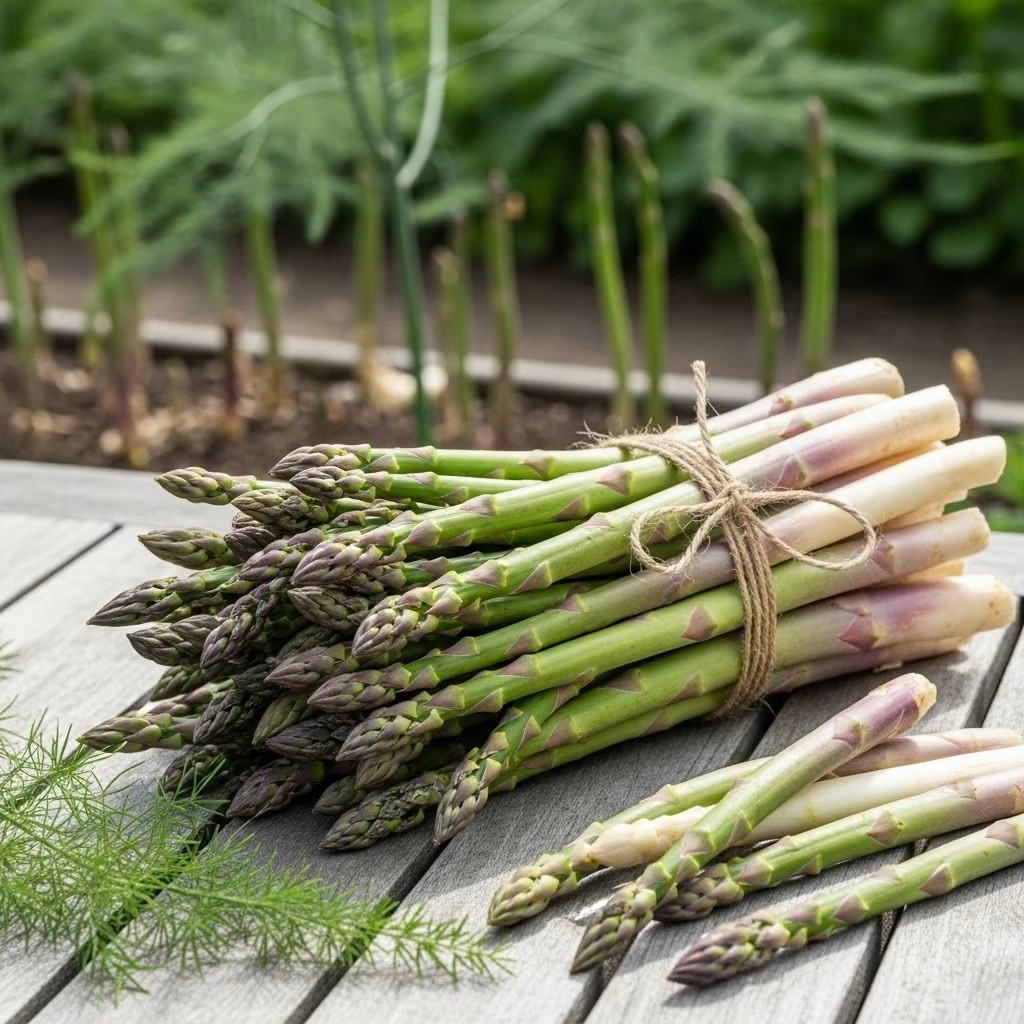
Asparagus is a spring-time favorite that serves as both a culinary delight and a striking garden perennial. While its tender green spears are a familiar sight, few realize the diversity among asparagus varieties—spanning color, size, flavor, and adaptability. Whether you’re a beginner or a seasoned gardener, discovering the right asparagus type can elevate your home harvest for years to come.
Contents
- About Asparagus
- Types of Asparagus: Colors and Categories
- Green Asparagus Varieties
- Purple Asparagus Varieties
- White Asparagus and How It’s Grown
- Heirloom vs. Hybrid Asparagus
- How to Choose the Best Asparagus For Your Garden
- Frequently Asked Questions
About Asparagus
Asparagus officinalis is a perennial vegetable belonging to the lily family, renowned for its edible young shoots. Once established, an asparagus bed can persist for 15 years or longer, yielding nutritious spears each spring. The plant’s lifecycle and minimal maintenance needs make it ideal for gardeners seeking a low-effort, high-reward crop.
Asparagus is valued for its unique:
- Flavor: Mild, grassy, and slightly sweet.
- Nutritional punch: High in fiber, folate, and vitamins A, C, and K.
- Use in cuisine: Delicious fresh, steamed, sautéed, grilled, or even pickled.
Types of Asparagus: Colors and Categories
There are three primary color categories of asparagus, each with its own characteristics:
- Green Asparagus: The most common type, recognized for its robust flavor and classic appearance.
- Purple Asparagus: Distinctive for their vibrant color, sweetness, and tender texture.
- White Asparagus: Prized in Europe, these spears are cultivated by depriving them of light, resulting in a milder flavor and delicate texture.
Within these categories, gardeners can find both heirloom and hybrid varieties—each offering unique disease resistance, yield, climate tolerances, and taste profiles.
Green Asparagus Varieties
Green asparagus is the classic type most gardeners and cooks know. Its popularity stems from reliability, robust flavor, and excellent adaptability. Below are some of the best green varieties to consider:
-
Jersey Giant
A standout in the garden, Jersey Giant is a hybrid known for high yields and resilience. Thick, meaty spears measure 7–9 inches and offer an intense asparagus flavor. Jersey Giant thrives in USDA zones 4–6 and is ideal for regions with cold winters. As a male-dominant hybrid, it puts its energy into spear production, not seeds, leading to abundance year after year.
-
Jersey Knight
This disease-resistant variety stands up to fusarium, crown rot, and rust. The Jersey Knight produces thick, tender spears and is also predominantly male, making it highly productive. Hardy in a wide range of climates, it’s an excellent pick for beginners and those concerned about garden diseases.
-
Jersey Supreme
Jersey Supreme offers an early and bountiful harvest. Similar to Jersey Knight, it boasts high productivity and vigor, with a preference for slightly cooler climates. Its male plants result in plenty of spears each season.
-
Mary Washington
This time-tested heirloom is beloved for its long, thick, tender spears and classic flavor. Mary Washington is rust-resistant and adapts well to a range of climates. Many gardeners prize its traditional taste and reliable performance.
-
UC 157
UC 157 is popular in commercial production due to its consistent yield and disease resistance, particularly to fusarium and rust. Heavy-producing and well adapted to both warmth and mild climates, it is also suitable for home gardens.
-
UC 72
With roots in the Mary Washington type, UC 72 is drought-tolerant, heat-resistant, and stands up to common diseases. It offers excellent yields, even in challenging growing conditions, making it suitable for warmer and arid regions.
-
Guelph Millennium
This Canadian-bred, all-male asparagus is cold-tolerant and performs exceptionally well in northern gardens. Its solid green spears are flavorful and tender, and it’s a recipient of the RHS Award of Garden Merit.
-
AsparaBest
A newer, cold-tolerant hybrid, AsparaBest is predominantly male, offering robust yields even in harsh winter areas. It’s a heavy producer and an excellent fit for those in northern or cold climates.
Purple Asparagus Varieties
Purple asparagus varieties are visually striking, with deep violet hues and a flavor profile that tends toward the sweet and nutty. They are notable for their tenderness and are delicious both raw and cooked. Here are some of the most popular types:
-
Purple Passion
This popular purple spear is both sweet and exceptionally tender, with large-diameter stalks that make it a standout when served raw in salads or lightly cooked. It emerges later than green varieties, providing an edge where spring frosts linger.
-
Pacific Purple
A British-bred variety, Pacific Purple is productive and flavorful, producing extra-thick spears with a deep purple color. It’s known for high yields and can be enjoyed both raw and cooked. It is rated for USDA zones 3–9.
-
Erasmus
As the first all-male purple variety, Erasmus is celebrated for its extra sweetness and tender texture. Its spears are a mid-early harvest and suitable for zones 3–10, making it versatile for many gardens.
White Asparagus and How It’s Grown
White asparagus isn’t a separate variety but rather a result of a special cultivation method known as “blanching.” By covering growing spears with soil or opaque material, light is excluded, preventing the development of chlorophyll and keeping them white. This produces a milder and more delicate spear, prized in European cuisine for its tenderness.
- Texture: Tender, delicate, and less fibrous than green spears.
- Flavor: Mild and slightly sweet.
- Common Varieties Grown as White: Mary Washington, Precoce D’Argenteuil, and other green types can be blanched for white spears.
White asparagus must be harvested carefully while still underground, making it a labor-intensive but luxurious delicacy.
Heirloom vs. Hybrid Asparagus
Understanding the difference between heirloom and hybrid asparagus varieties is crucial for making the best choice for your garden:
| Characteristic | Heirloom | Hybrid |
|---|---|---|
| Origin | Open-pollinated, passed through generations | Cross-bred for specific traits |
| Examples | Mary Washington, Precoce D’Argenteuil | Jersey Giant, UC 157, AsparaBest |
| Disease Resistance | Moderate | High |
| Yield | Consistent, moderate | Often higher, especially all-male hybrids |
| Taste & Texture | Classic, sometimes more variable | Bred for sweetness or tenderness |
| Seed Production | Both male & female plants | Often all-male (more spears, fewer seeds) |
Hybrid varieties are often chosen for improved disease resistance, yield, and spear size. Heirlooms may appeal to those seeking heritage flavors and saving seeds for future planting.
More Notable Asparagus Varieties
-
Precoce D’Argenteuil
This French heirloom produces rose-tinted buds and is cherished for its flavor. It features both male and female plants, making for a more traditional garden asparagus experience.
-
Sweet Purple Spring
Another flavorful purple variety that’s excellent eaten fresh in salads. Its sweetness and tender spears make it popular for raw dishes.
How to Choose the Best Asparagus For Your Garden
Picking the right asparagus variety depends on your climate, taste preference, and garden goals. Here are some key factors to consider:
- Climate Adaptation: Cold-hardy types (Guelph Millennium, AsparaBest, Jersey Giant) thrive in northern gardens, while heat-tolerant options (UC 157, UC 72) do well in warmer or arid locales.
- Harvest Timing: Early varieties like Jersey Supreme suit those eager for a quick spring crop, while later types help dodge late frosts.
- Color: Choose purple for sweeter, tender spears, green for classic flavor, or try the blanching method for white spears.
- Yield: All-male hybrids outproduce mixed plantings, focusing energy on edible spears rather than seed production.
- Disease Resistance: Hybrids like the Jersey series offer resilience against common garden diseases.
- Culinary Goals: Some purple types excel fresh and raw, while robust green types are ideal for grilling and roasting.
Frequently Asked Questions (FAQs)
Q: What is the difference between male and female asparagus plants?
A: Male plants channel energy into spear production and often yield more, as they do not develop seeds or berries. Female plants divert energy to seed production and typically produce fewer spears. Many modern hybrids are bred to be all-male for maximum harvests.
Q: Can I grow white asparagus from any asparagus seed?
A: Yes. White asparagus is created using a blanching method (blocking light during spear growth), not a separate variety. Most green asparagus varieties can be grown as white if blanched.
Q: How long does it take for asparagus to mature?
A: Asparagus takes patience. Typically, you’ll wait 2–3 years from planting crowns or 3 years from seed before harvesting significant spears. Once established, plants produce abundantly for many years.
Q: Which asparagus variety is best for cold climates?
A: Guelph Millennium, AsparaBest, and Jersey Giant are all hybrid varieties known for winter hardiness and suitability for colder regions.
Q: Is purple asparagus healthier than green?
A: Purple types contain anthocyanins—potent antioxidants—alongside the usual asparagus nutrients. While nutritional differences are minor, the color pigments offer added health benefits and greater sweetness.
Q: Can you grow asparagus from seed or should you use crowns?
A: Both are possible. Most gardeners start with 1-year-old crowns for a quicker establishment, though starting from seed is also viable if you have patience.
Summary Table: 15 Asparagus Varieties
| Variety | Color | Key Features | Best For |
|---|---|---|---|
| Jersey Giant | Green | Thick, meaty spears, cold-hardy, hybrid | High yields, cold regions |
| Jersey Knight | Green | Disease-resistant, hybrid | Disease-prone gardens |
| Jersey Supreme | Green | Early harvest, hybrid | Quick spring yields |
| Mary Washington | Green | Heirloom, tender spears | Classic flavor, tradition |
| UC 157 | Green | Commercial high-yielder, hybrid | Warm, mild climates |
| UC 72 | Green | Heat and drought tolerant, hybrid | Hot, dry climates |
| AsparaBest | Green | Cold-tolerant, hybrid | Northern gardens |
| Guelph Millennium | Green | Cold-hardy, award-winning, hybrid | Canada, northern US |
| Purple Passion | Purple | Sweet, tender, late emerging | Fresh eating, raw salads |
| Pacific Purple | Purple | Extra thick, sweet, high yields | Zones 3-9 |
| Erasmus | Purple | All-male, tender, sweet | Zones 3-10 |
| Sweet Purple Spring | Purple | Sweet, tender | Raw dishes, salads |
| Precoce D’Argenteuil | Green/White | French heirloom, rose buds | Blanched/white asparagus |
| Mary Washington (white) | White | Classic heirloom, blanched | Delicate, mild flavor |
| UC 157 (white) | White | Hybrid, blanched | Commercial white spears |
Conclusion
With a wide array of varieties boasting unique attributes—be it color, sweetness, or resilience—there’s an asparagus type for every garden. By selecting the right variety for your region and palate, you can enjoy abundant harvests of this enduring springtime favorite for many years to come.