


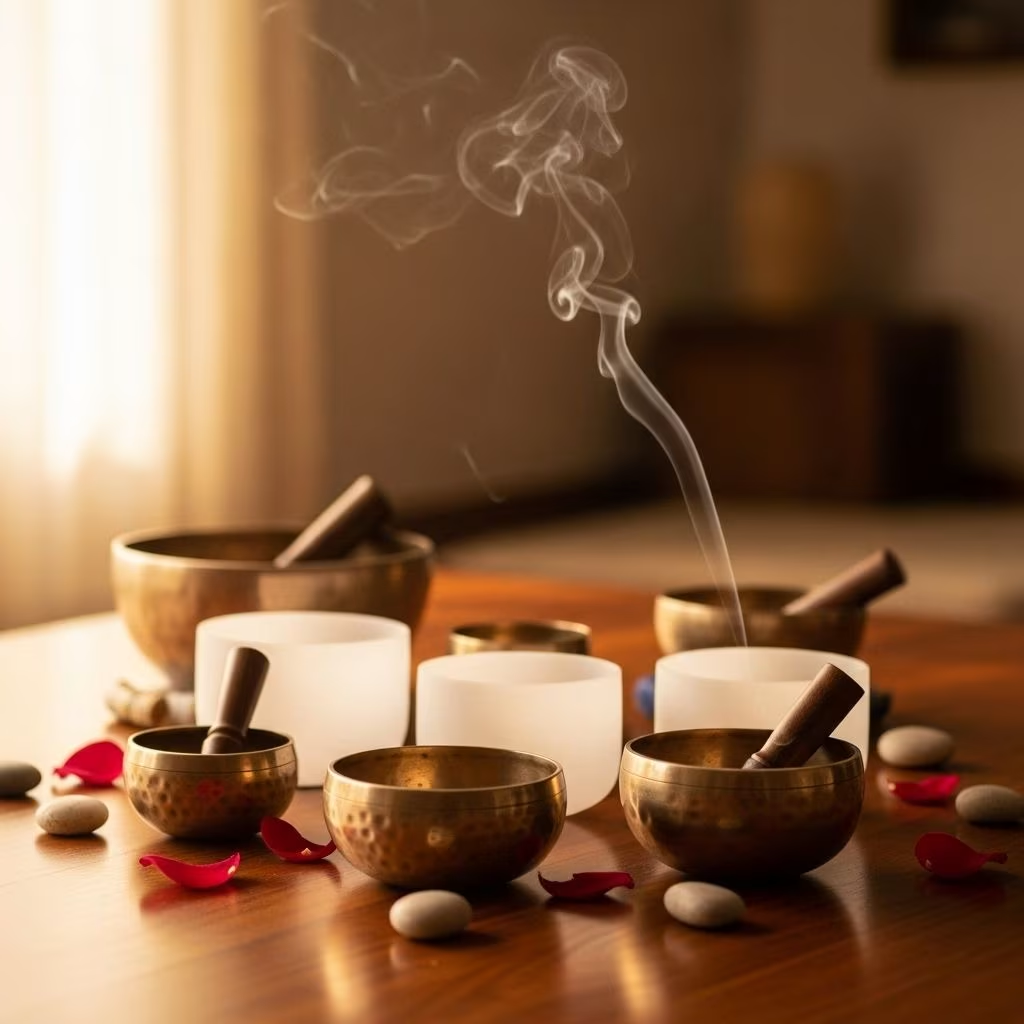
What Is a Sound Bath?
A sound bath is a meditative, full-body listening experience in which participants are immersed in soothing sounds and therapeutic vibration generated by instruments such as singing bowls, gongs, chimes, and occasionally the human voice. Unlike traditional music, a sound bath uses sustained, resonant sound waves without defined melody or rhythm . Listeners are encouraged to lie down, relax, and allow the sound to wash over them, fostering a deep state of relaxation and awareness .
- Ancient origins: Sound healing methods have existed across many cultures for thousands of years, utilizing the power of vibration to support health and wellbeing .
- Purpose: Sound baths aim to activate the parasympathetic nervous system and promote restorative states in the body and mind .
- Setting: Sessions are typically conducted in tranquil environments—wellness studios, yoga spaces, therapy rooms, or outdoors—though sound baths can also be practiced at home using recordings or sound-producing instruments .
How Do Sound Baths Work?
During a typical sound bath, participants recline comfortably on mats or cushions. The facilitator plays a variety of instruments, layering their tones to create overlapping waves of sound. These vibrations are both heard and felt throughout the body, inviting participants into a meditative state that encourages self-awareness and deep relaxation .
- Common instruments:
- Himalayan singing bowls
- Crystal singing bowls
- Gongs
- Tuning forks
- Chimes and bells
- Drums
- Human voice (sometimes)
- Physical effects: Sound waves can slow the heart rate, lower blood pressure, and reduce levels of the stress hormone cortisol, promoting physical and emotional healing .
- Sensory experience: The vibrational energy engages both auditory and tactile senses, and can sometimes lead to sensations of warmth, tingling, or emotional release .
Potential Benefits of Sound Baths
While scientific research into sound baths is still developing, both anecdotal reports and preliminary studies suggest a range of possible health and wellness benefits :
Scientific Evidence: What Do Studies Say?
Early research supports the possibility that sound baths offer mental and physical health benefits. However, most studies are small and further investigation is needed :
- Mental health: A 2016 study reported that participants experienced reduced anxiety, tension, and negative mood states after a sound bath meditation session. A 2020 review similarly found improvements in mood and emotional distress .
- Pain reduction: Research suggests participants rate their pain lower following sound bath experiences, but clinical significance remains uncertain .
- Other effects: Some studies found improved heart rate and blood pressure among participants, indicating deep relaxation .
- Important note: Sound baths are a complementary practice. They are not substitutes for medical treatments, but may enhance wellbeing alongside other therapies .
Typical Sound Bath Experience: What to Expect
During a sound bath session, you can expect the following:
- Preparation: Facilitator may invite participants to lie down, close their eyes, and focus on breath or set intentions for the session .
- Immersion: Once the instruments begin, sound waves envelop the space, creating a multi-layered auditory field .
- Physical sensations: You may feel vibrations through your body, experience sensations of warmth or tingling, or notice your muscles relaxing .
- Emotional responses: Some people report feelings of peace, clarity, or release; occasionally, sound baths may evoke emotional discomfort before relief arrives .
- Duration: Sessions typically last 45–60 minutes but can vary based on the setting and facilitator .
- Integration: At the close, the facilitator may gently guide you back to awareness and suggest ways to integrate your experience .
Common Instruments Used in Sound Baths
Each instrument in a sound bath produces different tonal qualities and frequencies, contributing to the overall soundscape :
- Himalayan/Tibetan Singing Bowls: Bell-shaped bowls that produce soothing, layered tones; believed to promote relaxation and relieve stress.
- Crystal Singing Bowls: Made of quartz, these bowls yield pure, high-frequency sounds that may support energy balancing.
- Gongs: Large disc-shaped percussion instruments that emit deep, powerful vibrations able to resonate throughout the body.
- Chimes/Bells: Lightweight instruments offering gentle, ethereal accents in the soundscape.
- Drums and Tuning Forks: Used less commonly, drums can ground the experience, while tuning forks introduce precise frequencies purported to promote healing.
- Human Voice: Some facilitators use chanting, humming, or singing as part of the experience.
Possible Side Effects and Precautions
Sound baths are generally considered low-risk, but some people may experience temporary discomfort :
- Emotional overstimulation: Intense sound or unexpected emotional release may feel overwhelming for sensitive listeners.
- Disorientation: Deep relaxation can sometimes produce mild dizziness or spatial confusion after a session.
- Volume sensitivity: Individuals with hearing challenges or sound sensitivity should communicate their needs to the facilitator and position themselves away from louder instruments.
- Physical limitations: Those with mobility or health concerns should consult their healthcare provider before participating.
Who Might Benefit From Sound Baths?
Sound baths may support a variety of individuals but are especially popular among people seeking relaxation, stress relief, and emotional healing :
- People experiencing anxiety, depression, or chronic stress
- Individuals coping with insomnia or sleeplessness
- Those managing physical pain or chronic health conditions
- Anyone interested in meditation, mindfulness, or spiritual practices
- People seeking creative inspiration or enhanced focus
How to Try a Sound Bath
You can experience a sound bath in various ways:
- Group class or studio: Community settings led by certified facilitators offer immersive group experiences.
- Private session: Personalized sound baths available with trained practitioners.
- At home: Create a calm space, use sound bath recordings, or learn to play instruments such as singing bowls.
- Virtual sessions: Many wellness experts offer online sound bath experiences via streaming platforms.
Frequently Asked Questions (FAQs)
Q: Are sound baths scientifically proven to treat medical conditions?
A: While evidence suggests sound baths offer stress relief and mood improvement, larger clinical trials are needed. They are best used as complementary wellness practices .
Q: What should I wear to a sound bath?
A: Wear comfortable, loose clothing that supports relaxation. You may wish to bring a blanket or cushion for comfort.
Q: How often should I attend sound baths to benefit?
A: Frequency varies by individual preference—some find weekly sessions optimal, while others attend monthly or as-needed.
Q: Can I experience a sound bath at home?
A: Yes, you can recreate a sound bath at home with recordings, singing bowls, gongs, or by streaming virtual experiences. The key is to set aside a quiet, comfortable space .
Q: Is a sound bath safe for everyone?
A: Most people tolerate sound baths well, but individuals with certain health or sound sensitivity conditions should consult their healthcare provider before participating.
Conclusion: The Increasing Appeal of Sound Baths
Sound baths offer a gentle, immersive way to reduce stress, enhance relaxation, and support mental and emotional wellbeing through the therapeutic use of sound. Whether practiced in a studio, at home, or virtually, they deliver a unique sensory experience that may complement existing wellness routines. As scientific research continues to expand, more people are discovering the restorative power of this ancient practice for holistic health and happiness.
References
- https://www.calm.com/blog/sound-bath
- https://www.ulumresorts.com/stories/10-of-the-best-sound-bath-meditation-benefits/
- https://www.healthline.com/health/sound-bath
- https://health.clevelandclinic.org/sound-bath
- https://www.cosmopolitan.com/uk/body/health/a43454012/sound-bath-review/
- https://www.worldsprings.com/blog/sounds-baths-overview-what-is-a-sound-bath
- https://www.medicalnewstoday.com/articles/sound-baths


